25-year milestone
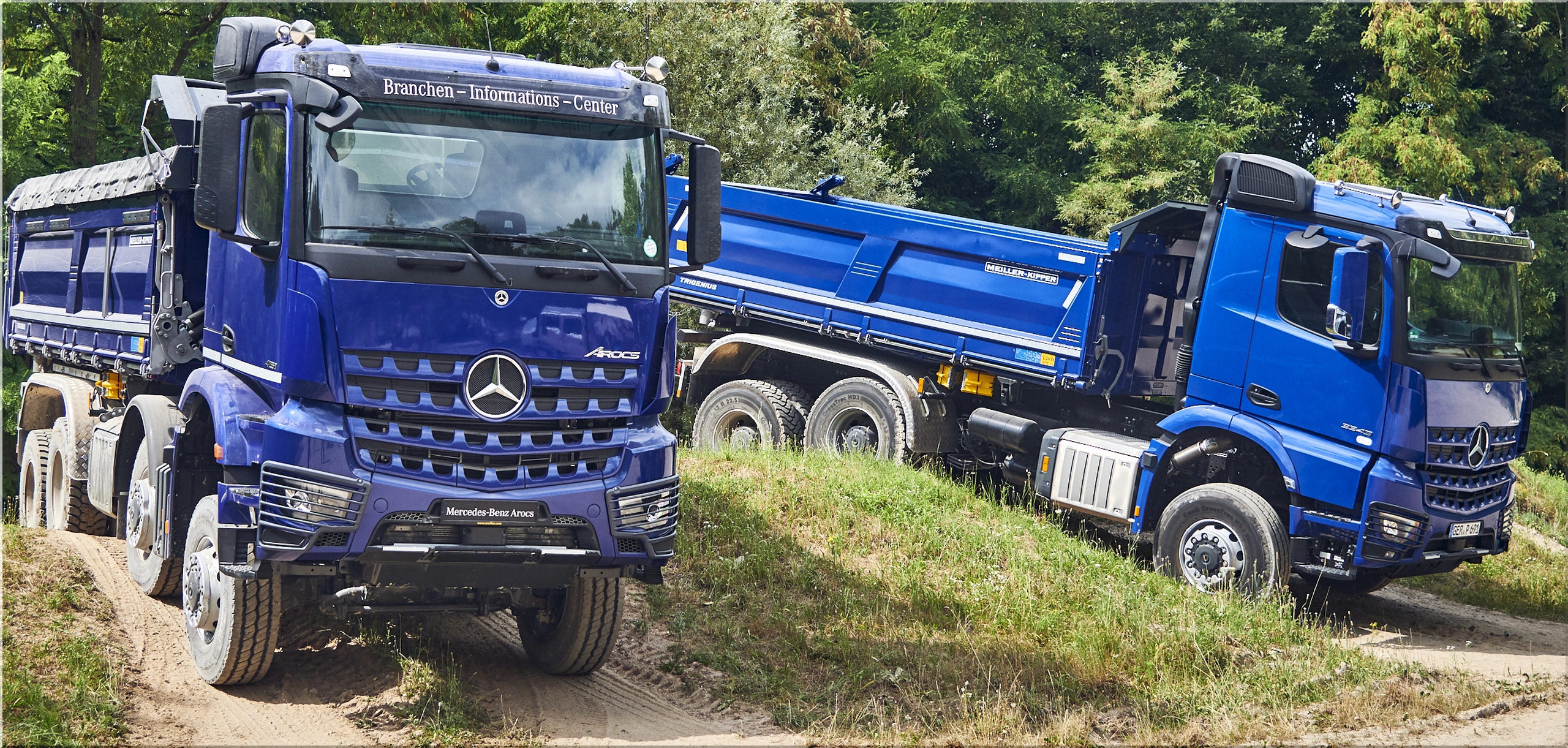
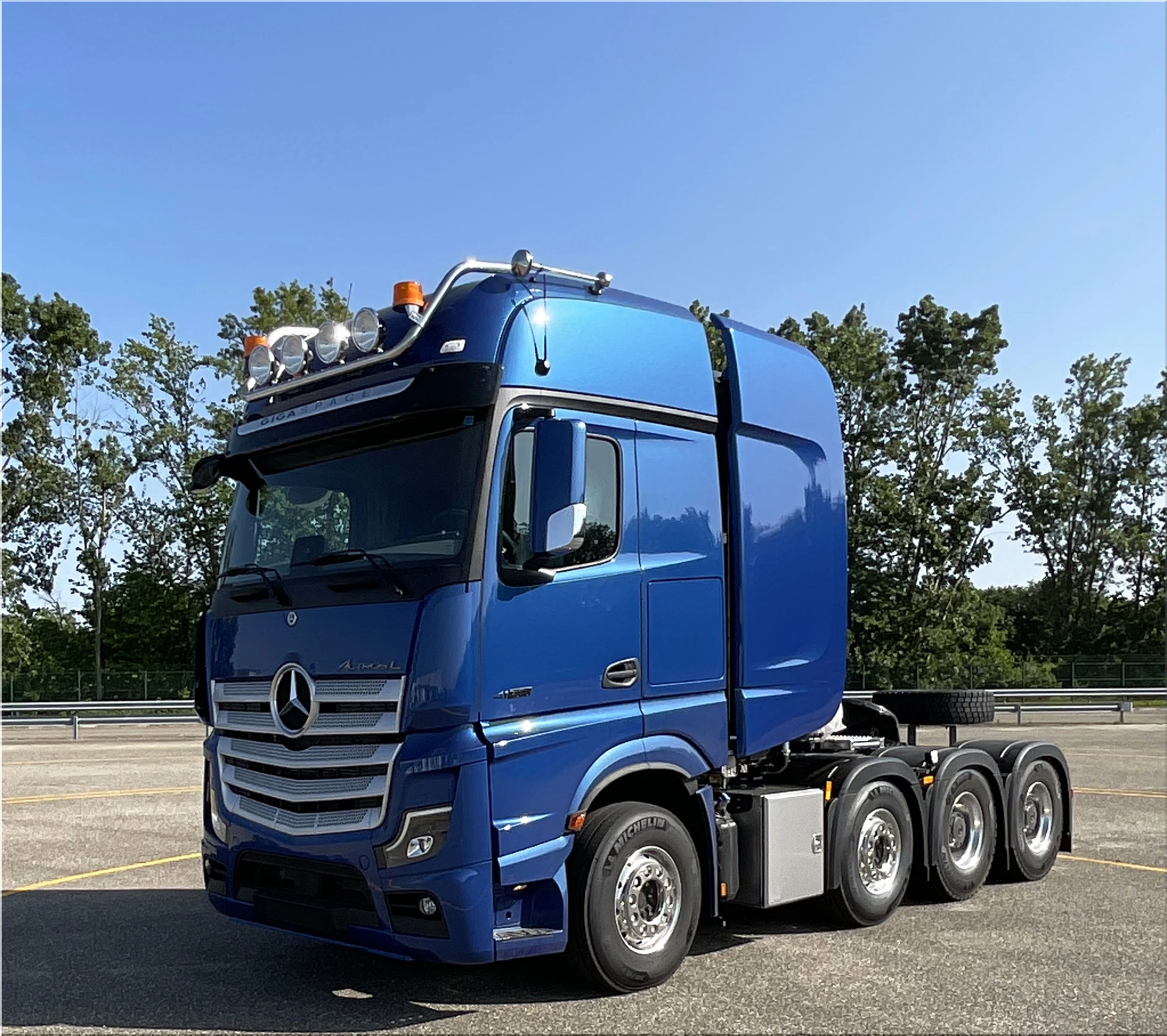
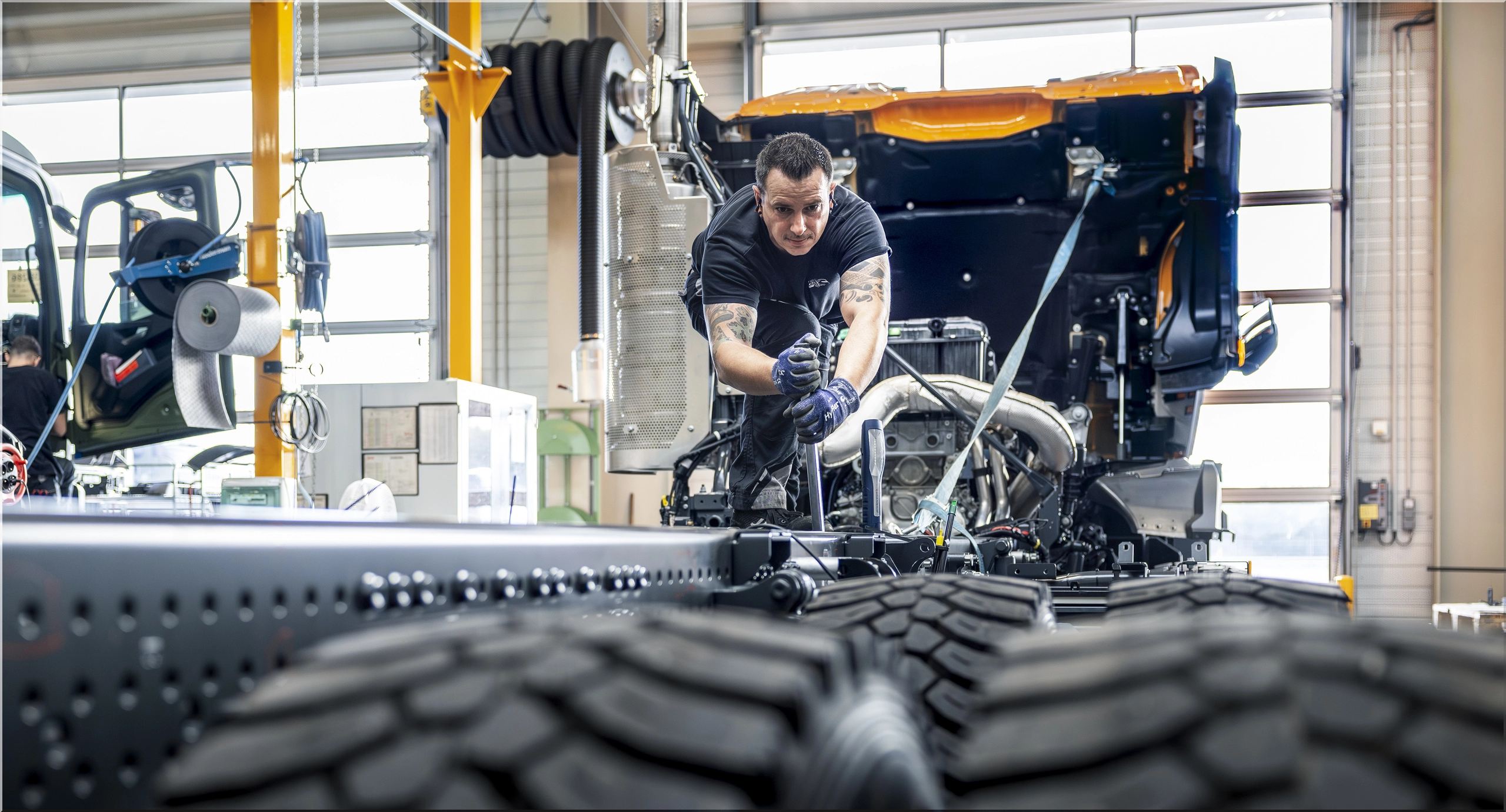
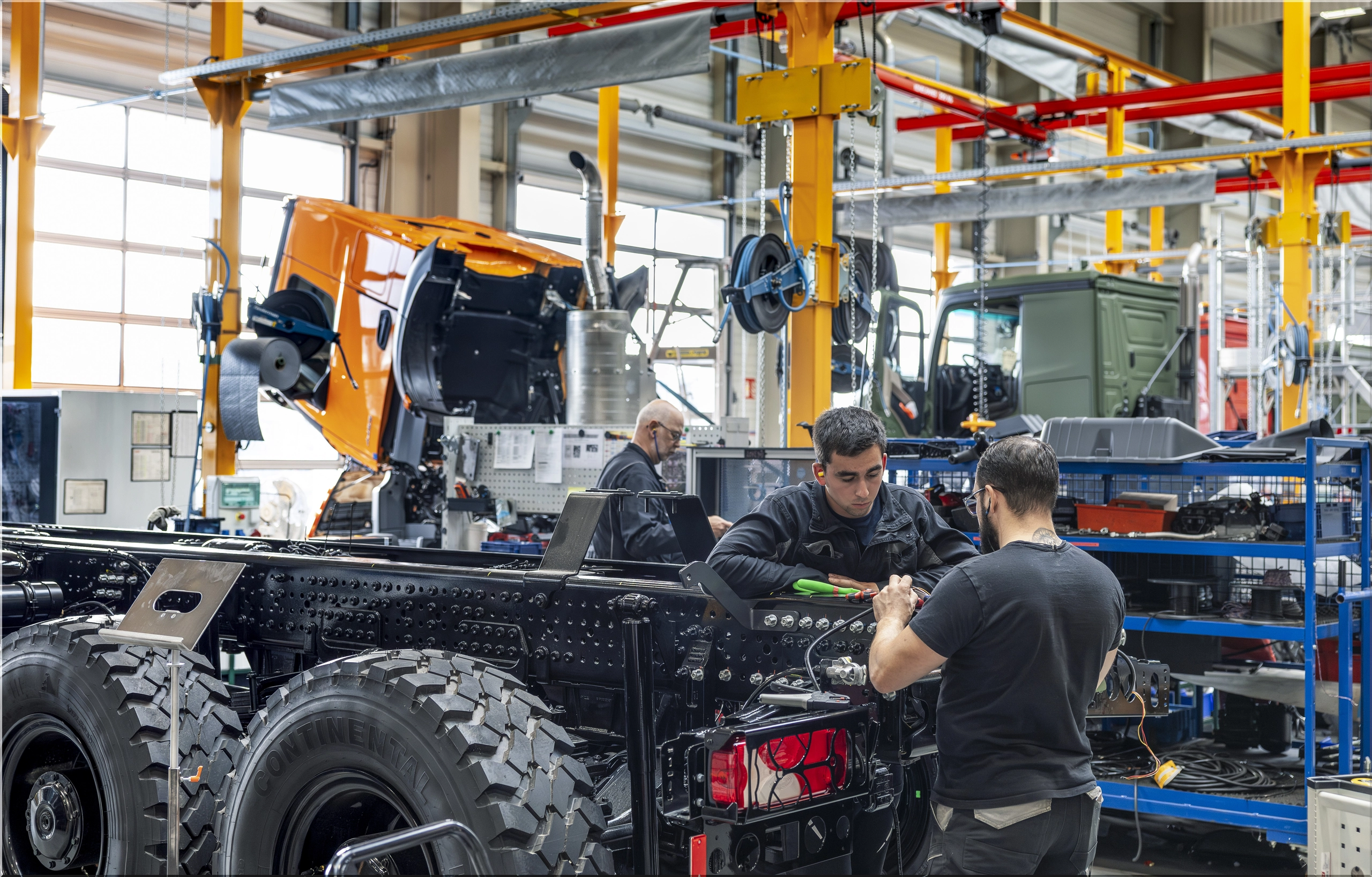
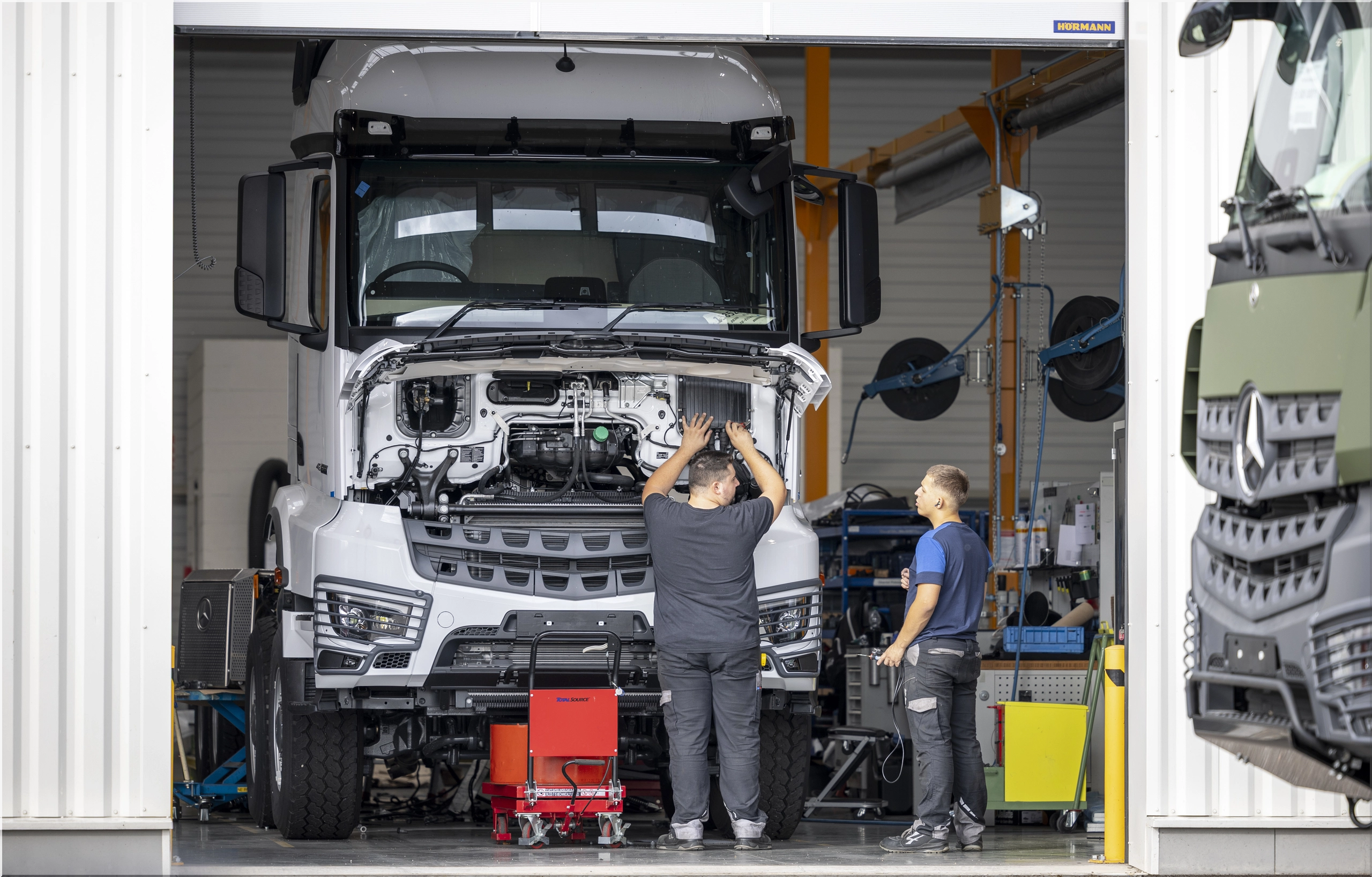
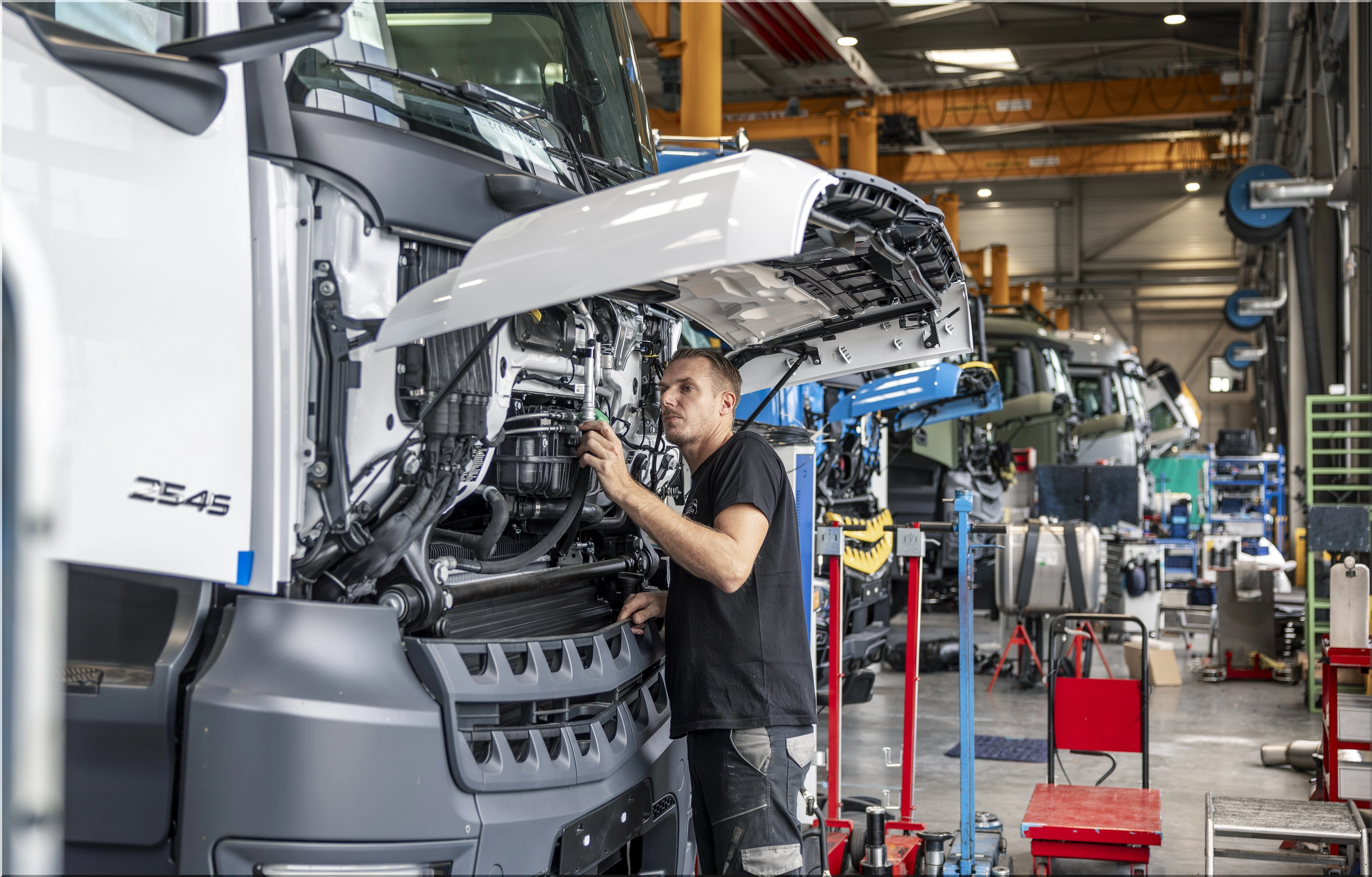
Mercedes-Benz Custom Tailored Trucks (CTT) has hit 25 years. The unit converts standard trucks into business-specific tools. The pitch is simple. If the series truck cannot handle the job, CTT builds one that can. The scale now backs the promise. More than 325,000 vehicles converted. Deliveries into 140+ countries. Work handled across two core sites and a seven-company partner network. That footprint reduces lead times and protects uptime.
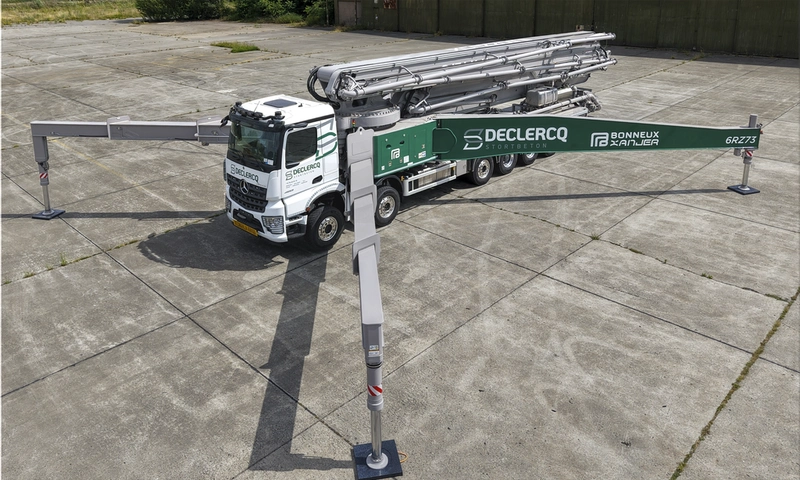
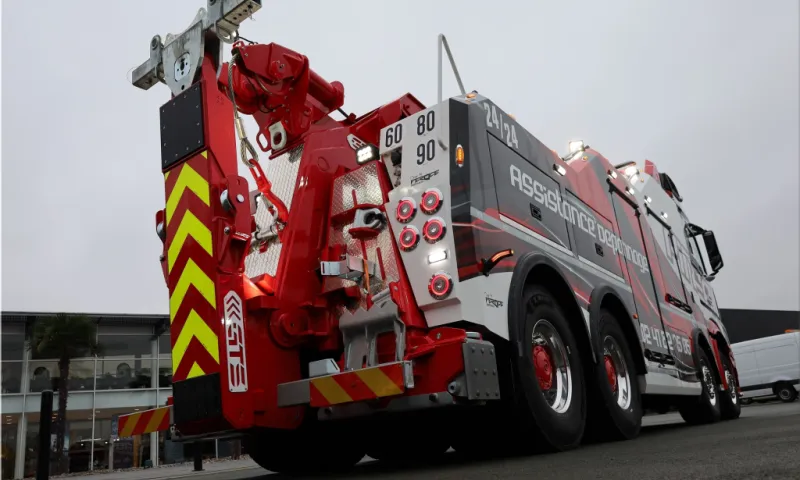
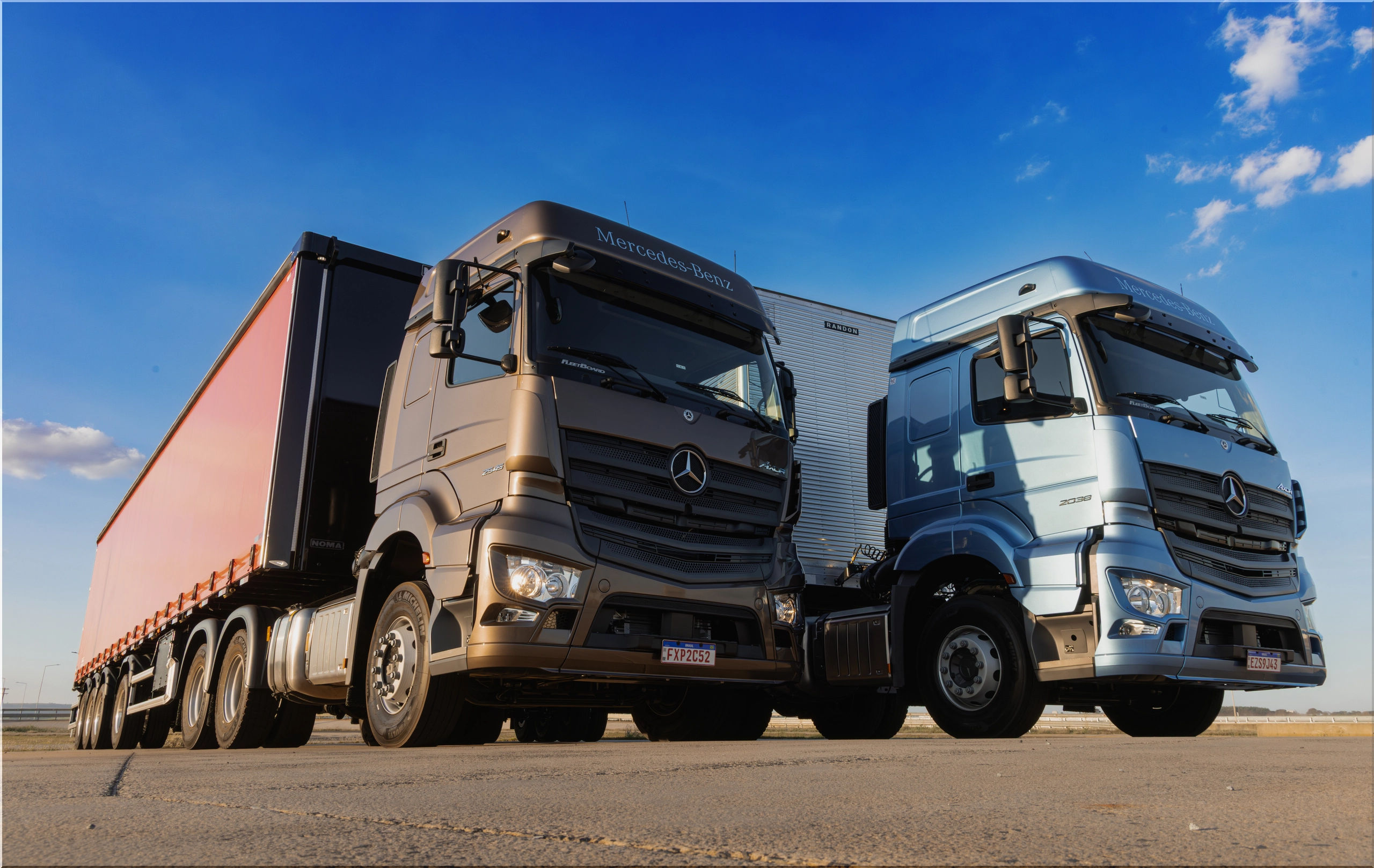
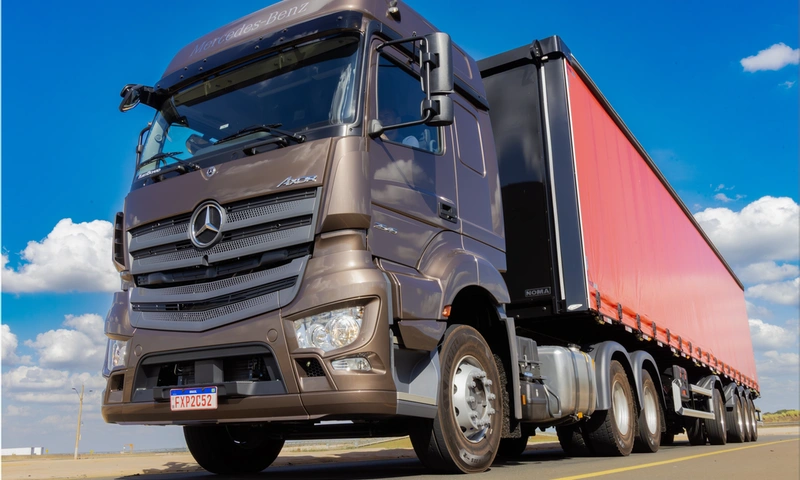
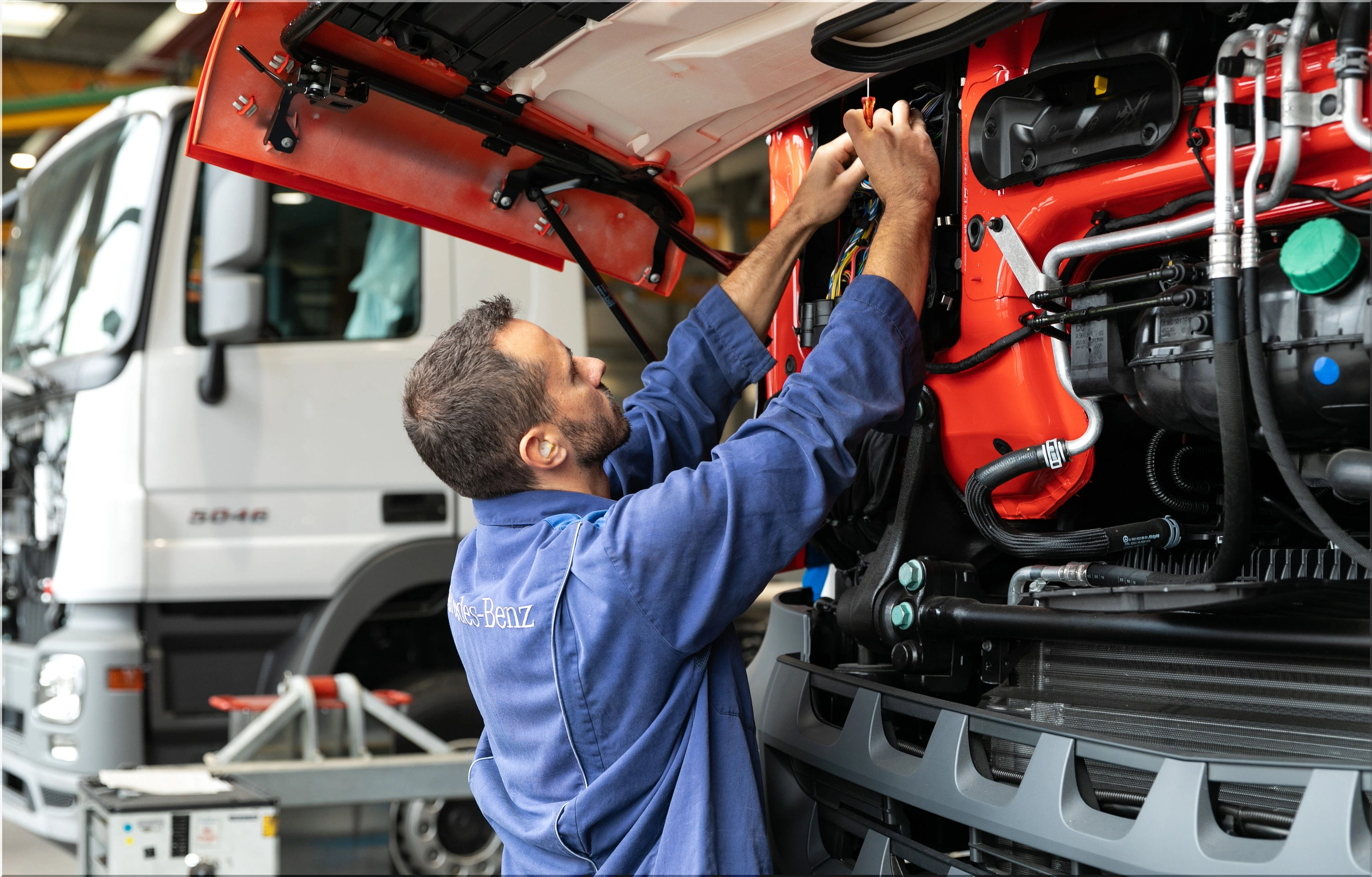
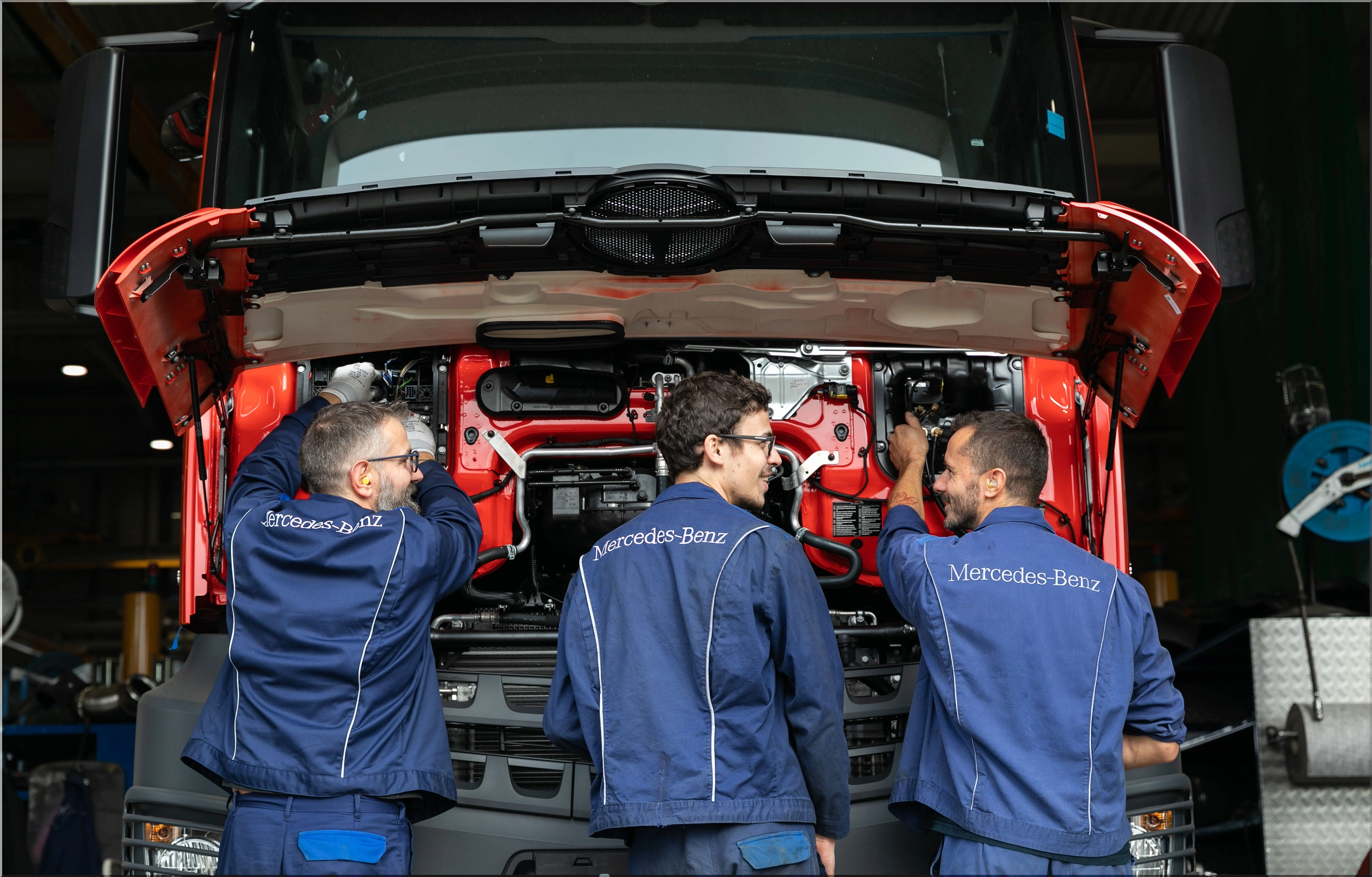
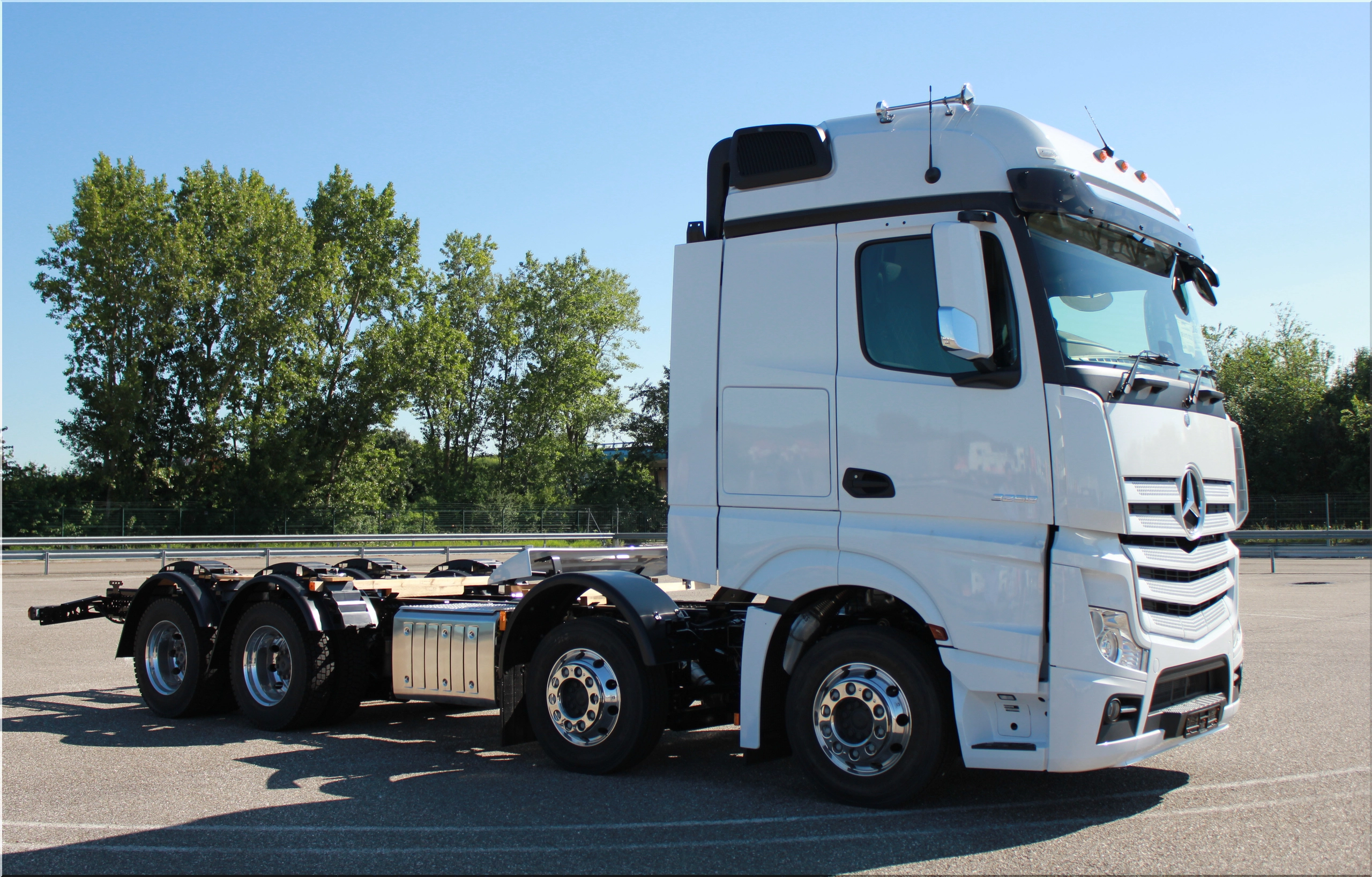
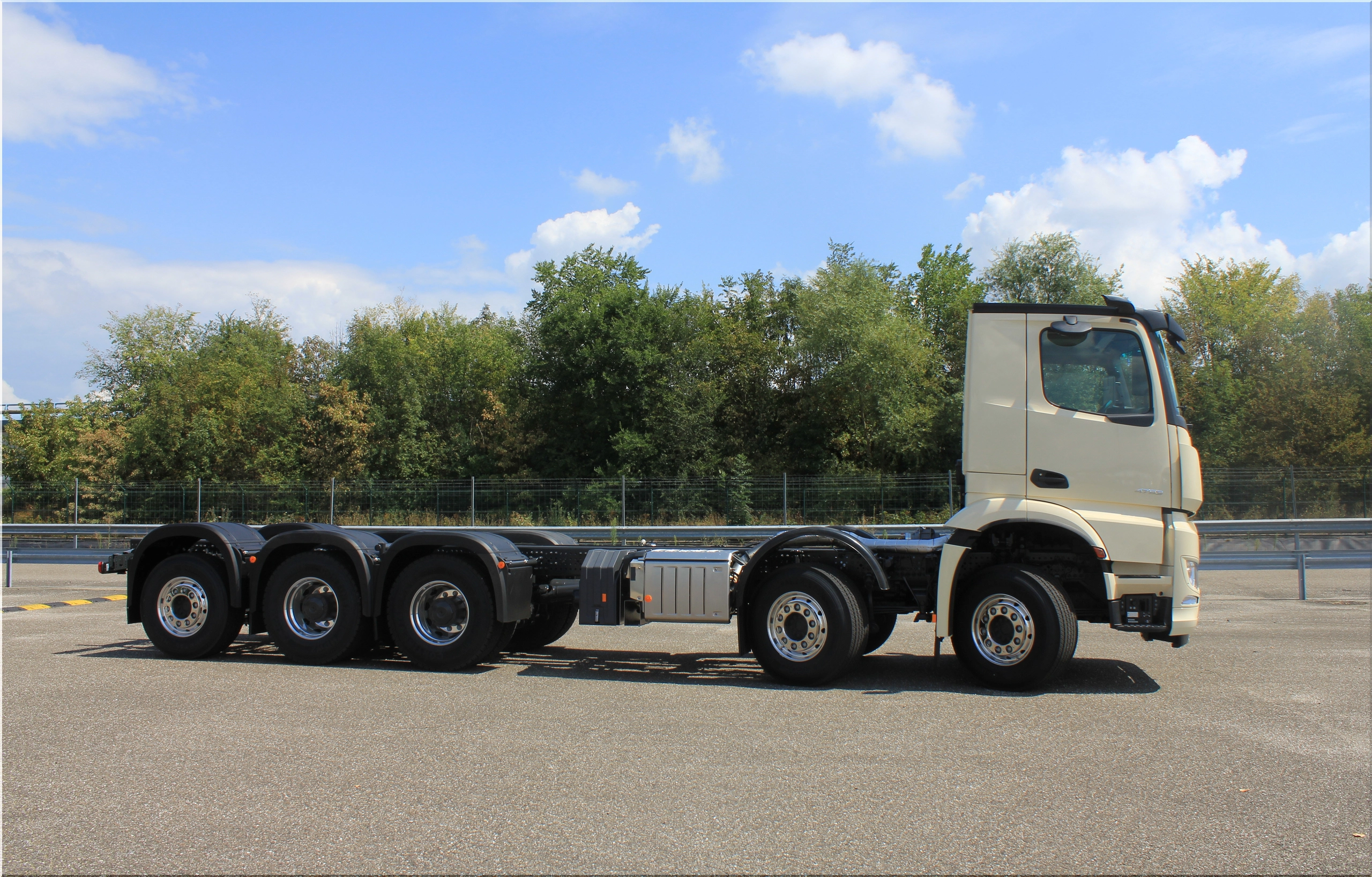
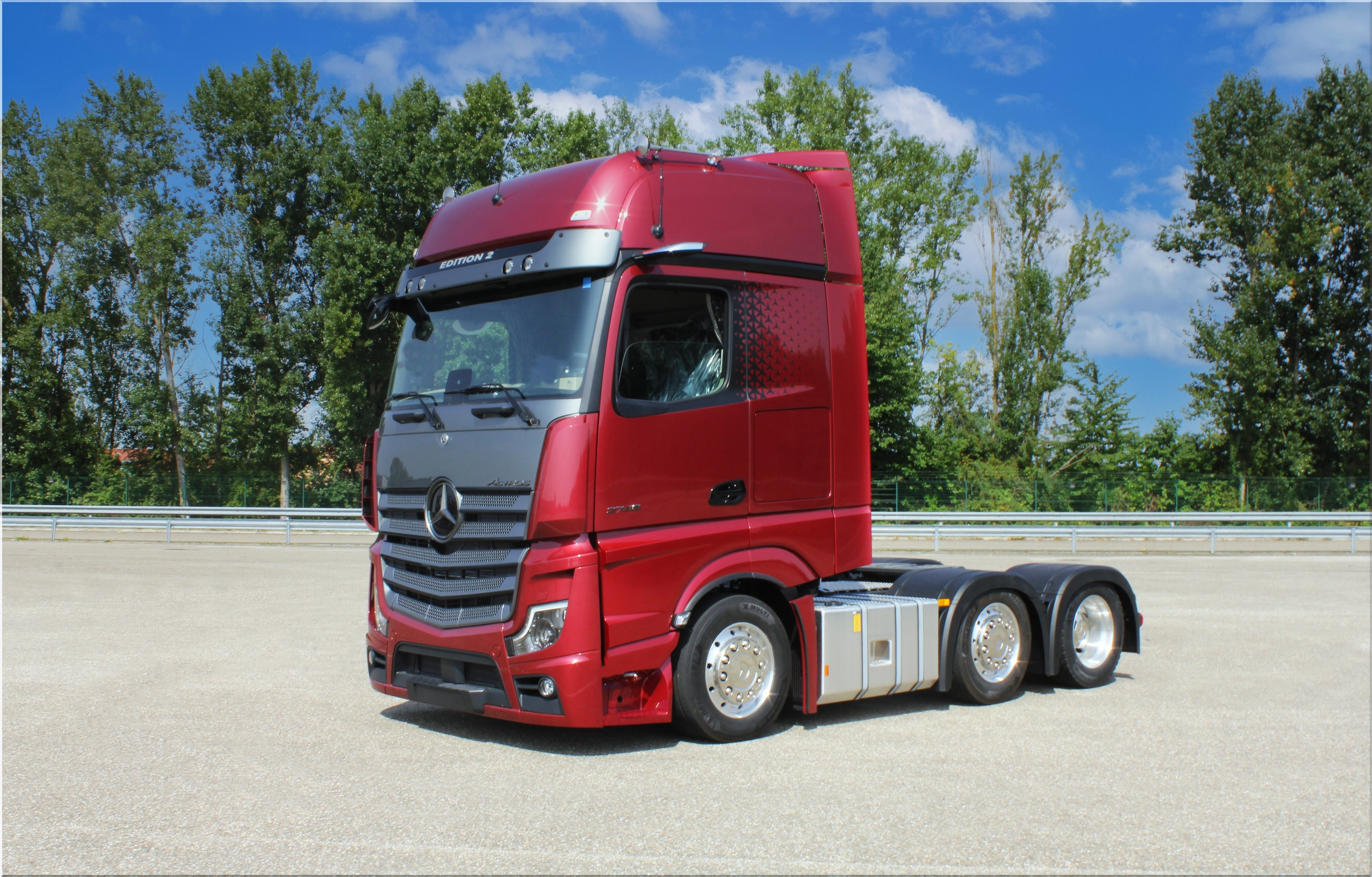
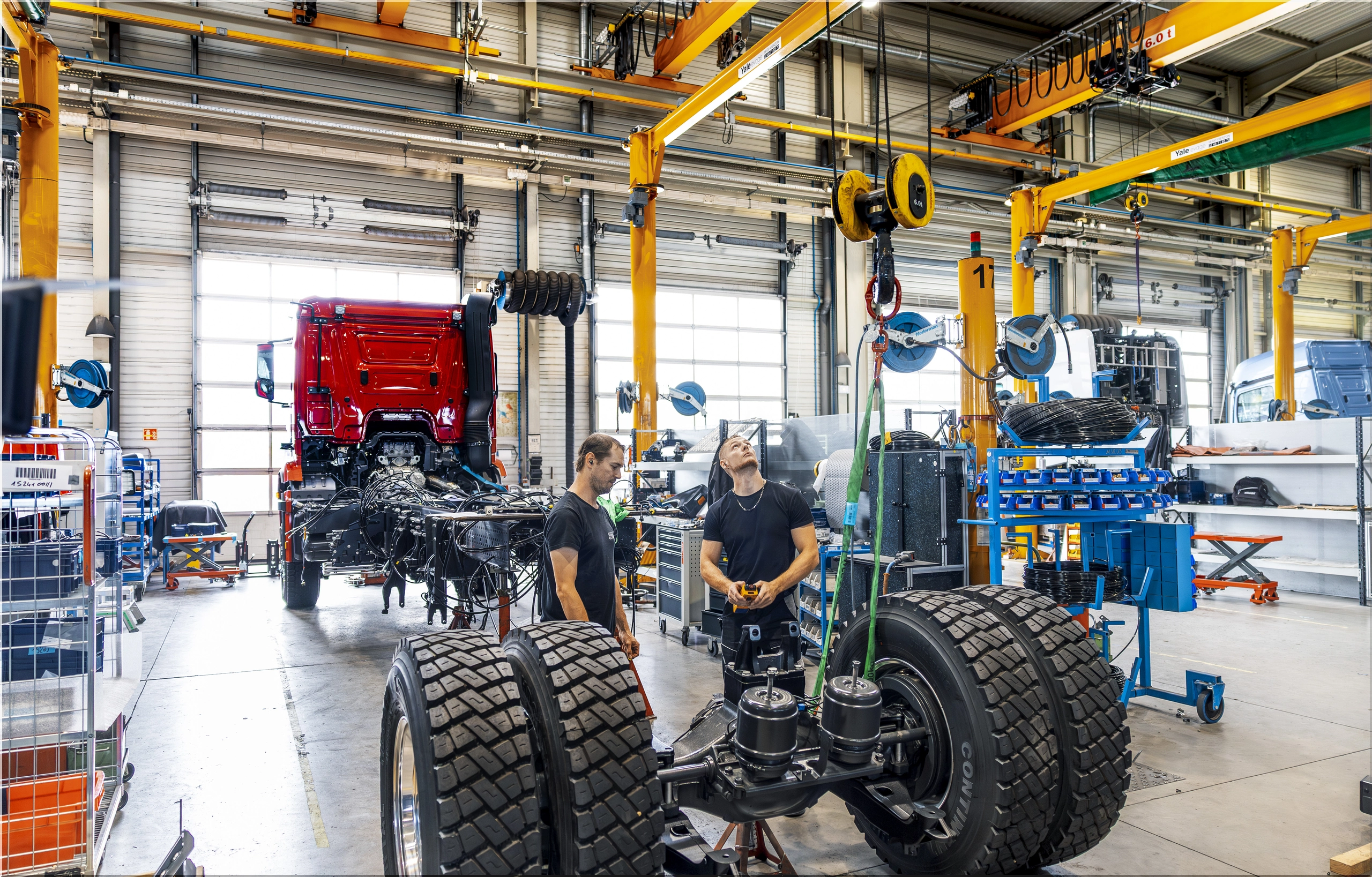
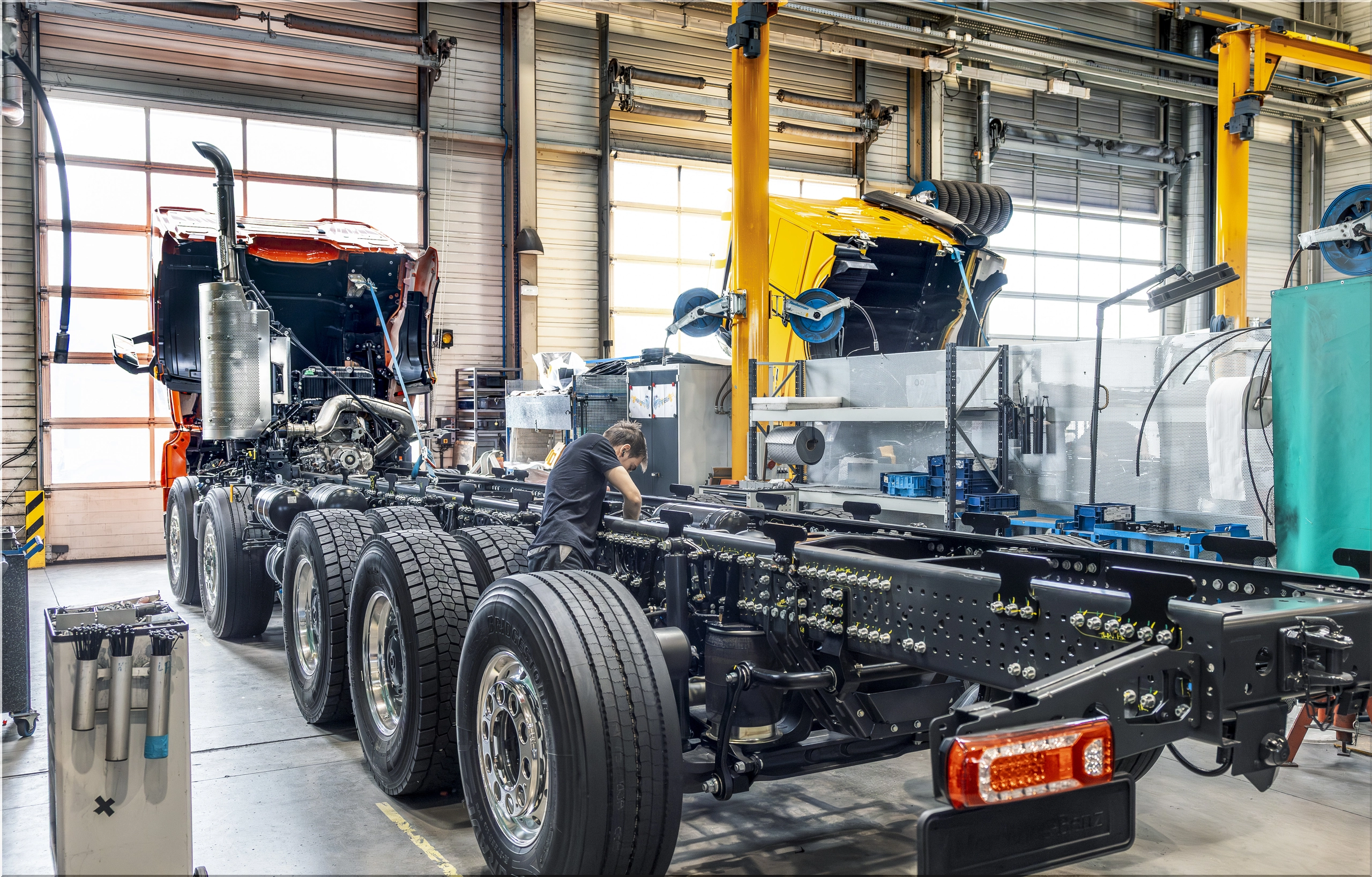
CTT focuses on jobs where downtime kills margins. The team shortens or lengthens wheelbases. It adds axles. It reinforces frames. It swaps cabs. It builds heavy-duty tractors for multi-axle trailers. Then it routes service back through authorized workshops to keep fleets rolling. This is not a side project. It is an industrialized program with repeatable outputs.
The network that makes custom feel standard
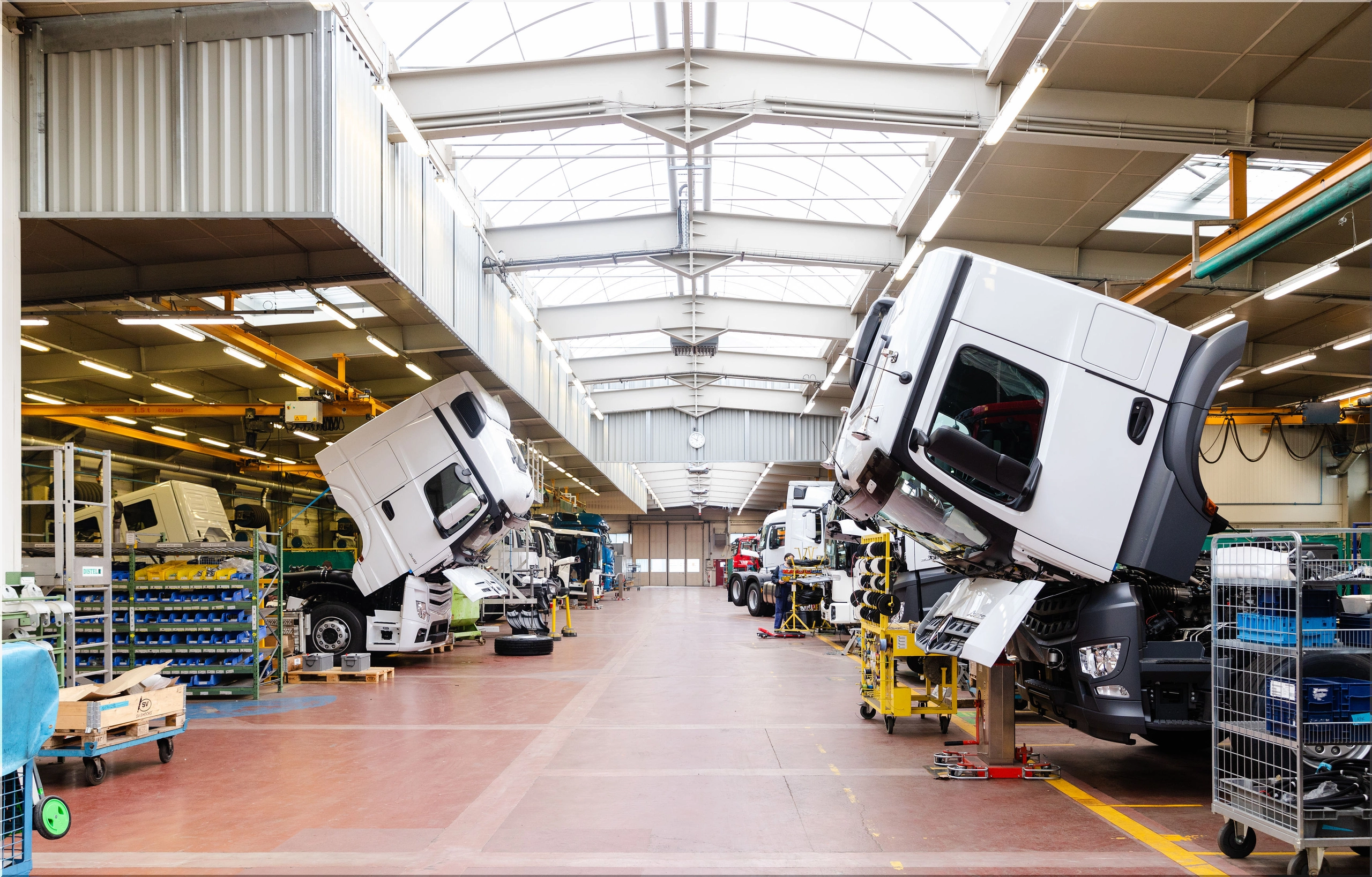
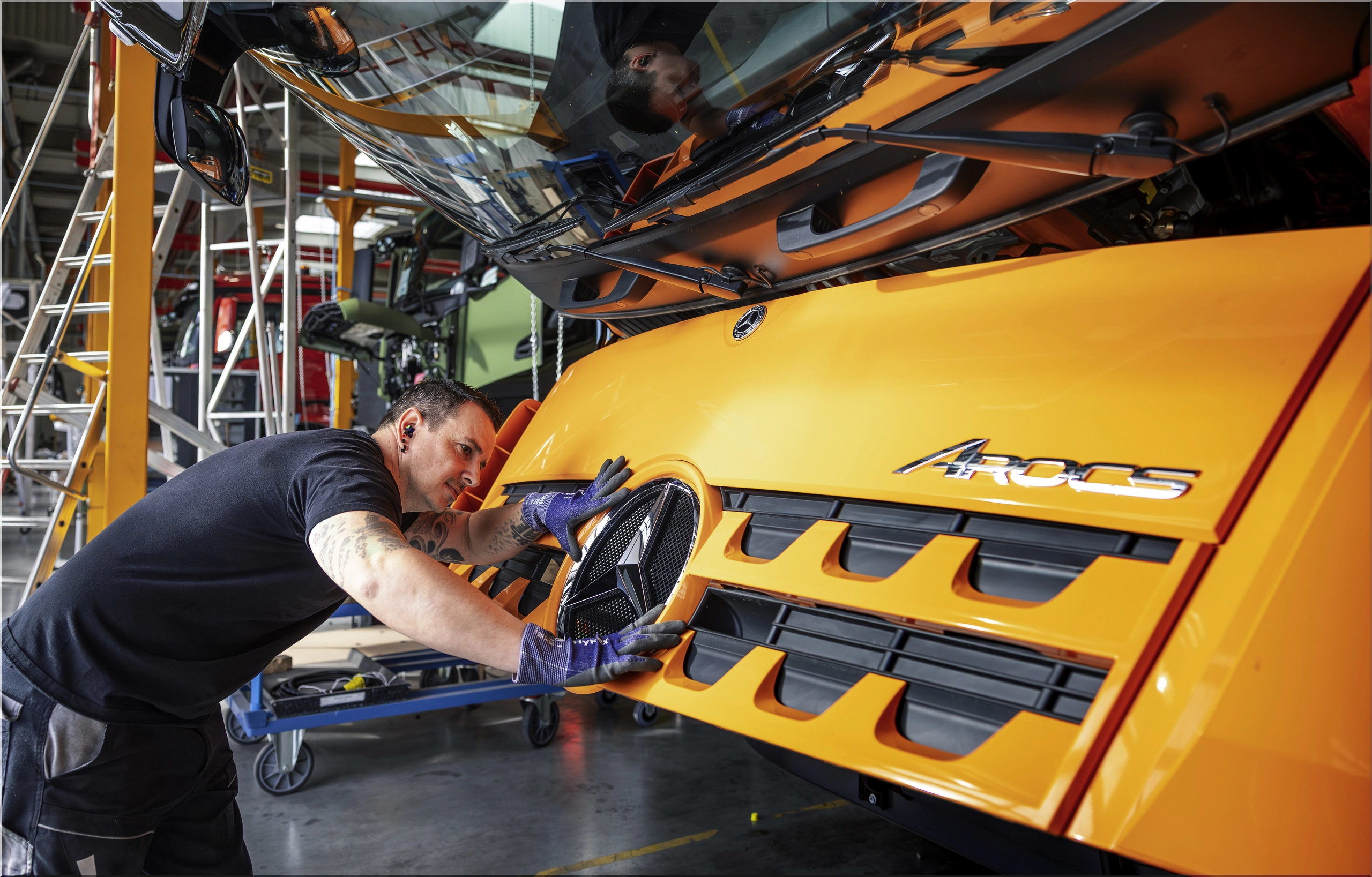
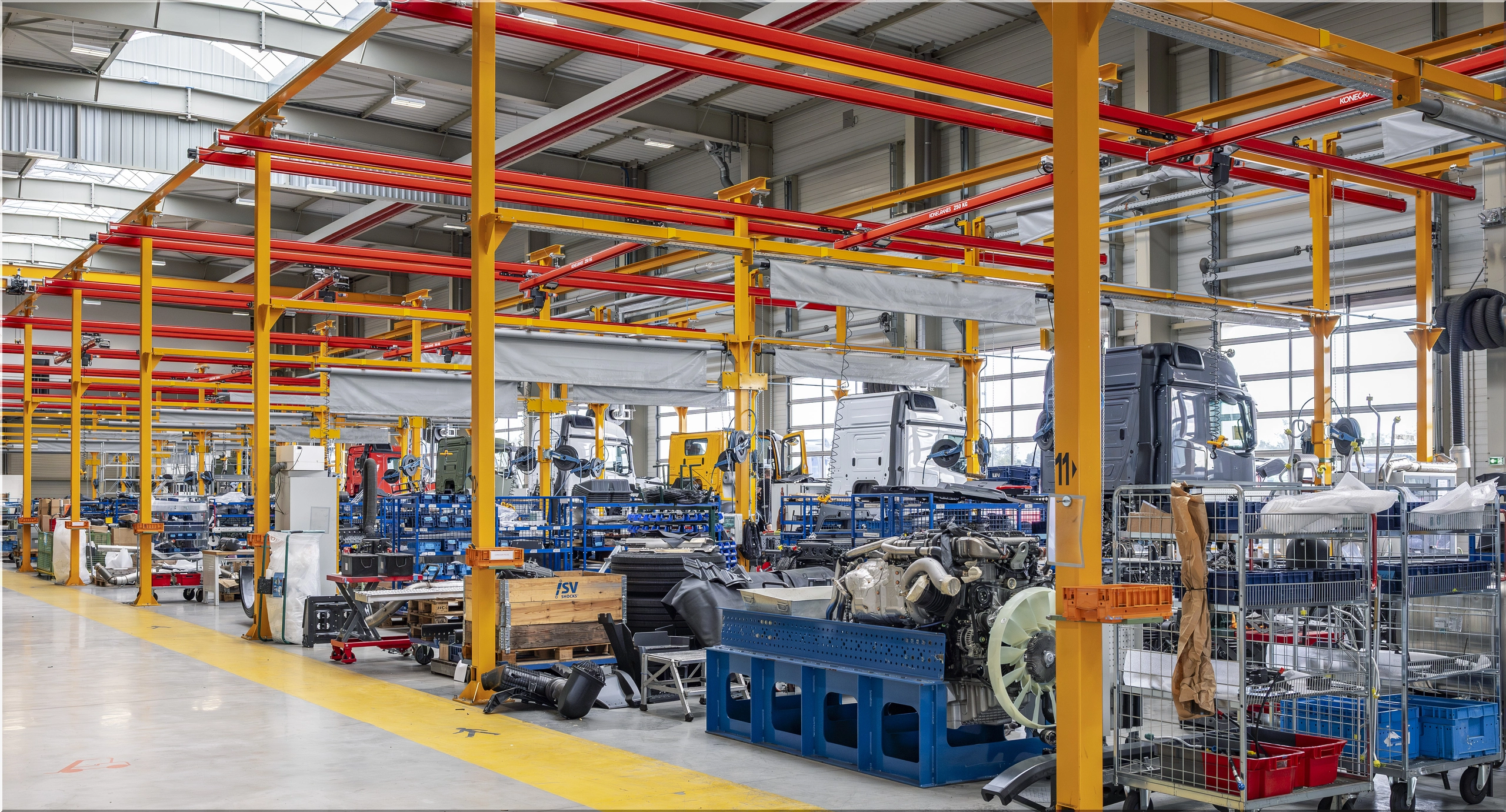
CTT operates from Molsheim, France and Wörth am Rhein, Germany. The Molsheim site runs 63 conversion stations and employs around 600 people. Wörth builds the base trucks and supports off-line modifications. Seven German partners absorb specialized loads and speed coordination:
- S&G Automobil
- F&B Nutzfahrzeug-Technik
- Werner Forst- & Industrietechnik Scharf
- Eggers Fahrzeugbau
- Paul Nutzfahrzeuge
- BICKEL-TEC
- TITAN Spezialfahrzeugbau
This division of labor matters. Series production stays efficient. Custom complexity moves to the right bench. When a solution repeats, engineering feeds it back into series. That loop turns one-off fixes into future options. It also compresses development time for market-specific builds.
Key facts at a glance
| Metric | Detail |
|---|---|
| Years in operation | 25 |
| Vehicles converted | 325,000+ |
| Countries served | 140+ |
| Core sites | Molsheim (FR), Wörth am Rhein (DE) |
| Conversion stations (Molsheim) | 63 |
| Employees (Molsheim) | ~600 |
| Partner companies | 7 (all Germany-based) |
| Typical work | wheelbase changes, axle adds, frame reinforcement, cab swaps, heavy-duty builds |
| Service path | Authorized workshops using series components |
What CTT actually builds right now
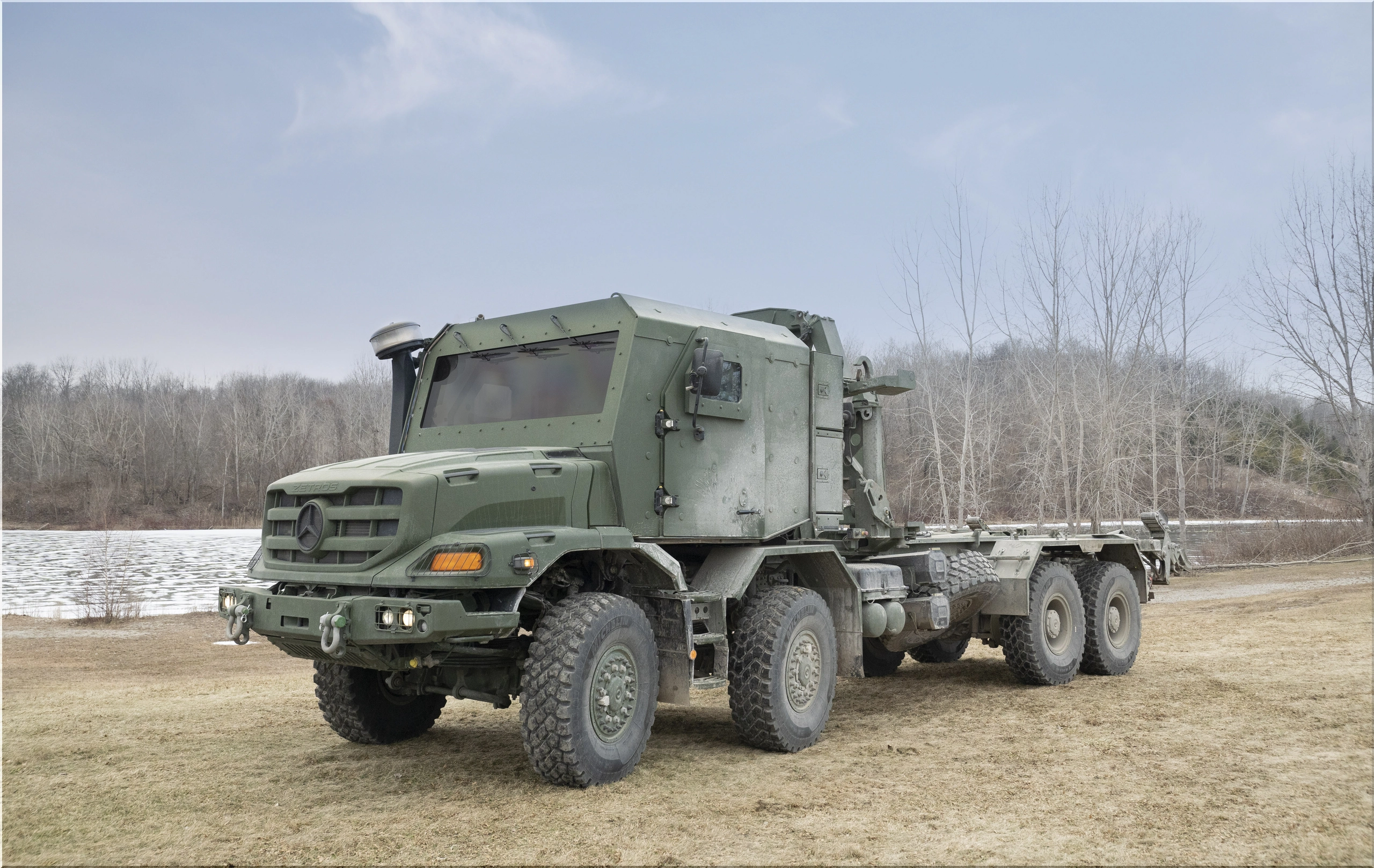
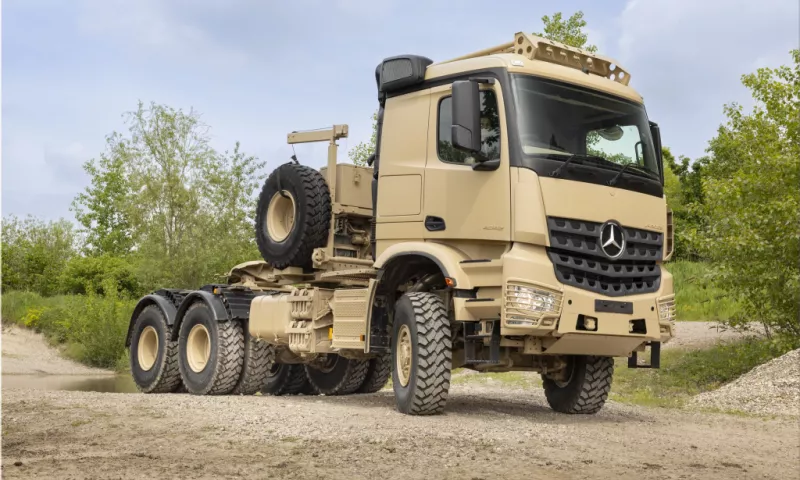
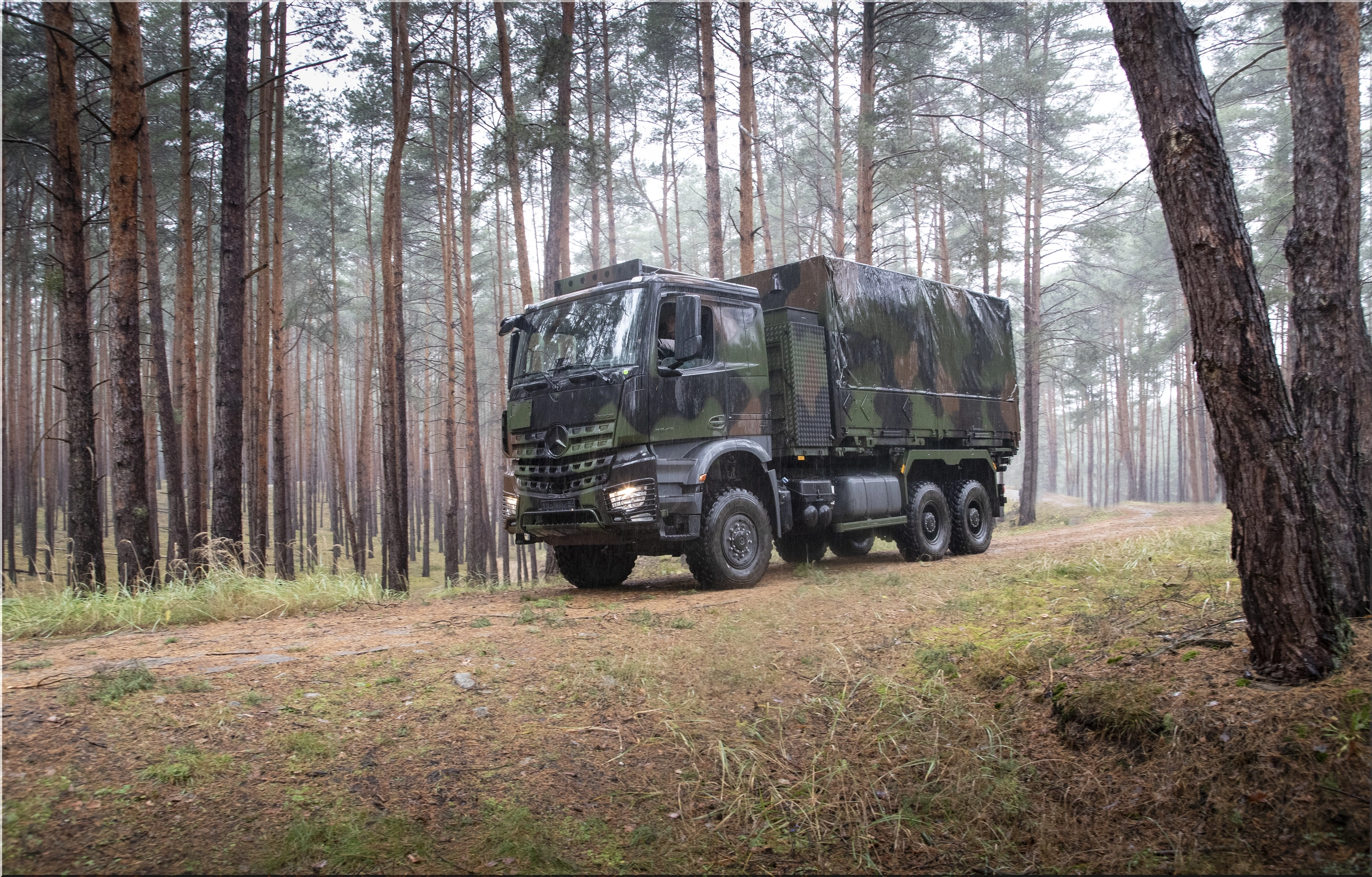
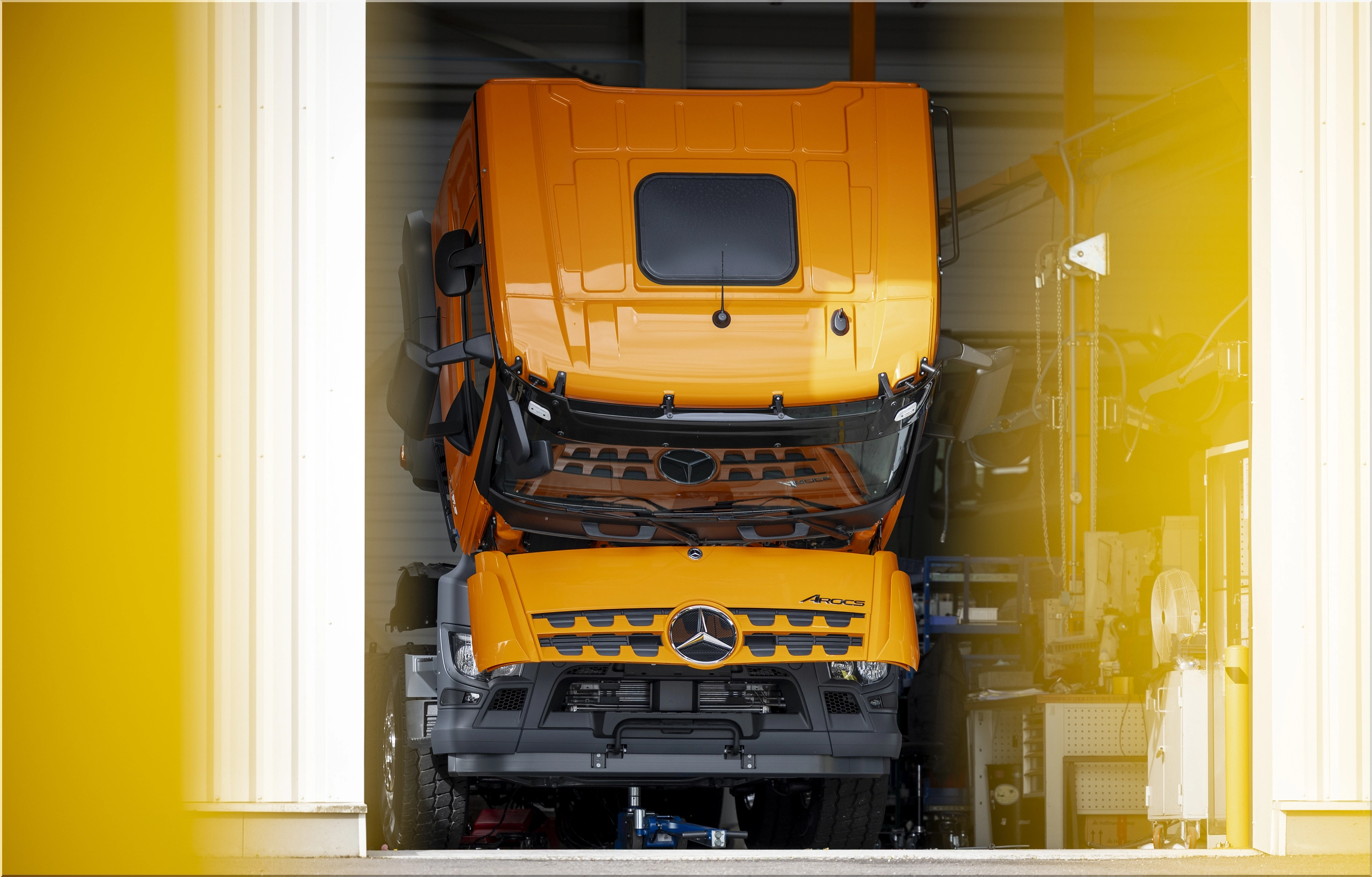
- Defense-spec Arocs 6x6 builds for the German Armed Forces.
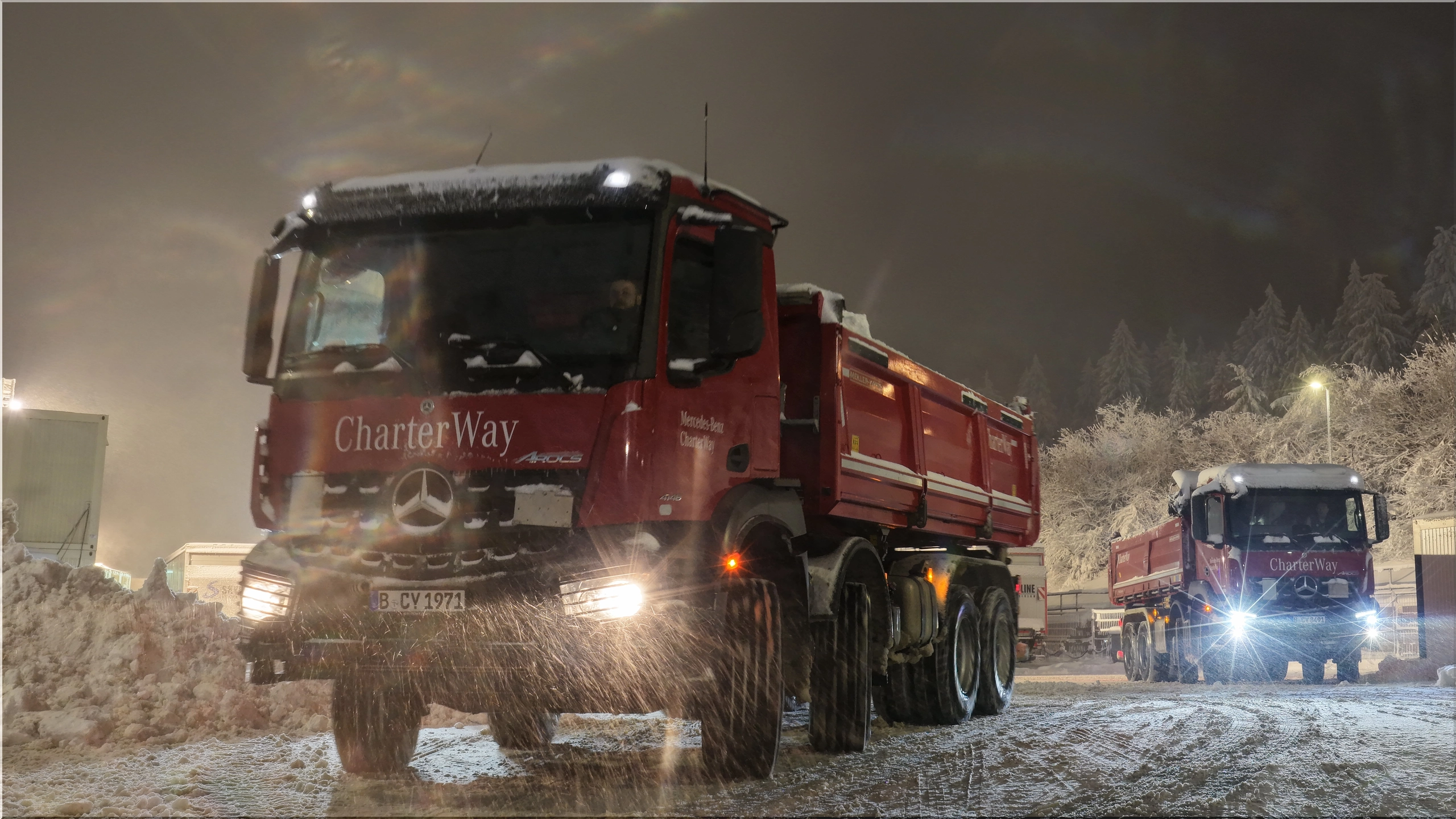
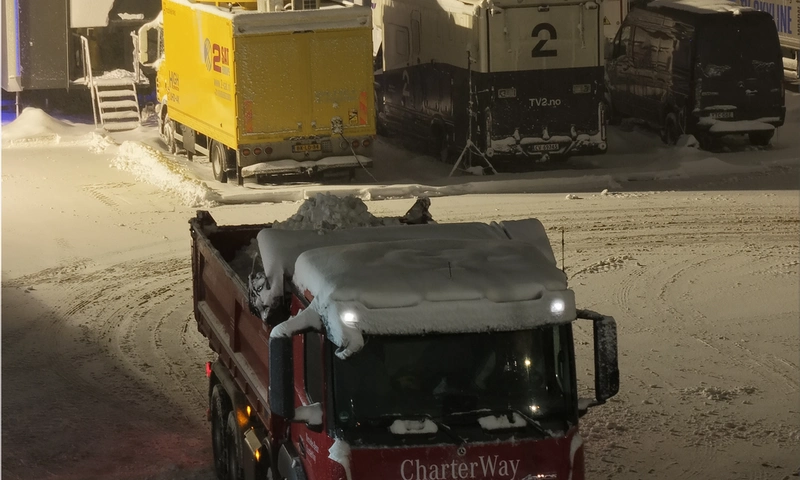
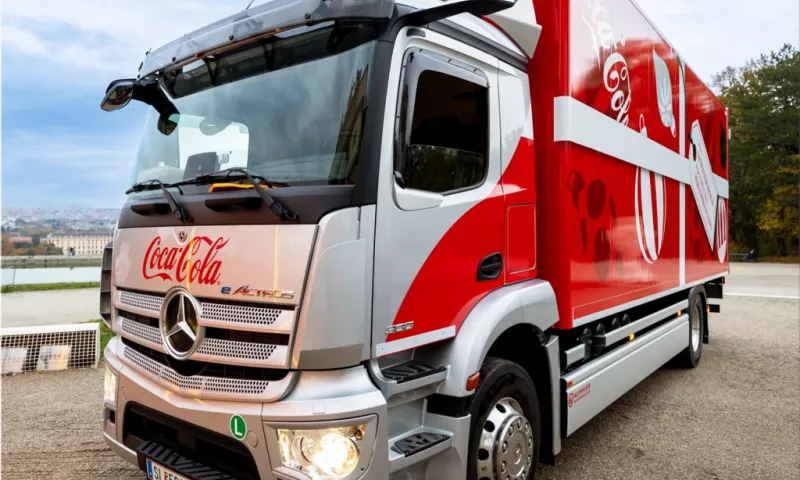
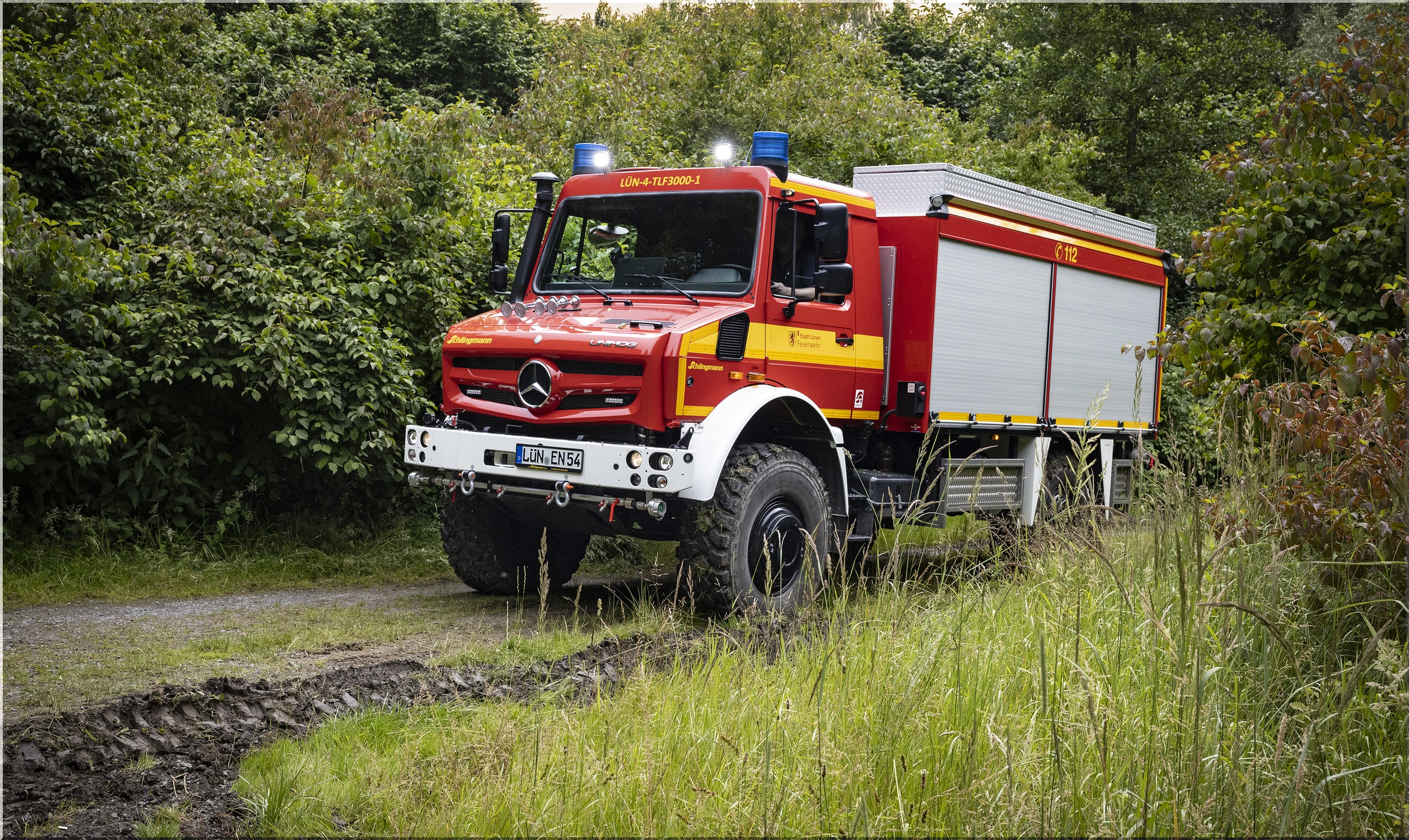
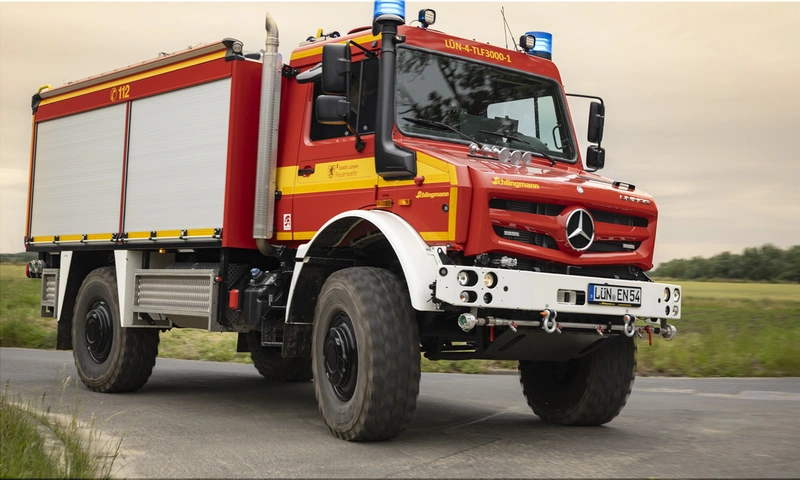
- Slim-cab Econic 2.40 m variants for Berlin waste management.
- Autobahn GmbH payload upgrades converting 2-axle trucks to 3-axle.
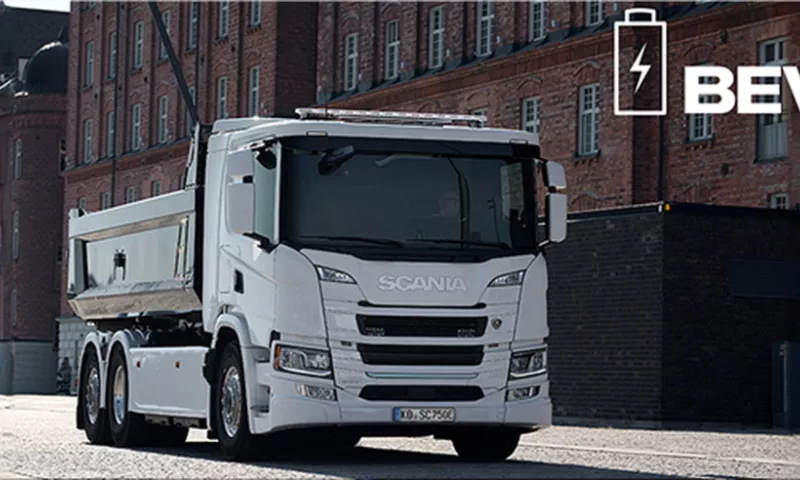
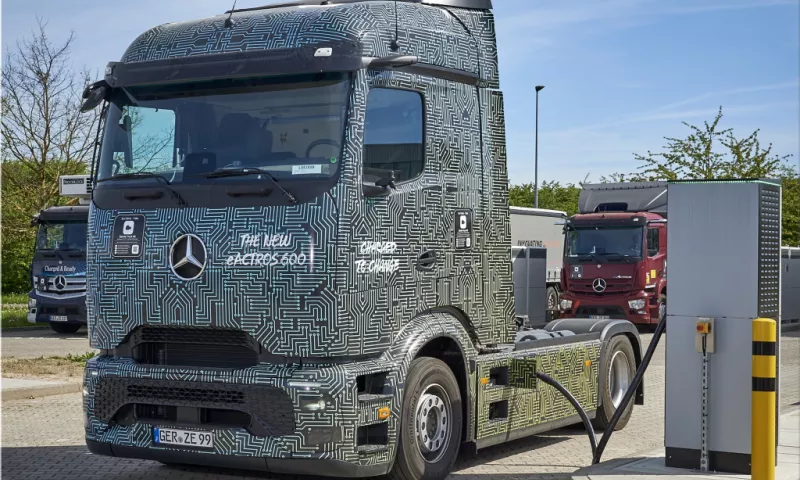
- Battery-electric support adaptations for unique duty cycles and body needs.
Each case follows the same rule. Use as many Mercedes-Benz Trucks series components as possible. That keeps the truck’s character consistent and protects spare parts availability.
Heavy-duty: where CTT proves its edge
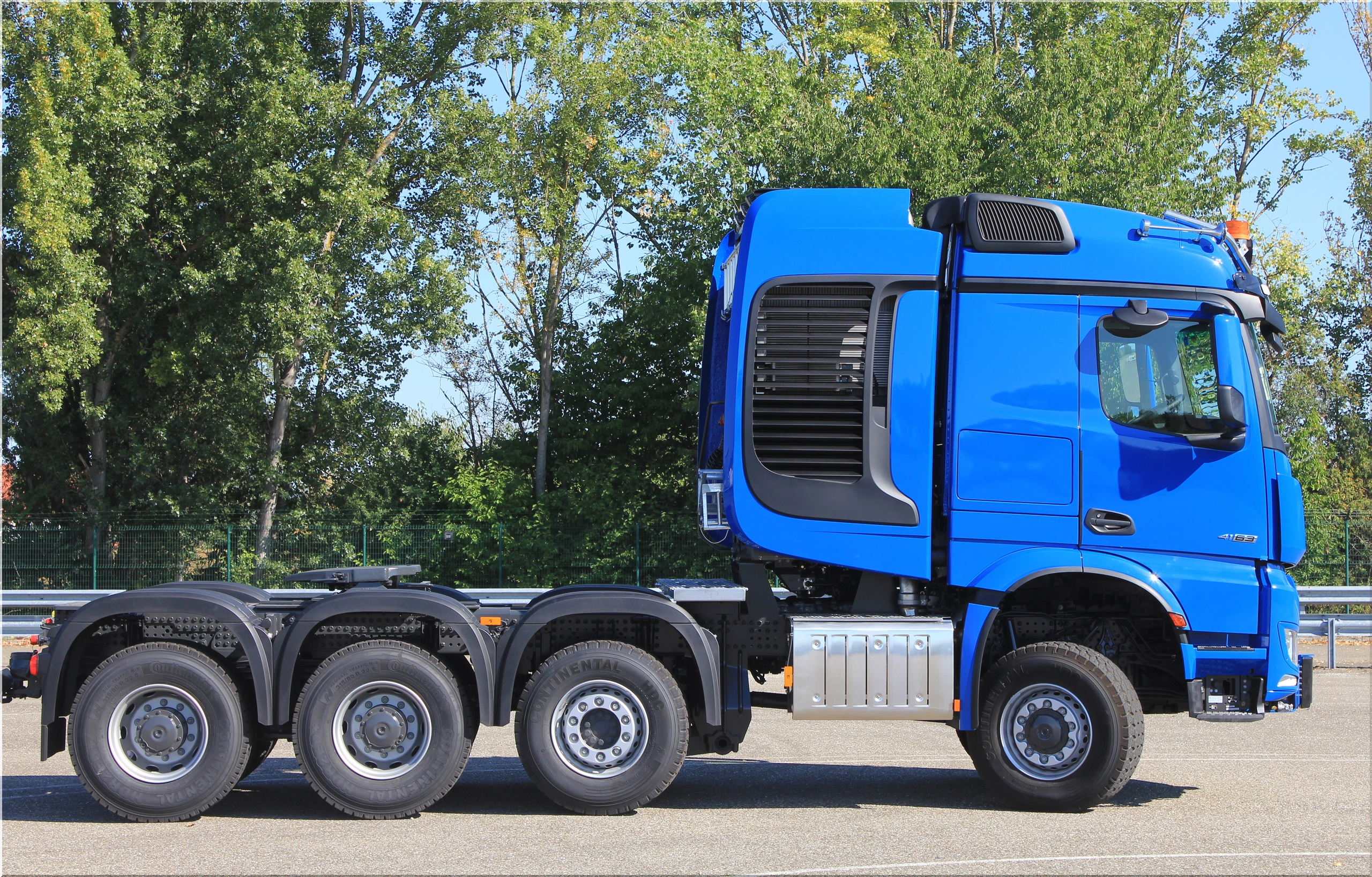
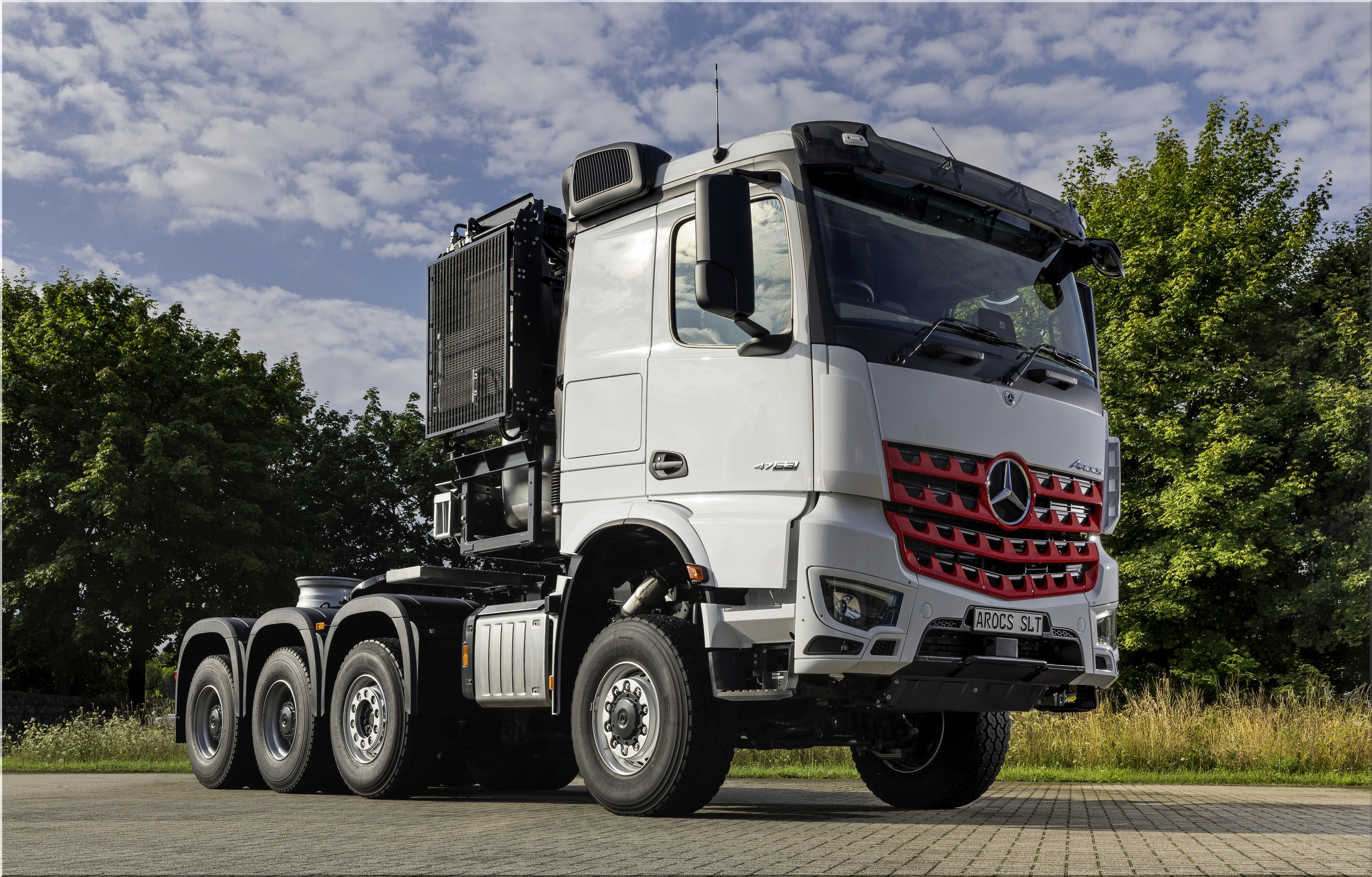
CTT shines in heavy-duty applications. The Actros 8x4/4 Full-SLT shows how. A base 3-axle Actros became a 4-axle unit with two driven axles, an 8-ton leading axle, and a rear frame with a 900-liter tank. A sliding fifth wheel improved axle load distribution.
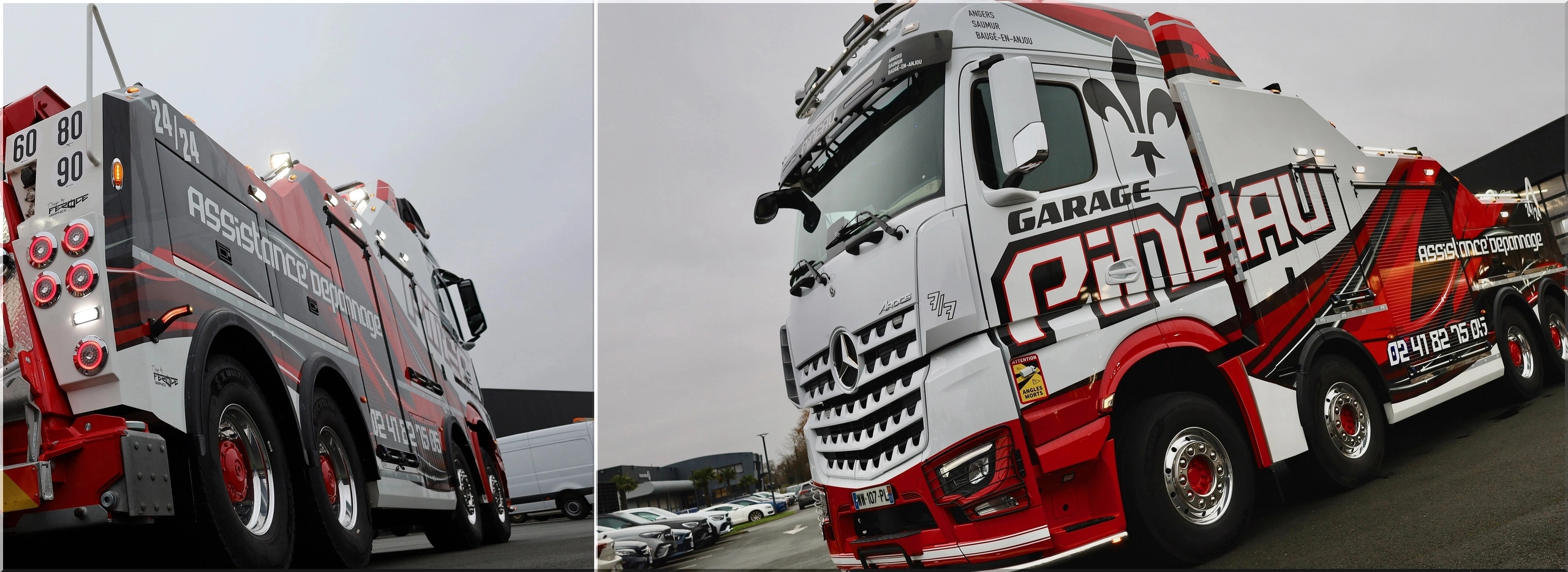
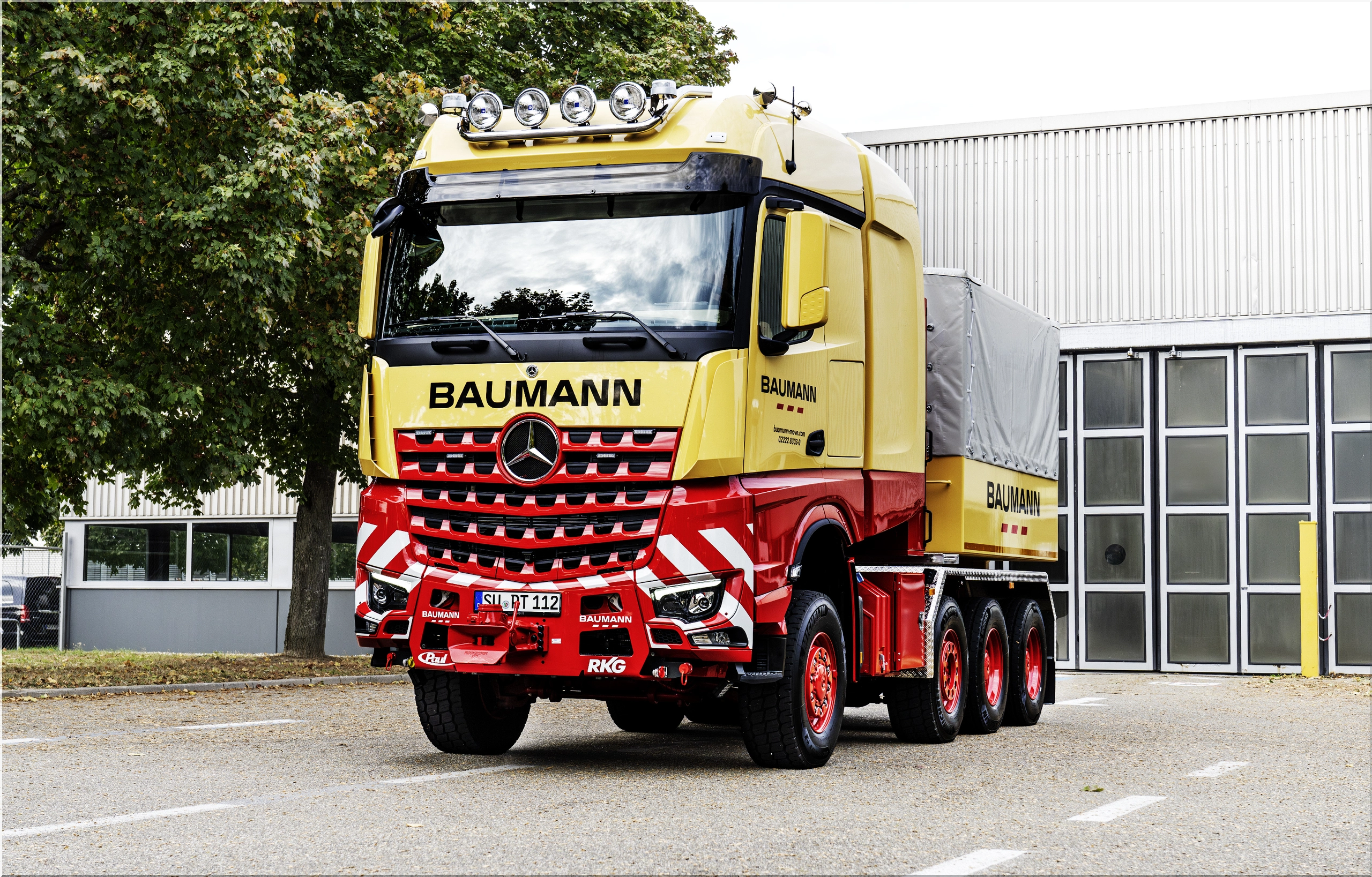
Another build, the Arocs SLT 4463 AS 8x6 for Baumann, added heavy-duty coupling, new cooling systems, a 900-liter fuel tank, and a cab swap. About 9,500 parts were replaced. The tractor now pulls a 1,000-ton trailer load.
Market-specific builds protect revenue
Markets differ. Regulations drive packaging. CTT’s Arocs 4763 8x6 for Japan meets the country’s 3.8 m height cap while maintaining performance. Municipal builds like 2.40 m Econic variants reduce risk in tight spaces and speed staff adoption.
Why the structure matters to buyers
- Lead-time risk: Distributed production across Molsheim, Wörth, and partners shortens delivery times.
- Service risk: Trucks use series components for strong service support.
- Engineering drift: Custom solutions feed back into series production.
What this says about Daimler Truck’s strategy
CTT strengthens Mercedes-Benz Trucks in non-standard use cases. It gives sales teams more options and builds a data loop between niche builds and series development. The approach also supports early electrification efforts by adapting trucks for unique duty cycles.
What buyers should ask before a CTT build
- Duty cycle: distance, grades, loads, idle time, temperatures.
- Axle loads: legal spreads and yard limits.
- Height and width: local caps like Japan’s 3.8 m.
- Cooling needs: continuous retarder use may need extra cooling.
- Fuel and fluids: size 900-liter tanks based on range.
- Service path: map authorized workshops.
- Parts policy: maximize series components.
Actionable takeaways for fleets and upfitters
- Use CTT to win contracts competitors cannot handle.
- Convert a 2-axle unit to 3-axle to hit new payload targets.
- Standardize around series parts to improve uptime.
- Document local regulations early.
- Share telematics data to improve future builds.
What the anniversary signals for competitors
- Dedicated sites for conversions, not ad-hoc bays.
- Partner networks to speed throughput.
- Feedback loops from custom to series.
- Authorized service using series parts.
Risks and how CTT mitigates them
- Scope creep: modular conversion menus control complexity.
- Homologation delays: market-specific experience shortens approvals.
- Service fragmentation: series components keep service predictable.
- Supply constraints: network footprint smooths spikes.
Outlook: custom as a profit lever
Expect more electric conversions, municipal builds, and heavy-duty solutions. CTT can absorb the mix and keep trucks serviceable. The 25-year mark proves process maturity.
What to watch next
- New repeatable packages moving into series.
- More height/width builds for dense cities.
- Improved cooling and power modules.
- Expanded EV integrations for various sectors.

Bottom line
Custom pays when the conversion unlocks jobs you cannot bid on today. CTT lowers the risk by keeping the Mercedes-Benz Trucks backbone intact. The network adds speed. The service path protects uptime. The feedback loop compounds gains. For fleets with edge-case needs, this is a practical growth tool.
- Add new comment
- 148 views