
Range Rover Electric Arrives With 550 PS and a €179,500 Price
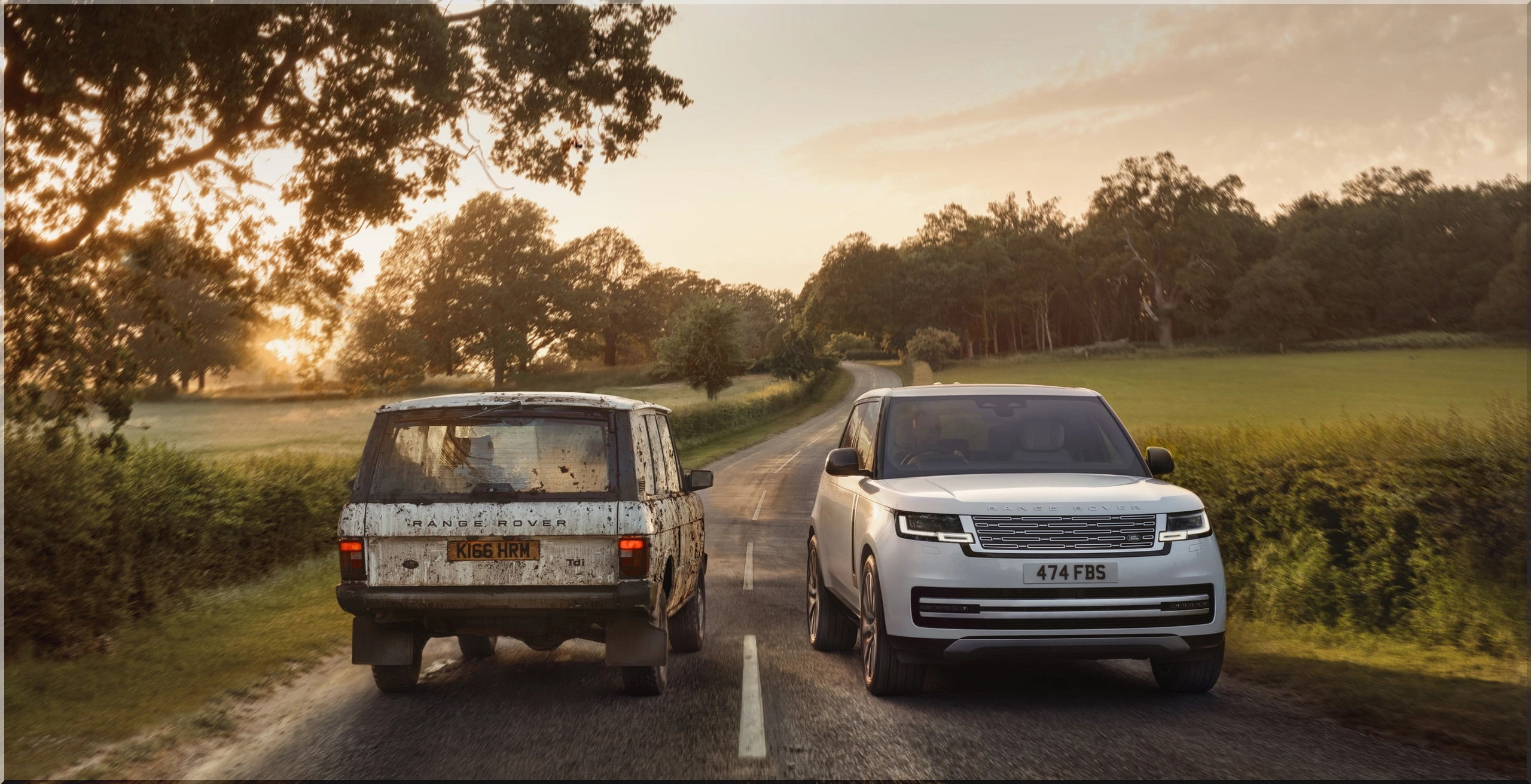
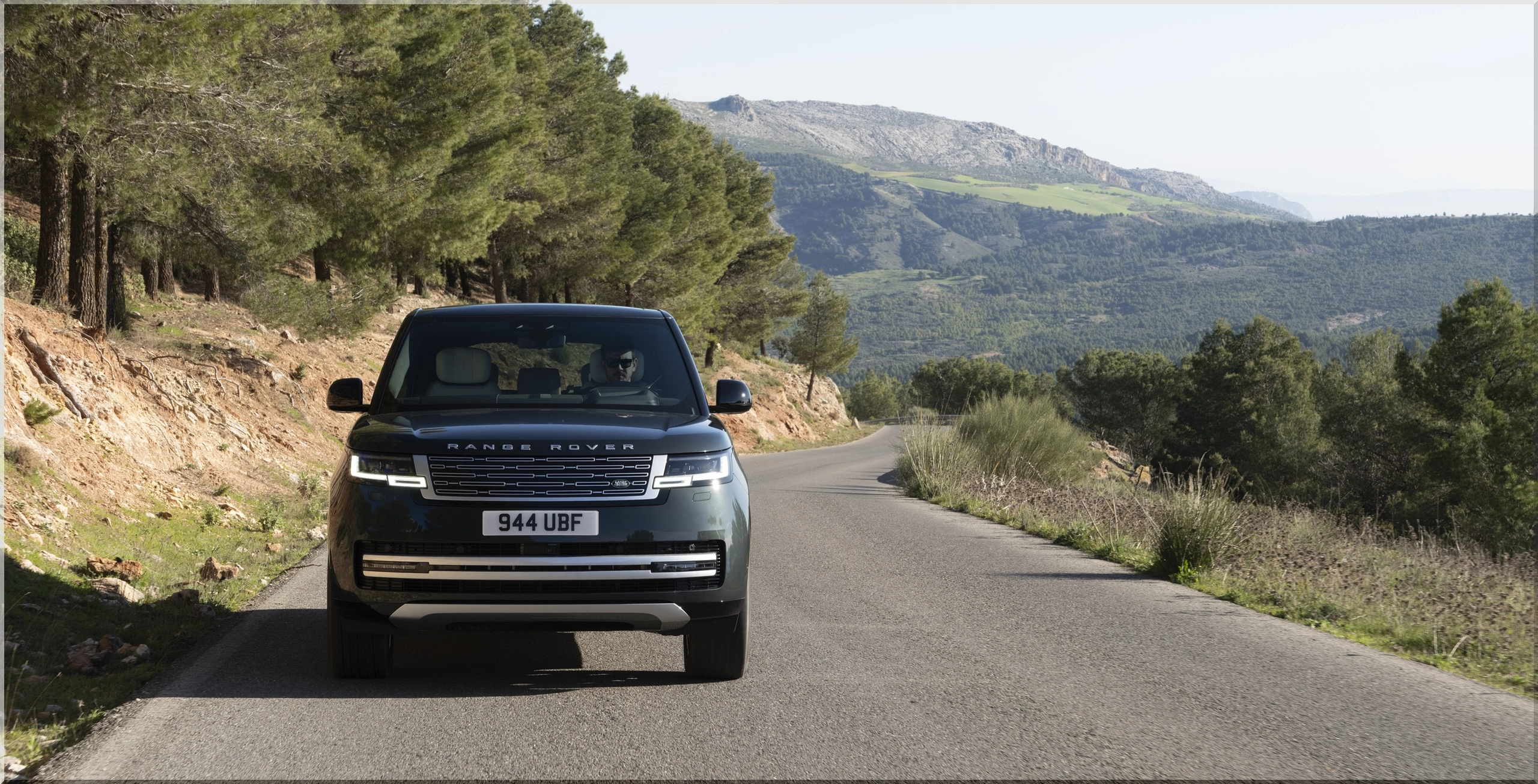
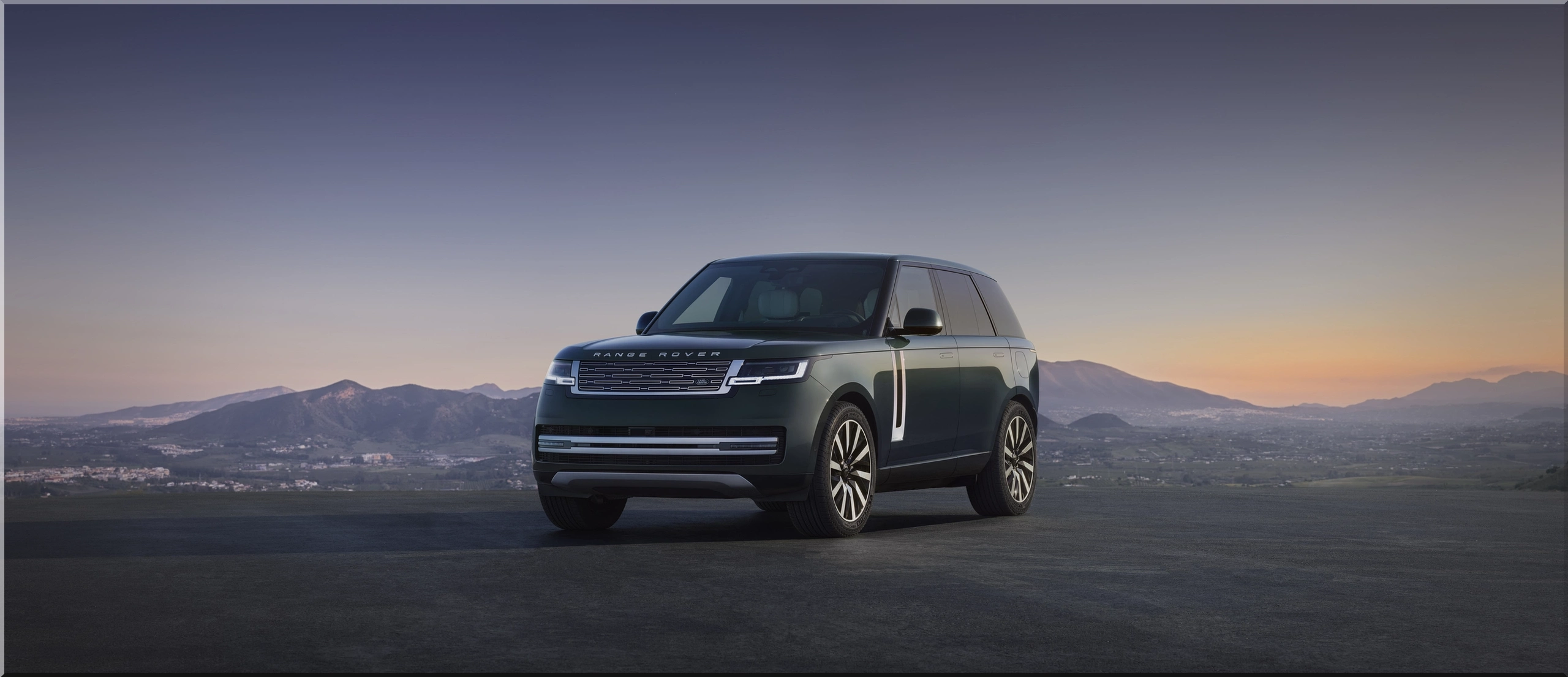
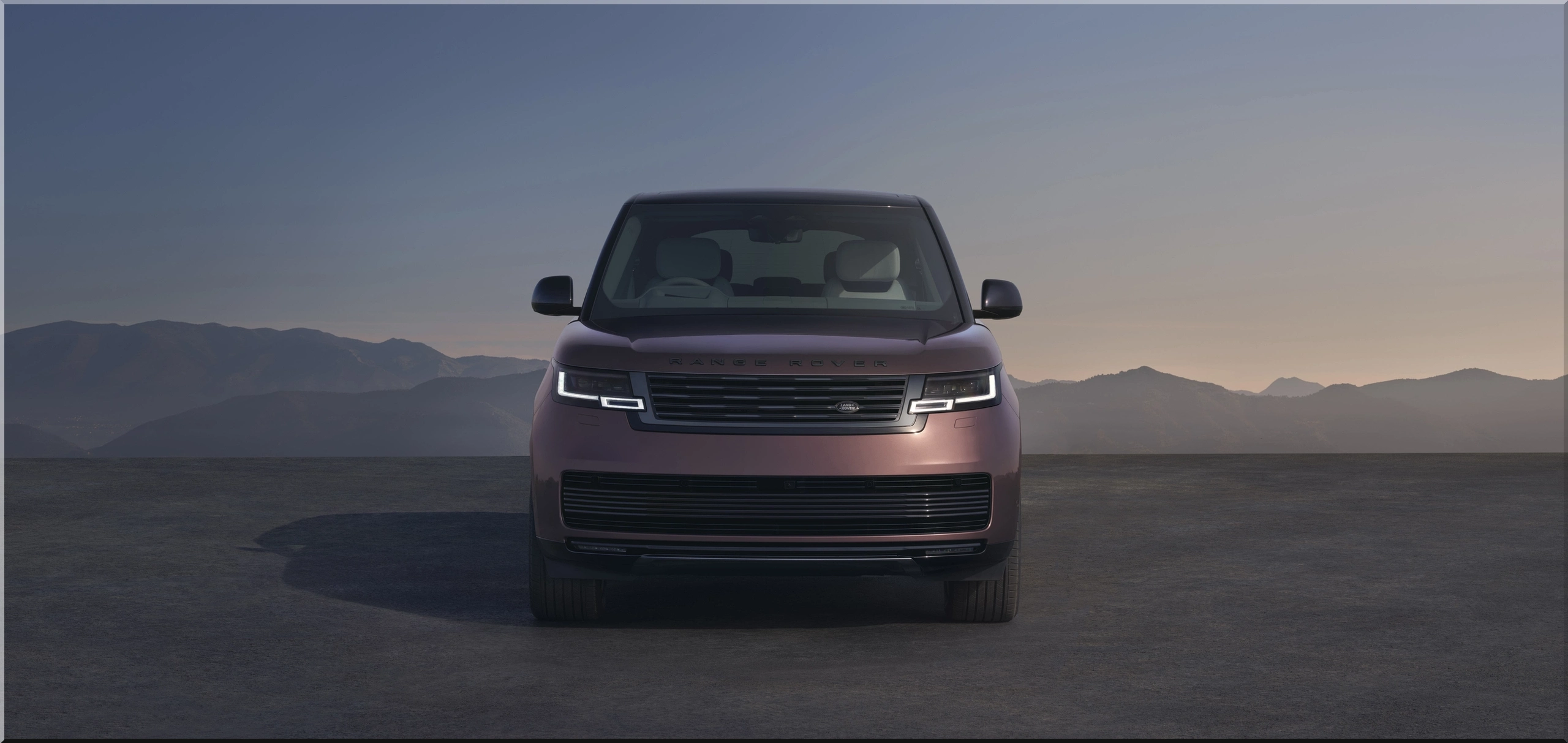
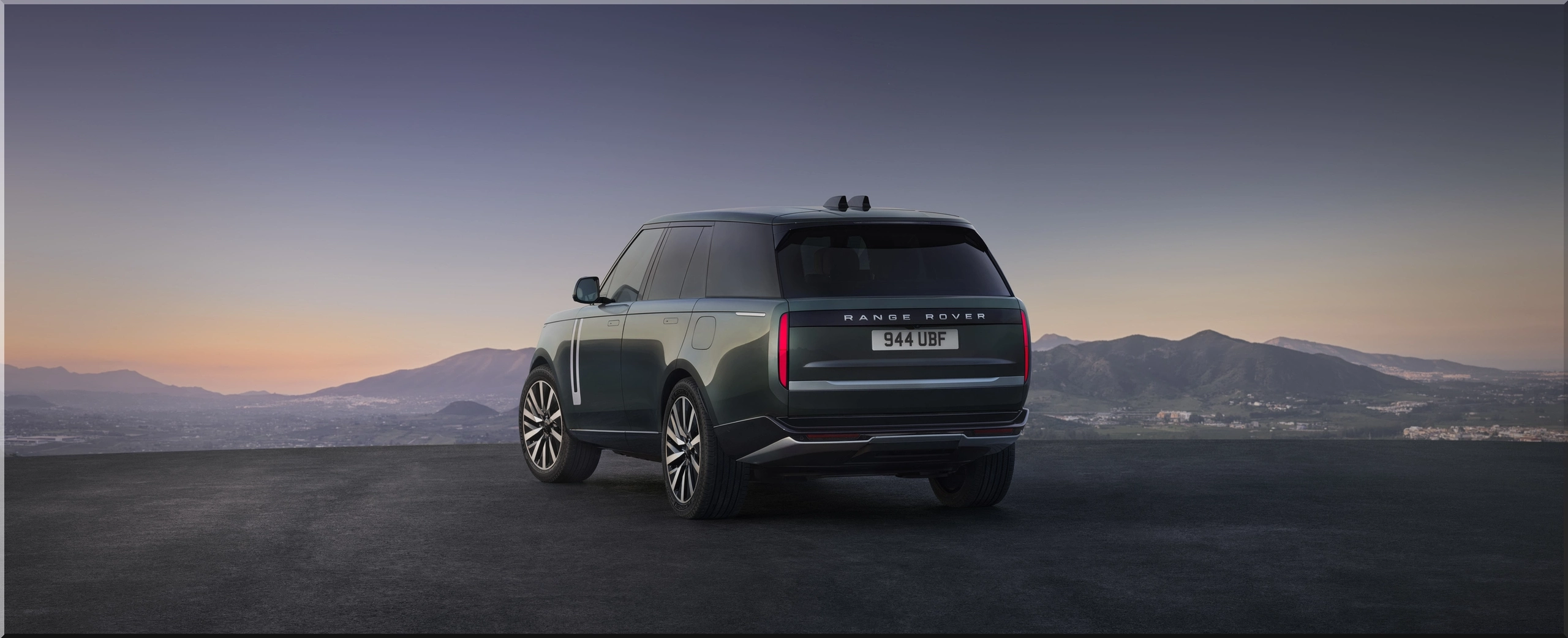
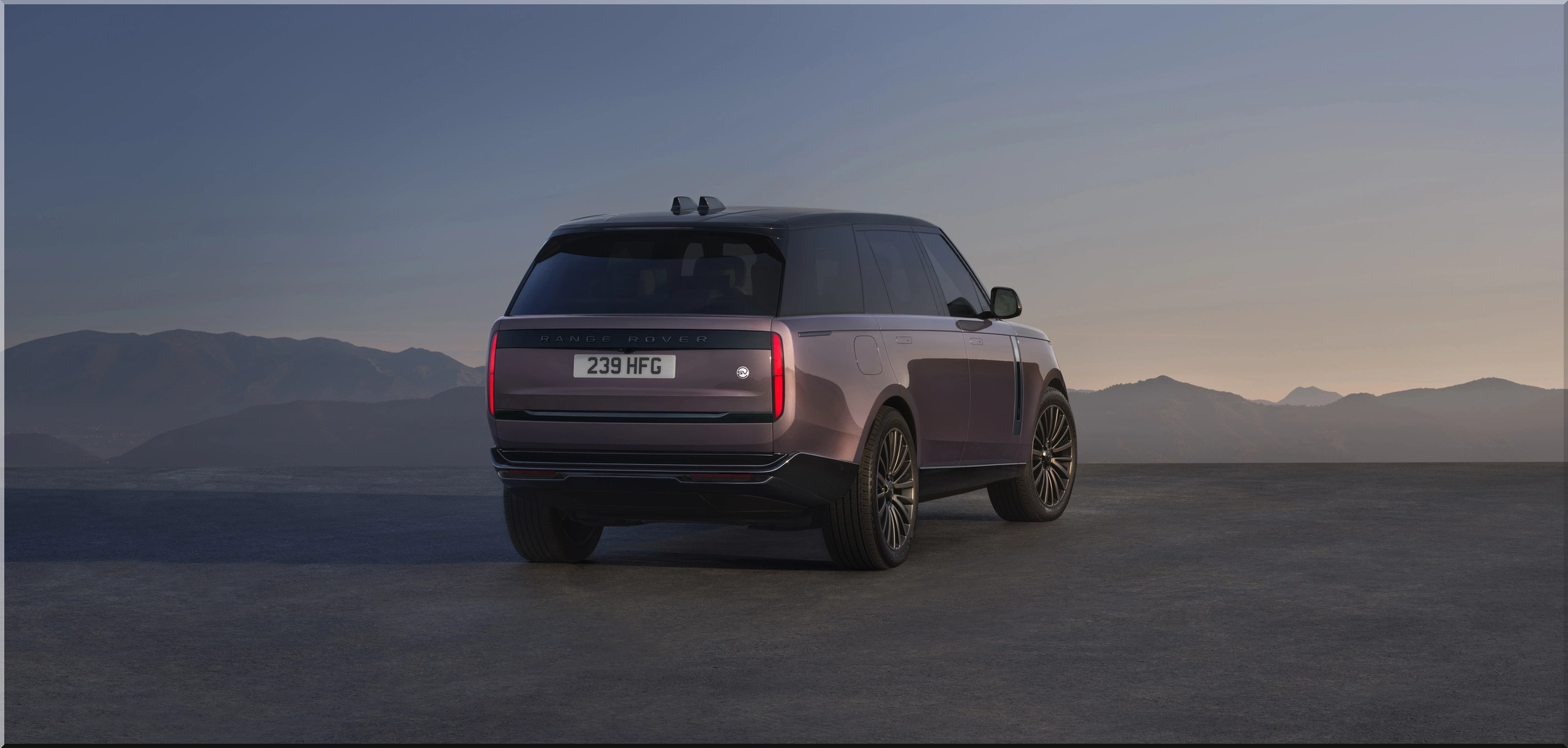
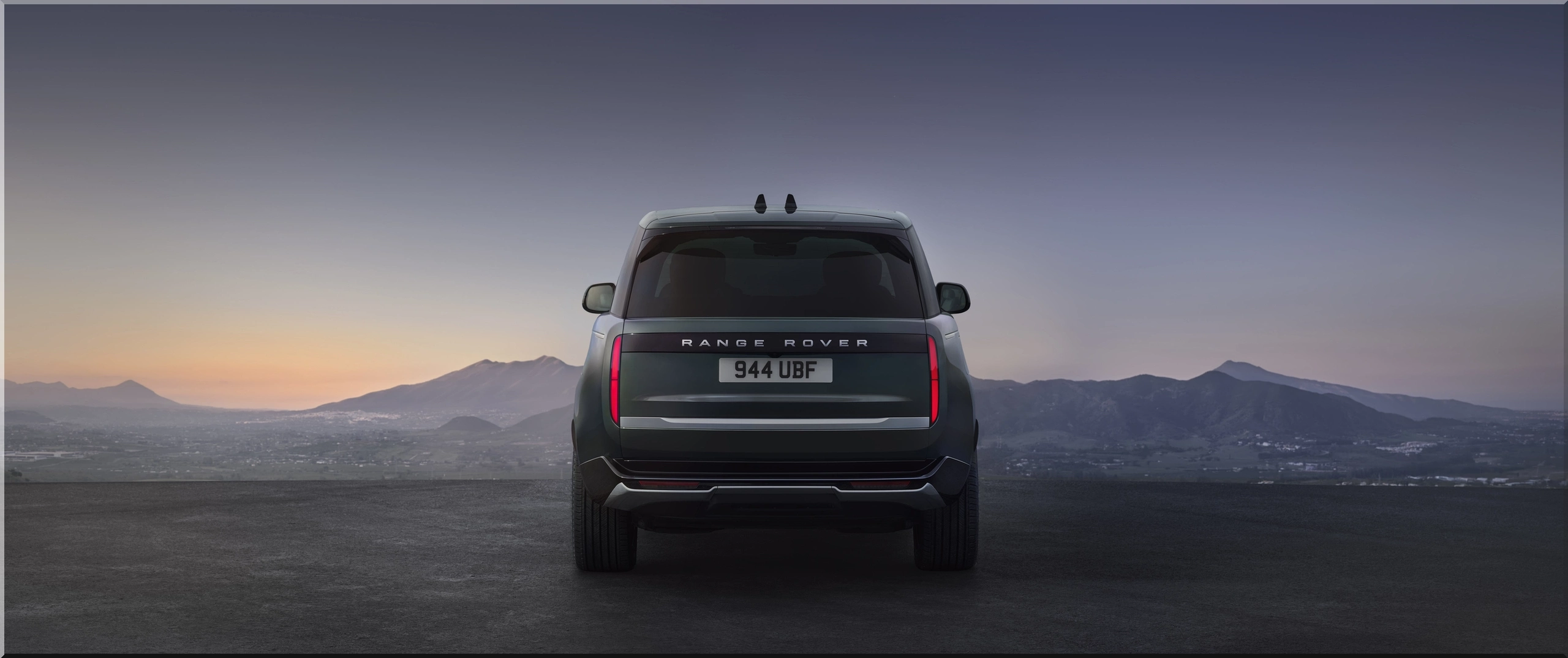
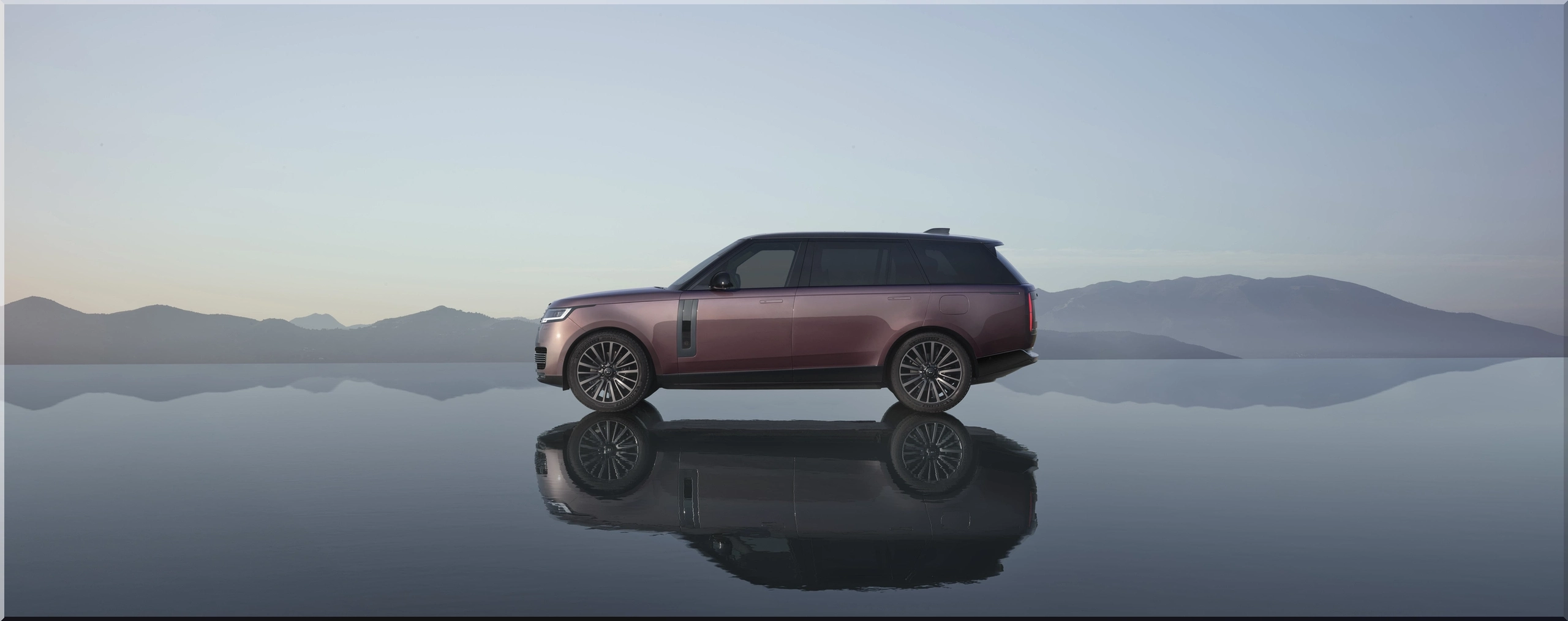
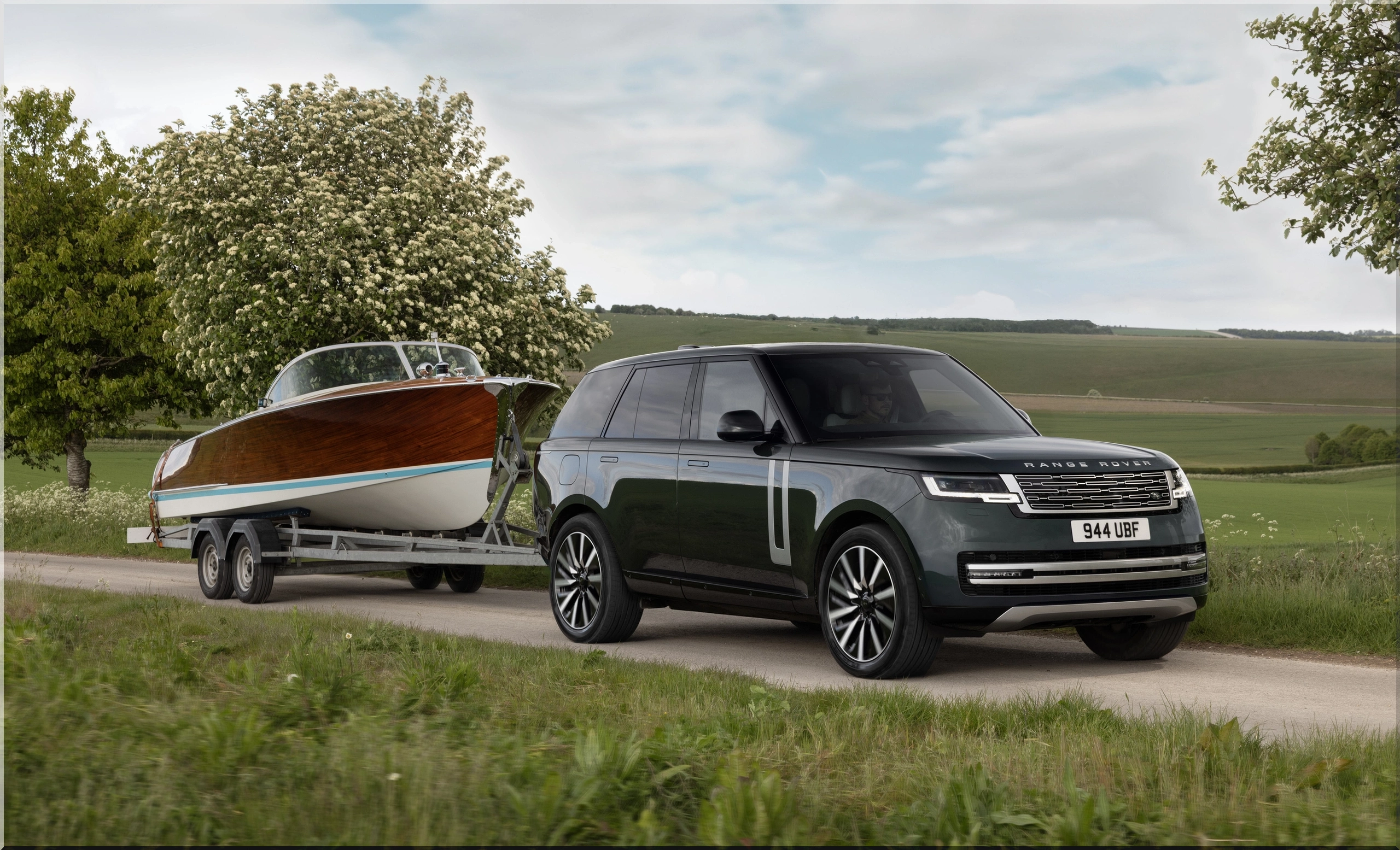
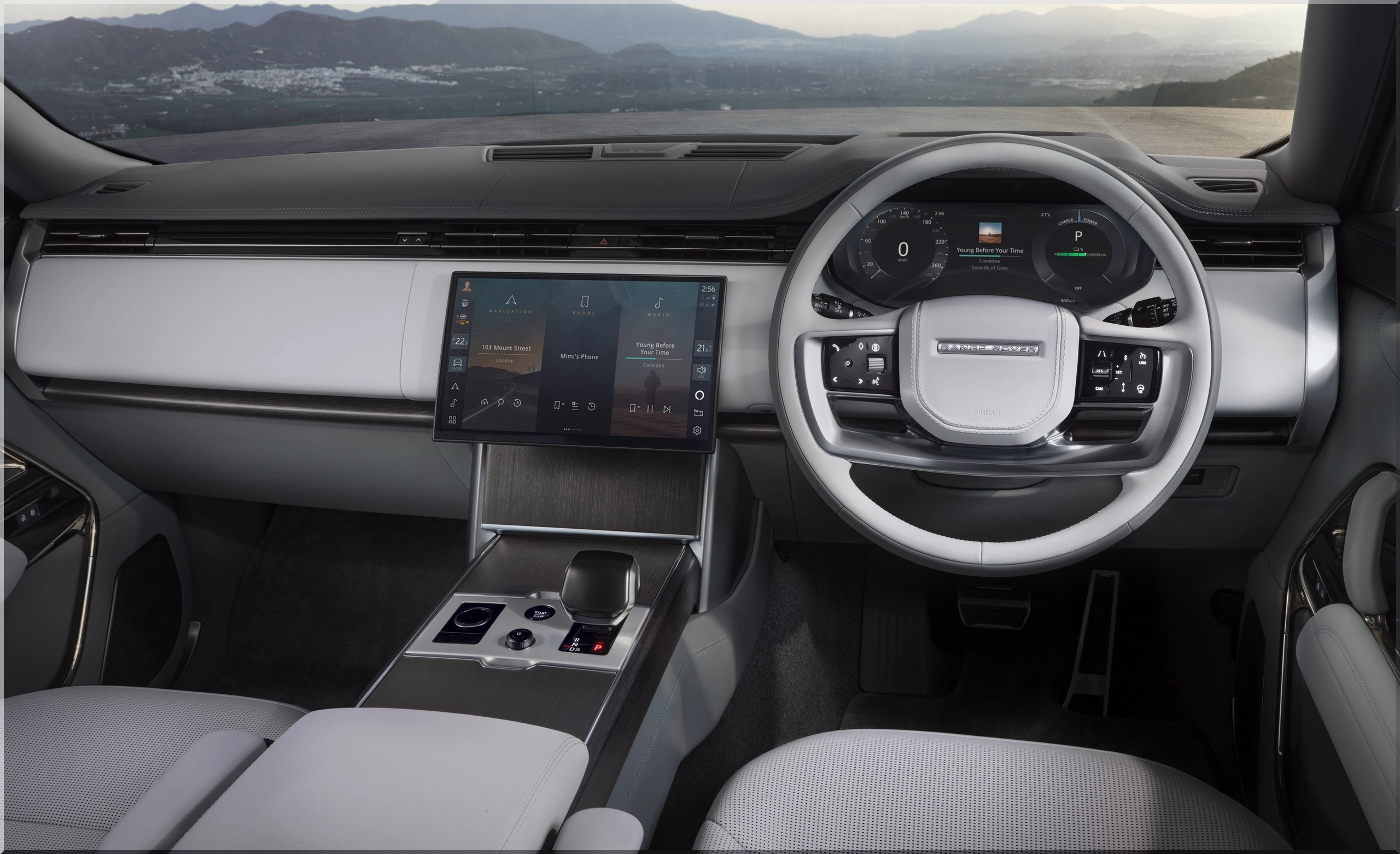
The 2027 Range Rover Electric has entered production reality. Order books are open. That price buys serious hardware. Twin electric motors, a 118.5 kWh usable battery and an 800-volt electrical system give the battery-powered Range Rover the output, charging speed and off-road control expected from JLR's luxury flagship electric SUV.
Image
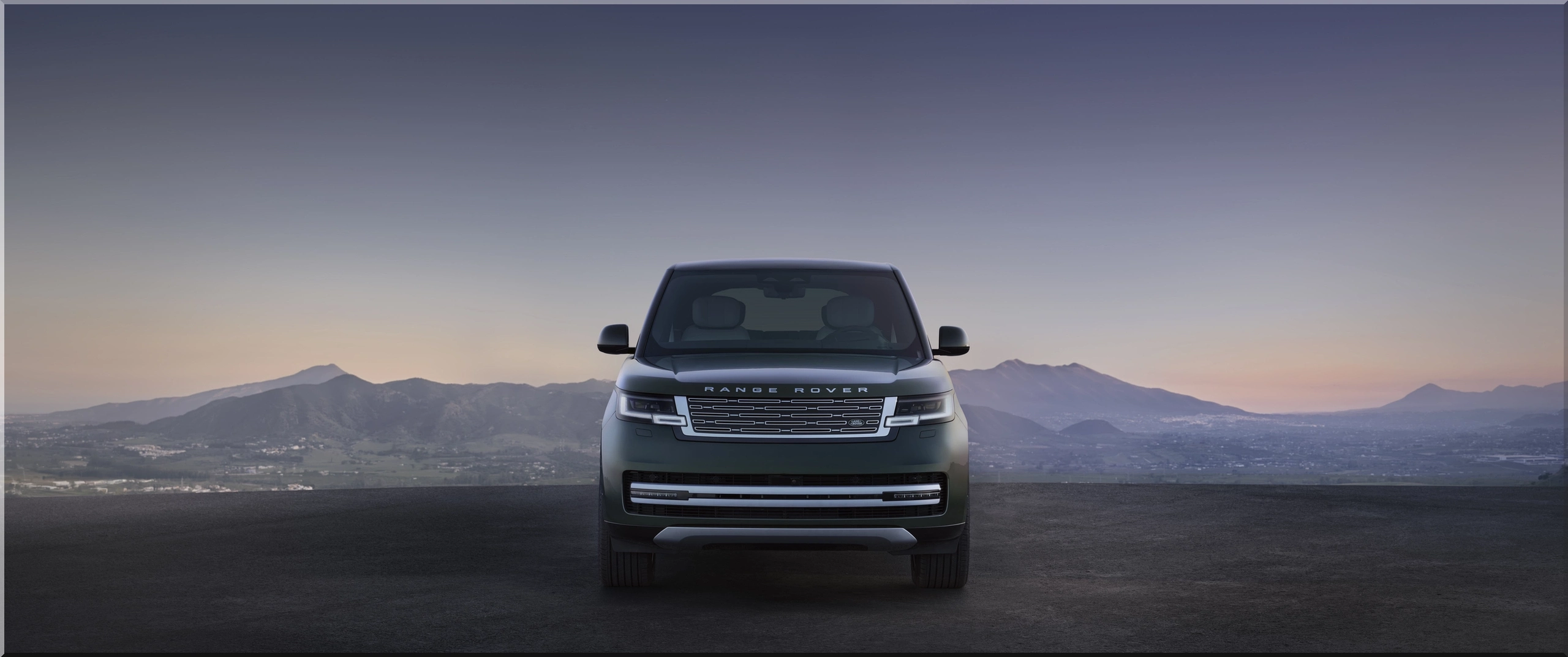
Range Rover Electric Performance and Range
Each axle receives a 260 kW permanent-magnet motor. Combined output reaches 550 PS, while the system delivers 850 Nm of torque without waiting for engine speed or transmission downshifts.
| Specification | Range Rover Electric |
|---|---|
| Combined power | 550 PS |
| Maximum torque | 850 Nm |
| Usable battery capacity | 118.5 kWh |
| Battery cells | 344 prismatic cells |
| WLTP range | Up to 599 km |
| Estimated real-road range | Up to 535 km |
| 0-97 km/h | 4.3 seconds |
| 80-121 km/h | 2.7 seconds |
Looking at the data, the estimated real-road figure equals roughly 89 percent of the maximum WLTP electric range. That provides a more useful planning number for buyers who regularly cover long motorway distances.
Image
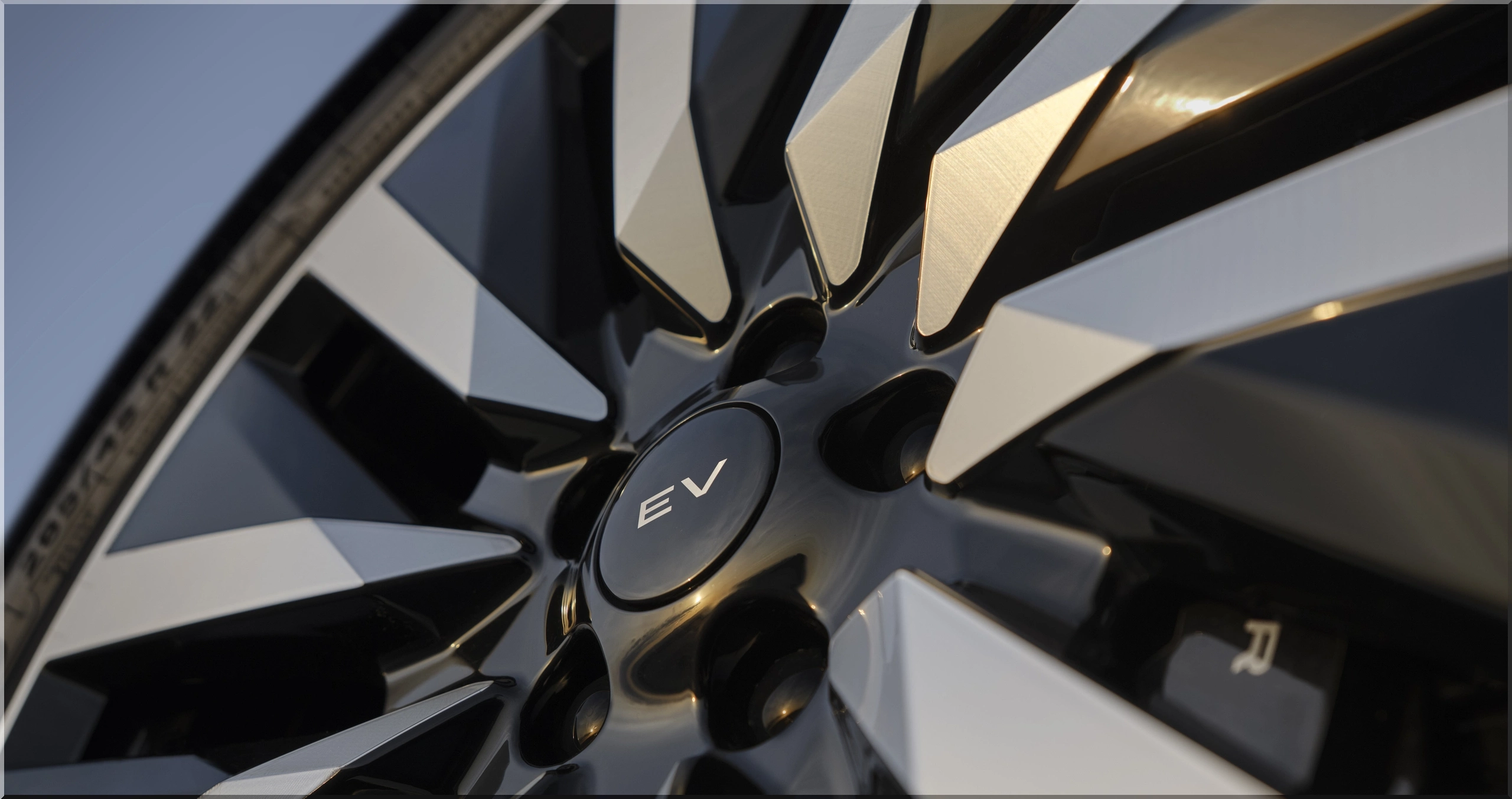
Silicon-carbide semiconductors allow the motors to switch electrical current in microseconds. Specifically, JLR claims its motor design produces 20 percent more torque than similarly sized units, supporting rapid response without fitting larger, heavier drive units.
800-Volt Charging Cuts Waiting Time
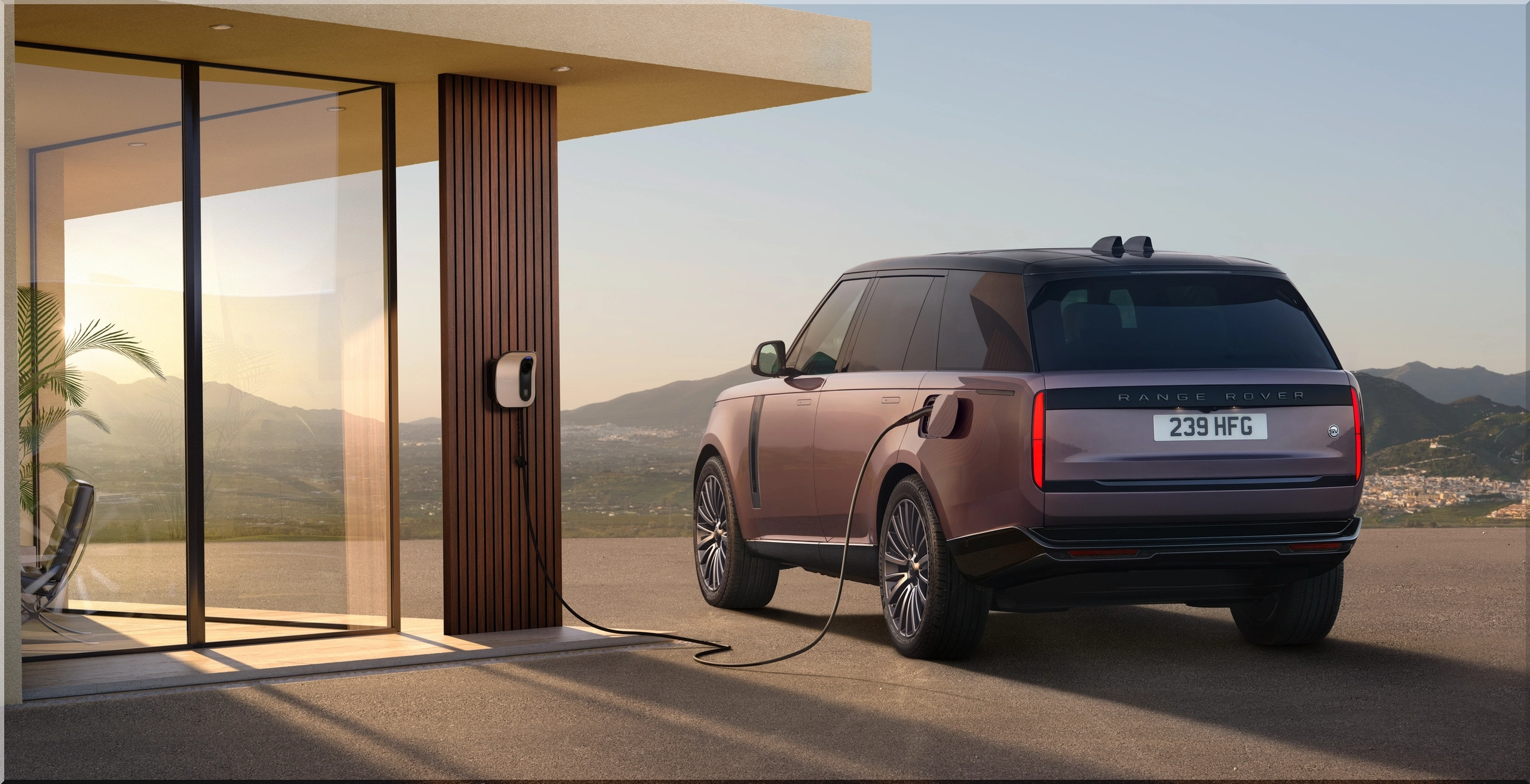
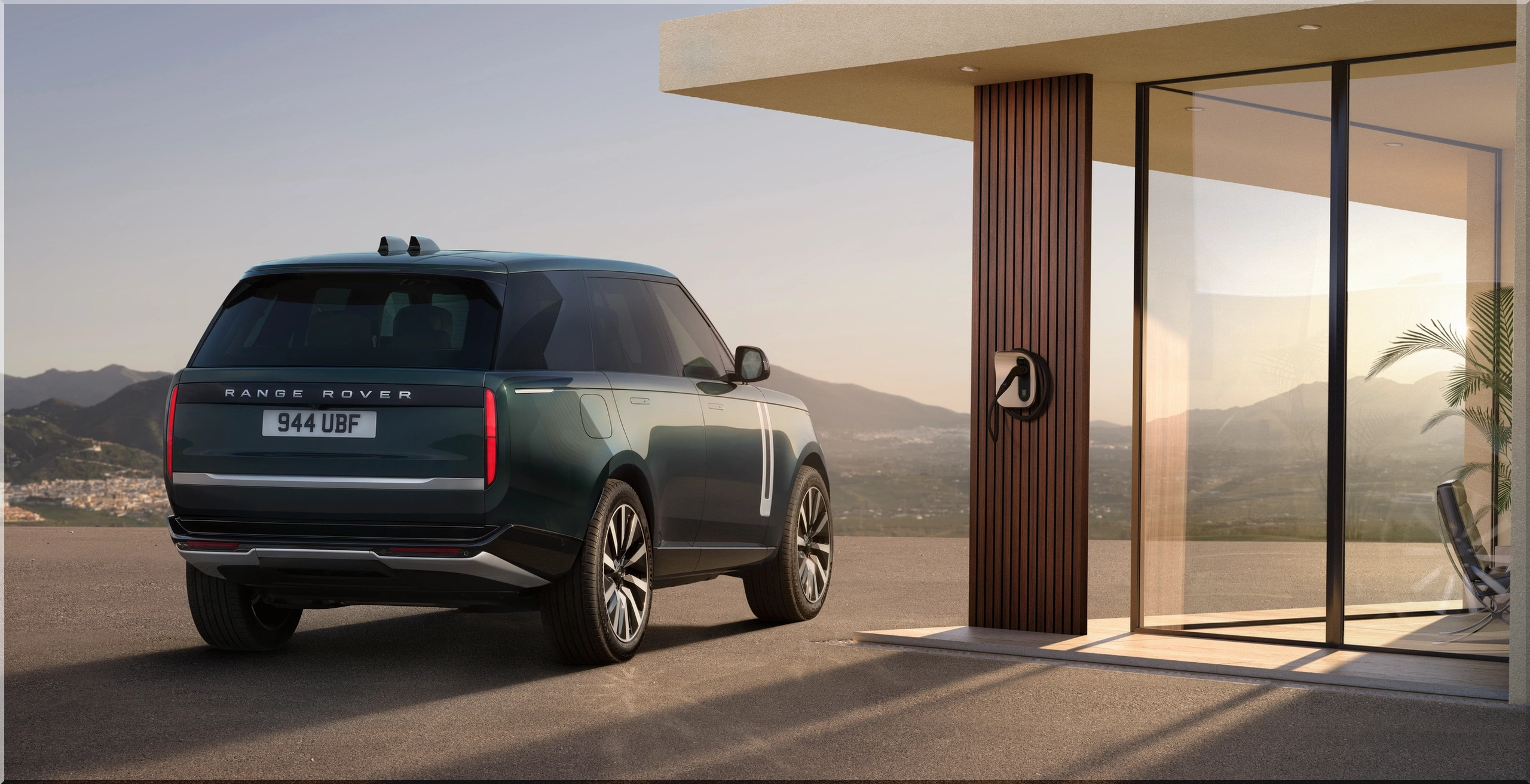
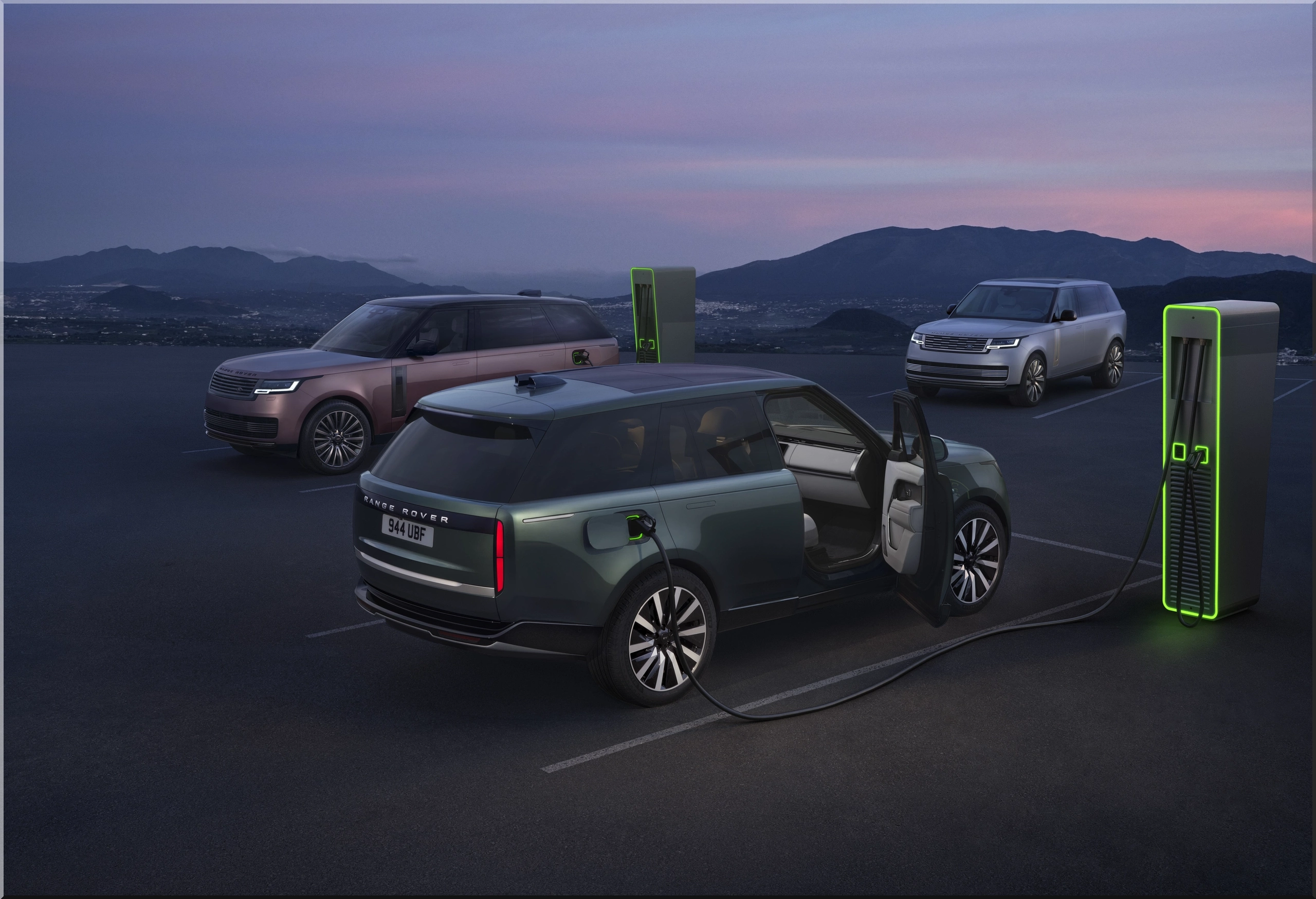
The double-stacked battery uses an 800-volt charging system and split-charging capability. On a compatible 350 kW DC charger, the battery can move from 10 to 80 percent in approximately 22 minutes.
- A 10-minute charging stop can add up to 220 km.
- ThermAssist heat management can recover up to 40 km of range.
- The system can reduce cabin-heating energy consumption by 40 percent.
- An eight-year or 160,934 km propulsion warranty covers the electric hardware.
Consequently, battery temperature control affects much more than winter comfort. It supports charging speed, usable range and long-term cell health across temperatures from minus 40 degrees Celsius to 90 degrees Celsius.
How It Compares With Luxury Electric SUVs
| Model | Usable battery | Maximum range | Maximum torque | Water depth |
|---|---|---|---|---|
| Range Rover Electric | 118.5 kWh | 599 km WLTP | 850 Nm | 900 mm |
| BMW iX xDrive60 | 109.1 kWh | 701 km WLTP | 765 Nm | Not rated |
| Mercedes EQS SUV 450+ | 118 kWh | Around 700 km WLTP | 568 Nm | Not rated |
| Cadillac Escalade IQ | About 205 kWh | Around 740 km estimated | 1,064 Nm | Not rated |
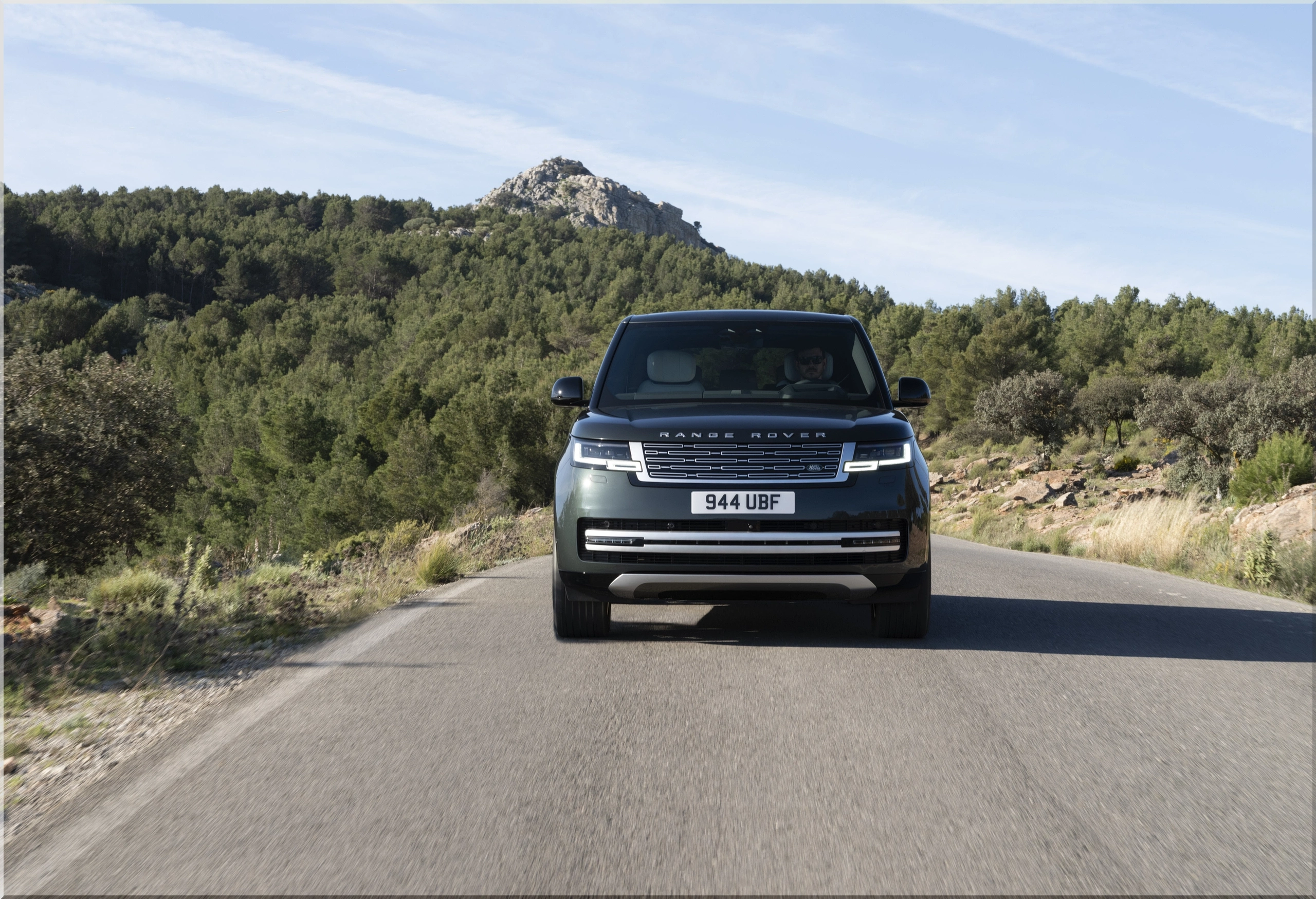
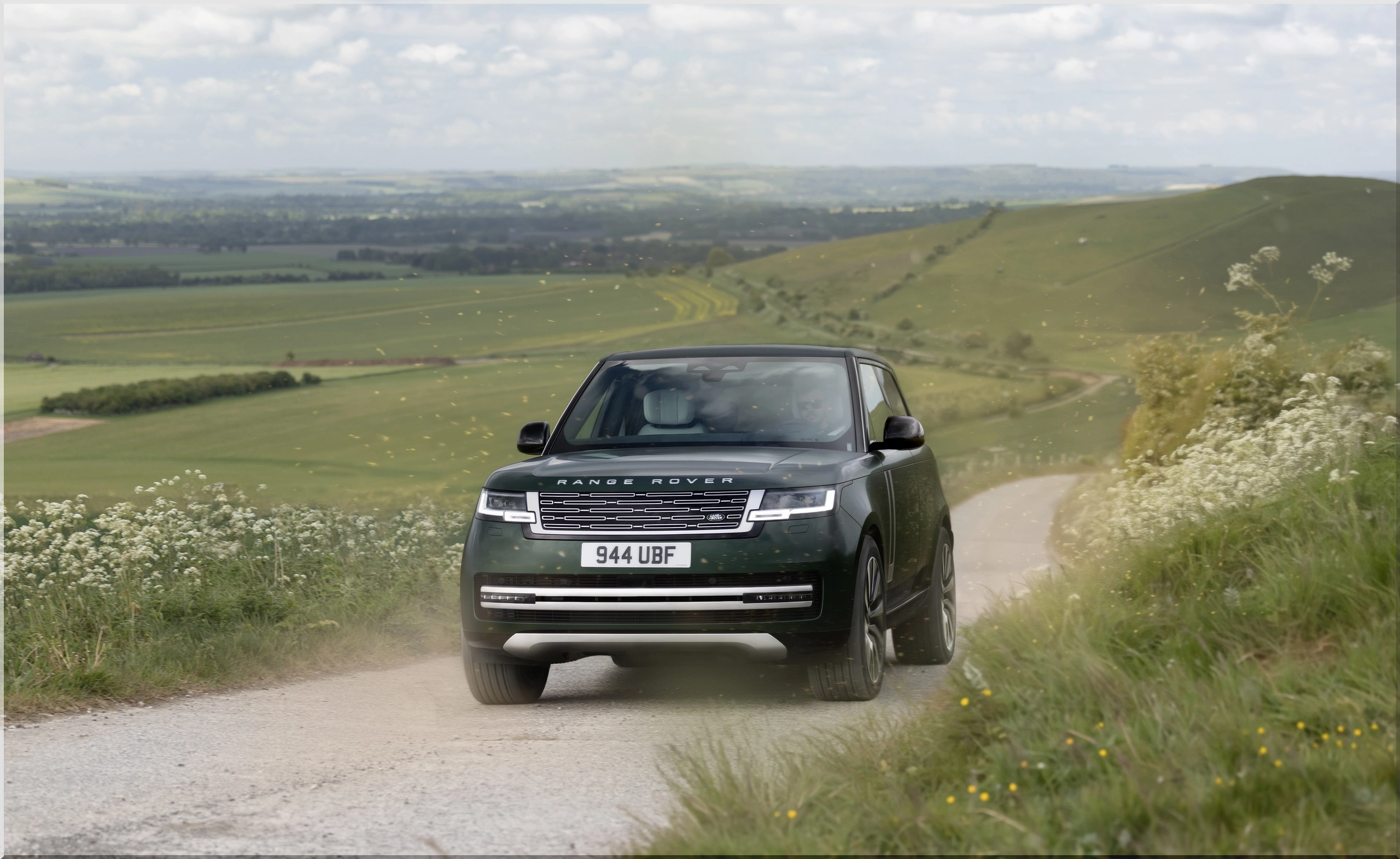
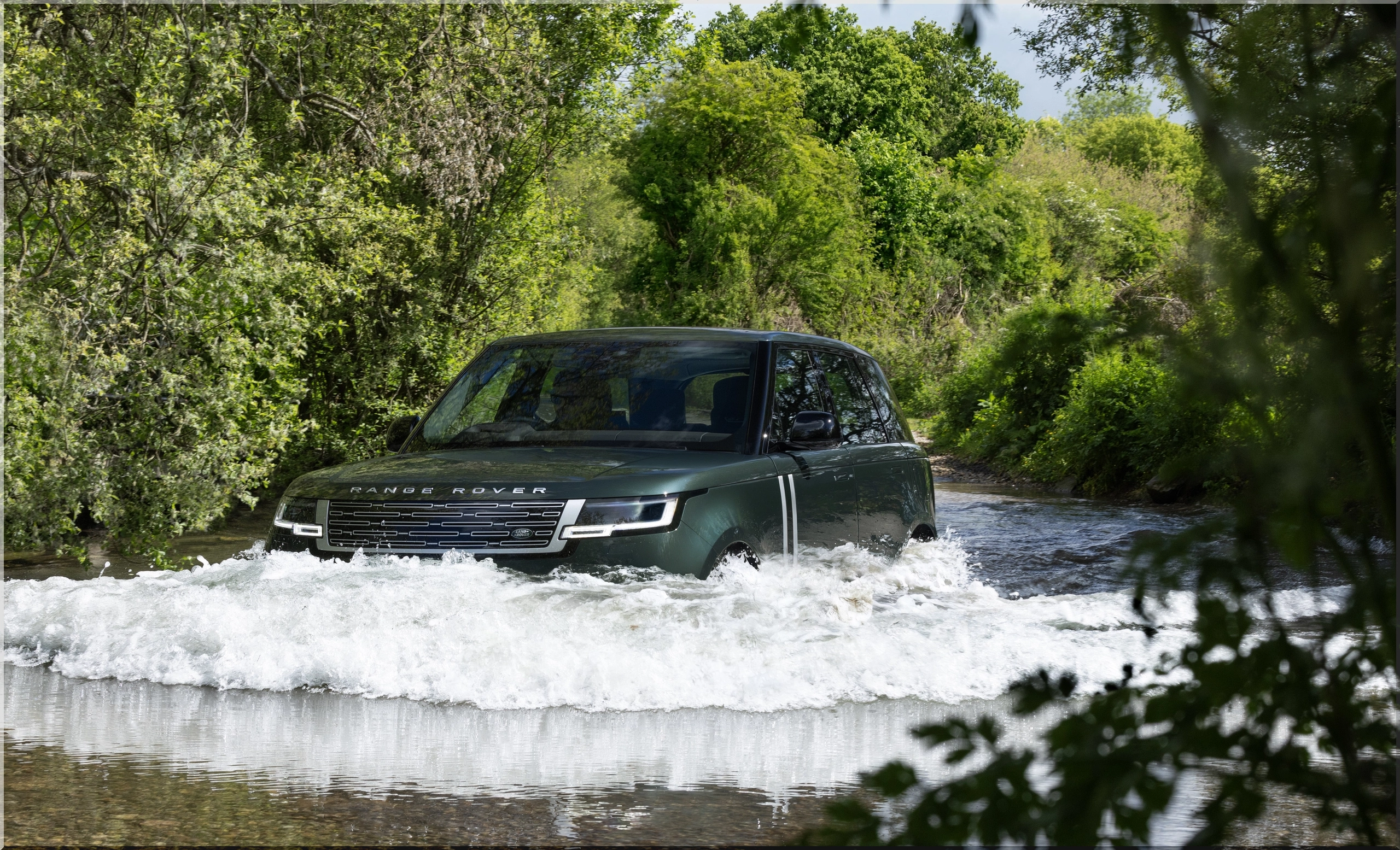
By comparison, the Range Rover gives away road range to the BMW iX and Mercedes EQS SUV. It counters with deeper off-road engineering, including 900 mm wading capability, rear torque distribution from 100 percent to zero and motor-speed correction within 50 milliseconds.
Image
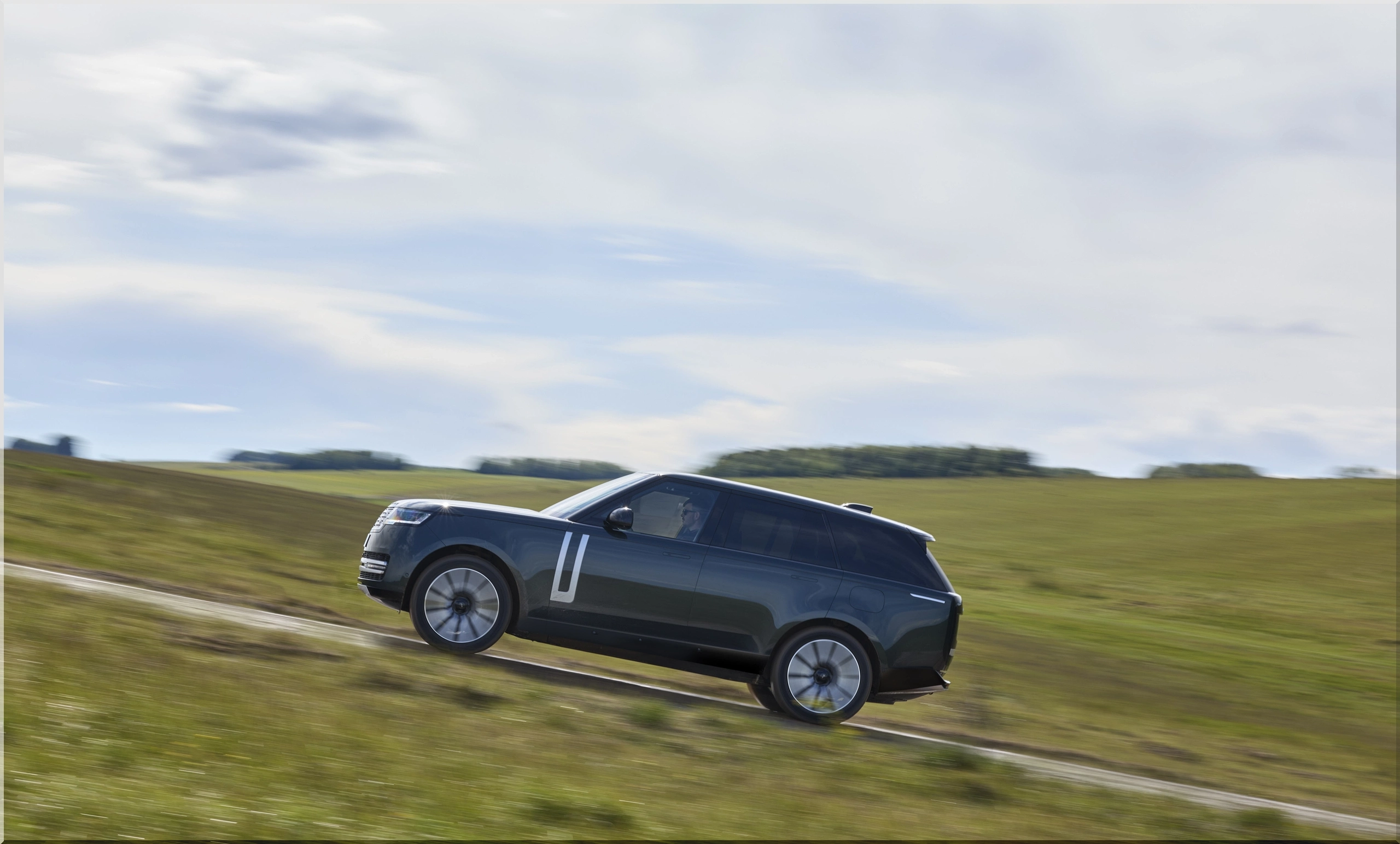
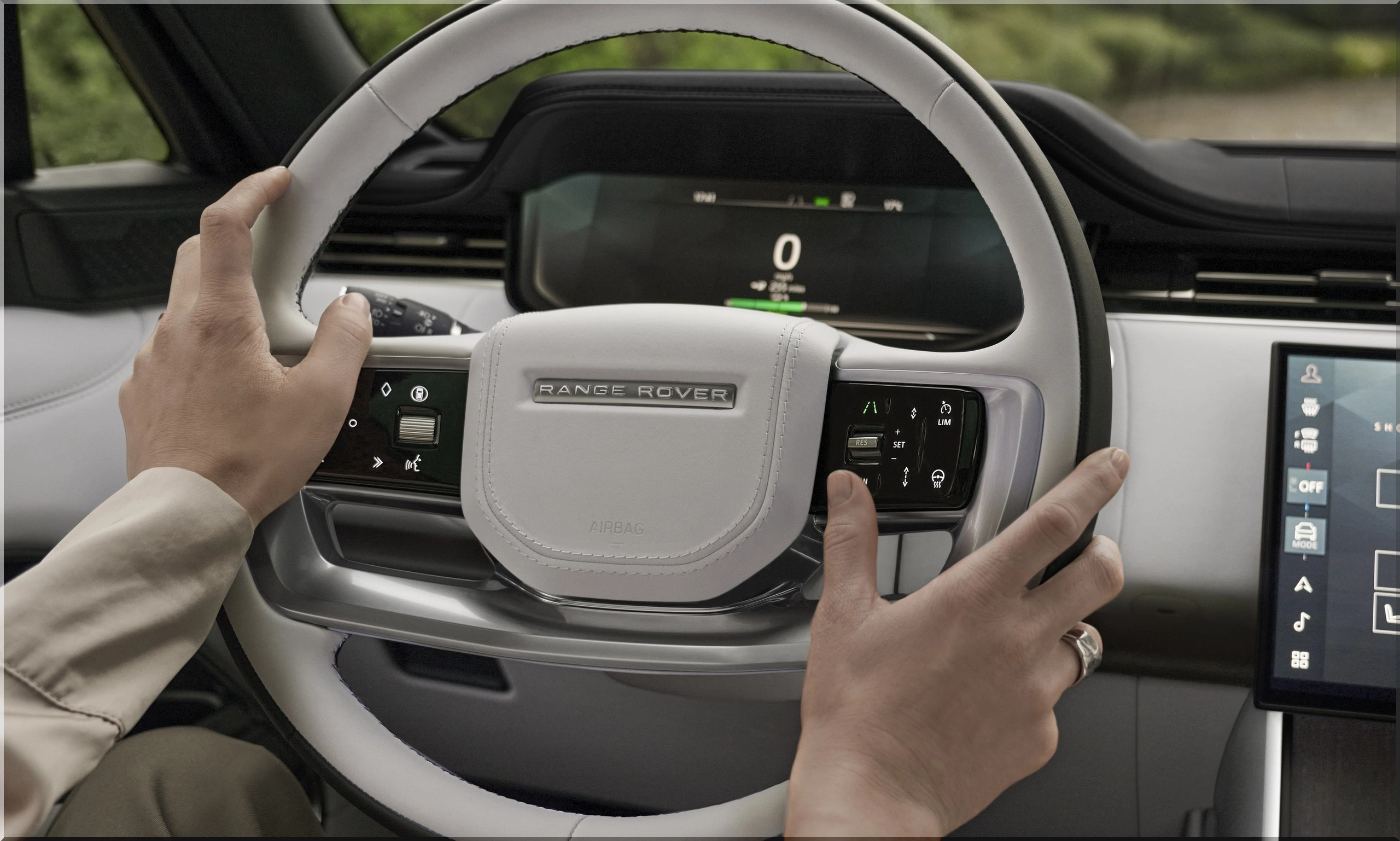
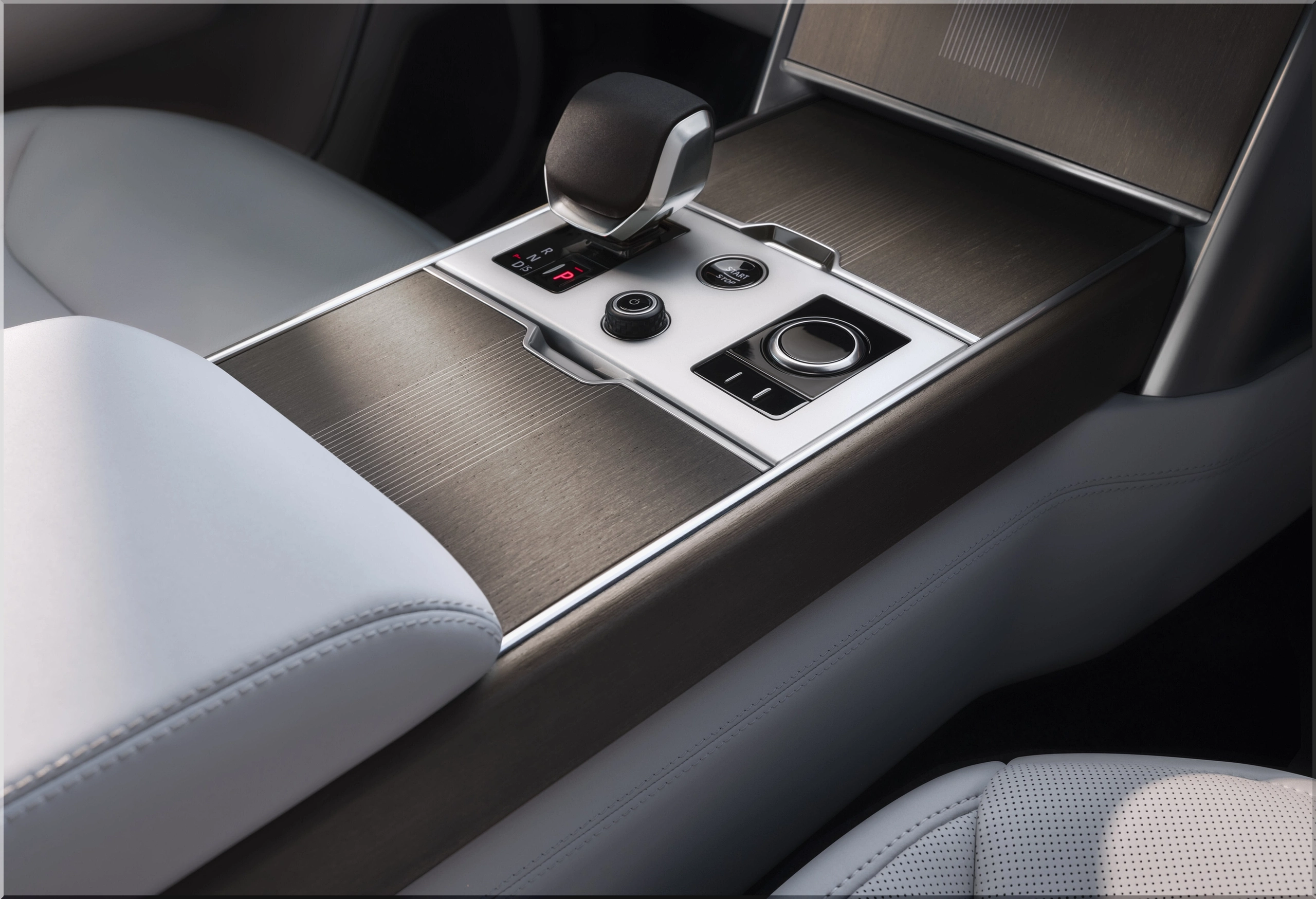
Single-pedal control can start the SUV on a 33-degree slope and manage rolling climbs of up to 45 degrees. In addition, twin-chamber air suspension and the battery's low mounting position help control the tall body's weight through corners.
Should You Order the Range Rover Electric?
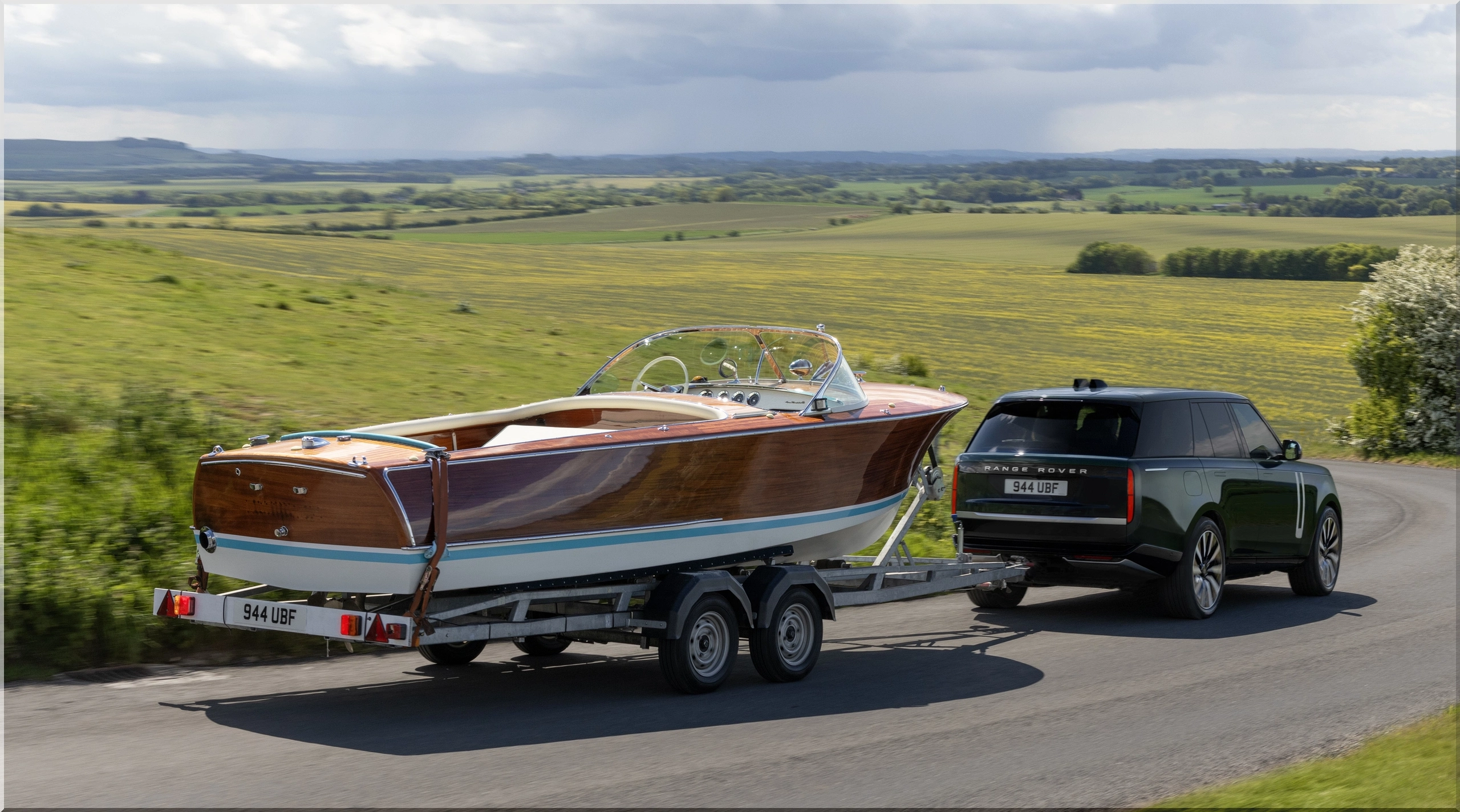
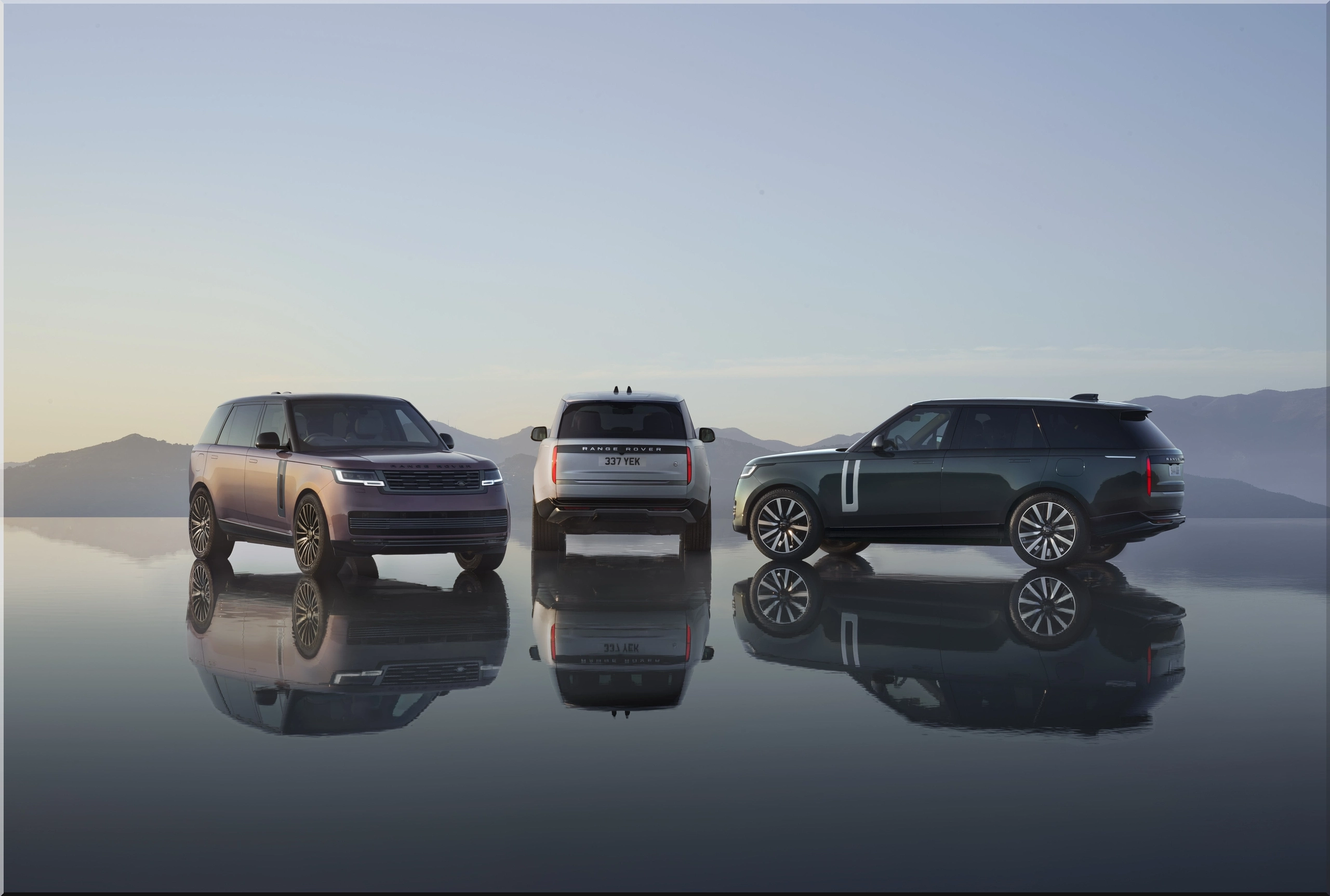
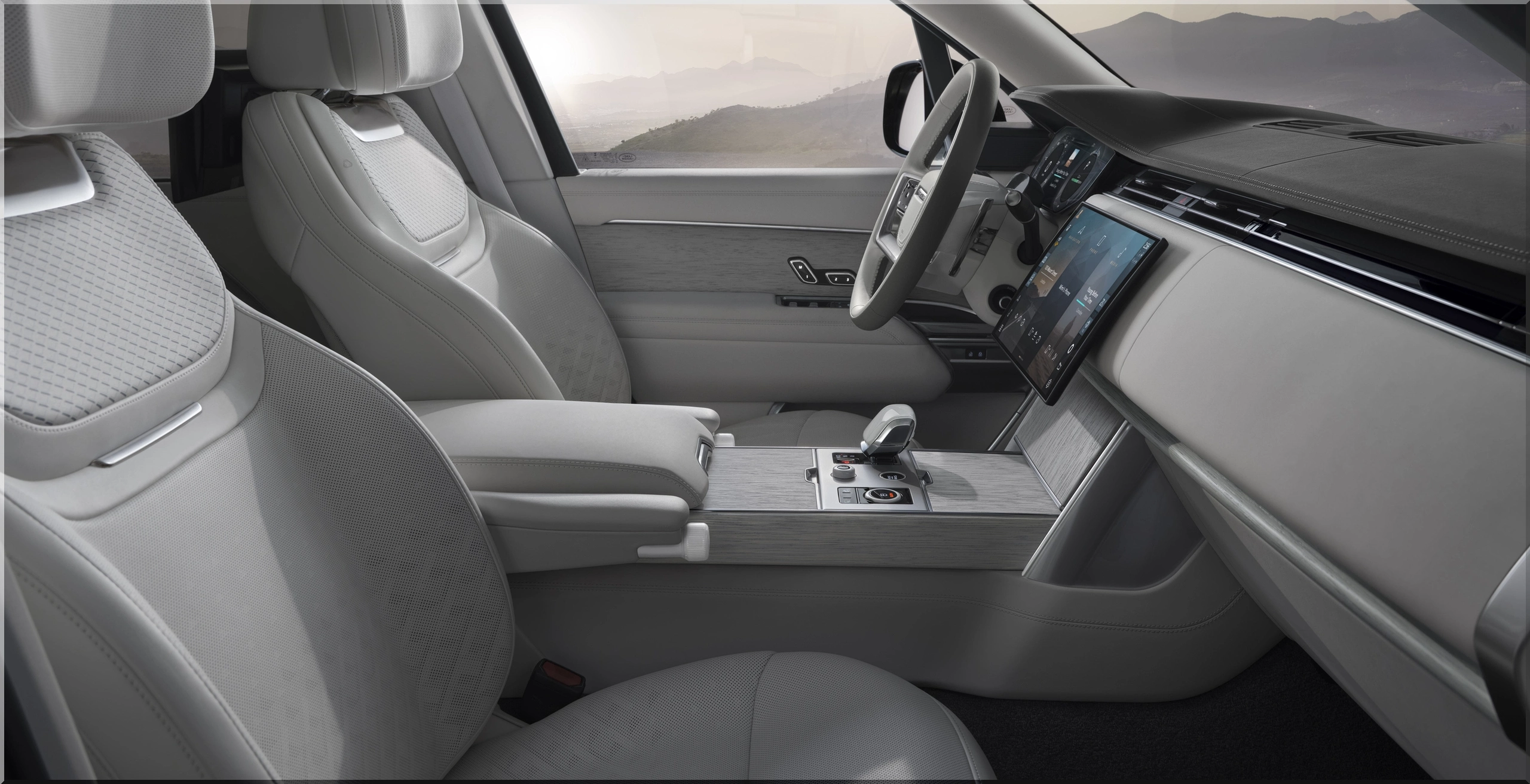
From an expert perspective, buyers should choose it for refinement, towing-ready torque and mixed-surface capability, rather than class-leading efficiency. JLR offers standard- and long-wheelbase bodies across SE, HSE, Autobiography, SV, SV Ultra, SV Black and First Edition specifications.
Pro-Tips
- Use 535 km as the practical maximum when planning longer trips.
- Confirm local trim availability before comparing converted UK prices.
- Install an 11 kW home charger if overnight charging will cover most daily use.
- Check nearby 350 kW chargers before paying for performance that slower infrastructure cannot deliver.
- Add new comment
- 128 views