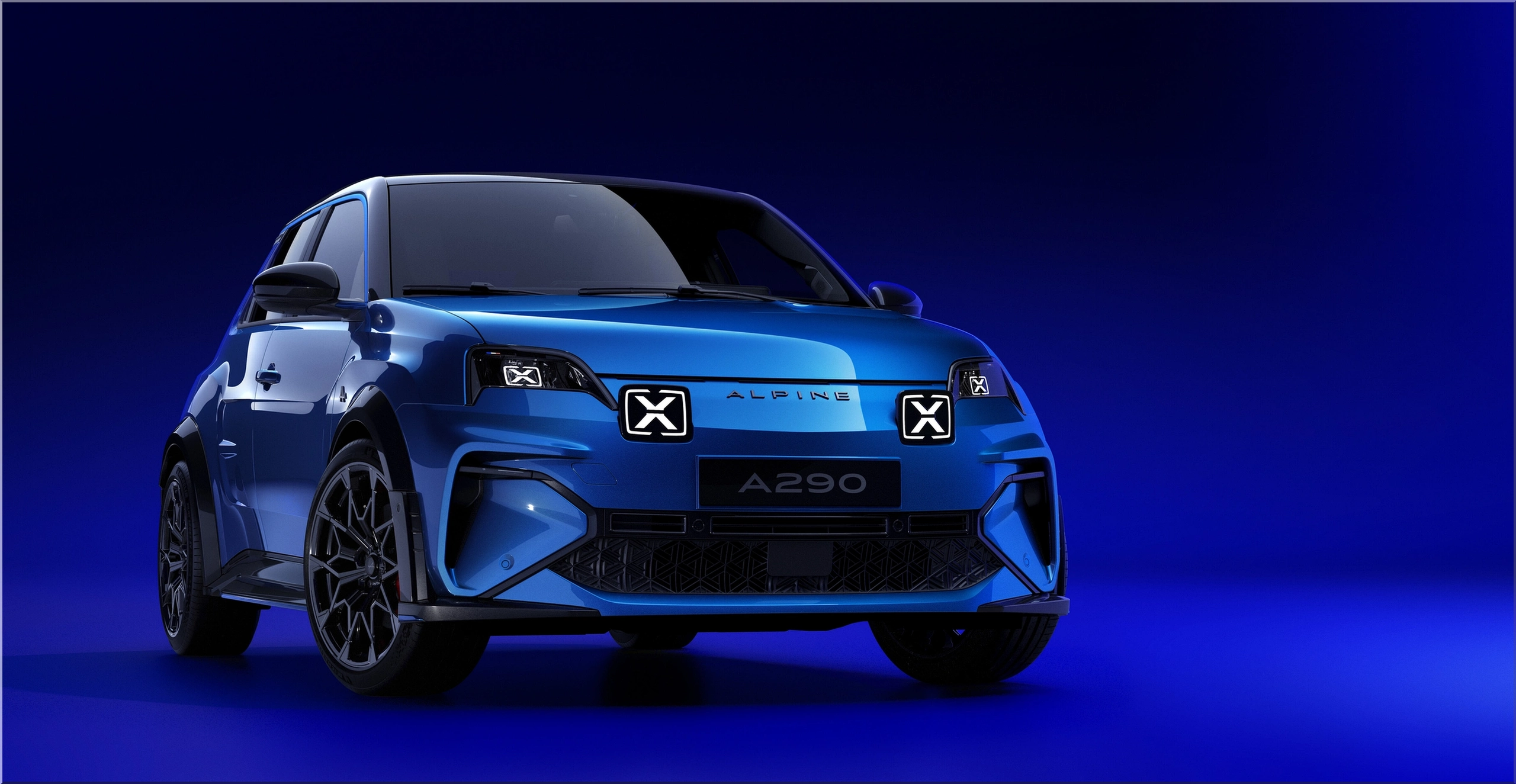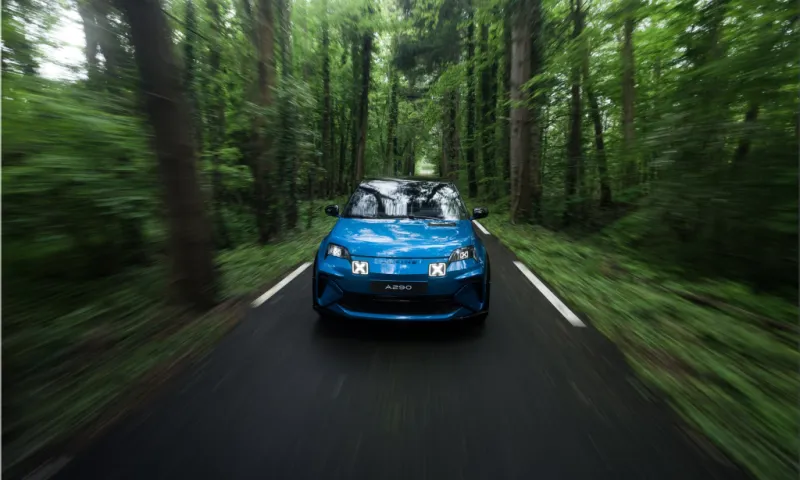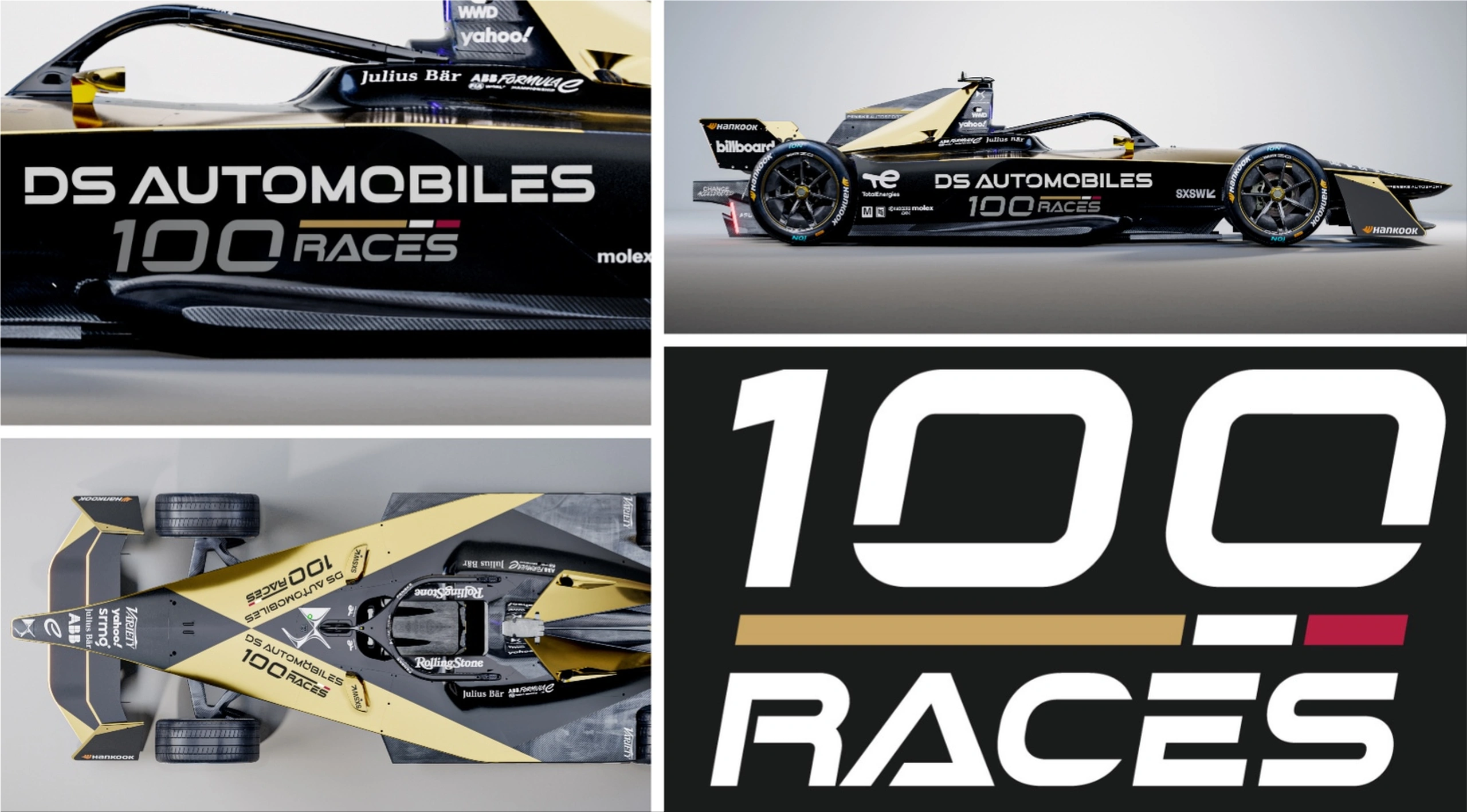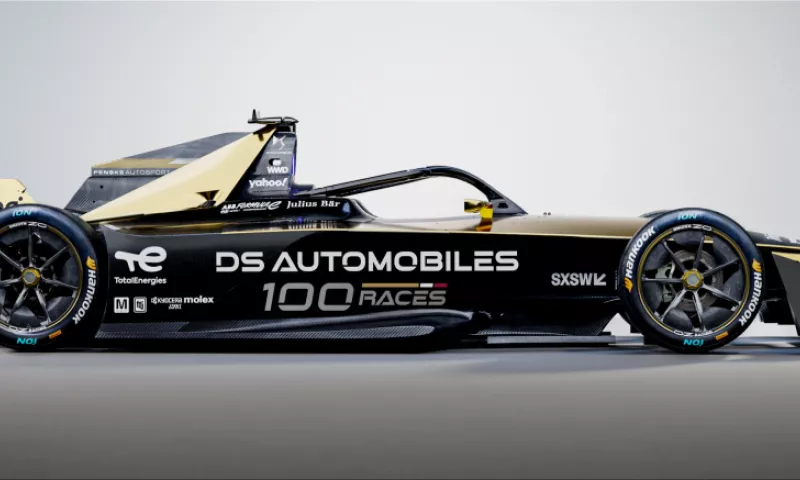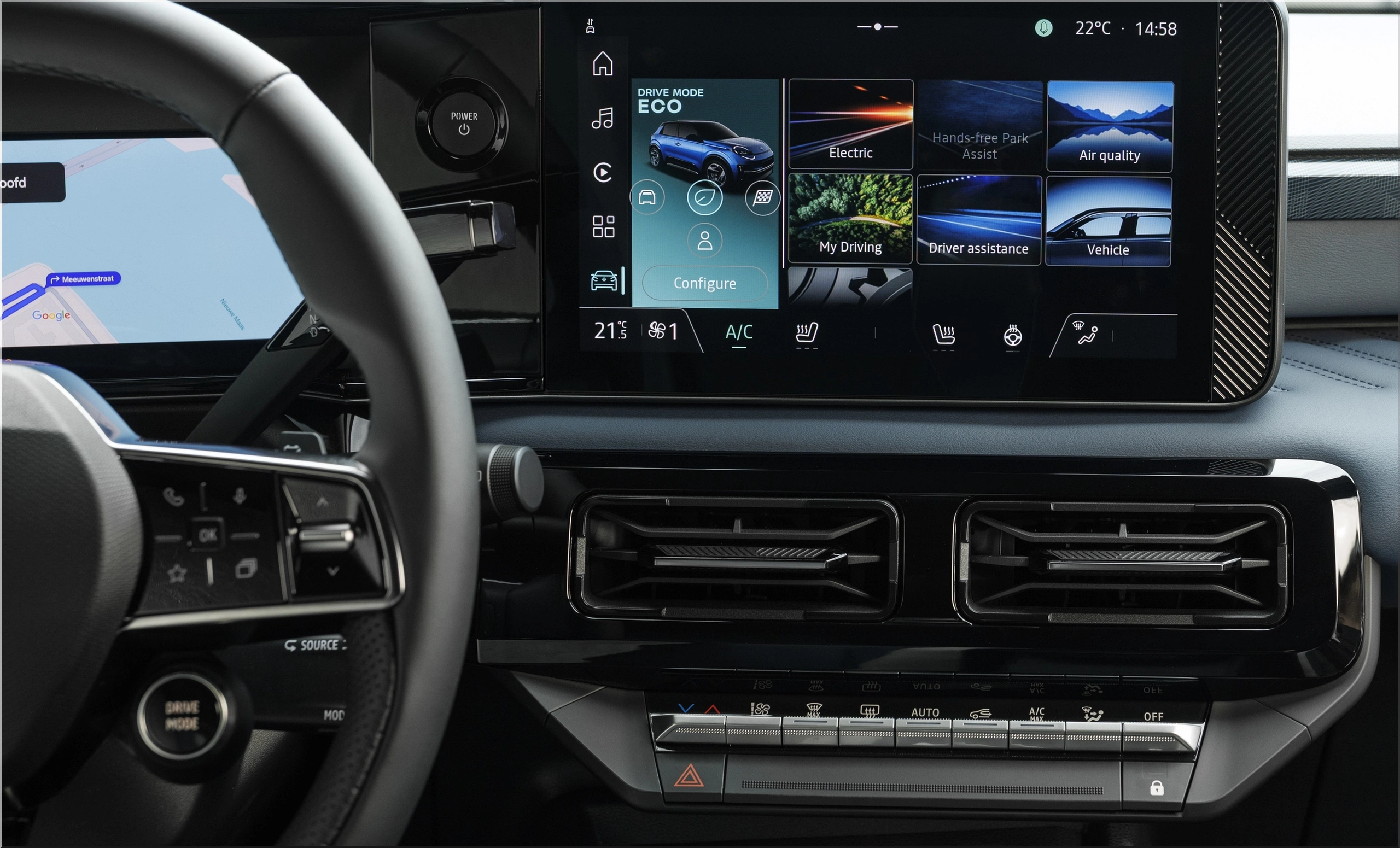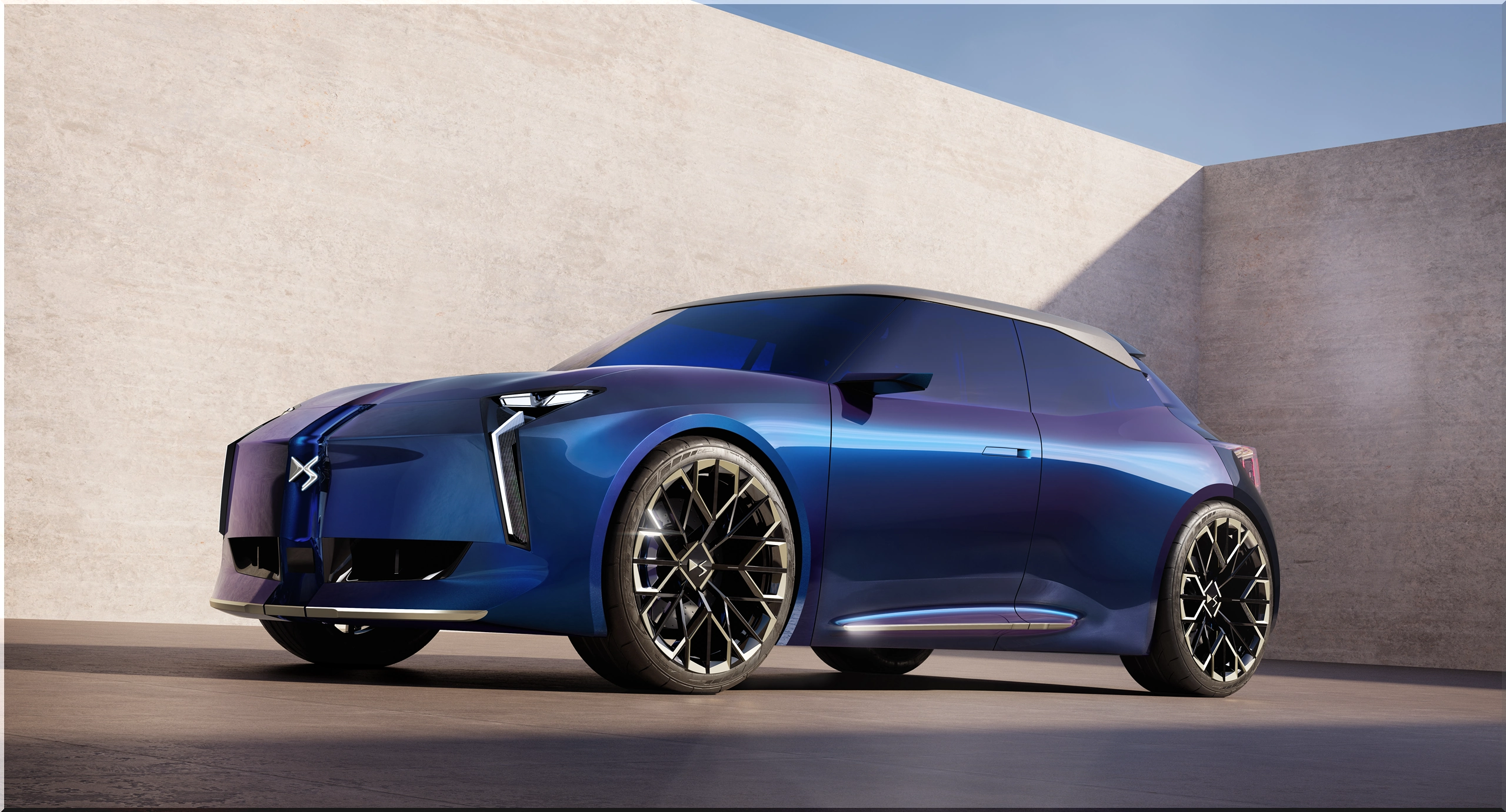
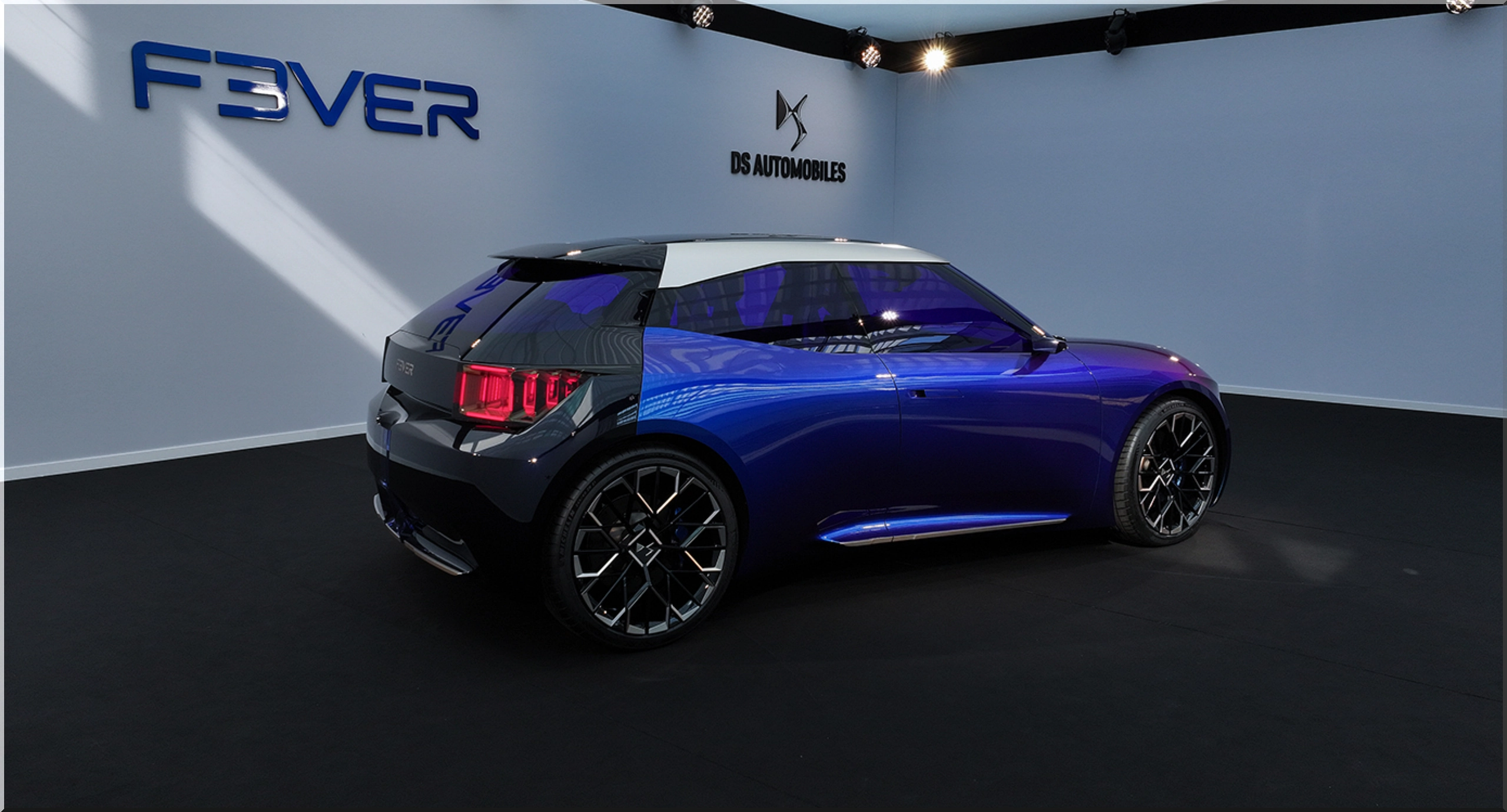
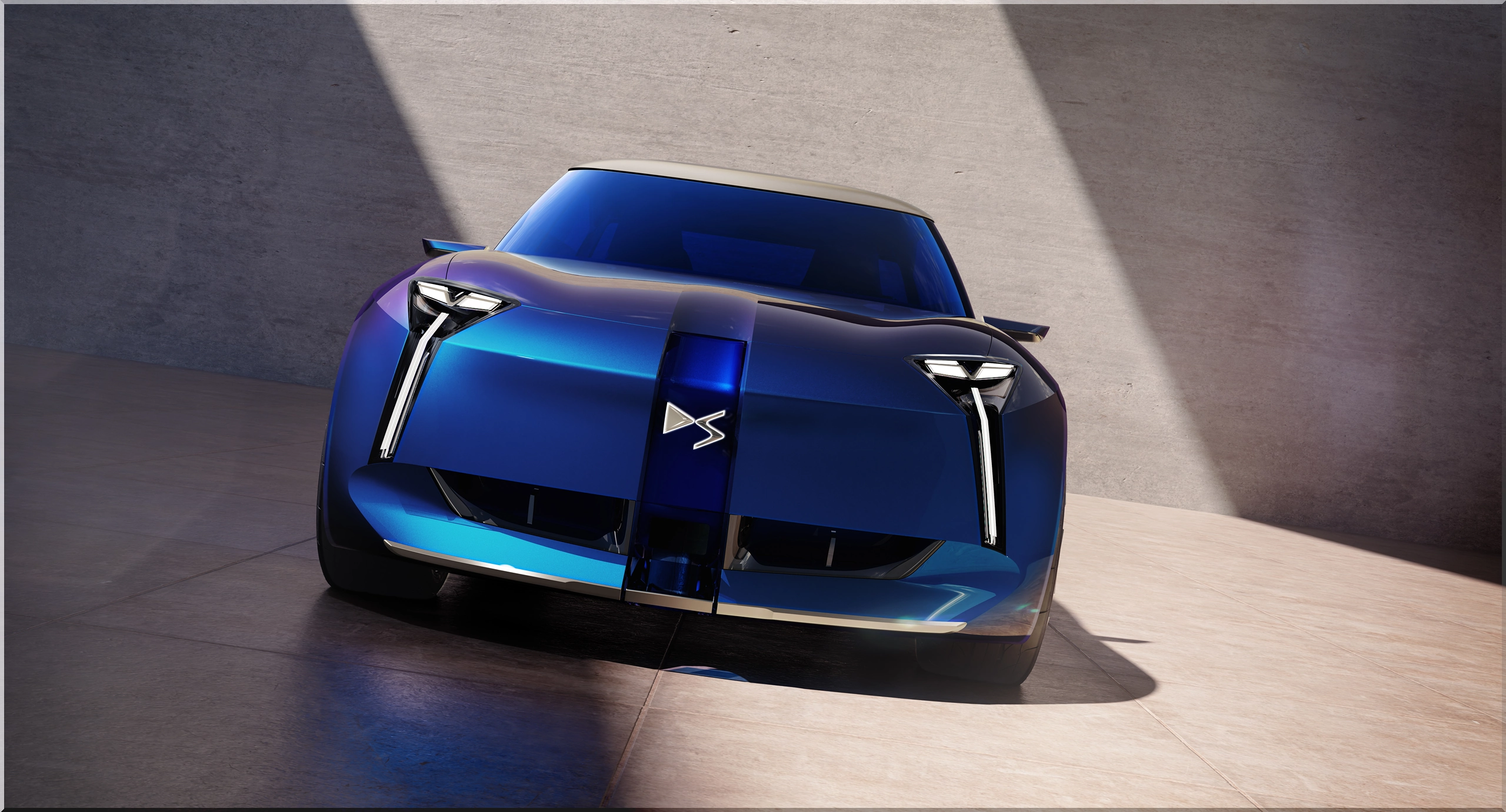
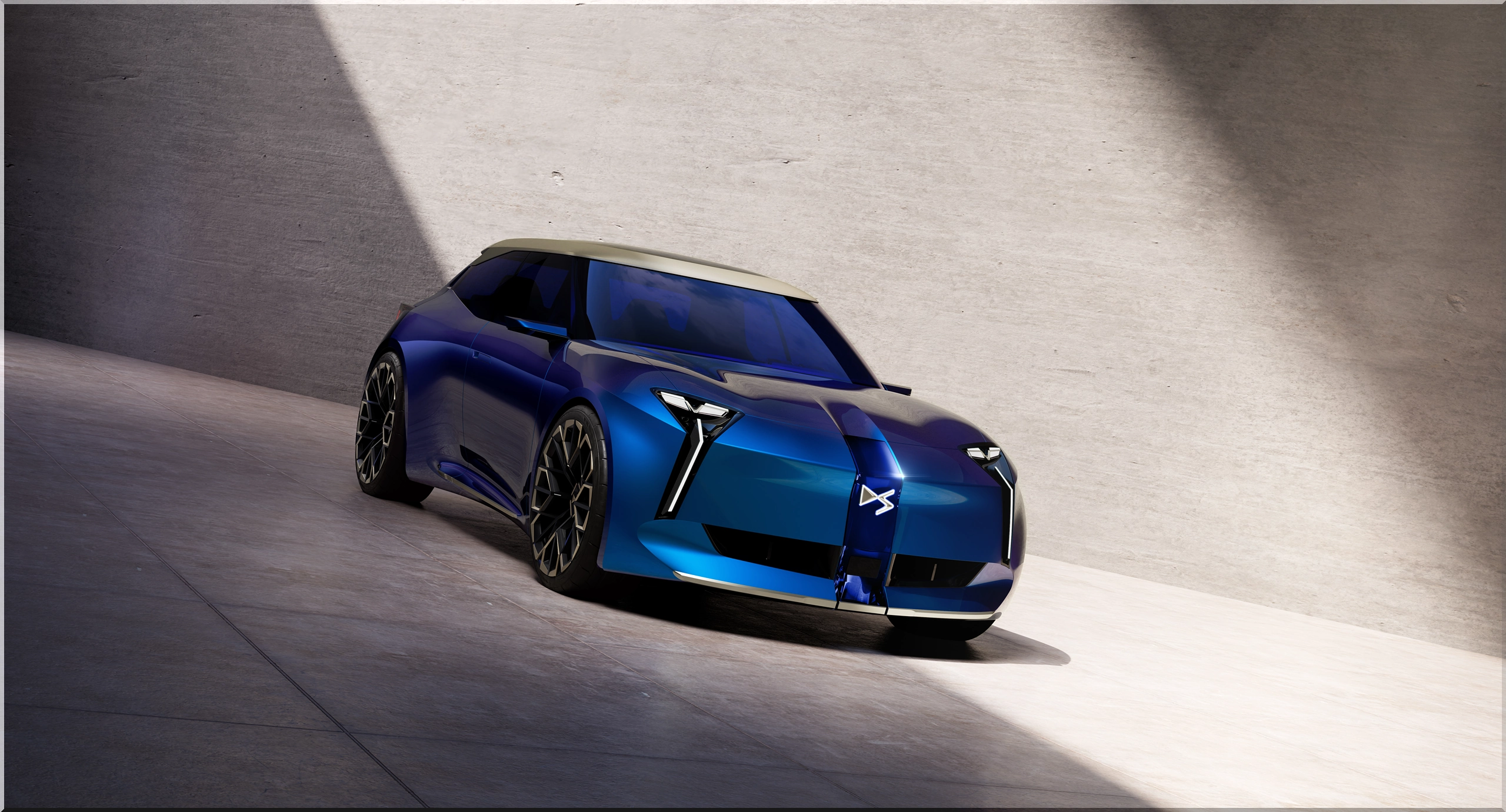
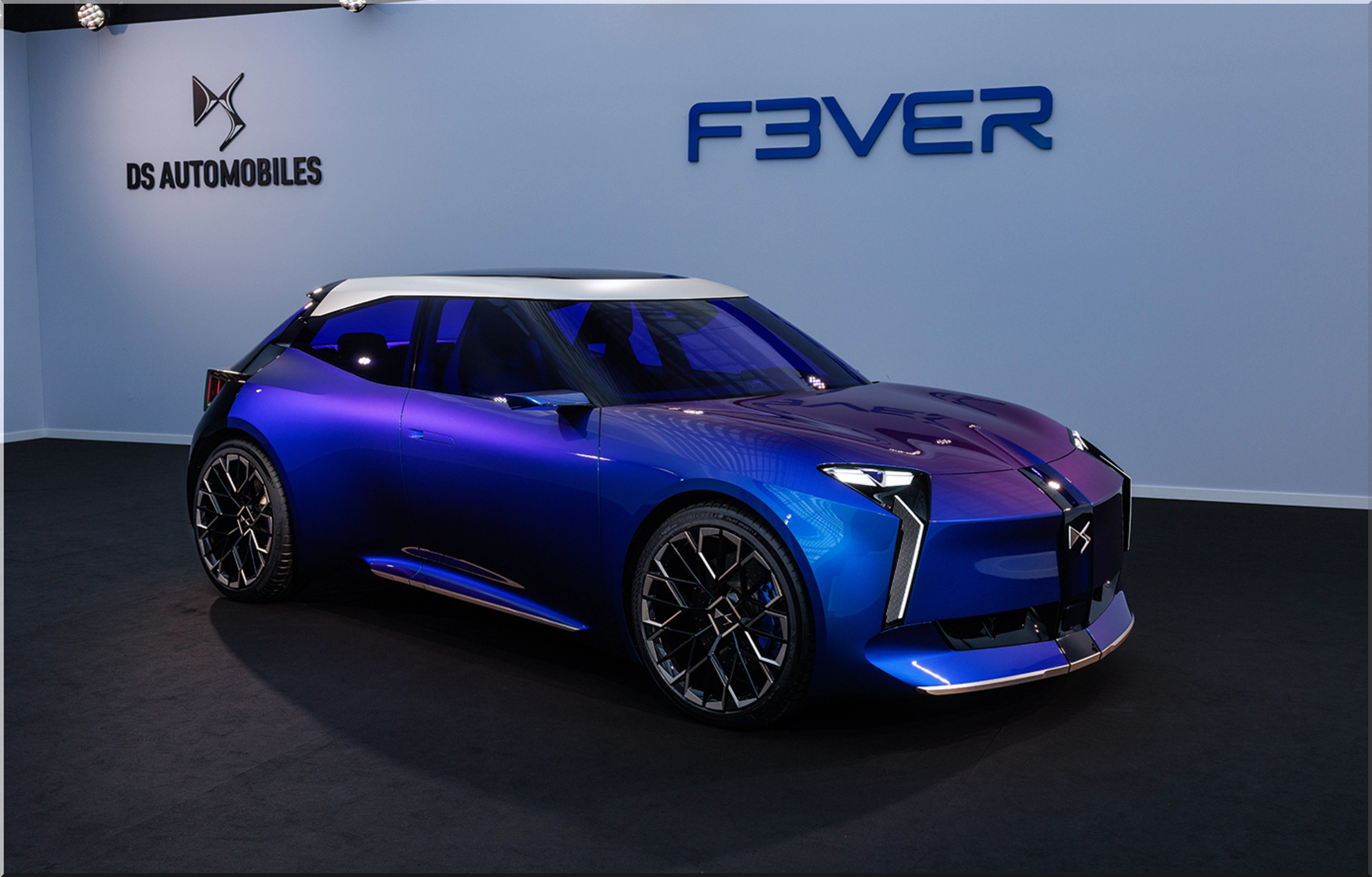
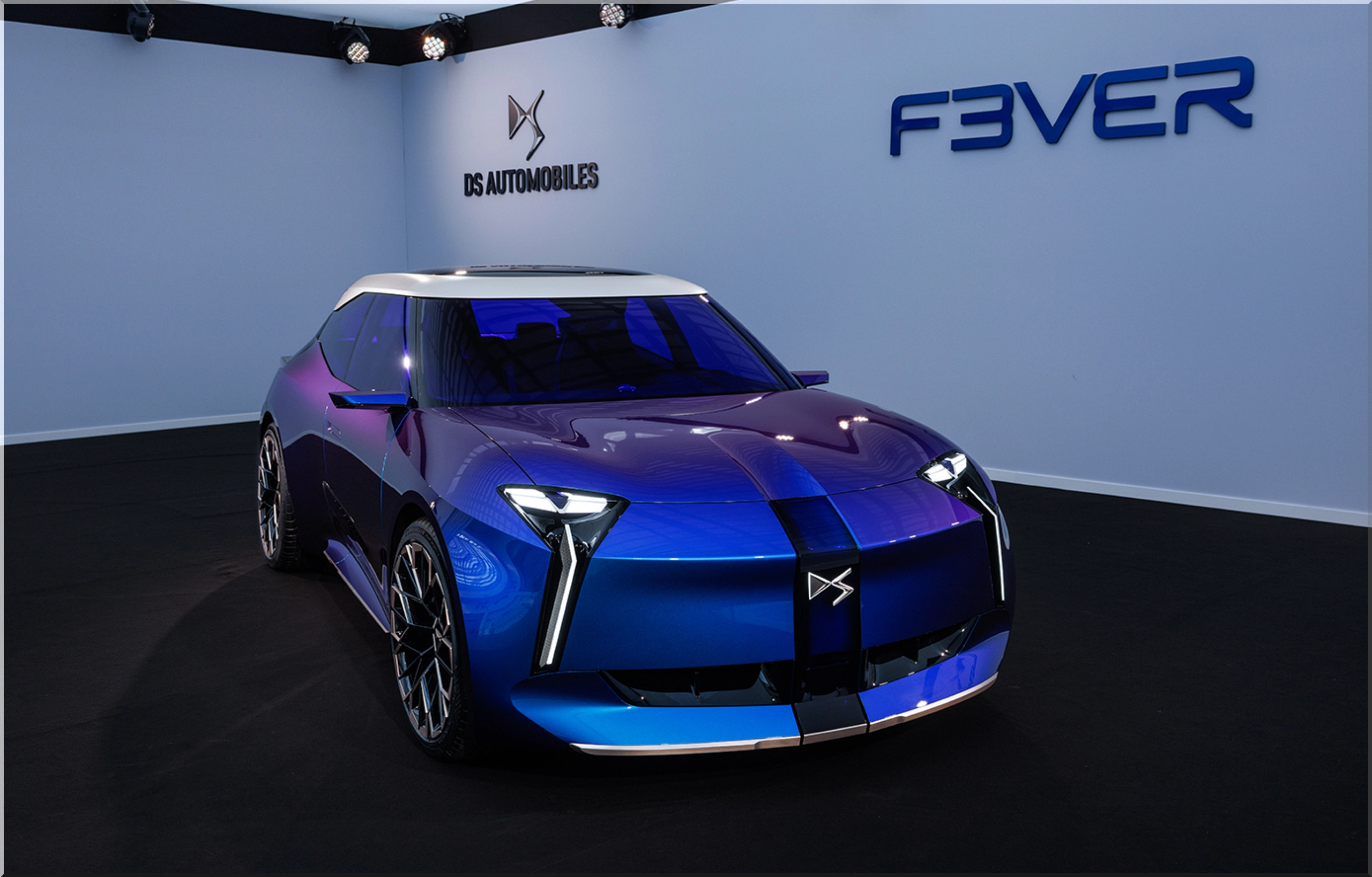
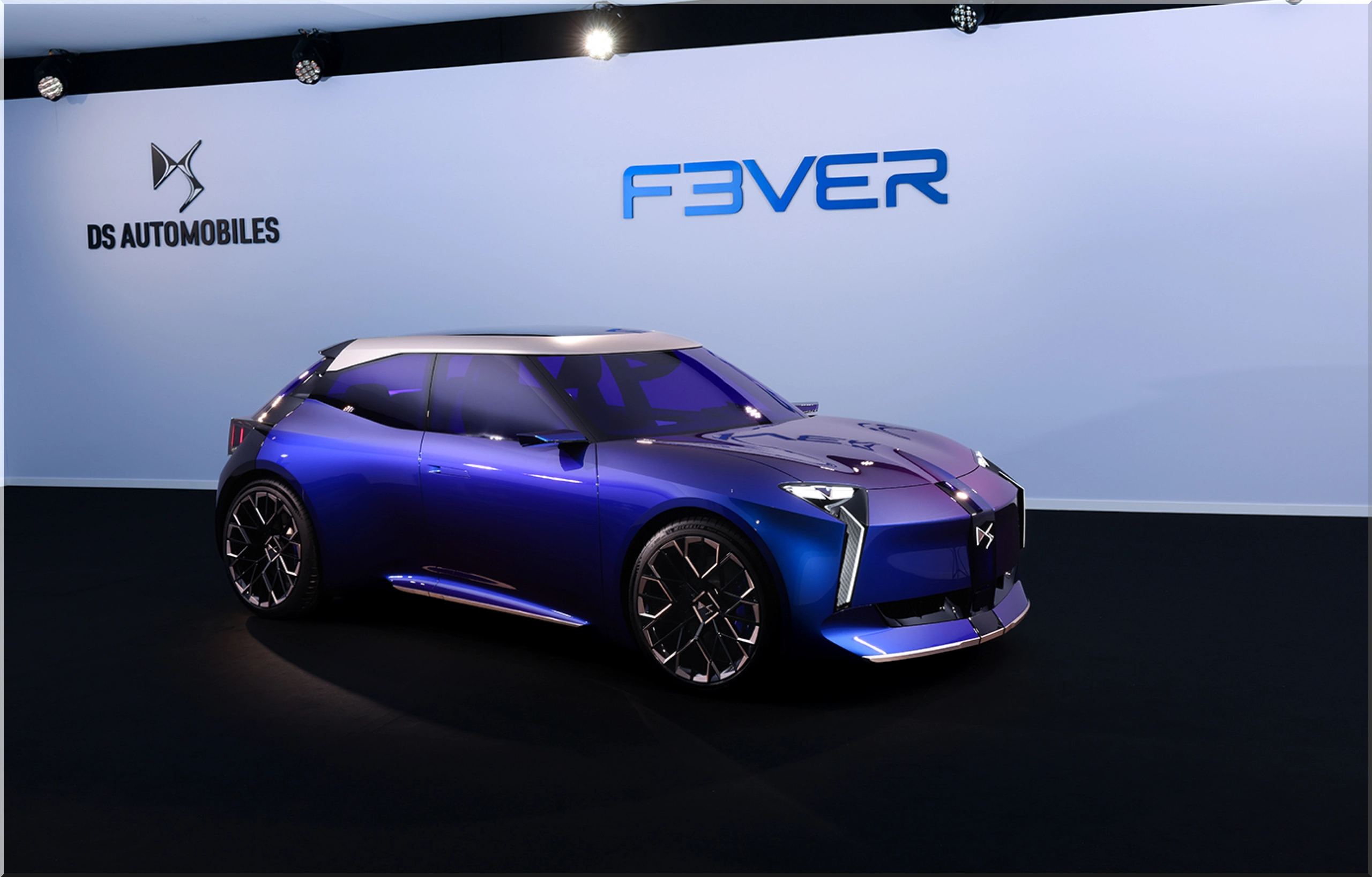
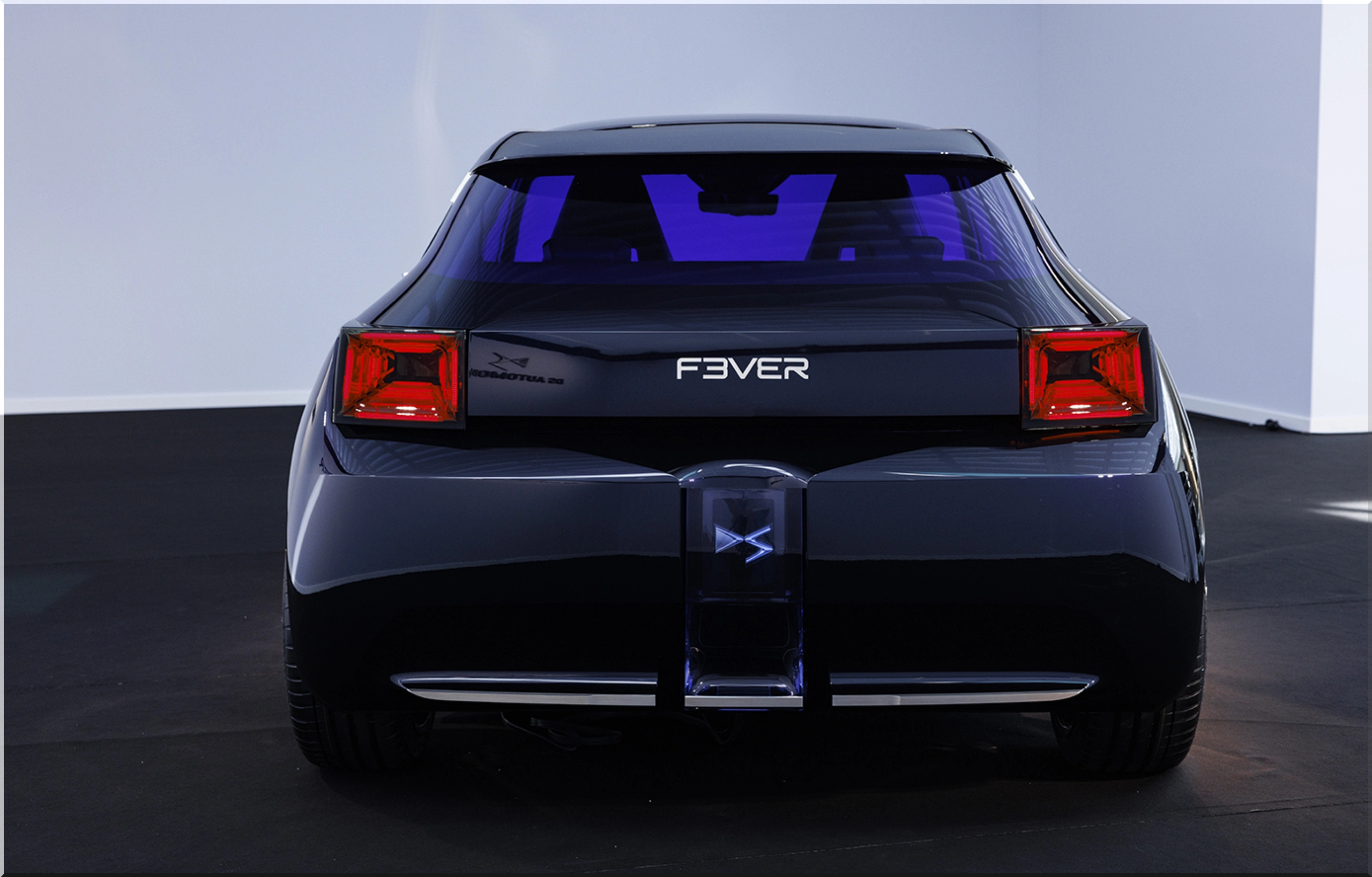
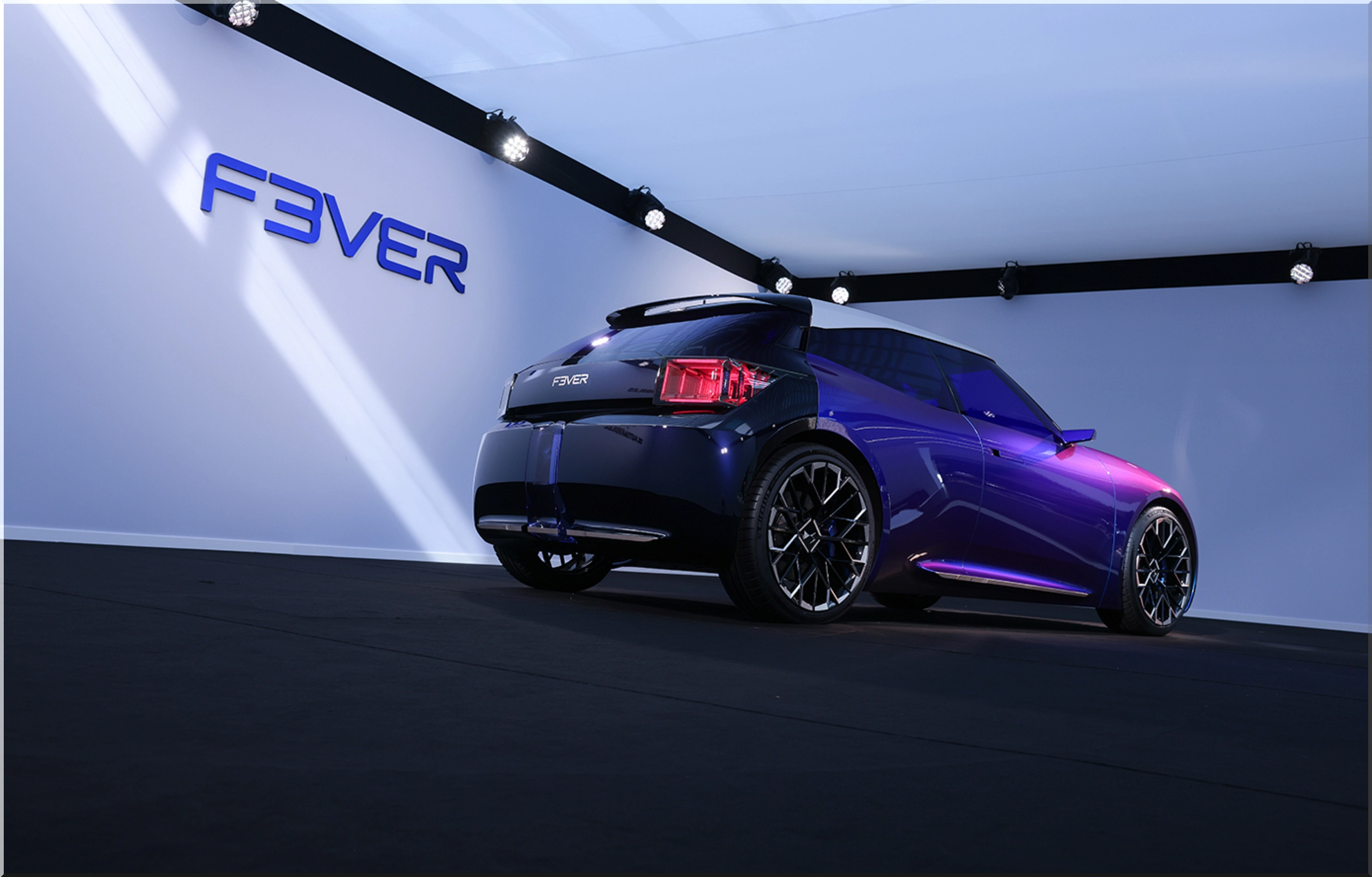
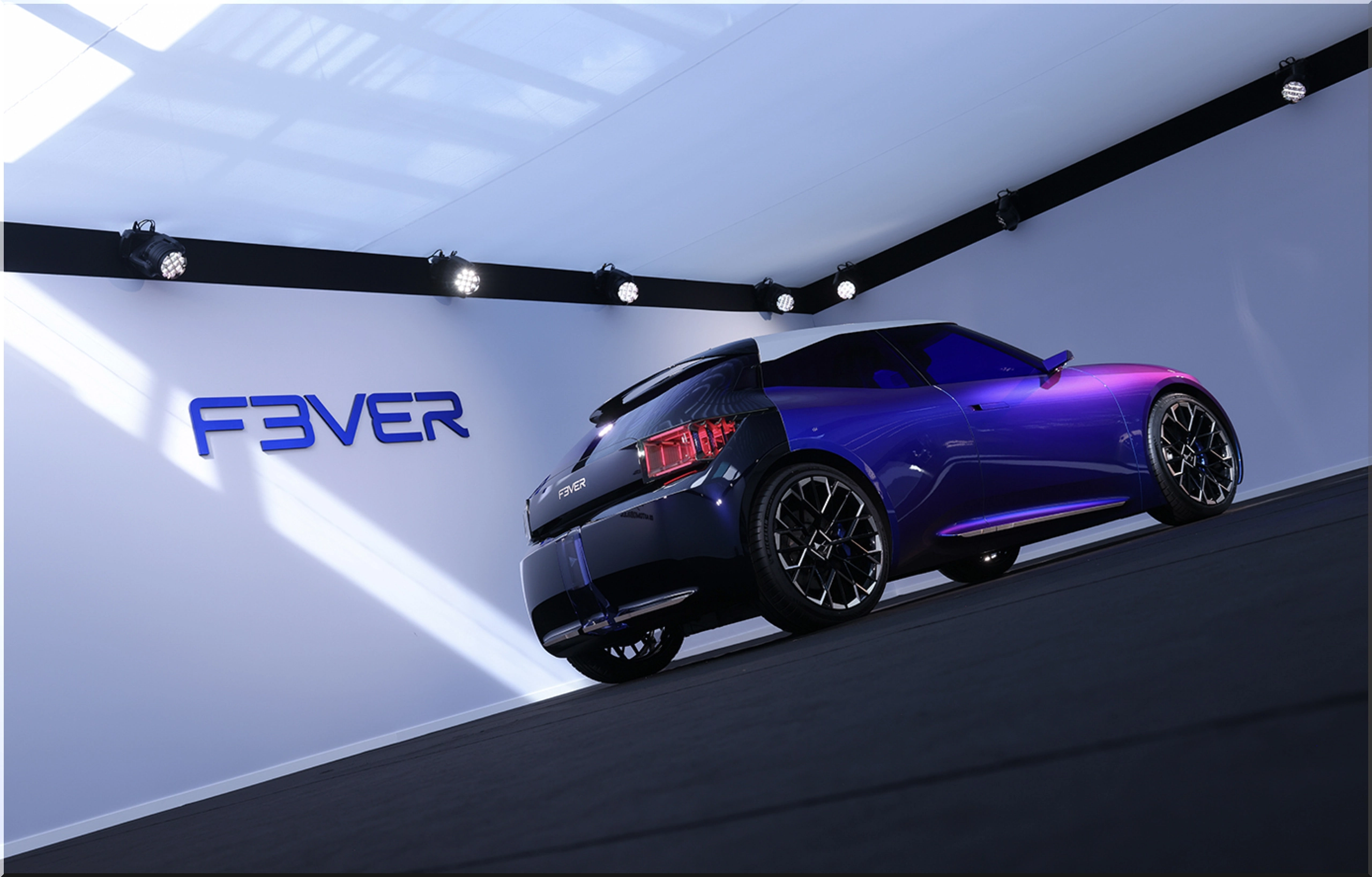
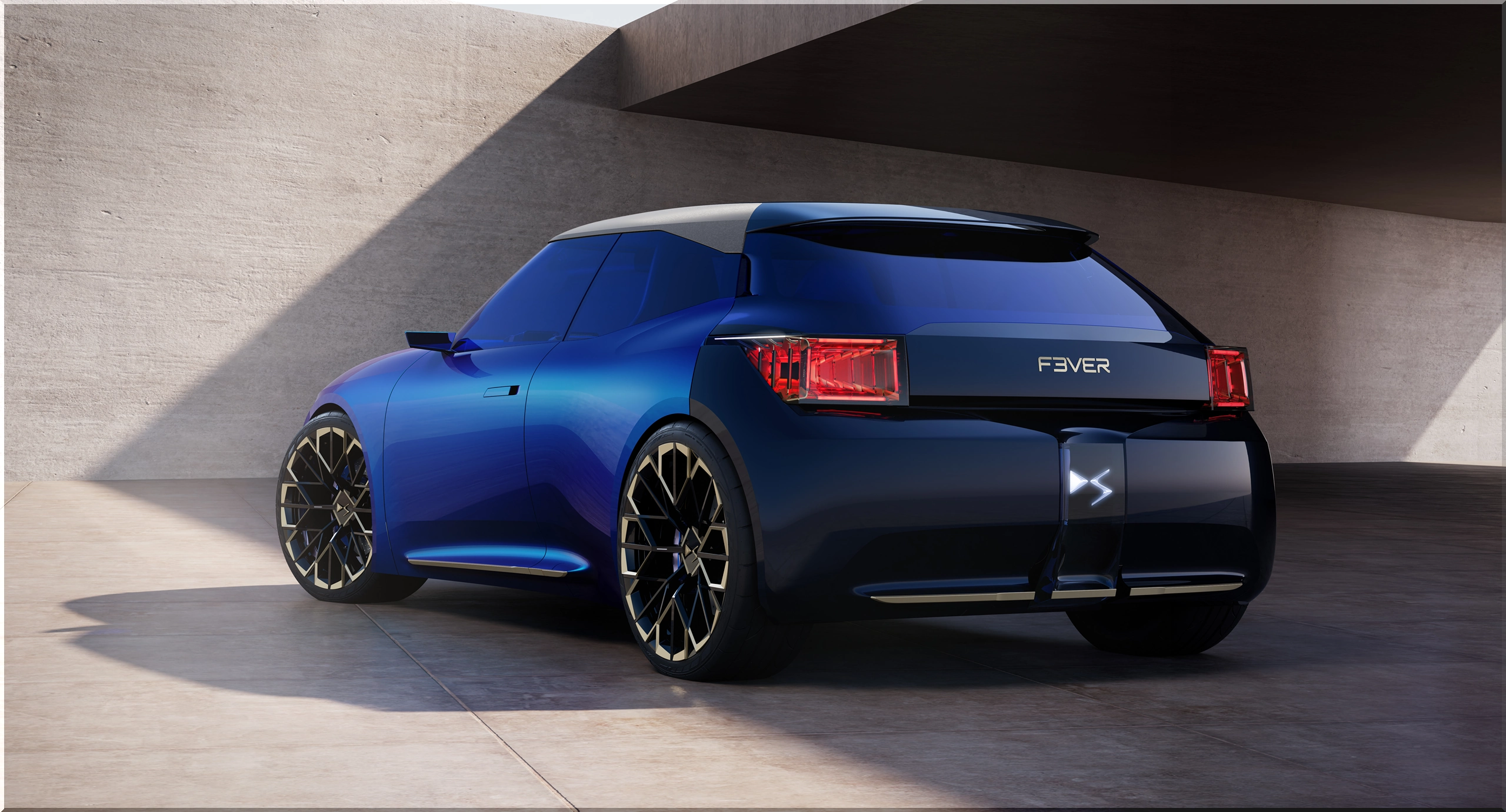
DS Automobiles has brought the DS F3VER concept to the 2026 Paris Motor Show with a clear packaging pitch: a 400-litre boot inside a 4.19-metre body. The French brand uses the study to test new styling and construction ideas for compact electric cars. Its strongest argument starts with the tape measure.
Image
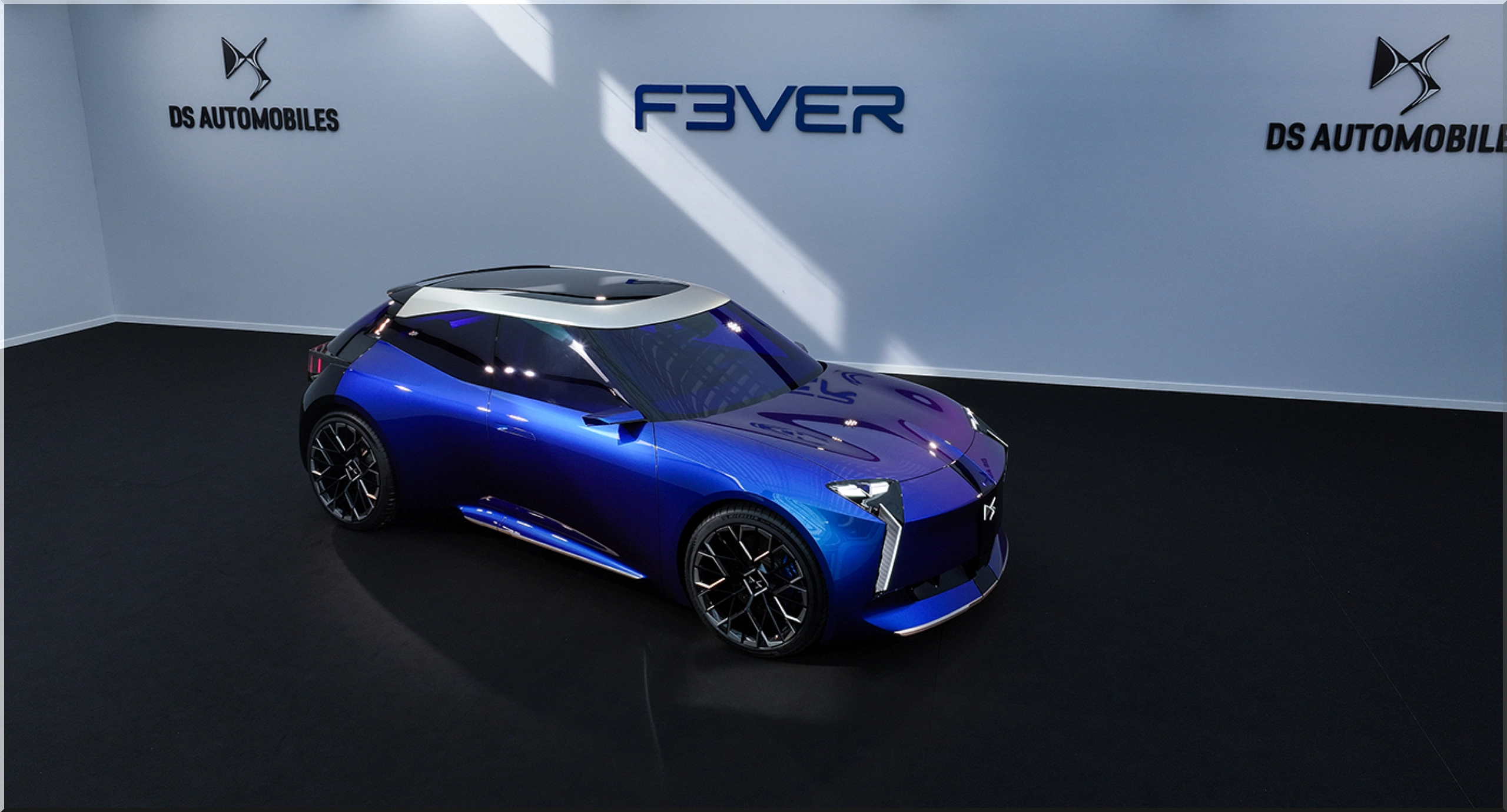
Compact Body, Longer Wheelbase
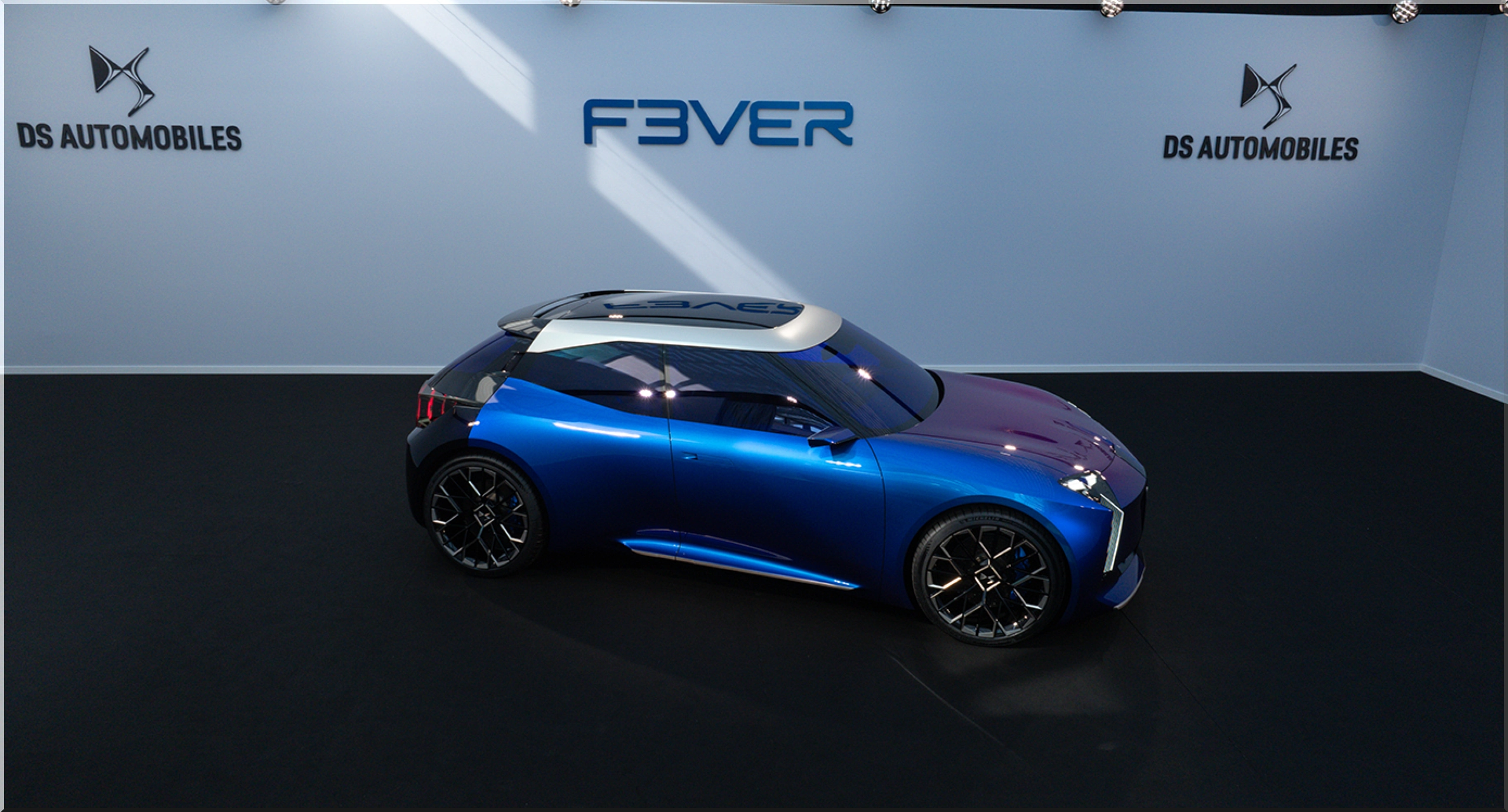
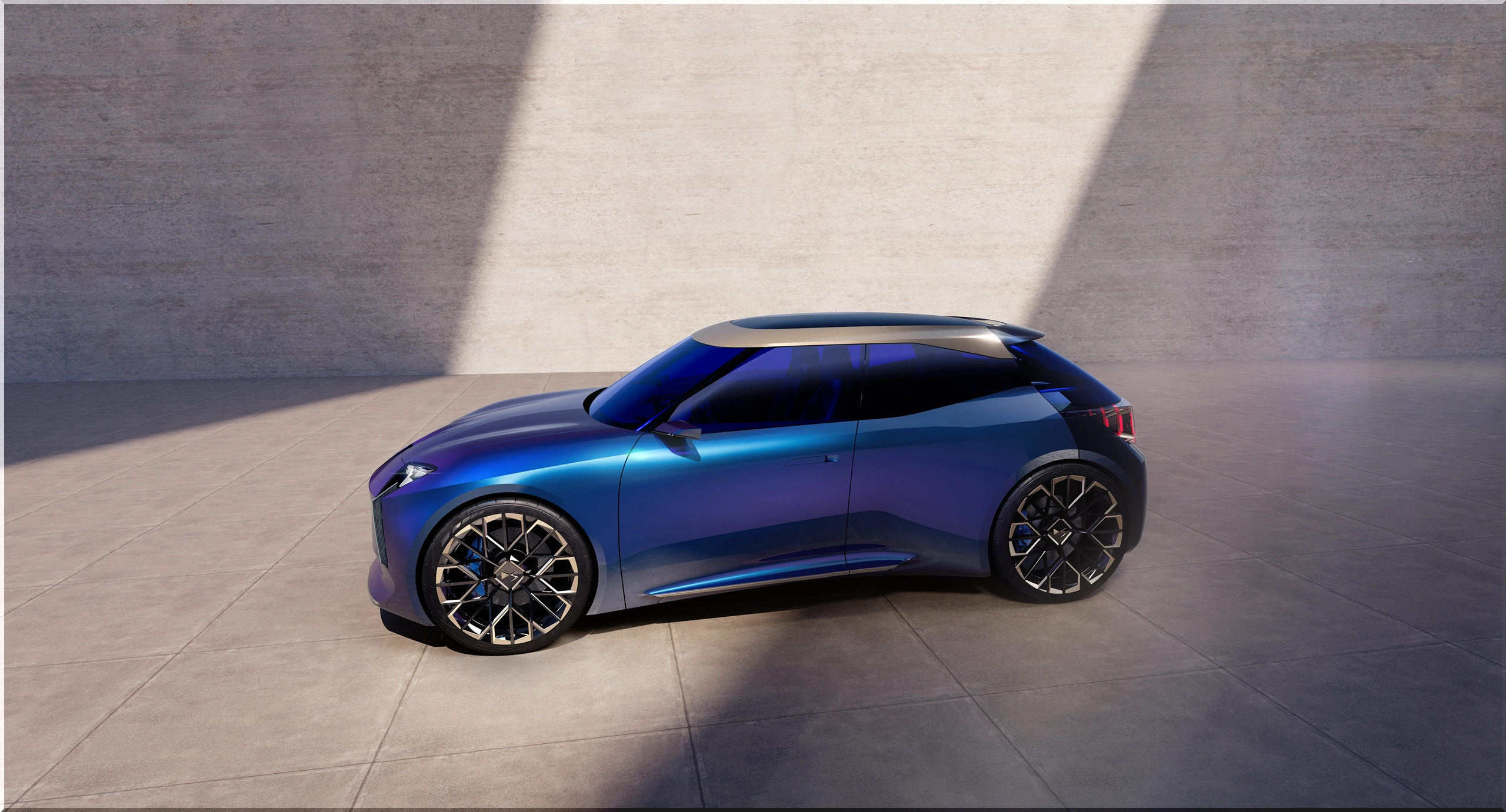
Looking at the data, the F3VER's 2,700 mm wheelbase occupies 64.4% of its overall length, against 62.1% for the production DS 3. The concept adds 142 mm between the axles while stretching overall length by only 72 mm. That layout creates potential cabin space; DS supplies no rear-legroom measurements.
| Measurement | DS F3VER concept | DS 3, April 2026 specifications | Difference |
|---|---|---|---|
| Length | 4,190 mm / 165.0 in | 4,118 mm | +72 mm |
| Height | 1,460 mm / 57.5 in | 1,534 mm | -74 mm |
| Wheelbase | 2,700 mm / 106.3 in | 2,558 mm | +142 mm |
| Boot capacity | 400 litres | 350 litres | +50 litres |
DS lists width at 1,840 mm in its international release and 1,850 mm in Germany. It also omits the concept's boot-measurement standard, so the luggage comparison remains provisional.
Lighting With a Technical Purpose
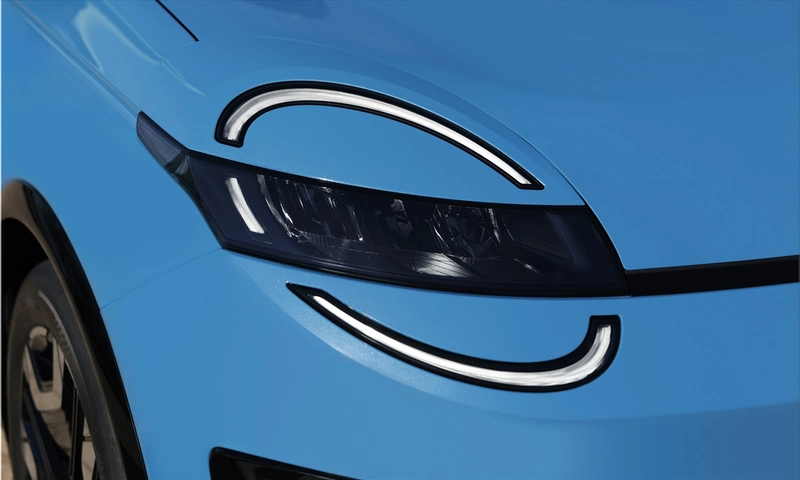
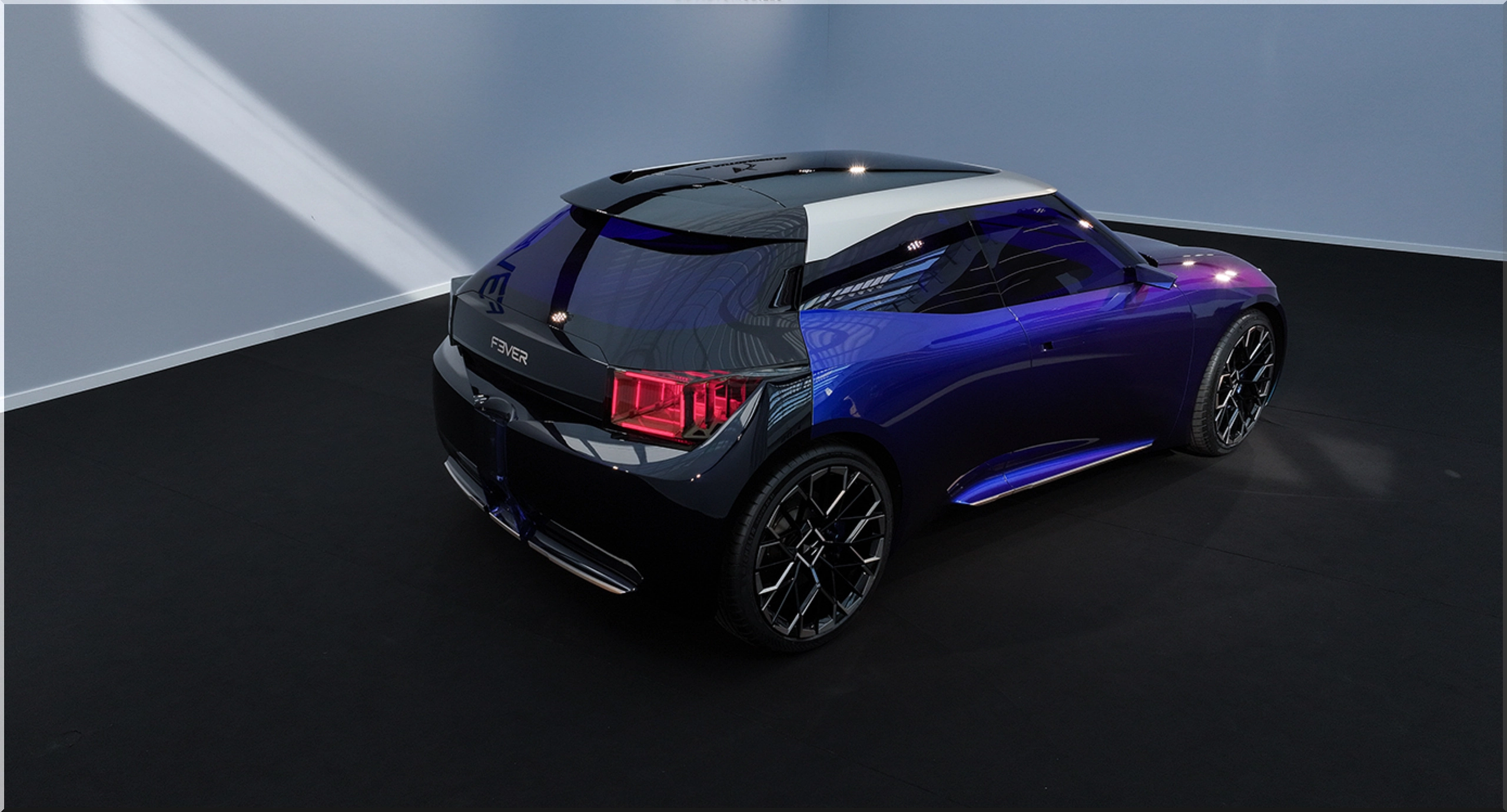
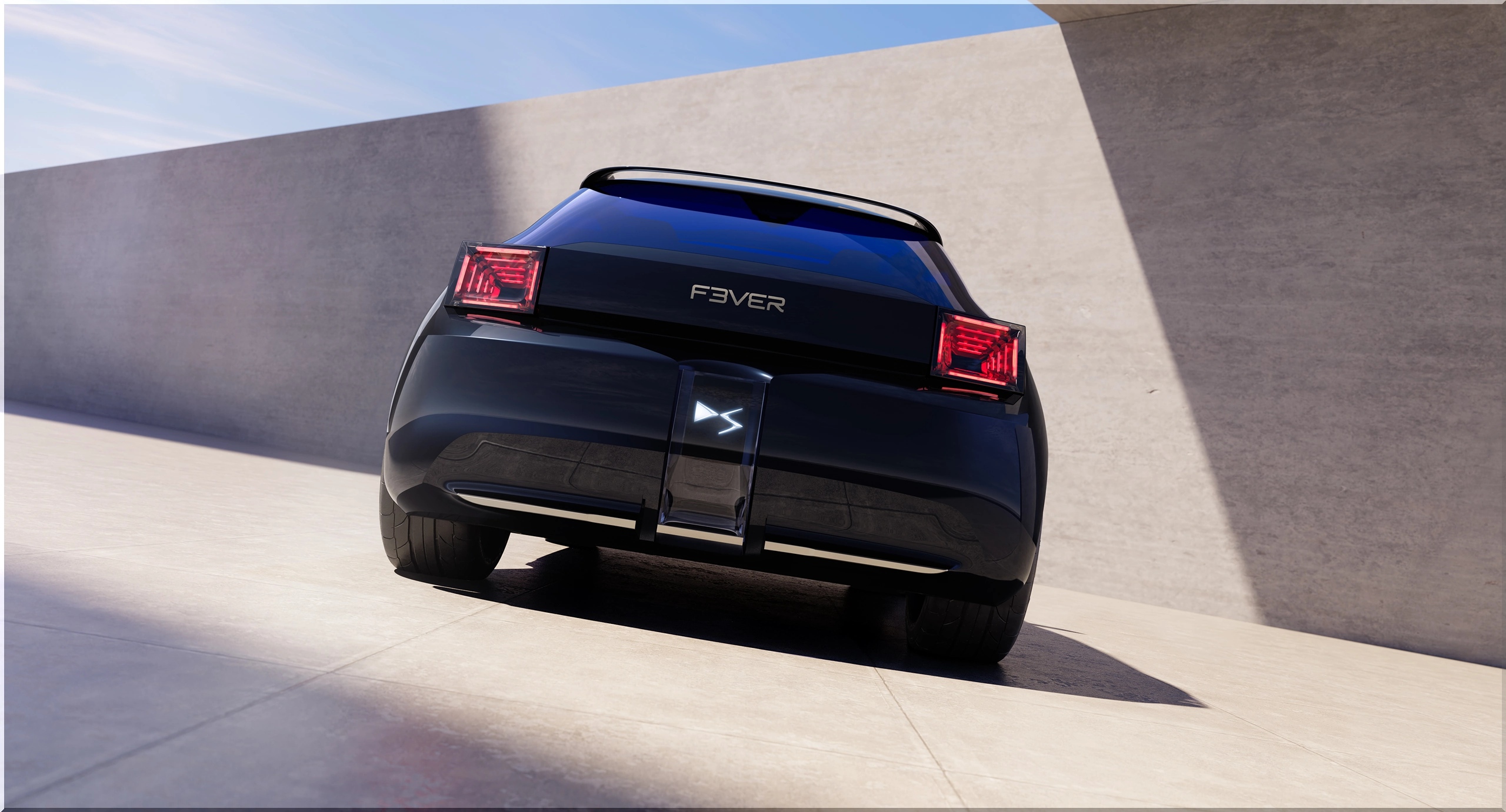
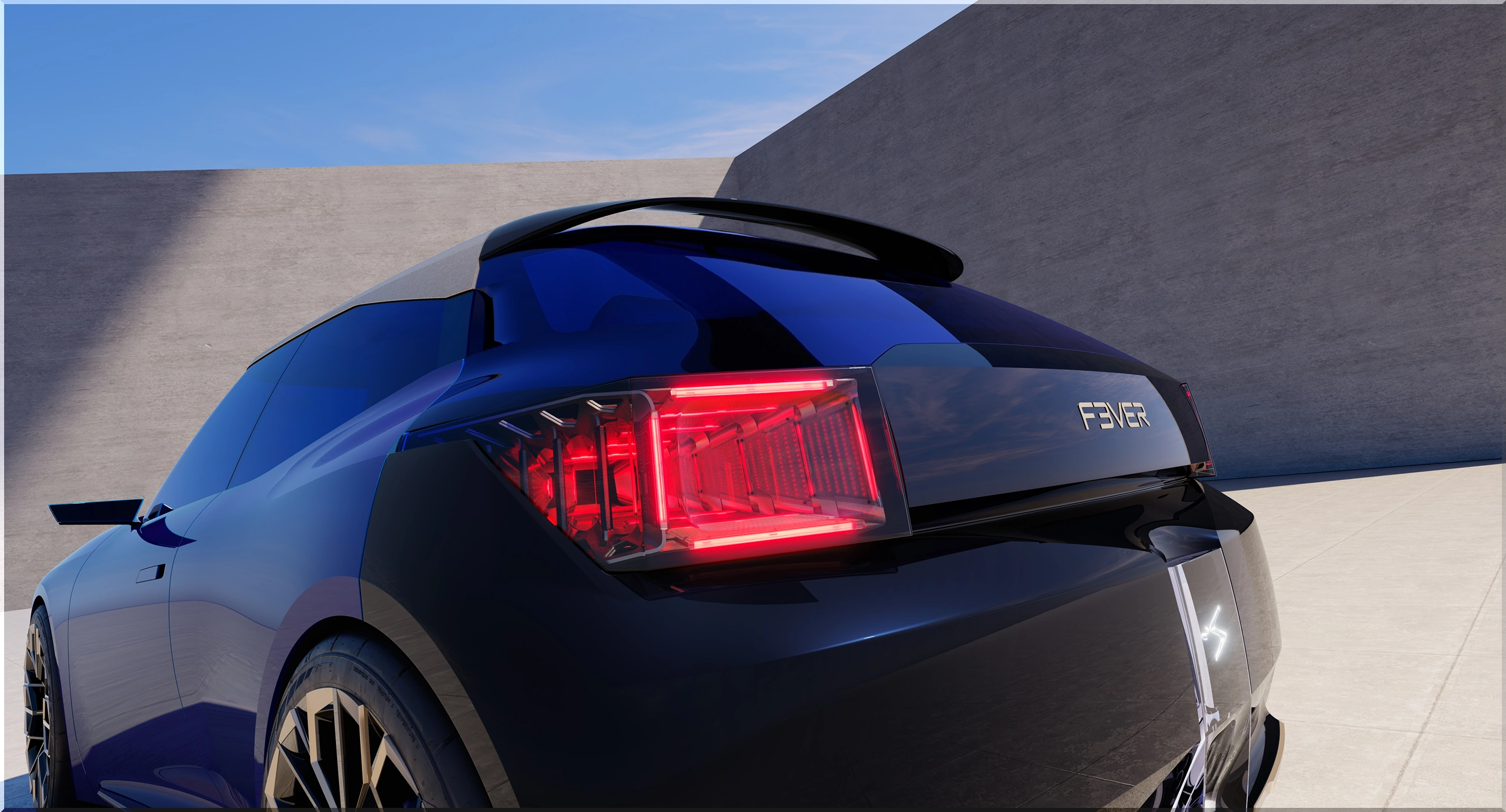
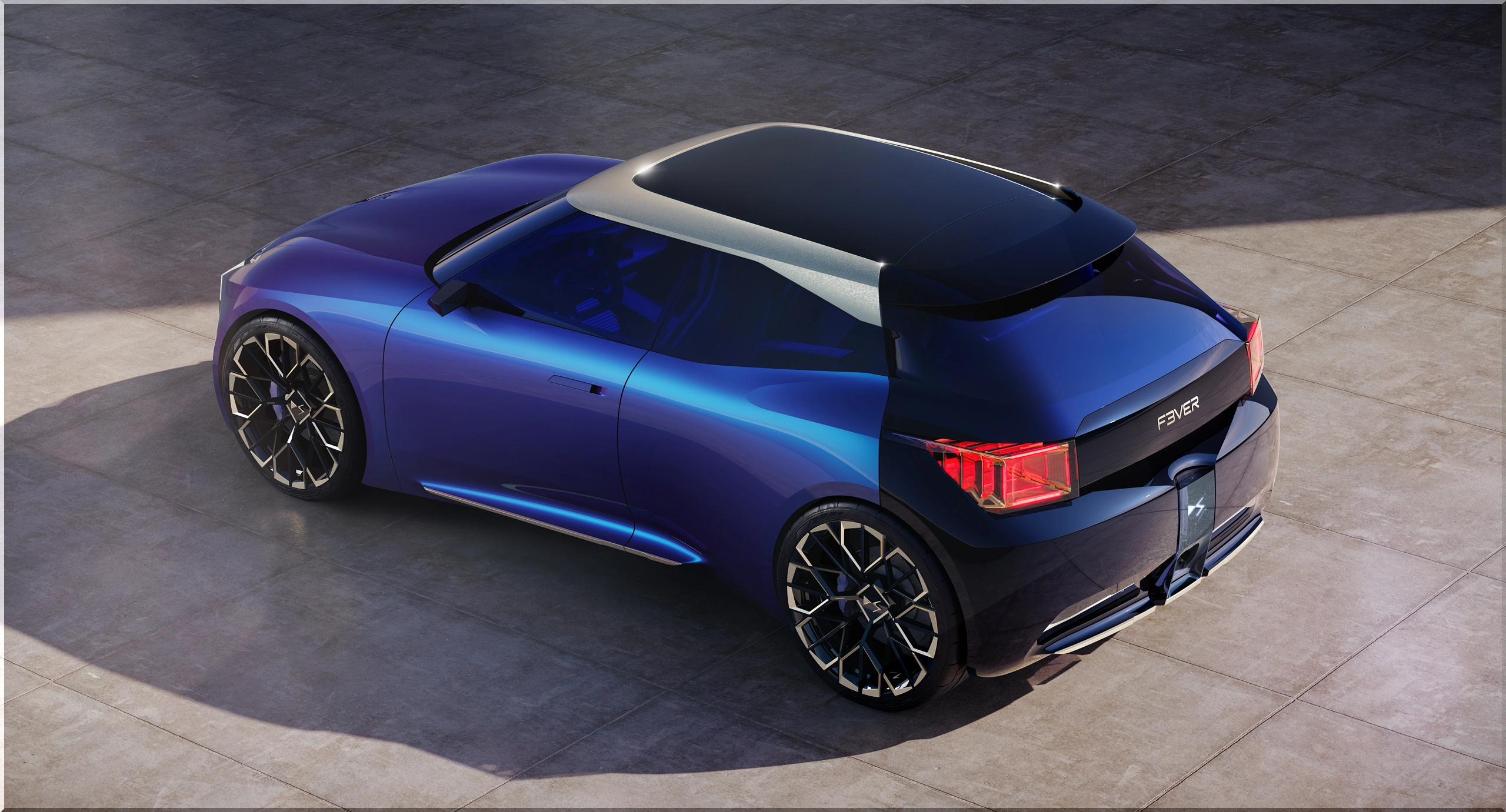
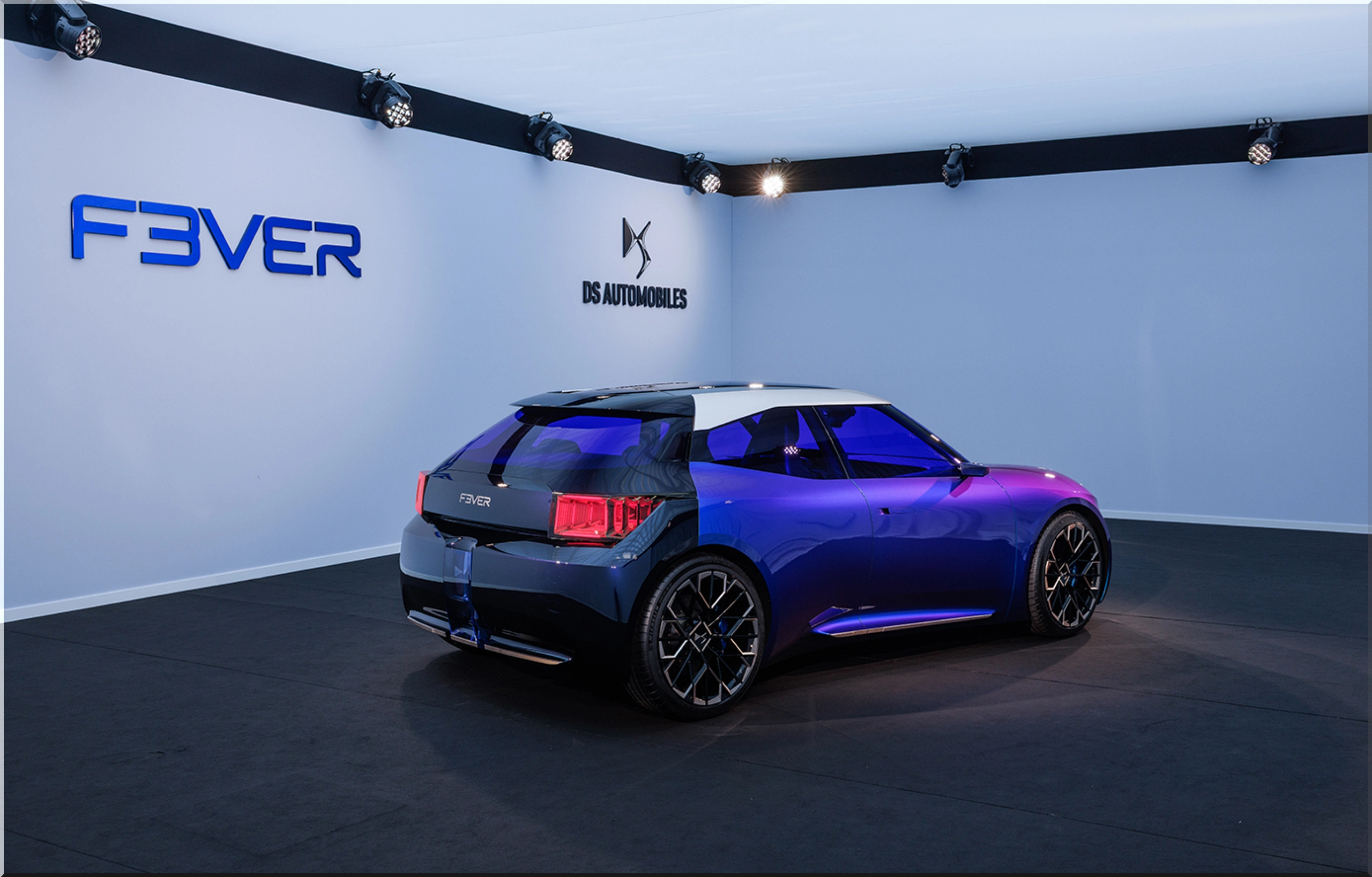
The nose combines a vertical DS emblem with Y-shaped lighting. At the rear, 16 LED panels create a tunnel-like depth effect, while a lightweight magnesium structure supports the assembly. DS takes inspiration from the Grand Palais roof structure, linking the lighting hardware to Parisian architecture.
Video file
Video title
DS F3VER
| Design area | F3VER solution | Intended effect |
|---|---|---|
| Front lighting | Combined headlamp and daytime-running-light assembly | Reduce separate components |
| Rear lighting | 16 LED panels with magnesium support | Create visual depth with lightweight support |
| Bumpers | One-piece construction | Reduce joints and simplify assembly |
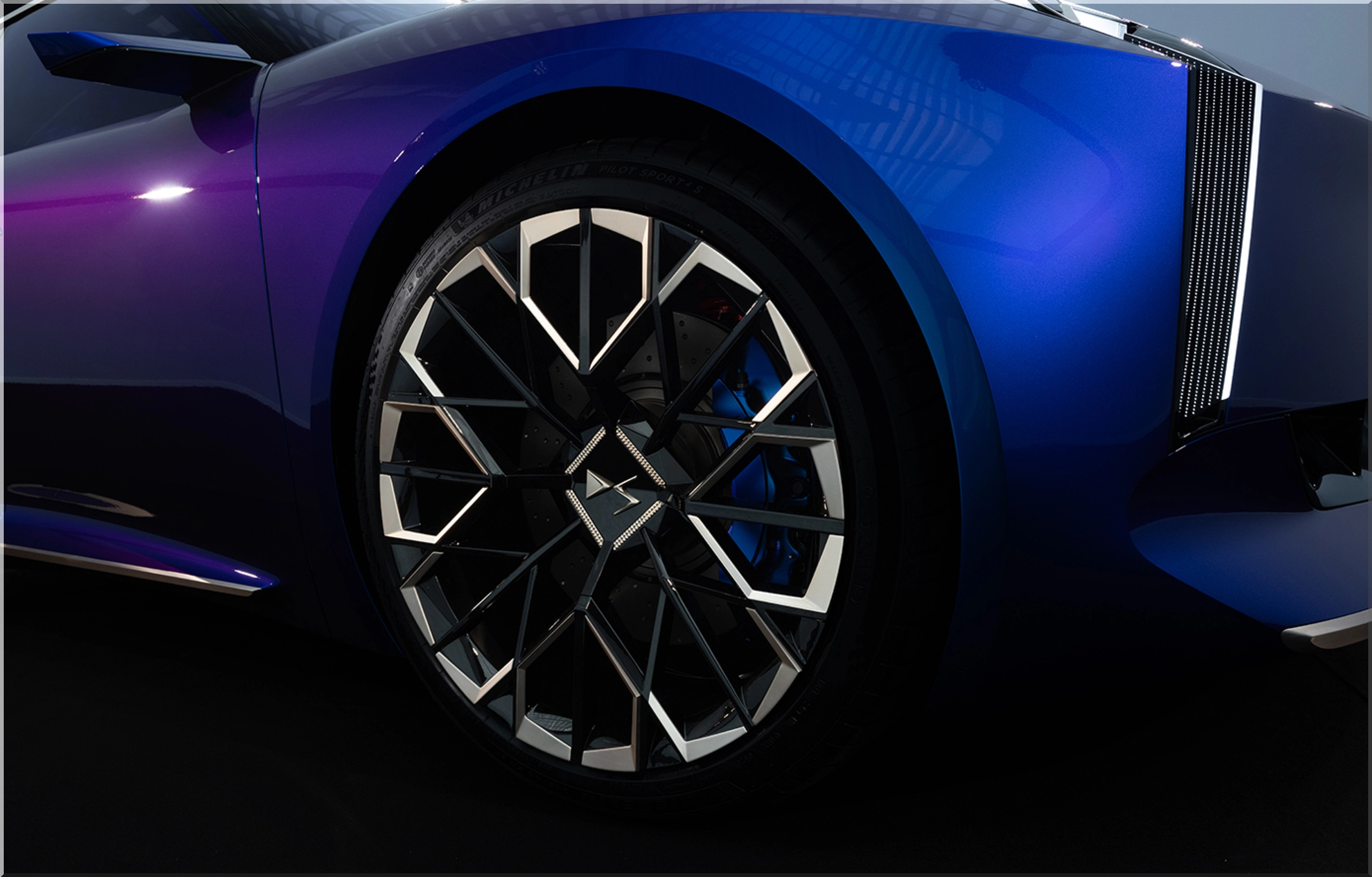
| Wheel arches and lower body | No additional plastic trim | Cut component count and clean up surfaces |
Personalisation Without Extra Body Cladding
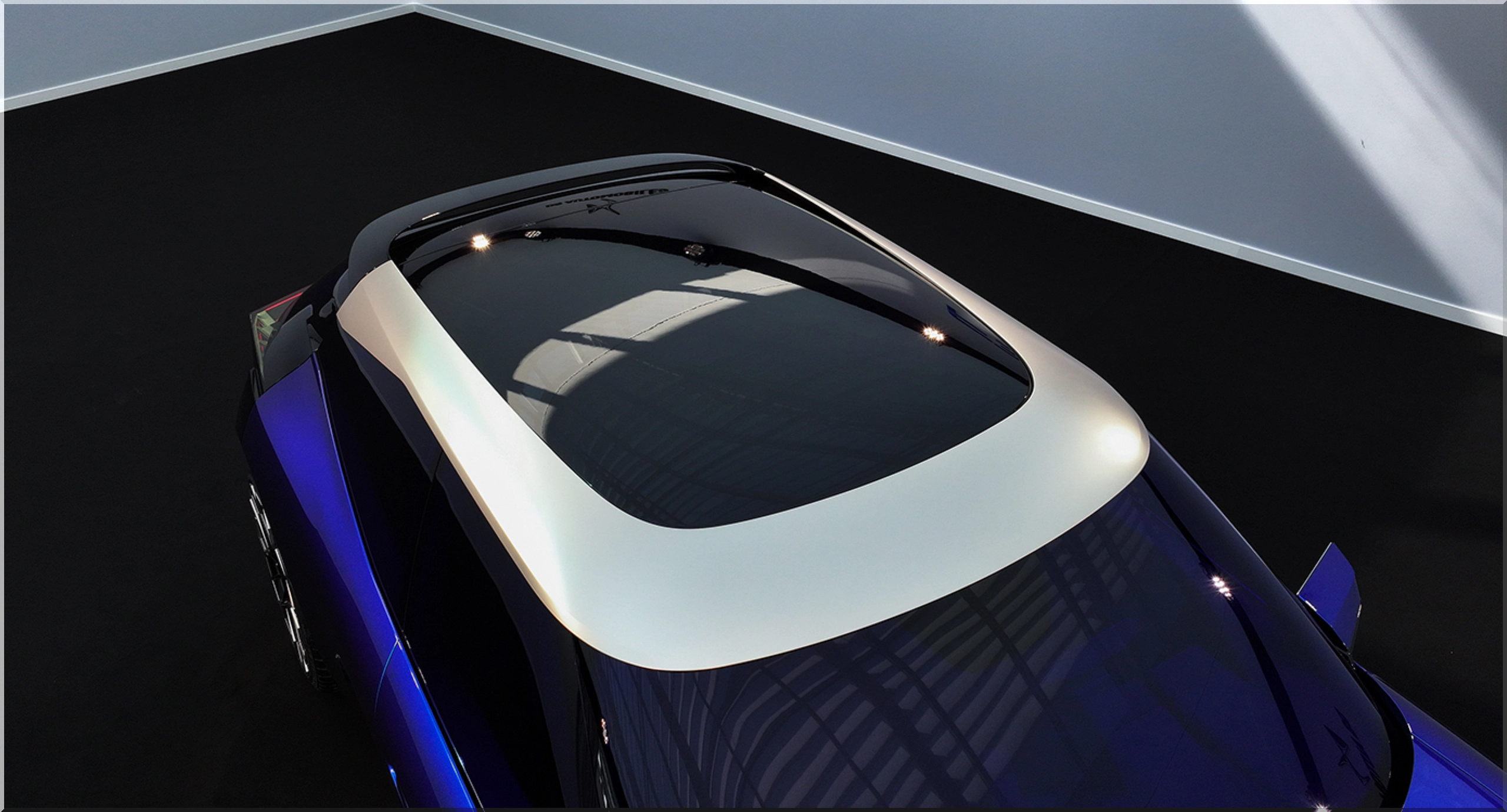
Cosmic Blue dichroic paint shifts from blue to violet as the light changes. In addition, DS extends the two-tone colour boundary around the tailgate, sides and bumper, while a customisable roof ring adds another visual signature. Rear light animations support personalisation and communication with the car's surroundings.
DS calls its component-reduction strategy Design Intelligence. Fewer trim pieces could reduce tooling and assembly work, although DS publishes no kerb weight, drag coefficient or cost savings to quantify the benefit.
Should You Wait for a Production DS F3VER?
Keep shopping if you need a car soon: DS has announced no production approval, launch date or price. Its German release describes a possible production interpretation with an all-electric powertrain, but DS supplies no battery capacity, motor output, torque, charging rate or WLTP range. Those gaps prevent a credible running-cost comparison with today's electric hatchbacks.
Pro-Tips for prospective buyers:
- Compare usable battery capacity and motorway consumption when DS publishes technical data.
- Check the 10-80% charging time and charging curve alongside peak charging power.
- Test rear-seat access and luggage fit in any production version before placing an order.