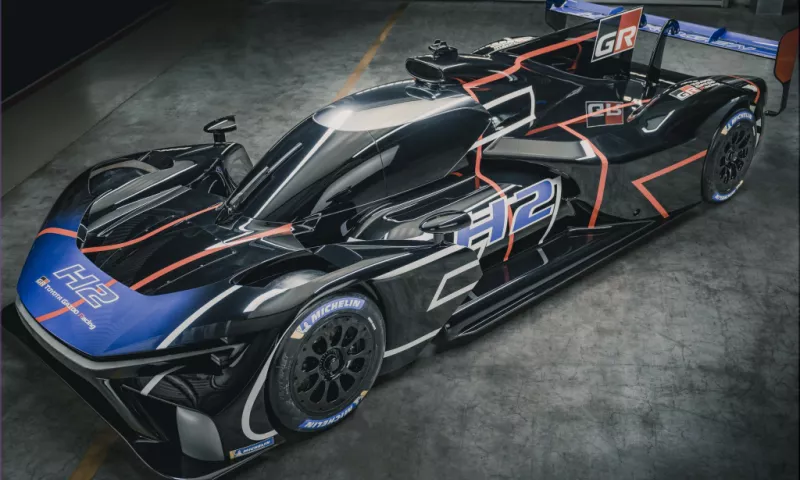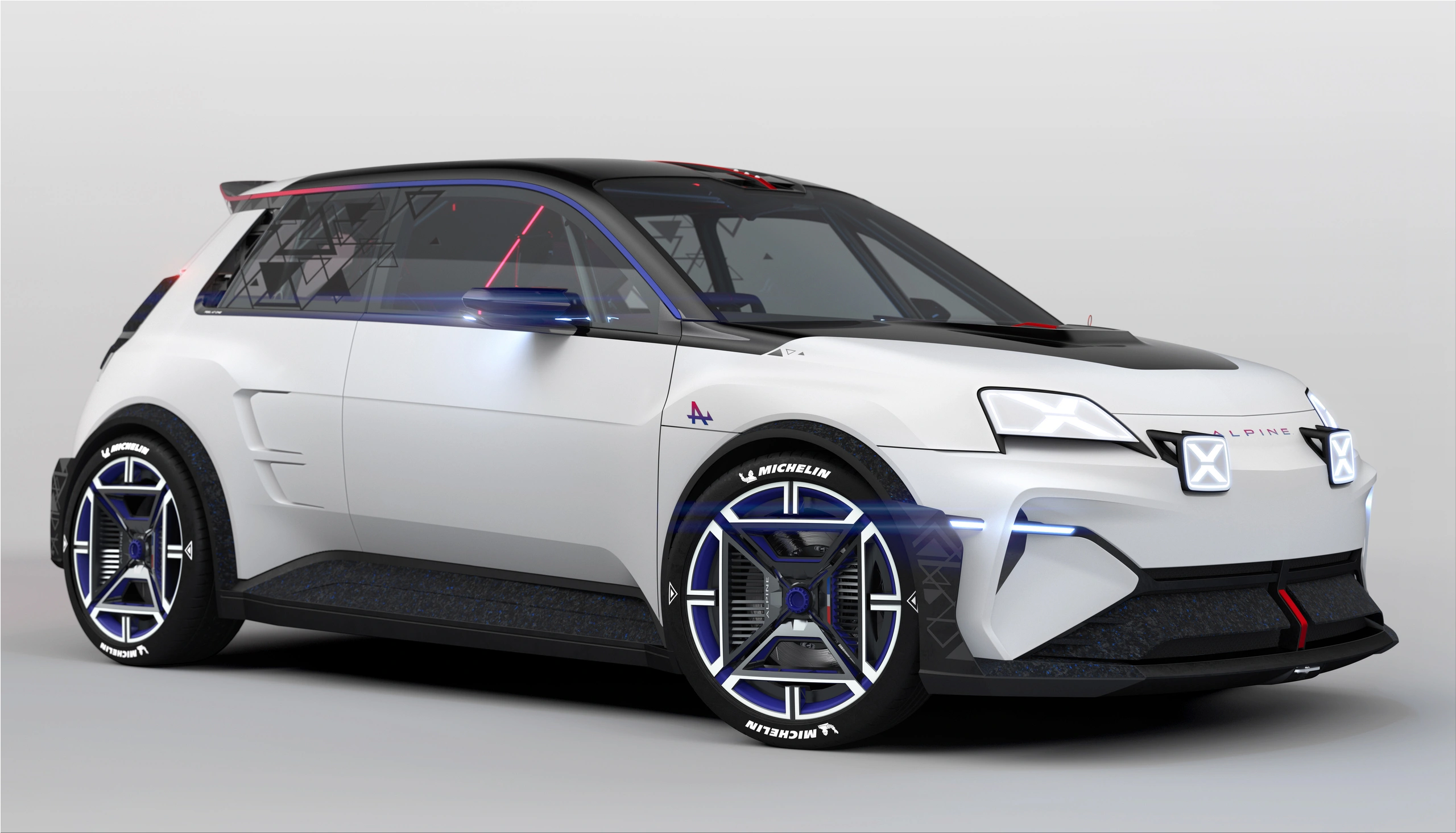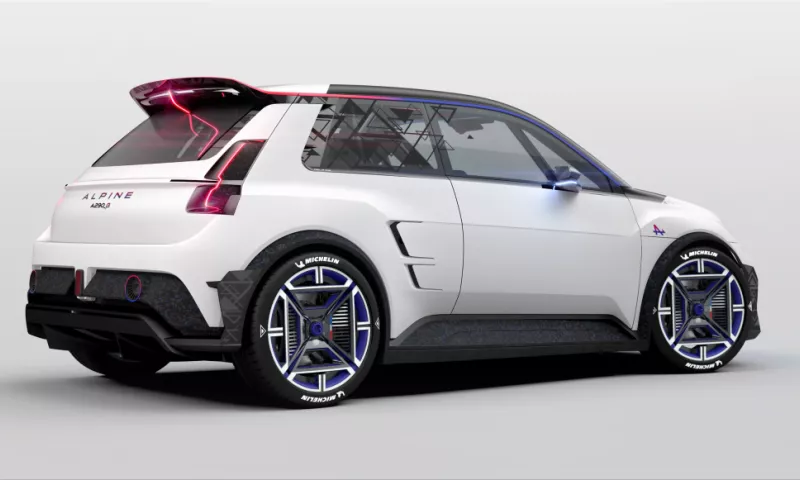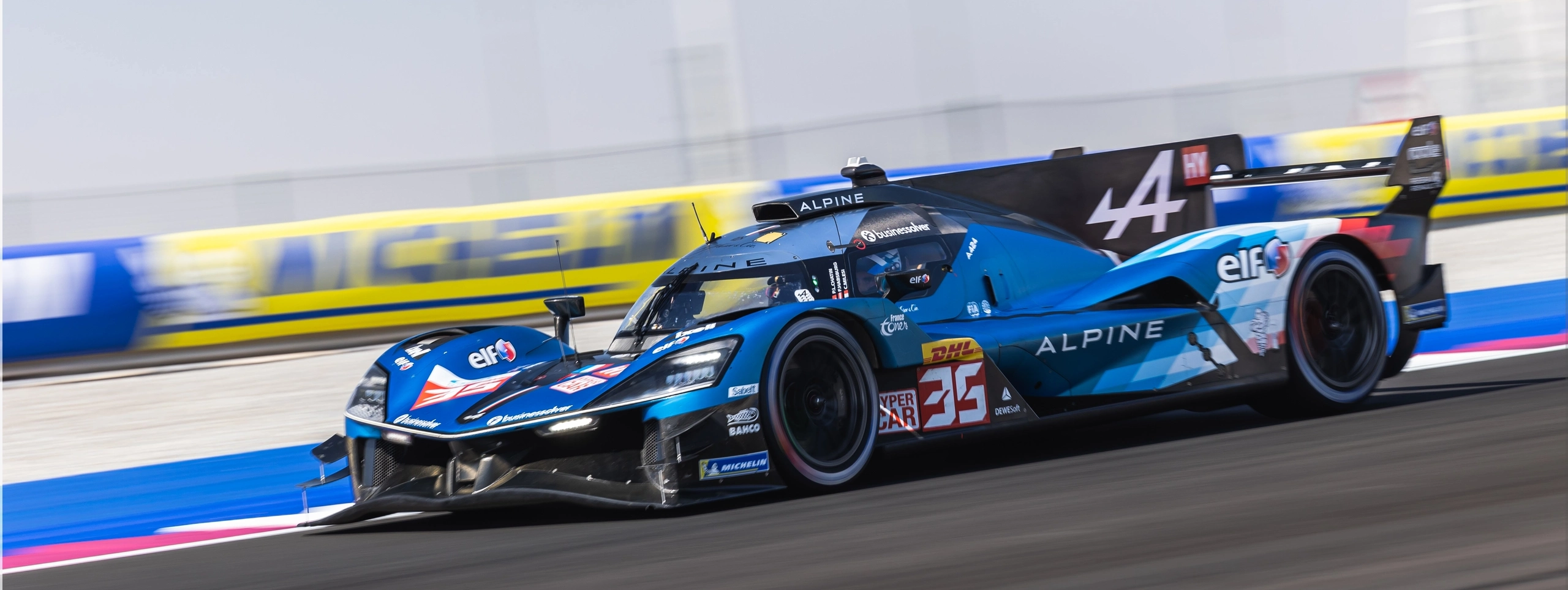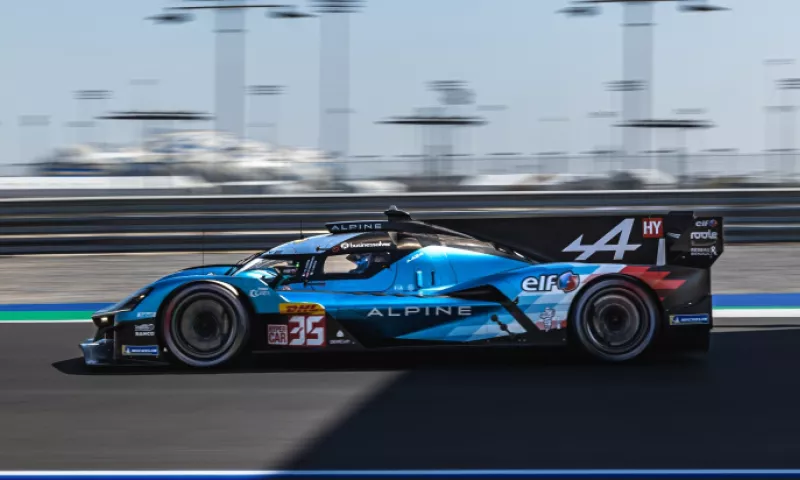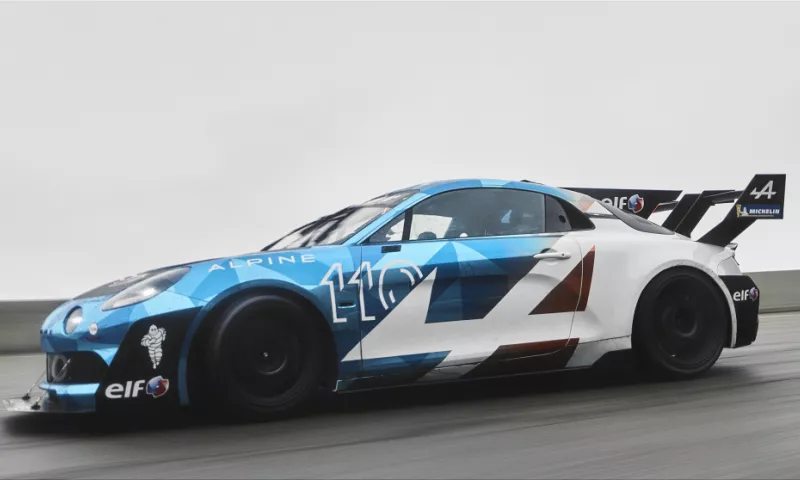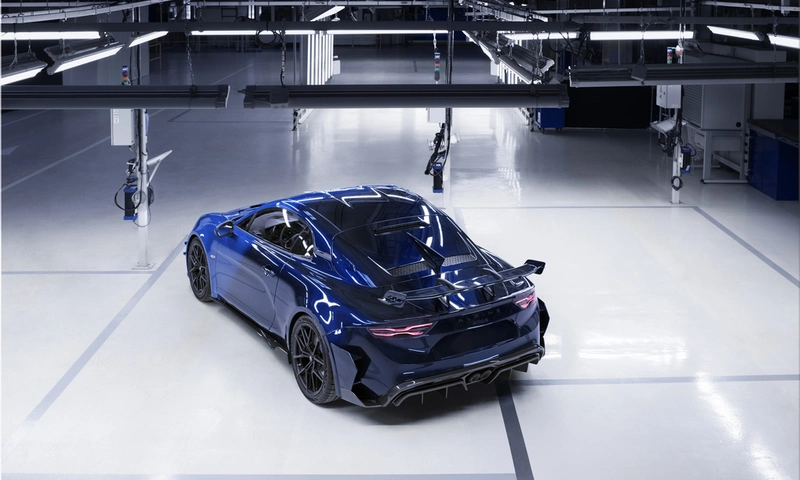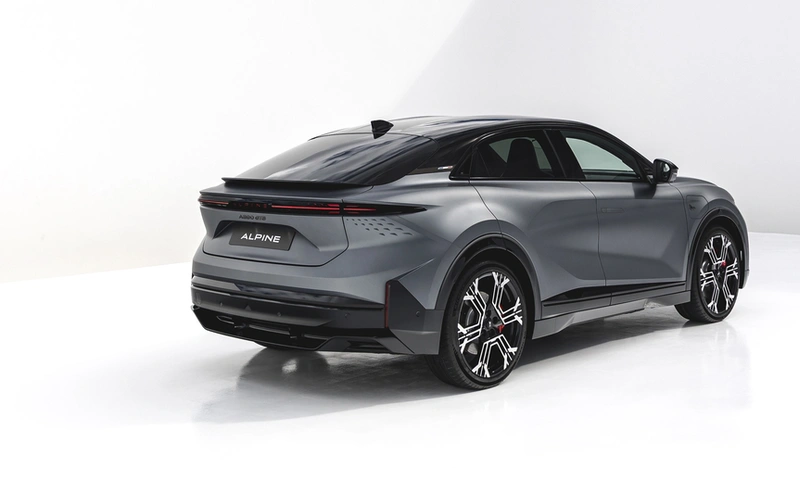
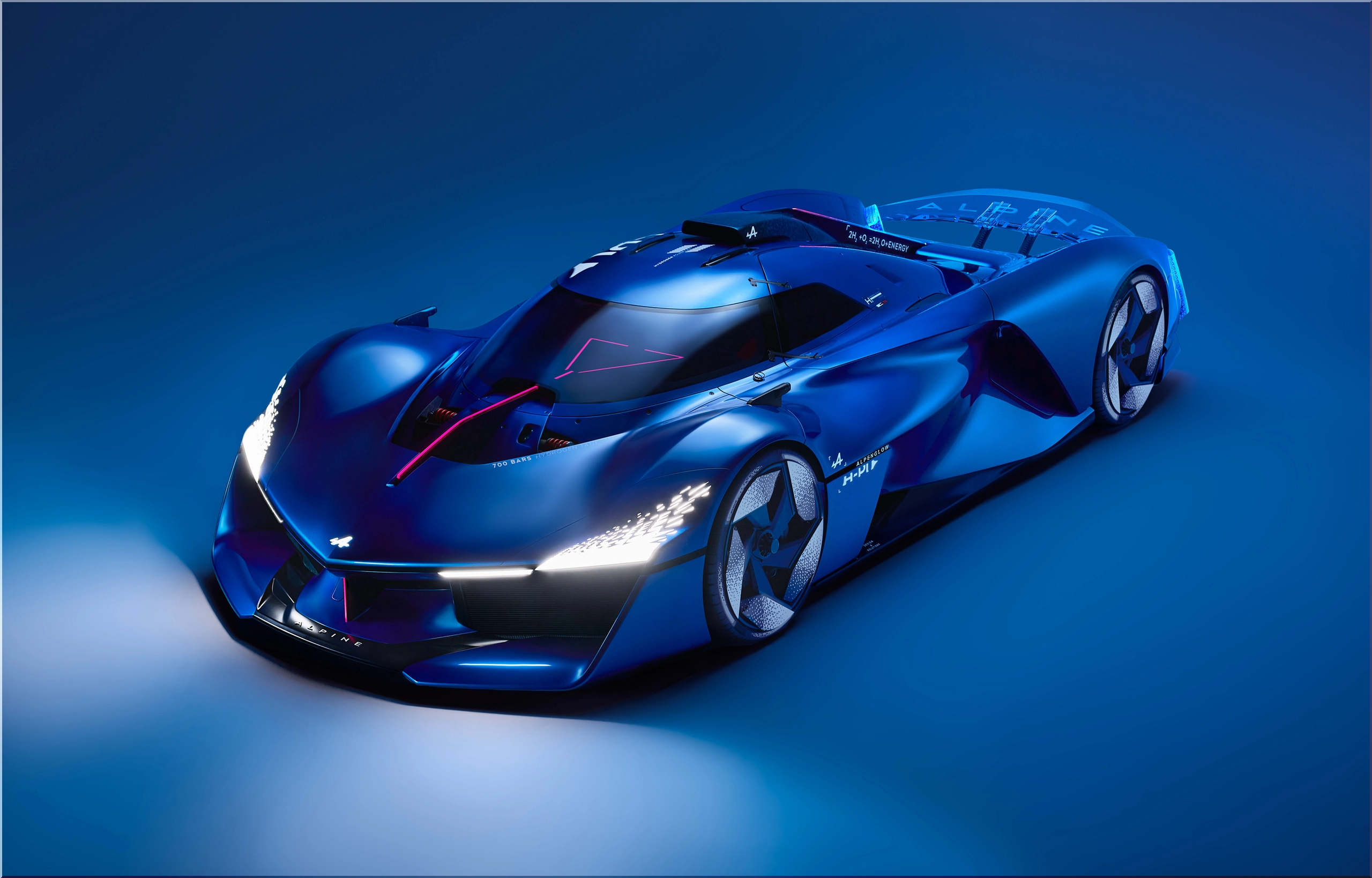
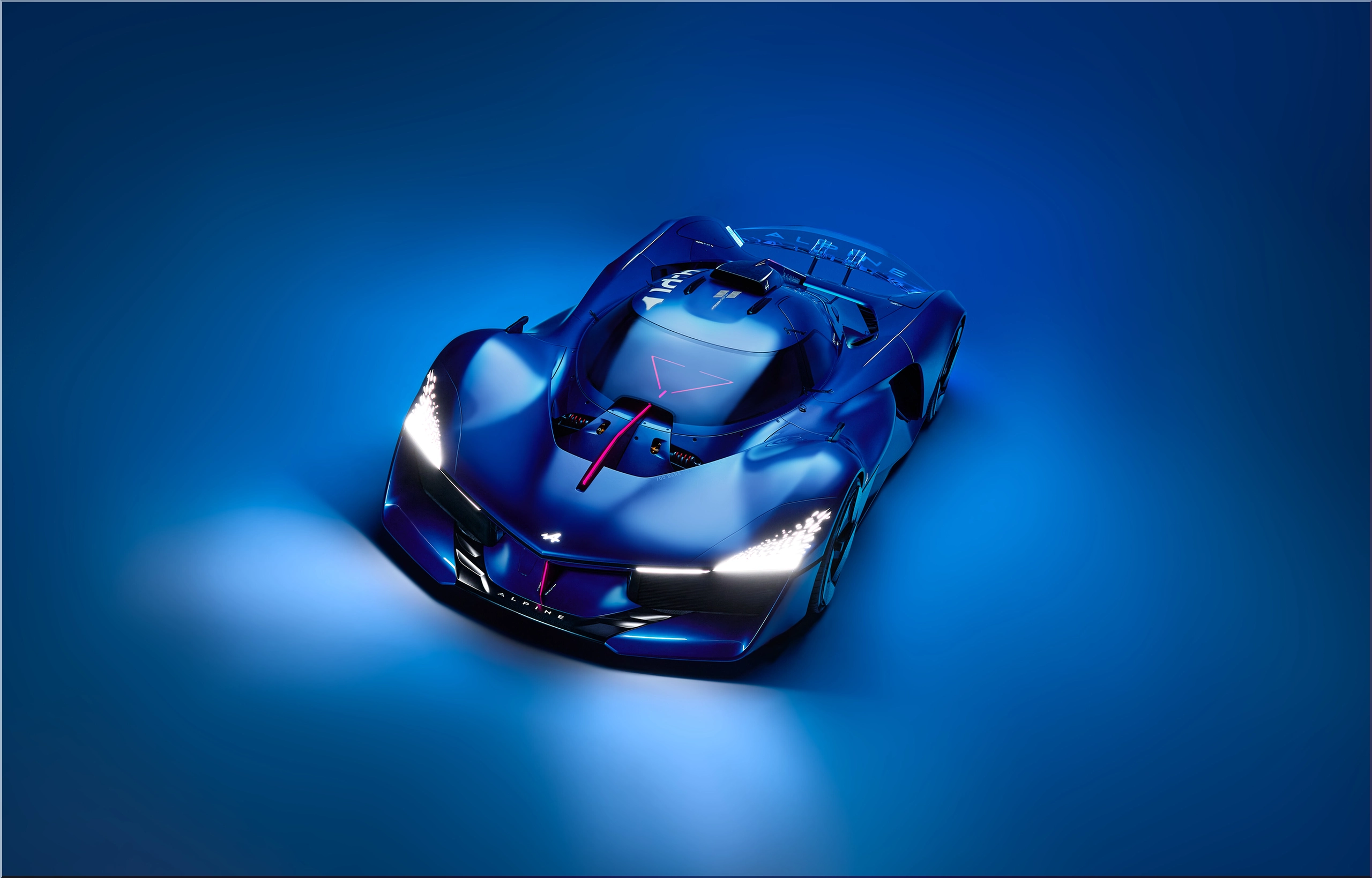
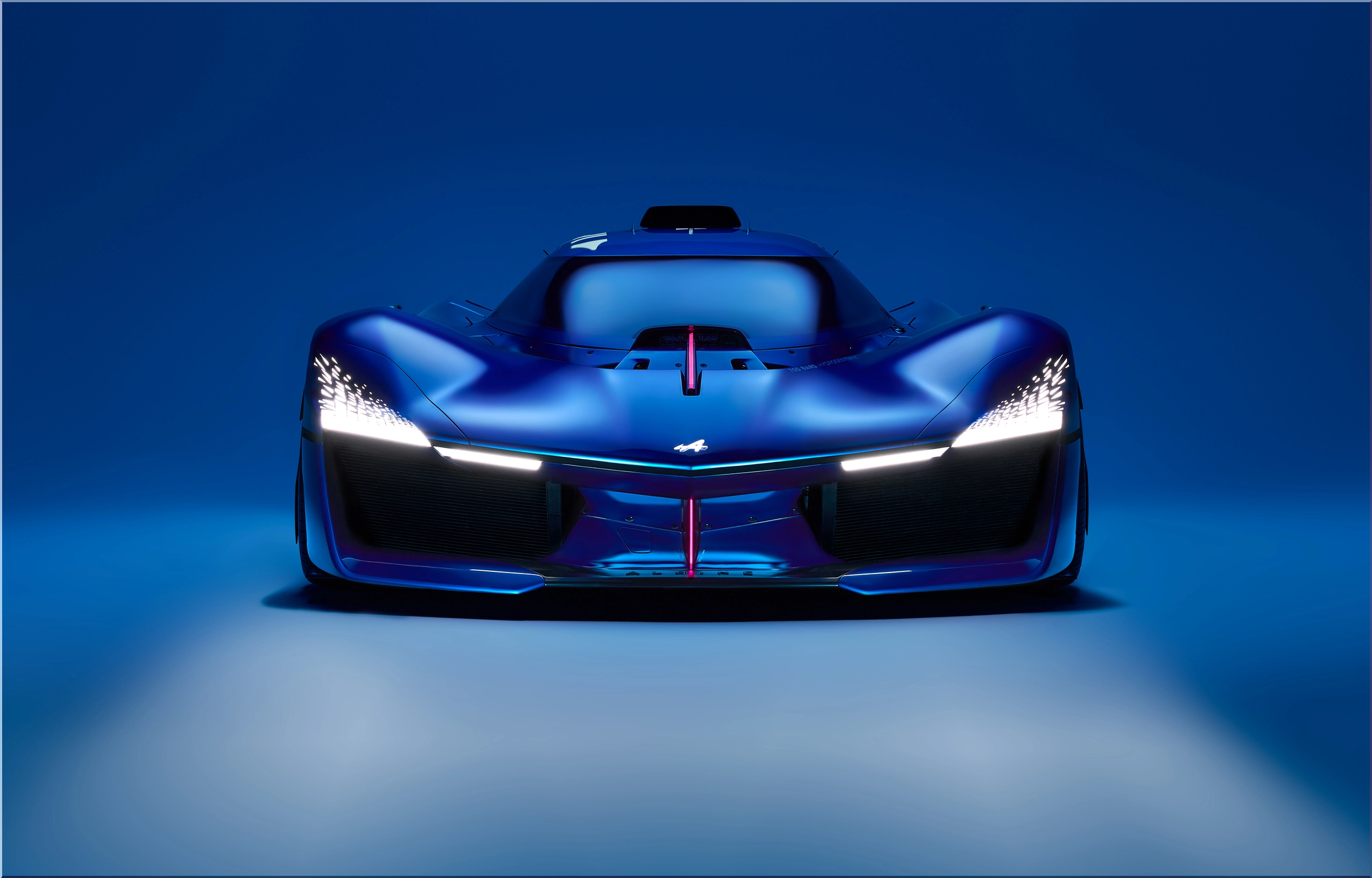
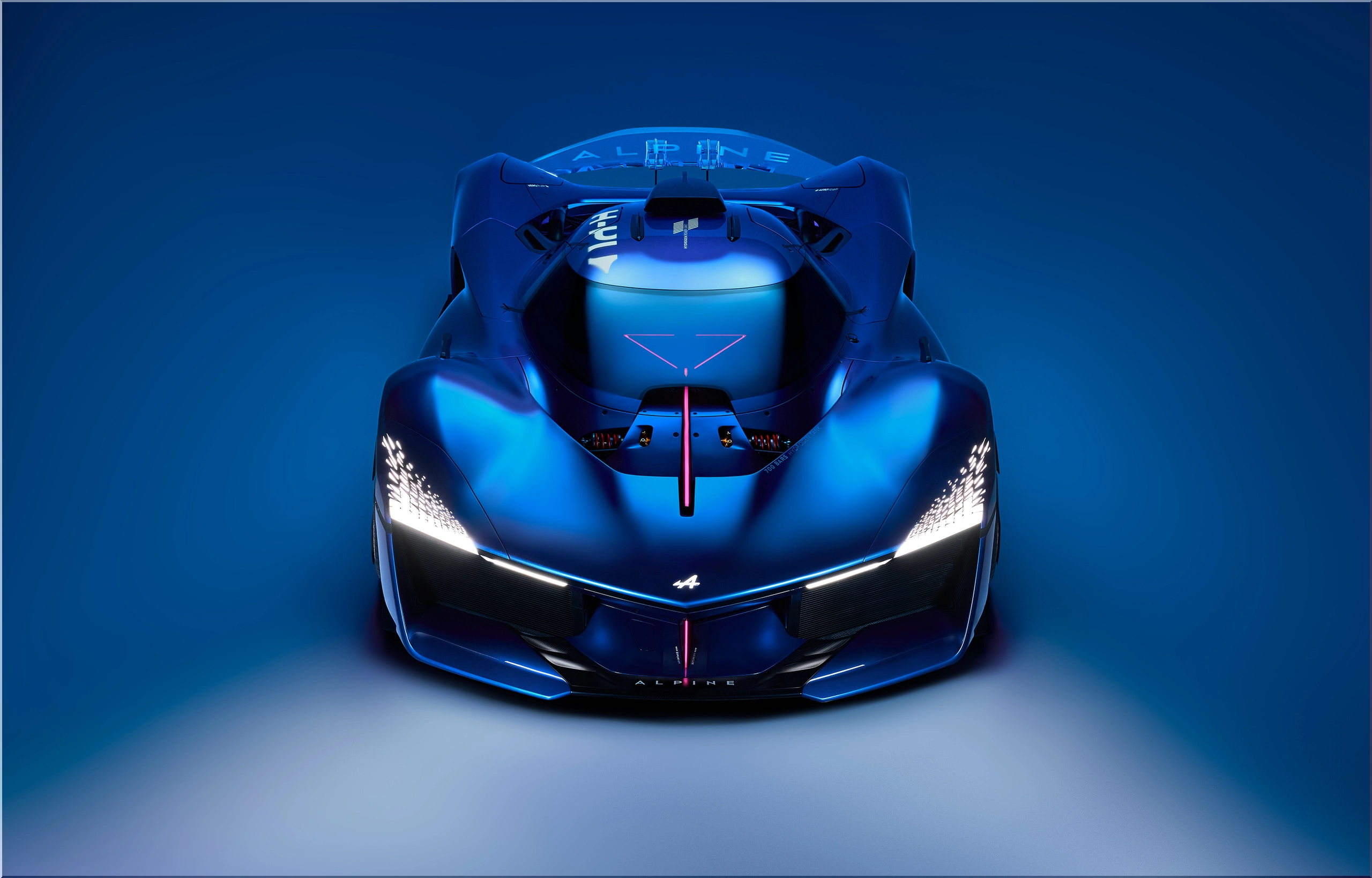
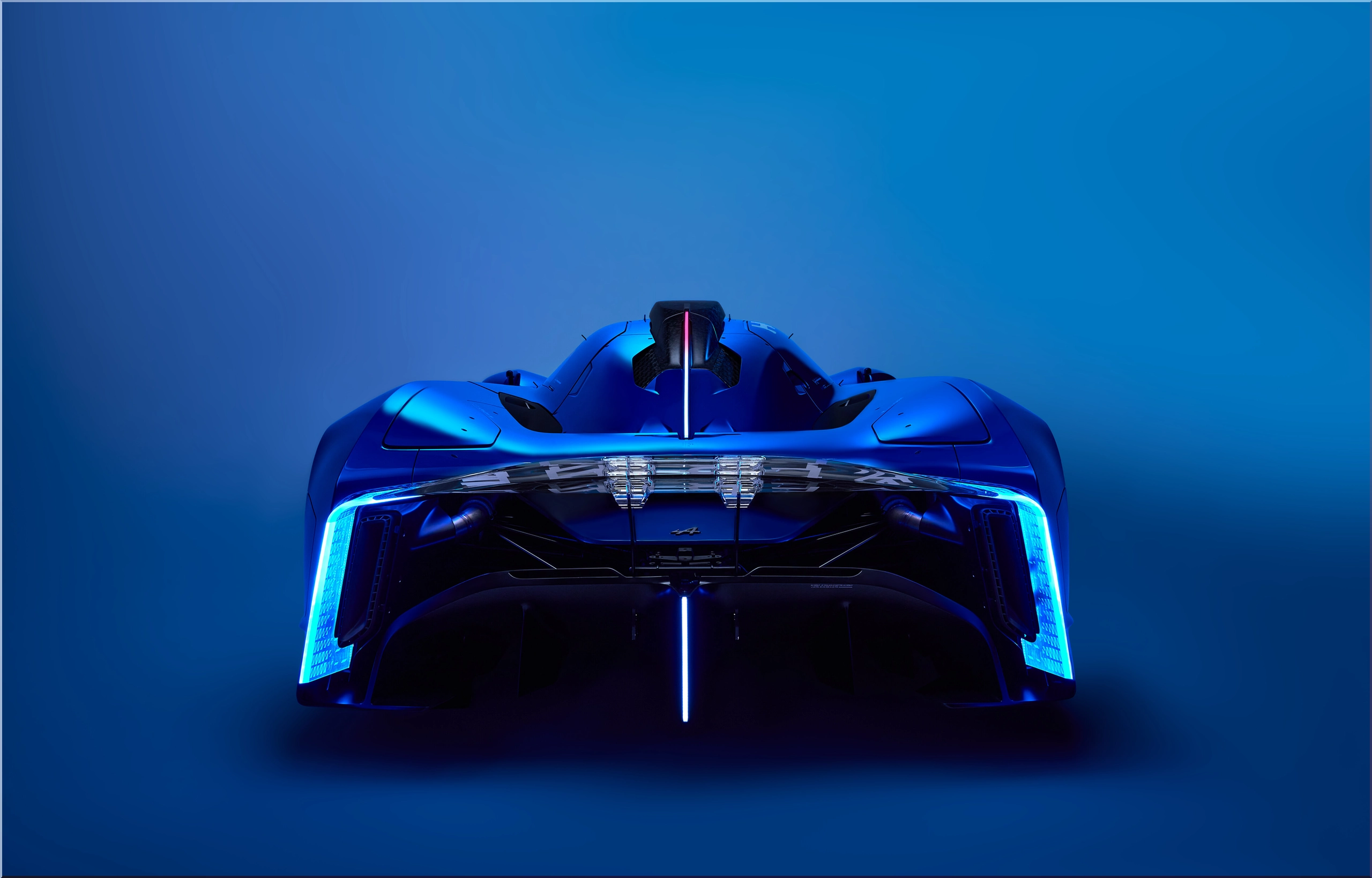
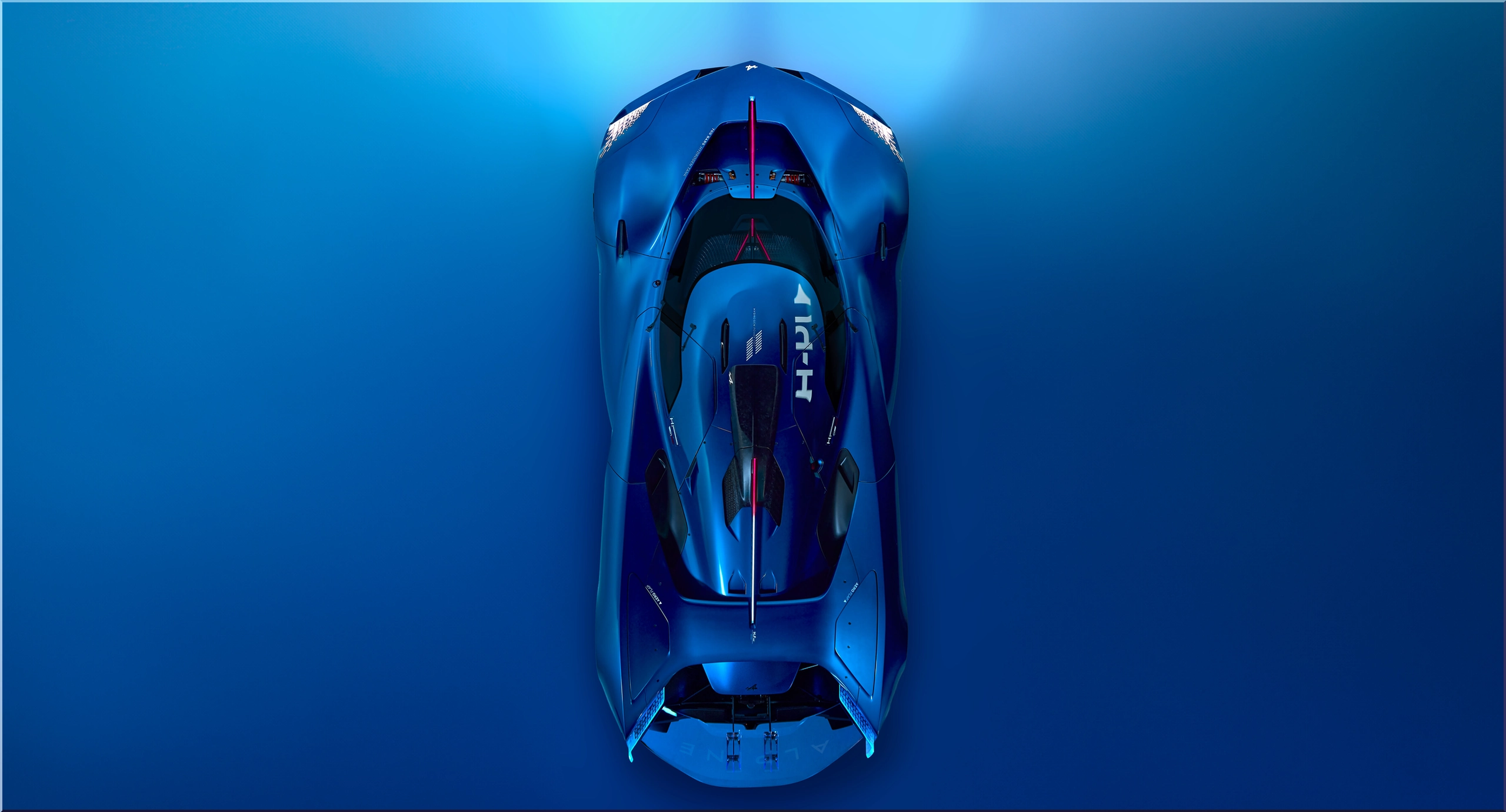
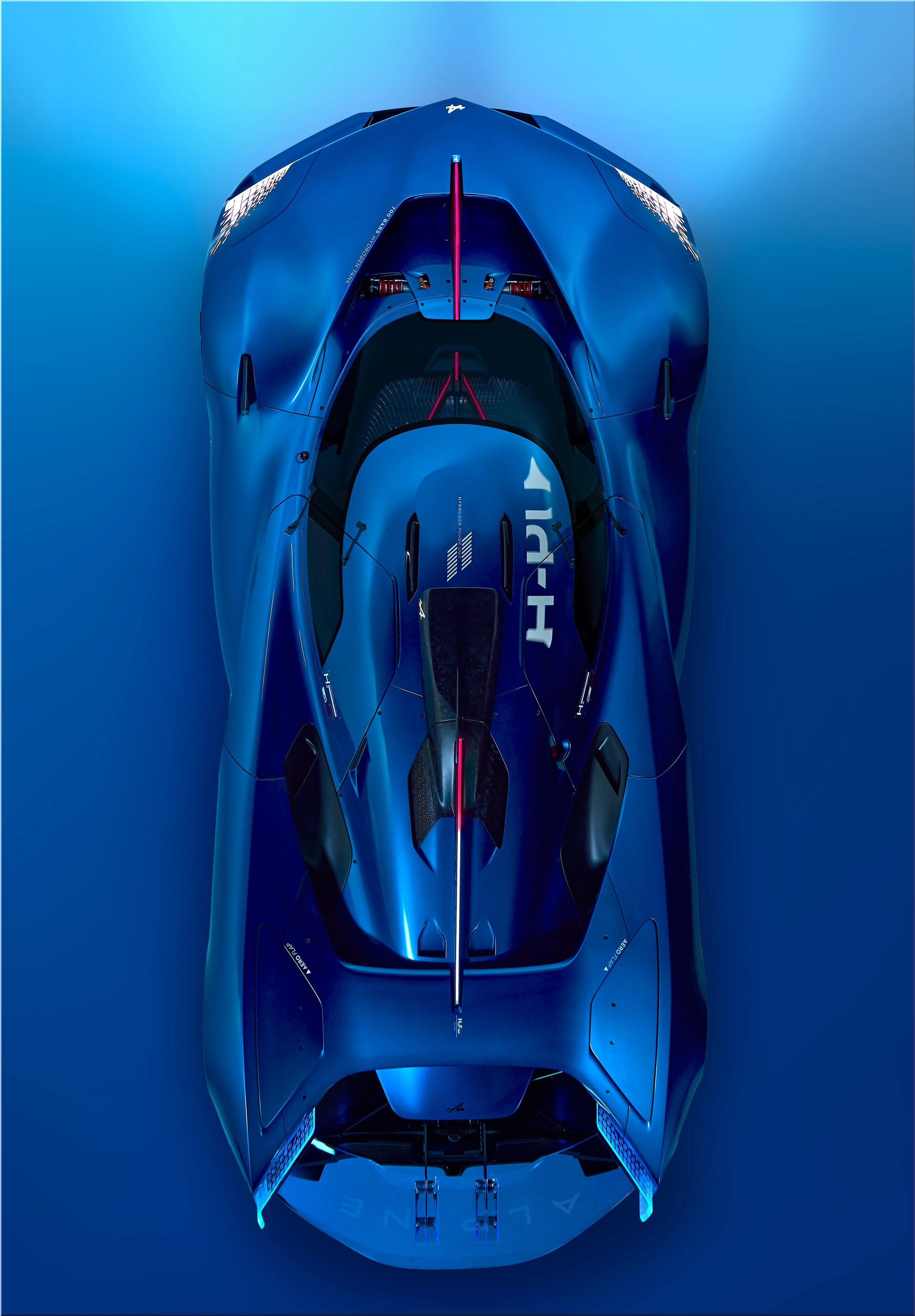
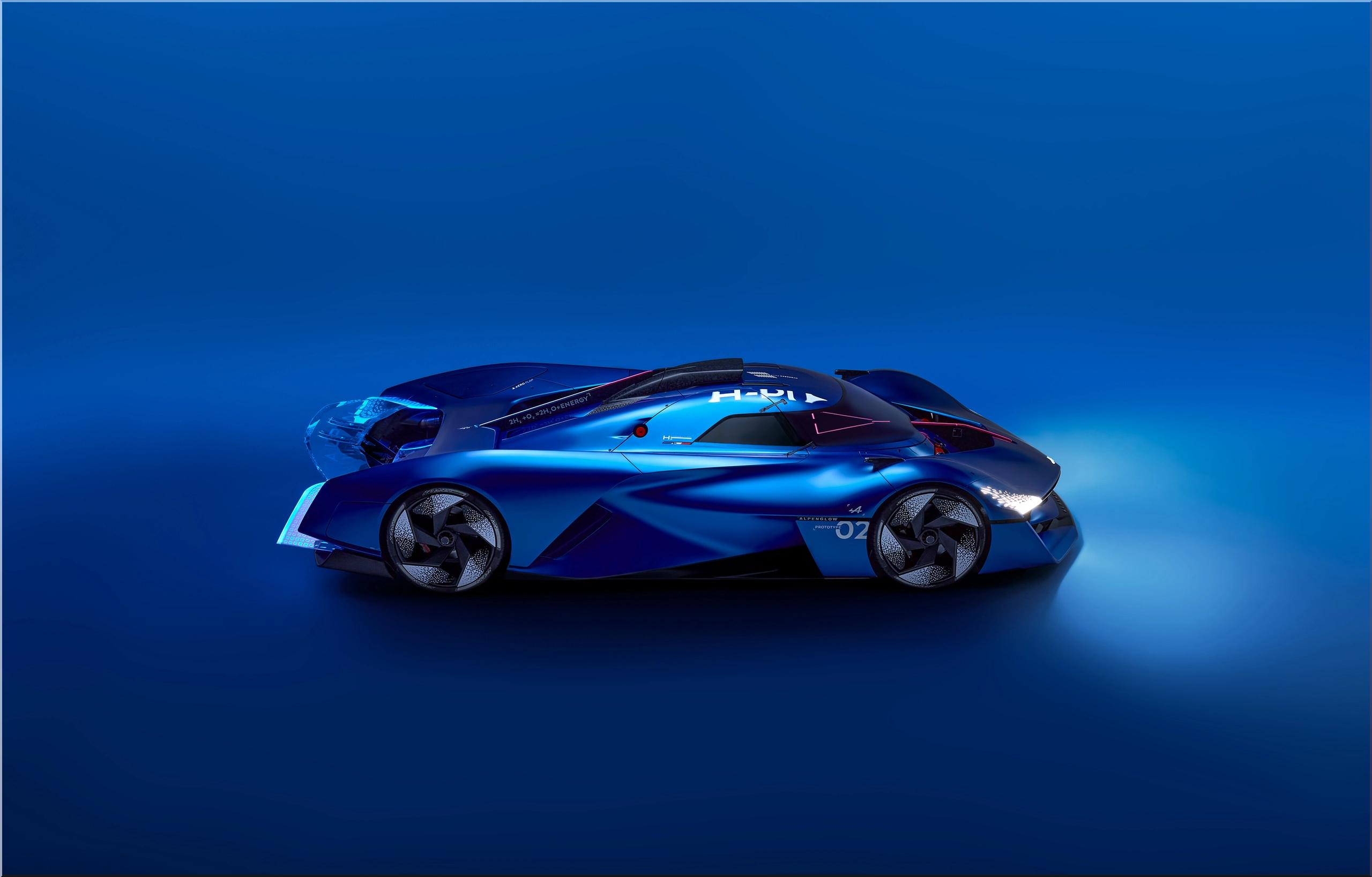
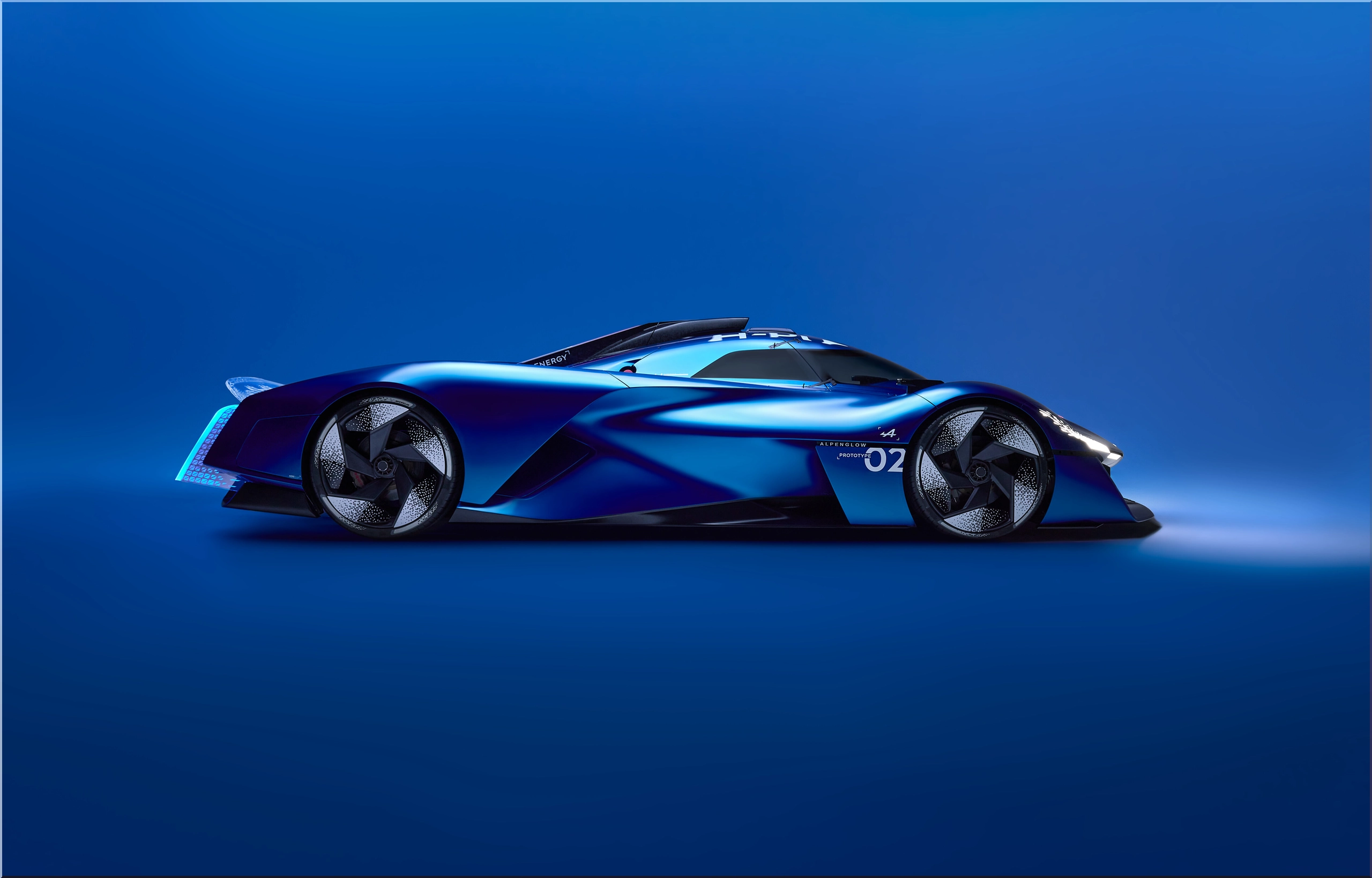
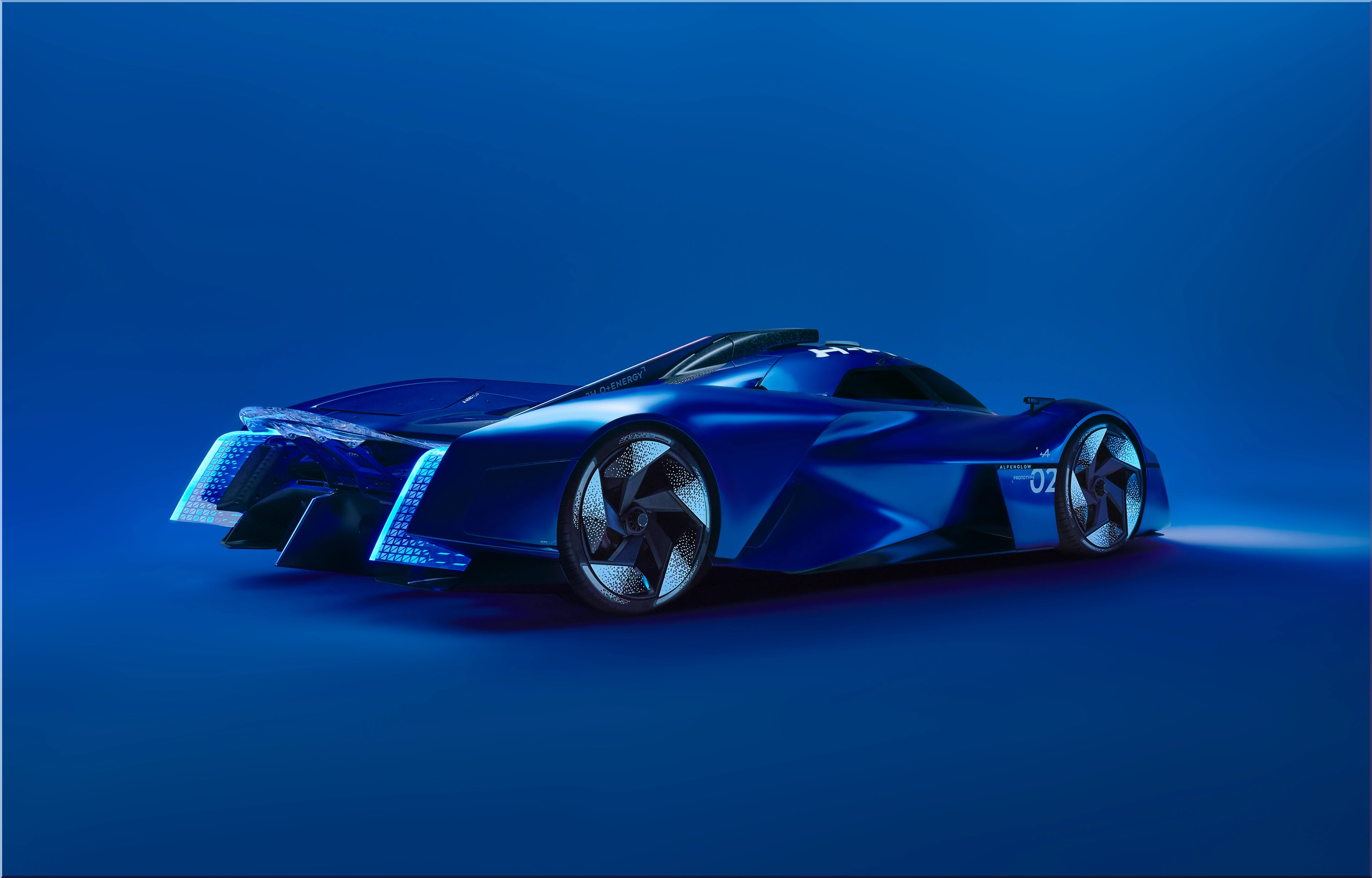
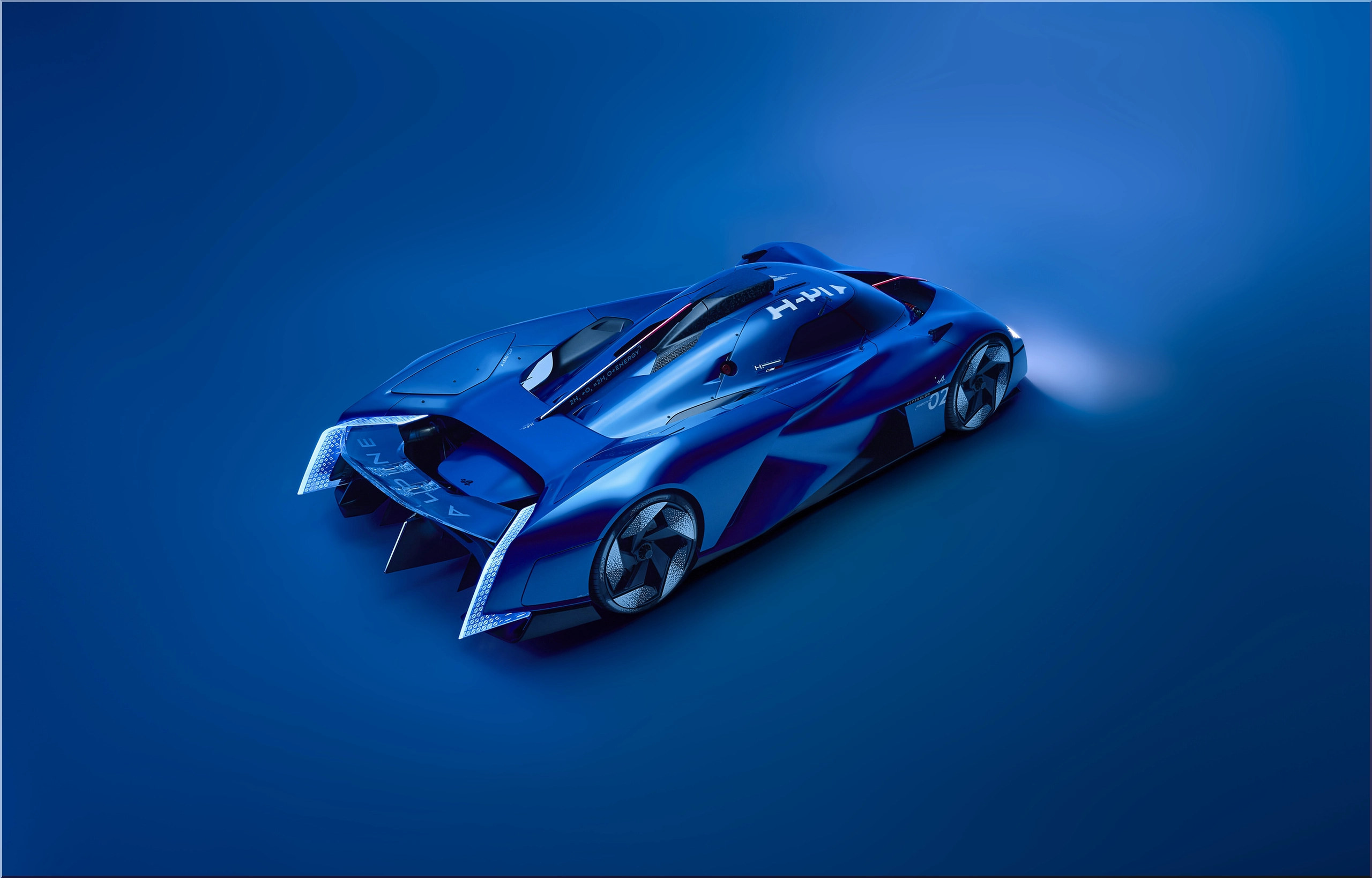
The Alpine Alpenglow Hy4 is a concept car that has transformed into a roaring reality, taking the motorsports world by storm. This hydrogen-powered racing car serves as a rolling laboratory for Alpine, a French manufacturer renowned for its high-performance vehicles. The Alpenglow Hy4 embodies Alpine's commitment to sustainable racing, showcasing the potential of hydrogen combustion engines as a viable alternative to traditional gasoline powertrains.
From Concept to Racetrack: The Alpenglow Hy4's Evolution
The Alpenglow Hy4's journey began as a captivating concept car unveiled in 2022. This initial iteration captured imaginations with its sleek design and focus on hydrogen power. Fast forward to 2024, and the Alpenglow Hy4 has metamorphosed into a functional prototype, ready to scorch the racetrack.
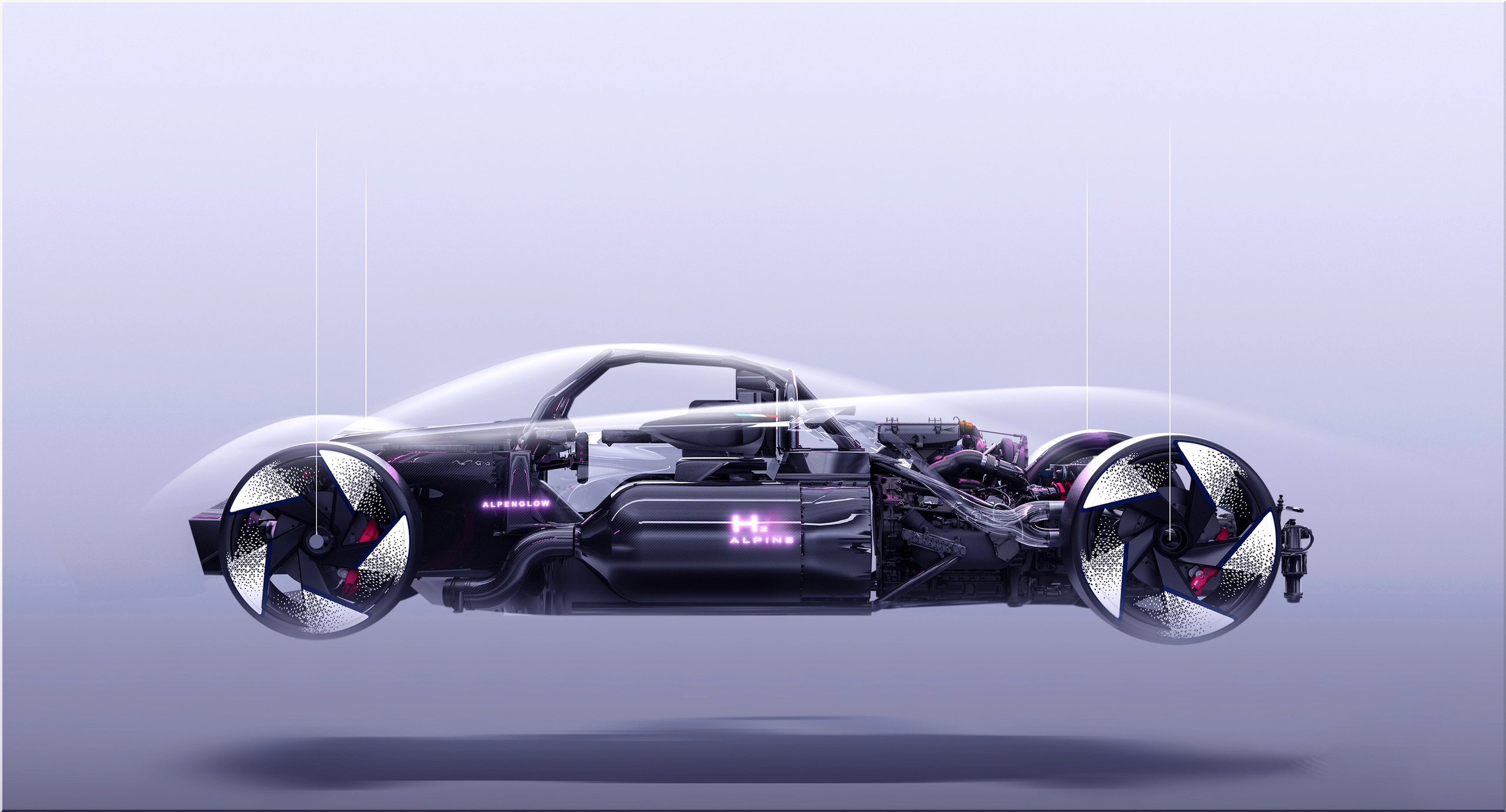
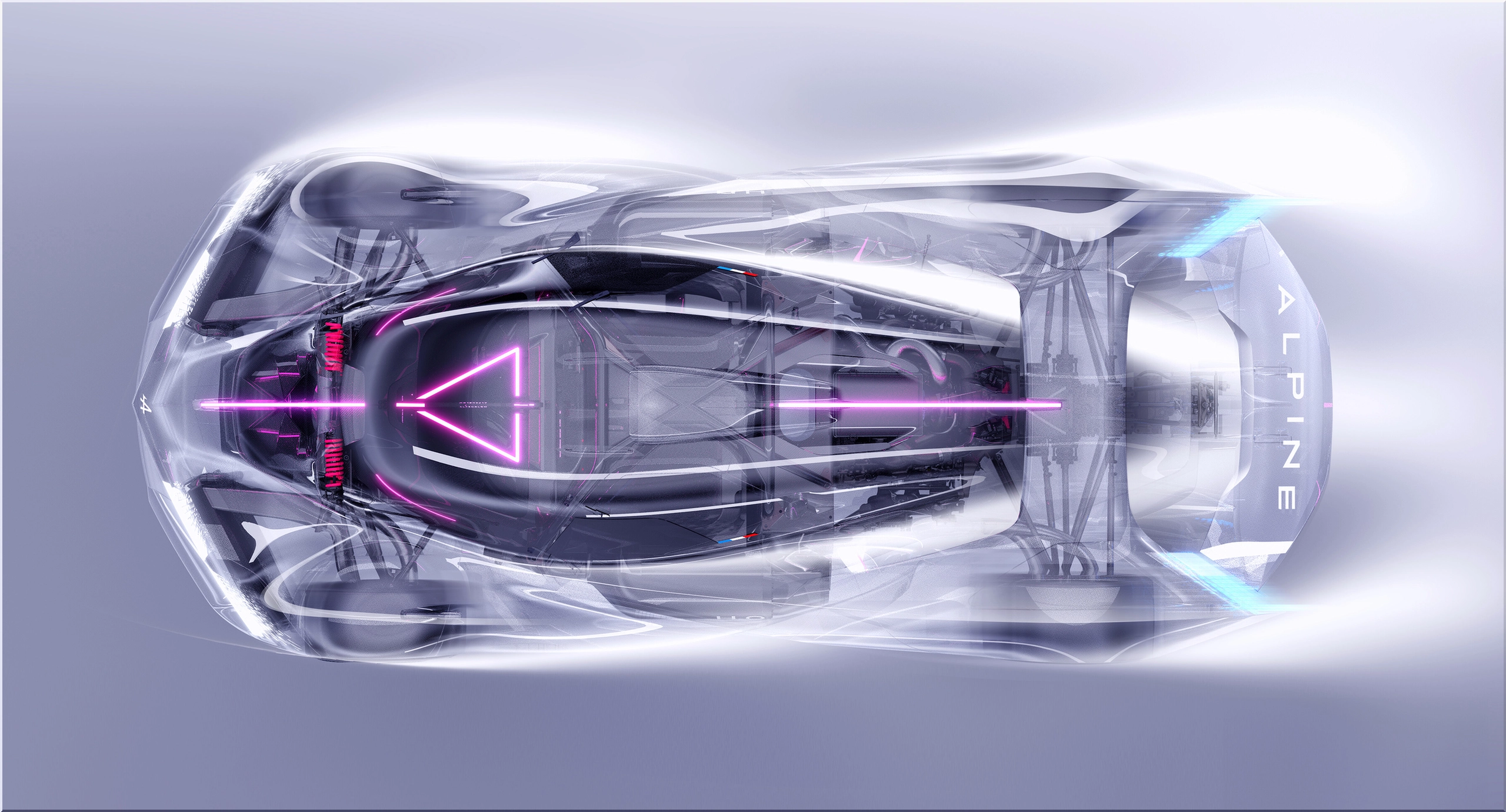
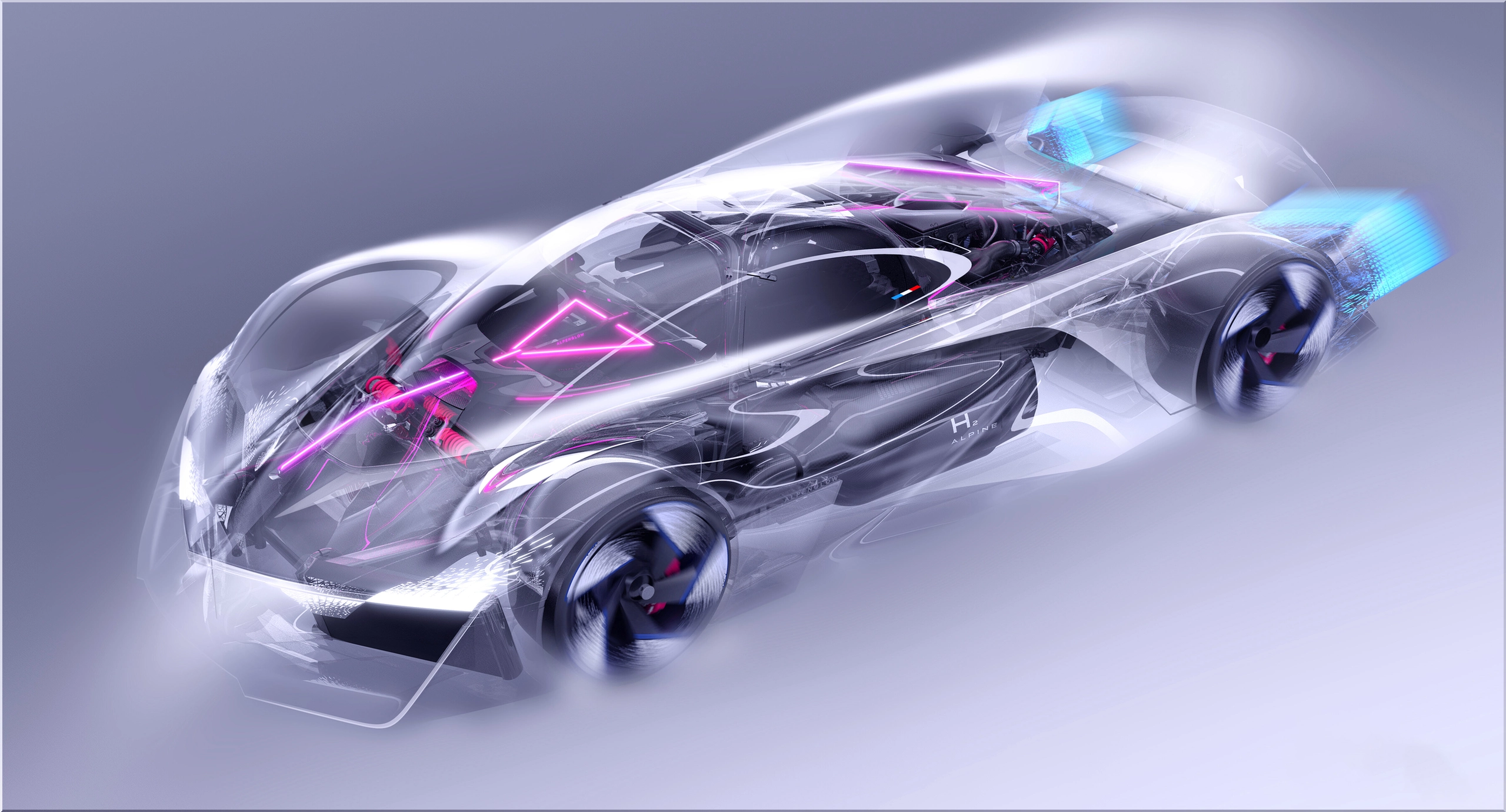
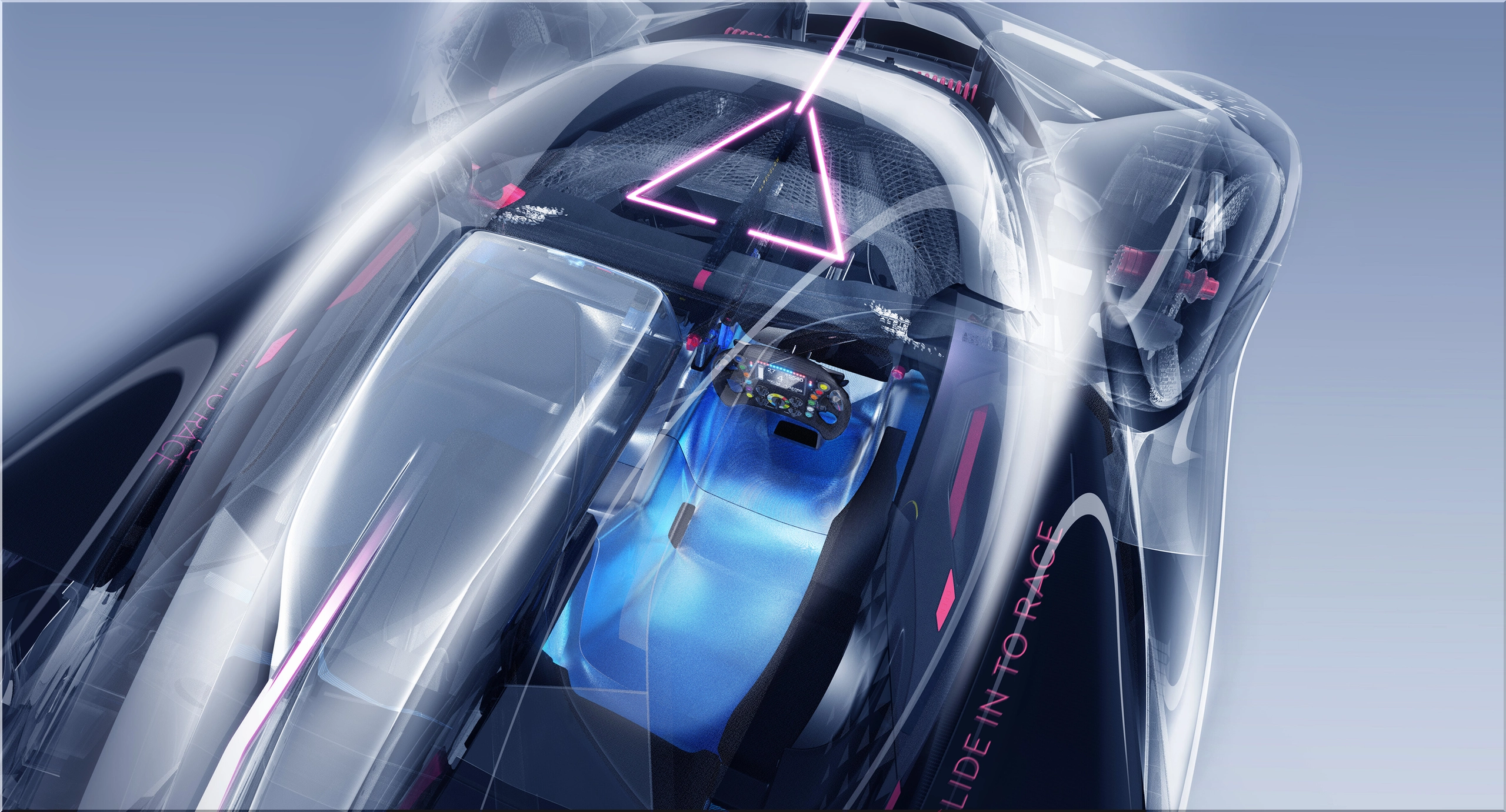
This metamorphosis involved several key changes. The most noticeable difference is the transformation from a single-seater to a two-seater cockpit, allowing for a driver and co-pilot. Additionally, the car's bodywork has been modified to incorporate a crash structure that meets stringent safety regulations. The Alpenglow Hy4 features side pods that house the pressurized hydrogen tanks to accommodate the new hydrogen storage system.
Powering the Future: The Alpenglow Hy4's Hydrogen Combustion Engine
The heart of the Alpenglow Hy4 lies in its innovative hydrogen combustion engine. This turbocharged 2.0-liter, four-cylinder engine generates a respectable 340 horsepower, reaching a peak RPM of 7,000. The engine is fueled by three hydrogen tanks, each boasting a capacity of 4.6 kilograms of hydrogen stored at a pressure of 700 bar. Power is channeled to the rear wheels via a sequential transmission, ensuring optimal performance on the track.
While the current engine is impressive, Alpine isn't resting on its laurels. The company is developing a more potent V-6 engine specifically designed for hydrogen combustion. This future powertrain hints at the immense potential of hydrogen technology in the realm of high-performance vehicles.
Technical Specifications Unveiled:
- Base car: Alpine A480 race car
- Chassis: Carbon monocoque for lightweight and superior rigidity
- Engine:
- Type: Turbocharged hydrogen combustion engine
- Displacement: 2.0 liters
- Cylinders: 4
- Horsepower: 340 bhp
- Maximum RPM: 7,000 rpm
- Transmission: Sequential racing gearbox with a centrifugal clutch
- Hydrogen storage:
- Three tanks
- Capacity per tank: 4.6 kilograms
- Storage pressure: 700 bar
A Glimpse into the Future: What the Alpenglow Hy4 Signifies
The Alpenglow Hy4 transcends the boundaries of a mere racing car. It serves as a testament to Alpine's forward-thinking approach to sustainable motorsport. By spearheading hydrogen combustion engine technology, Alpine is paving the way for a cleaner, more environmentally friendly future for racing.
The Alpenglow Hy4's participation in prestigious races like the 24 Hours of Le Mans further underscores its significance. This real-world testing ground provides valuable data that will aid in refining hydrogen combustion technology. The Alpenglow Hy4's success could inspire a domino effect, prompting other manufacturers to explore hydrogen power as a viable option for their racing endeavors.
Key Takeaways:
- The Alpine Alpenglow Hy4 is a hydrogen-powered racing car that serves as a rolling laboratory for testing hydrogen combustion engine technology.
- The Alpenglow Hy4 features a turbocharged 2.0-liter, four-cylinder engine that generates 340 horsepower.
- Alpine is developing a more powerful V-6 engine specifically designed for hydrogen combustion.
- The Alpenglow Hy4's participation in major races signifies Alpine's commitment to sustainable motorsport and paves the way for a future powered by hydrogen.
The emergence of the Alpine Alpenglow Hy4 marks a pivotal moment in the history of motorsports. It signifies a paradigm shift towards sustainable racing fueled by innovation and a shared vision for a cleaner future. As the technology matures and gains traction, we can expect to see more hydrogen-powered race cars tearing down the track, leaving behind a legacy of environmental responsibility and awe-inspiring performance.
Beyond the Spec Sheet: Potential Advantages of Hydrogen Power
While the technical specifications offer a glimpse into the Alpenglow Hy4's capabilities, the true potential of hydrogen power lies in its inherent advantages:
- Reduced Emissions: Unlike traditional gasoline engines, hydrogen combustion engines produce only water vapor as a byproduct. This significantly reduces greenhouse gas emissions and air pollution, creating a cleaner racing environment.
- Faster Refueling: Compared to electric vehicles, hydrogen refueling times are significantly faster, offering a crucial advantage in endurance races like the 24 Hours of Le Mans. This quicker turnaround time translates to less time spent in the pits and more time spent battling on the track.
- Potential for Performance: Hydrogen combustion engines can deliver exciting performance on par with traditional gasoline engines. The Alpenglow Hy4's 340 horsepower is a testament to this potential, and future advancements can unlock even greater levels of power and torque.
- Sustainable Future: Hydrogen fuel can be produced from solar and wind power sources. This creates a closed-loop system, reducing reliance on fossil fuels and paving the way for a more sustainable future for motorsports.
The Alpine Alpenglow Hy4 is more than just a racing car; it's a pioneering experiment with the potential to reshape the landscape of motorsports. As hydrogen technology continues to evolve, we can expect to see even more powerful, efficient, and environmentally friendly race cars take center stage, leaving a legacy of innovation and clean competition.
- Add new comment
- 230 views