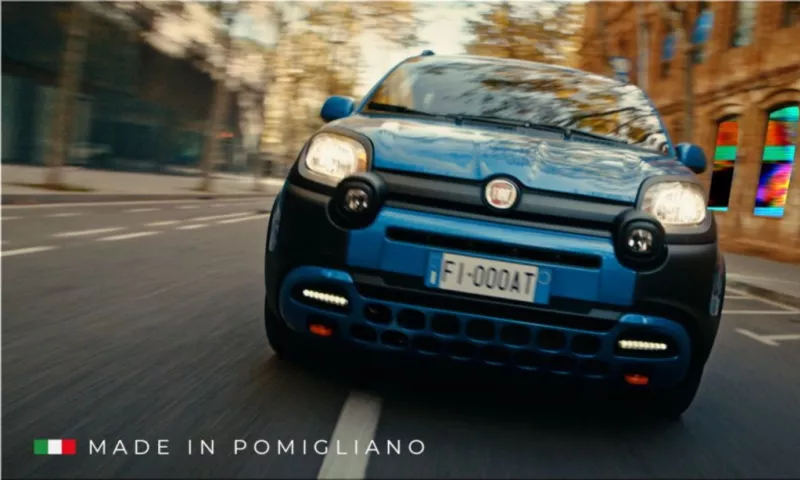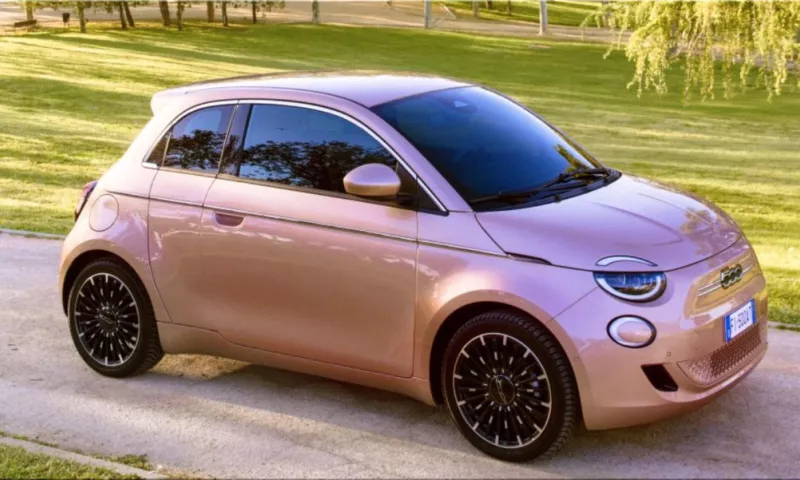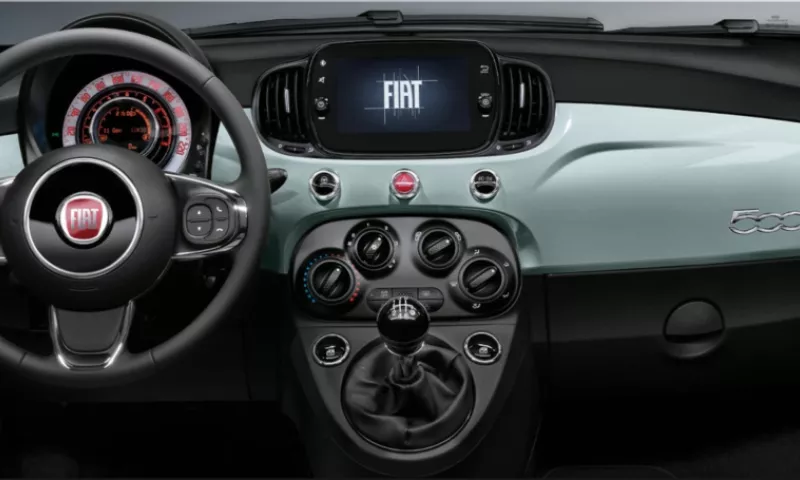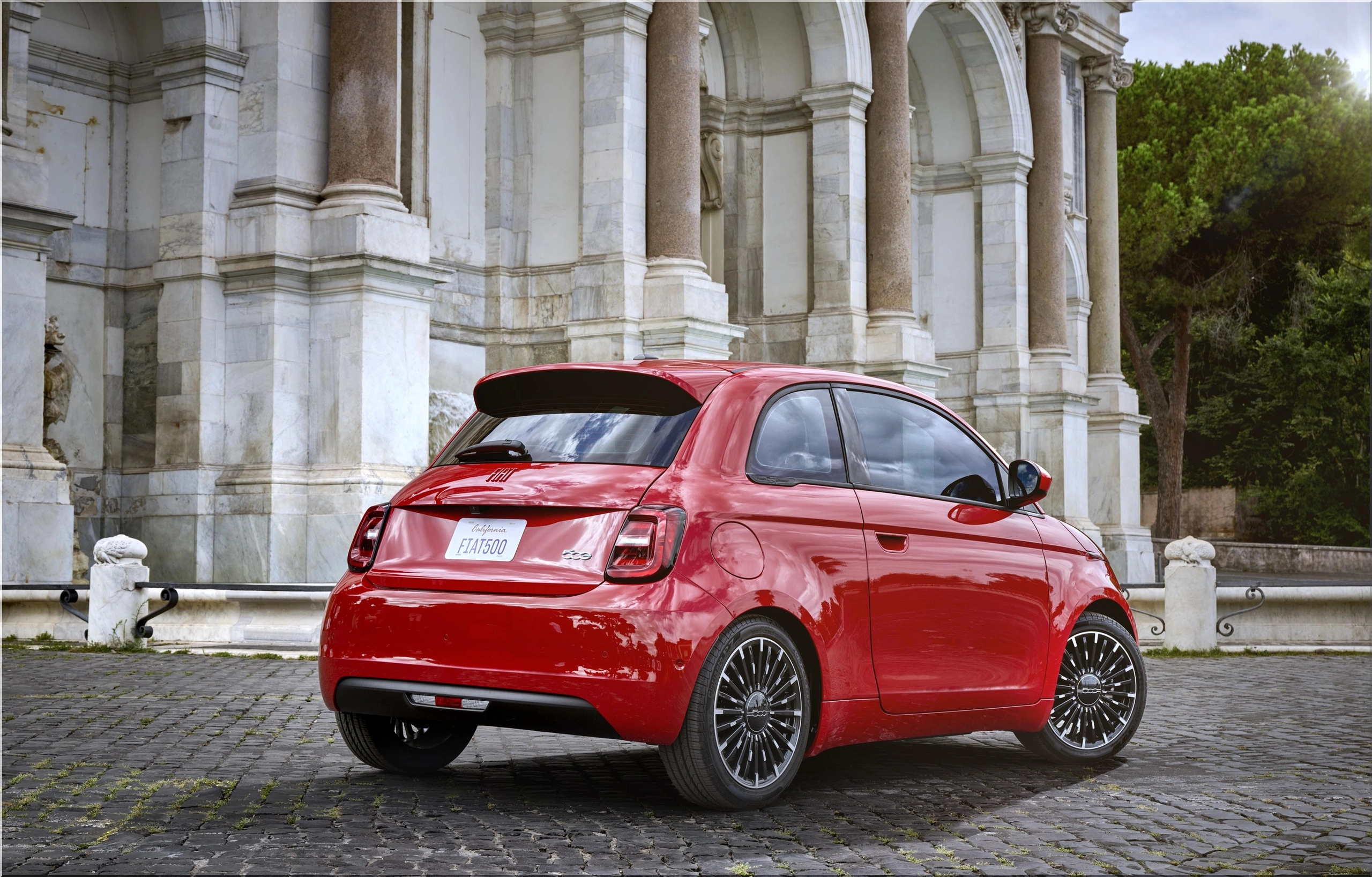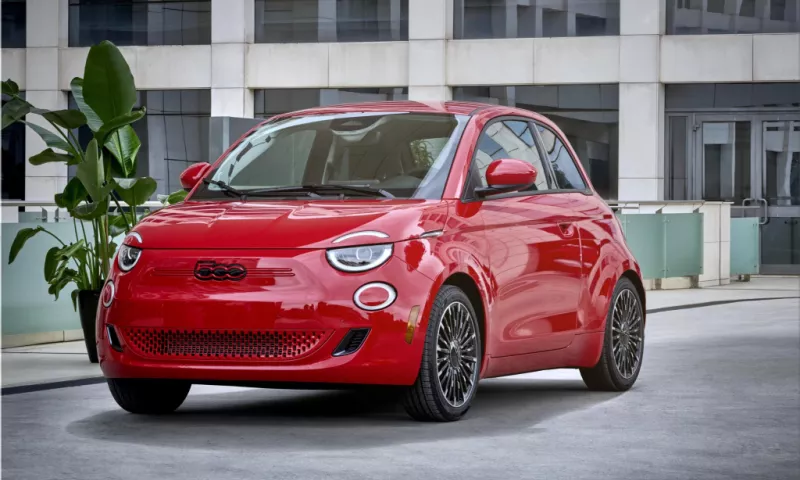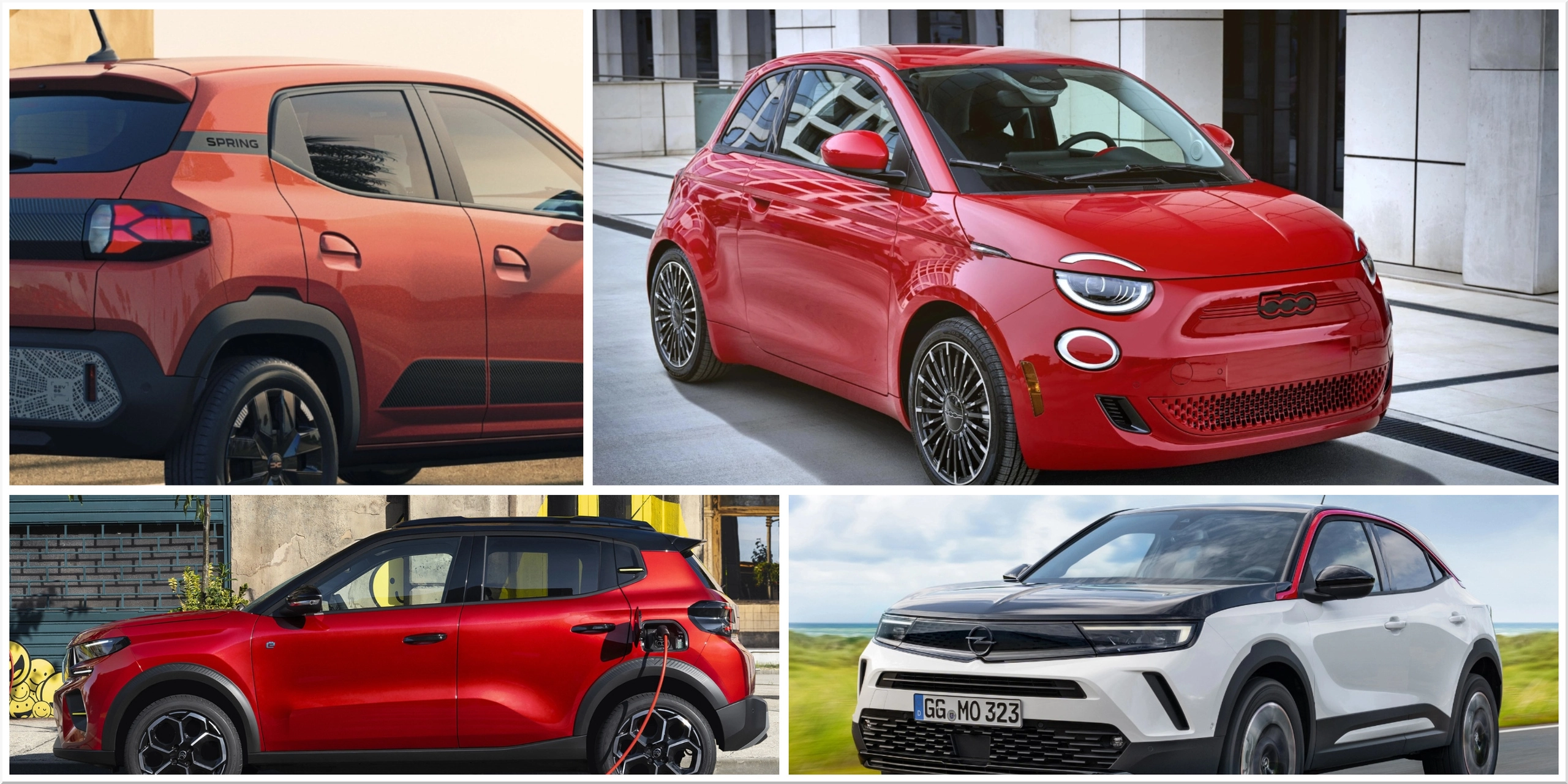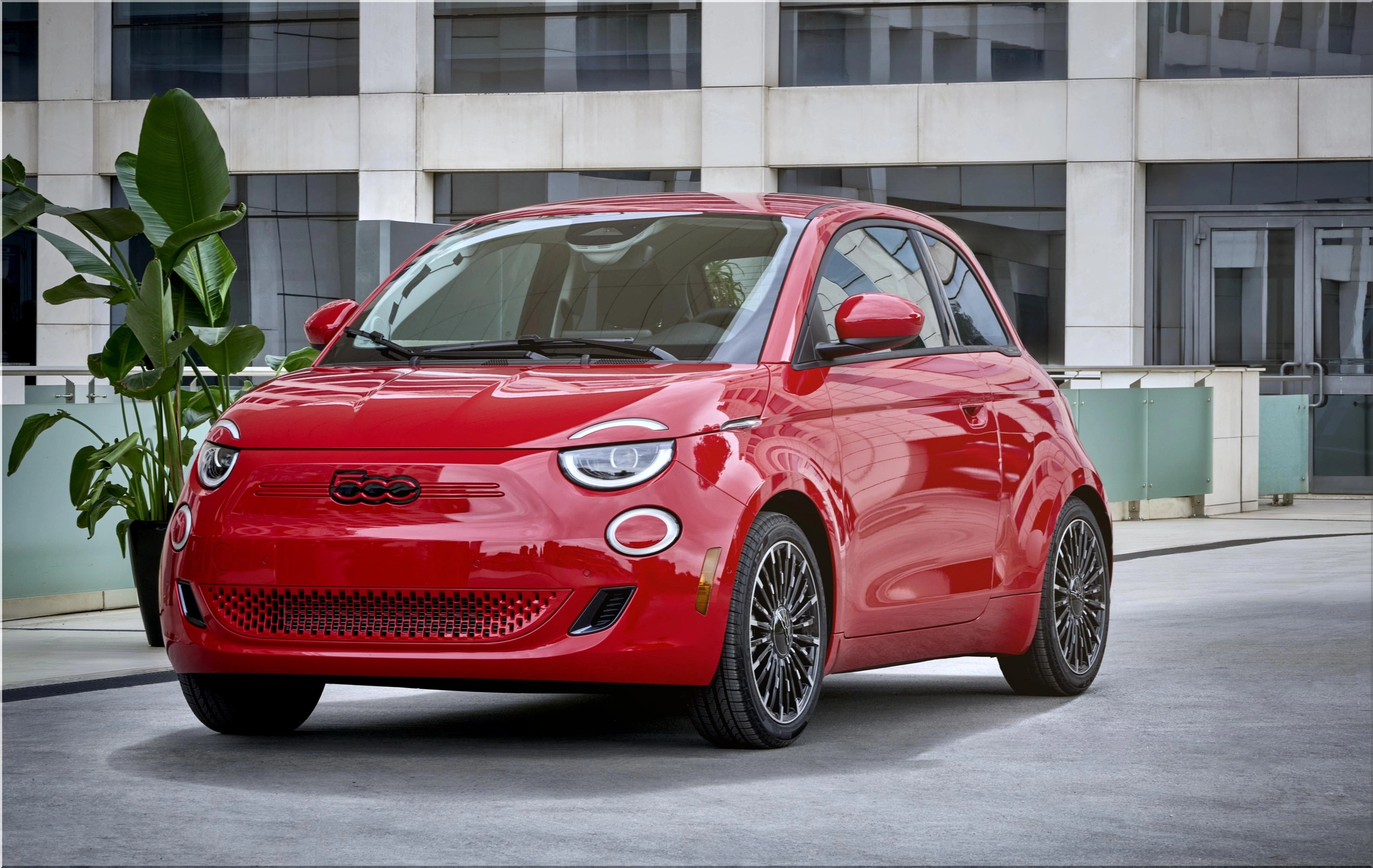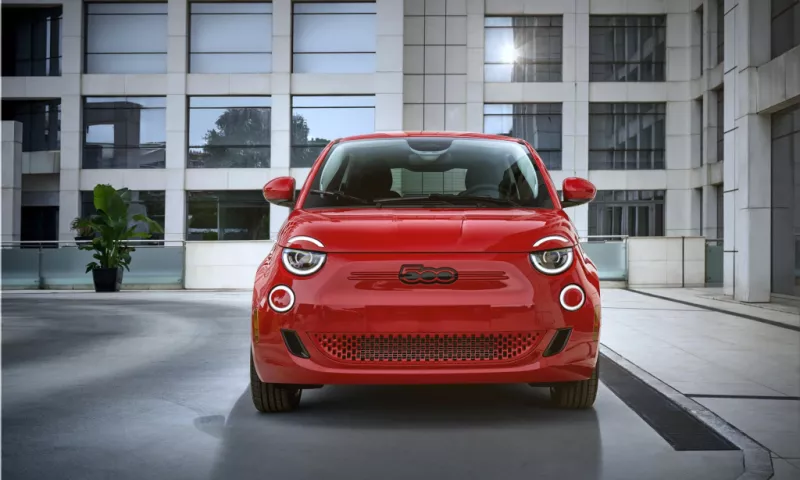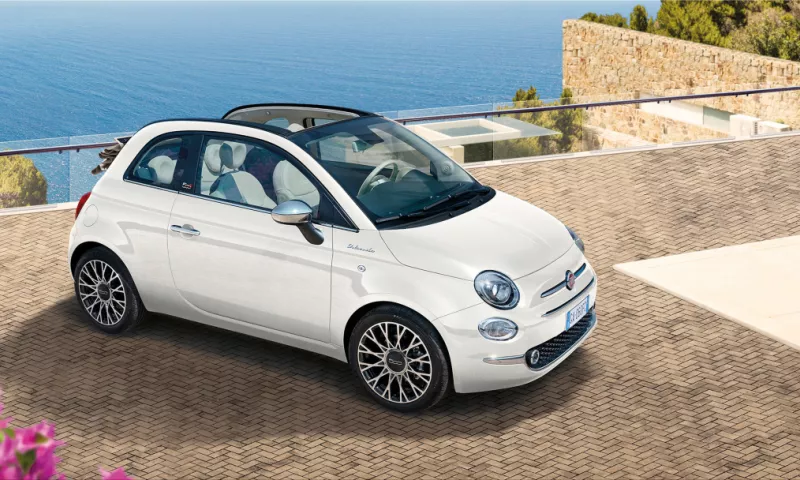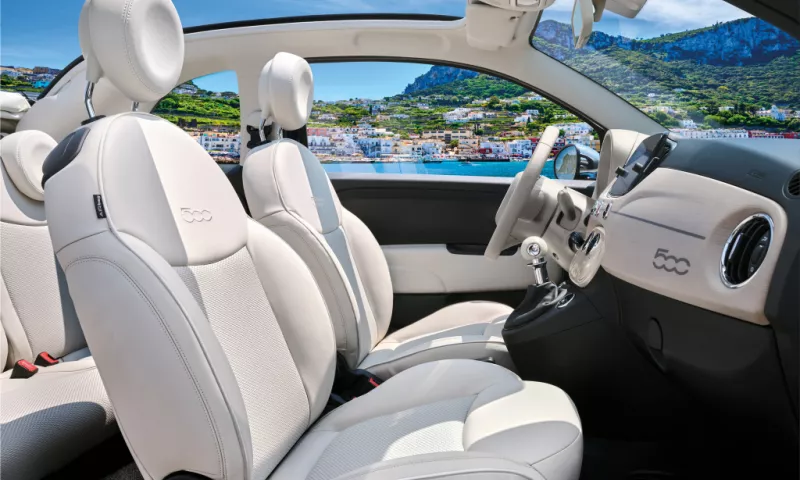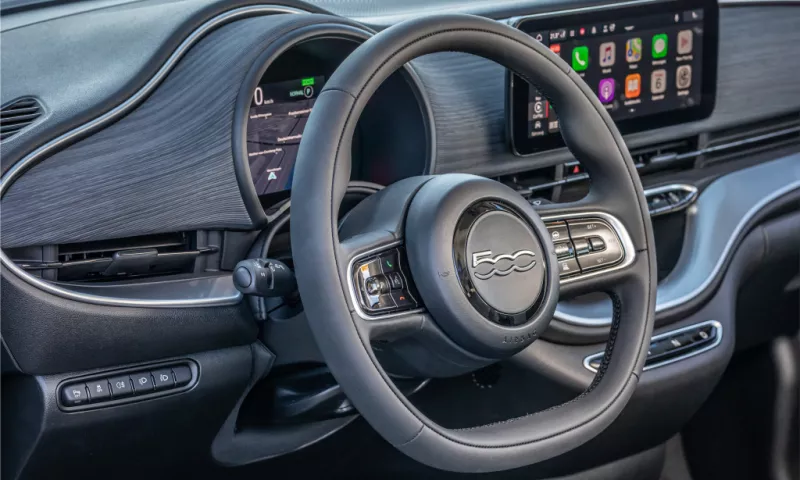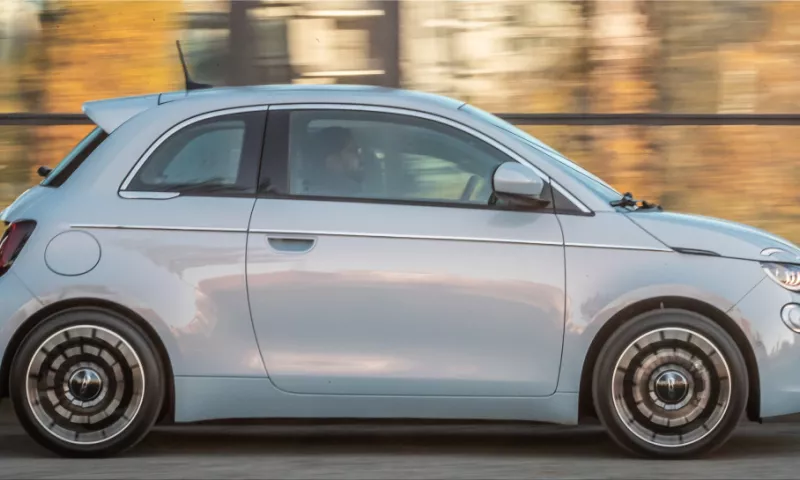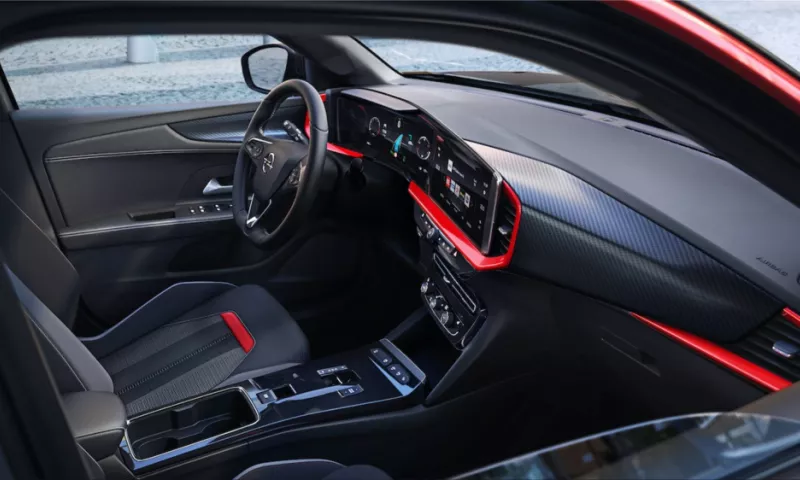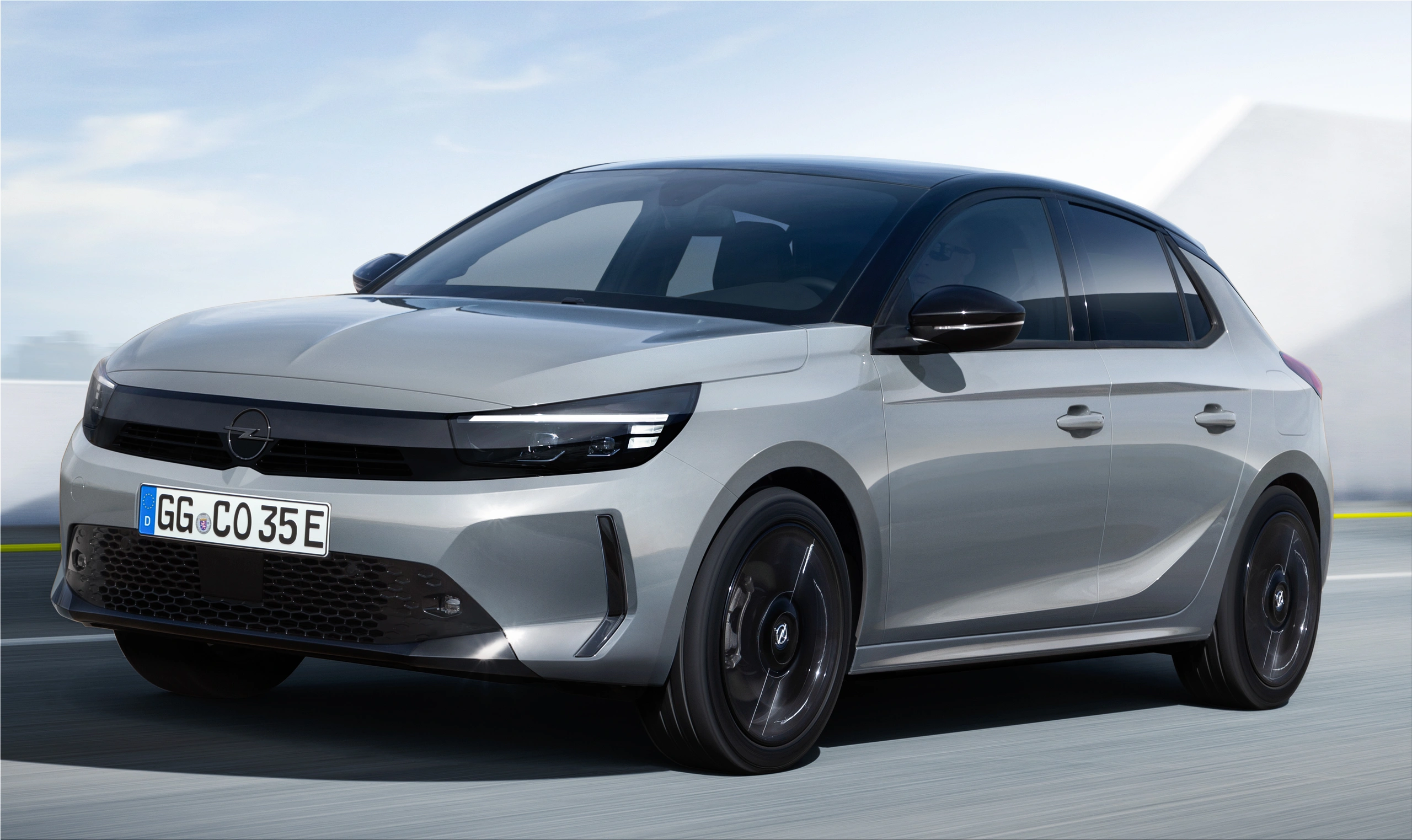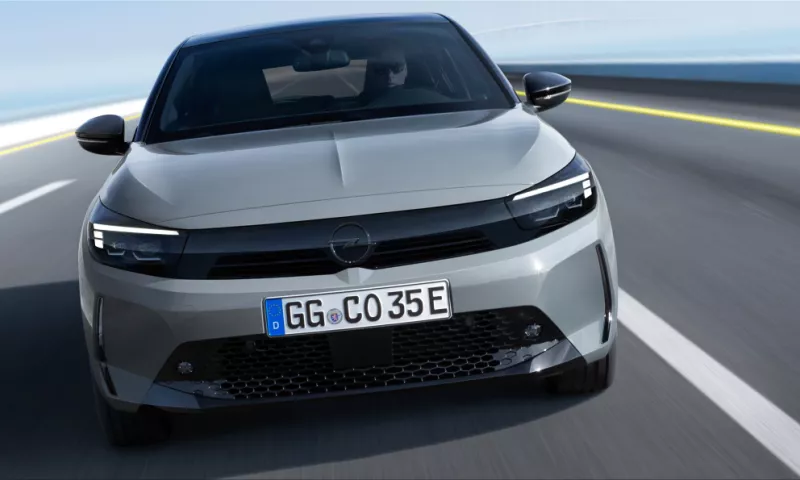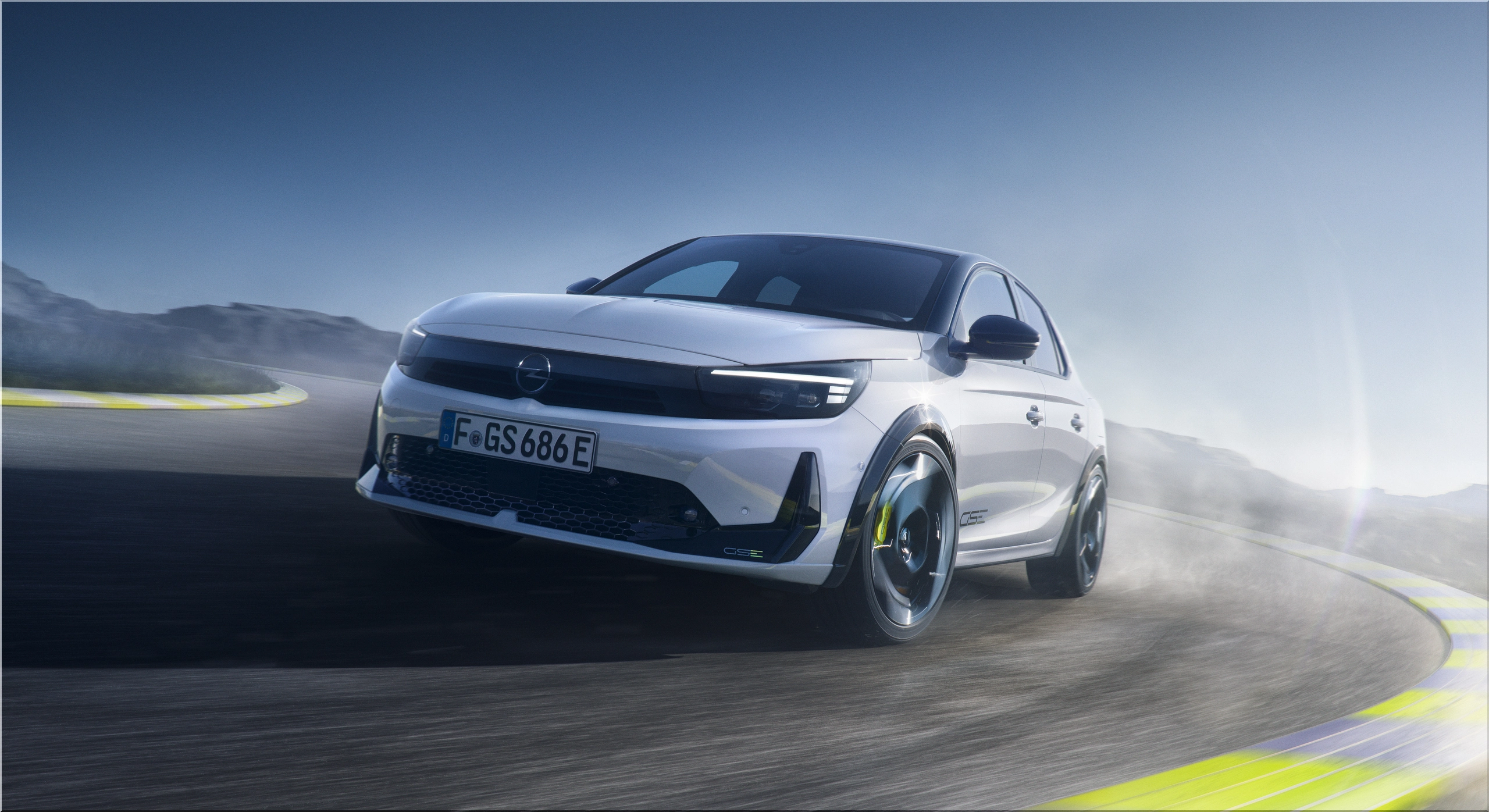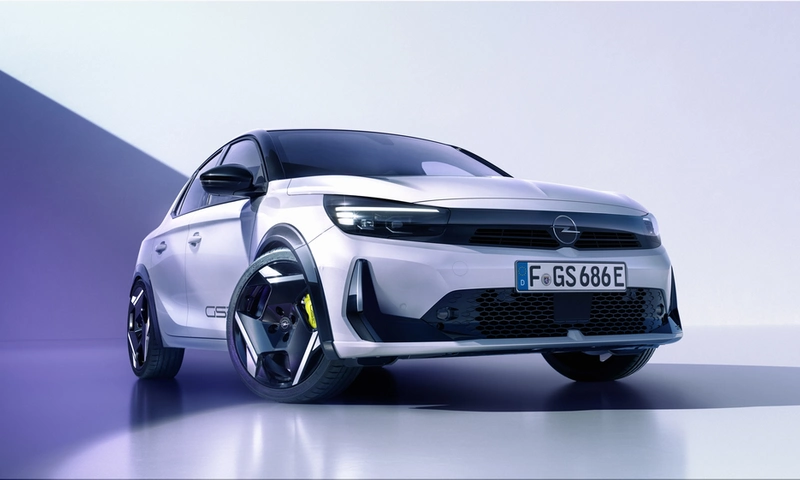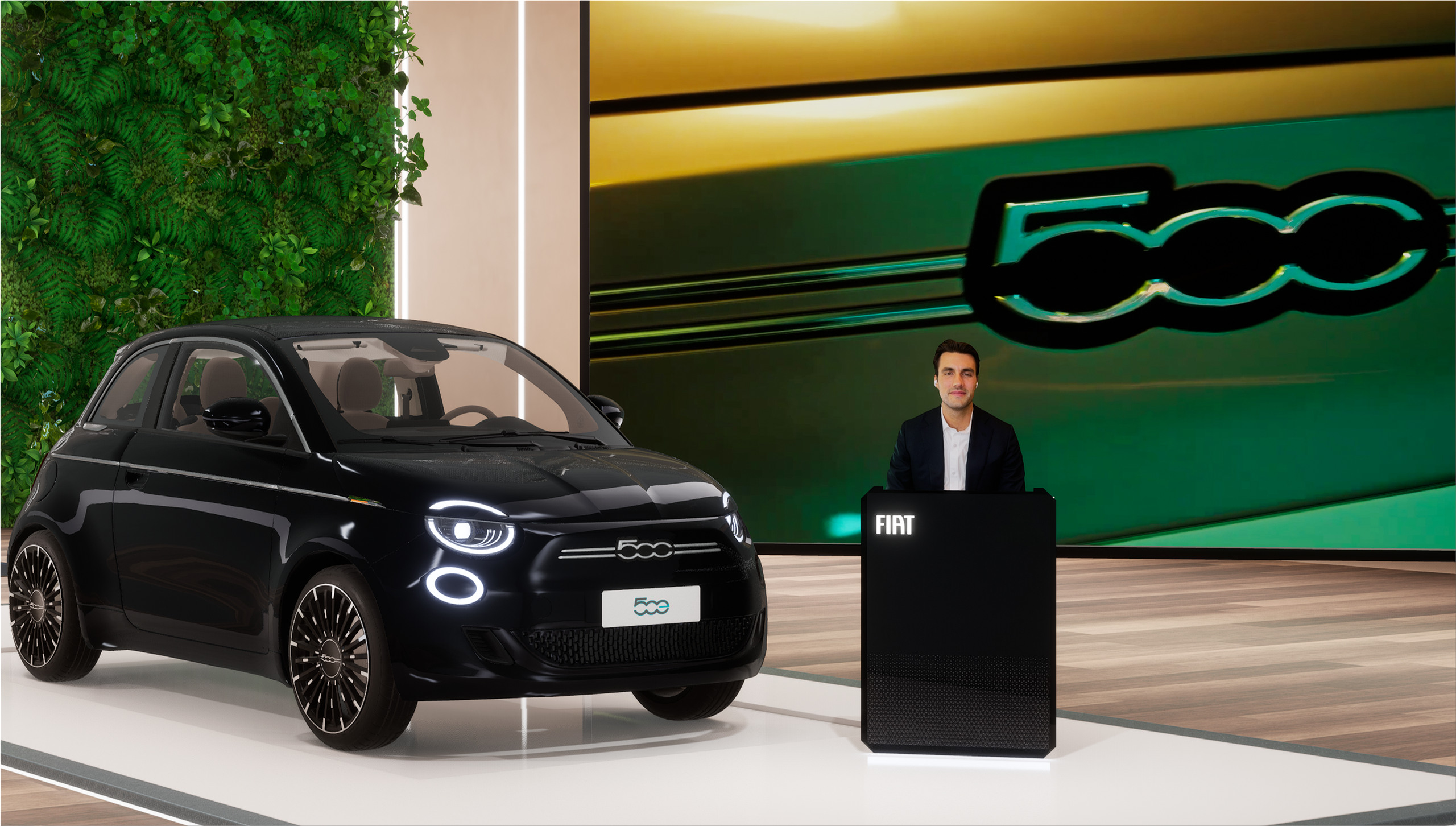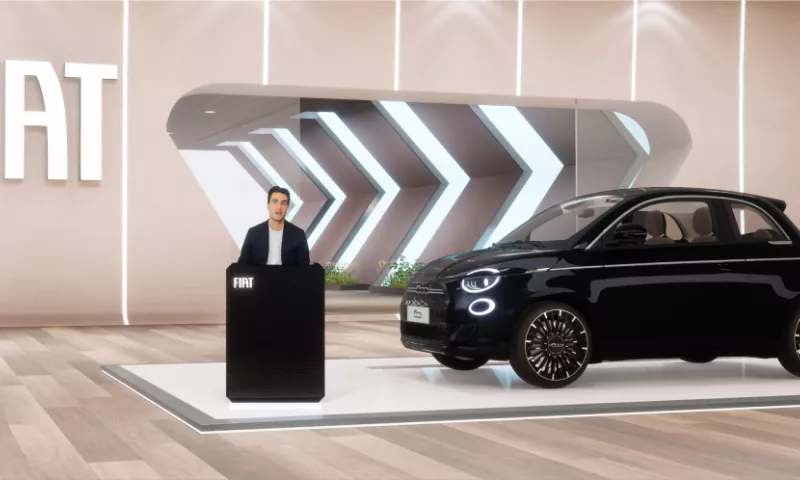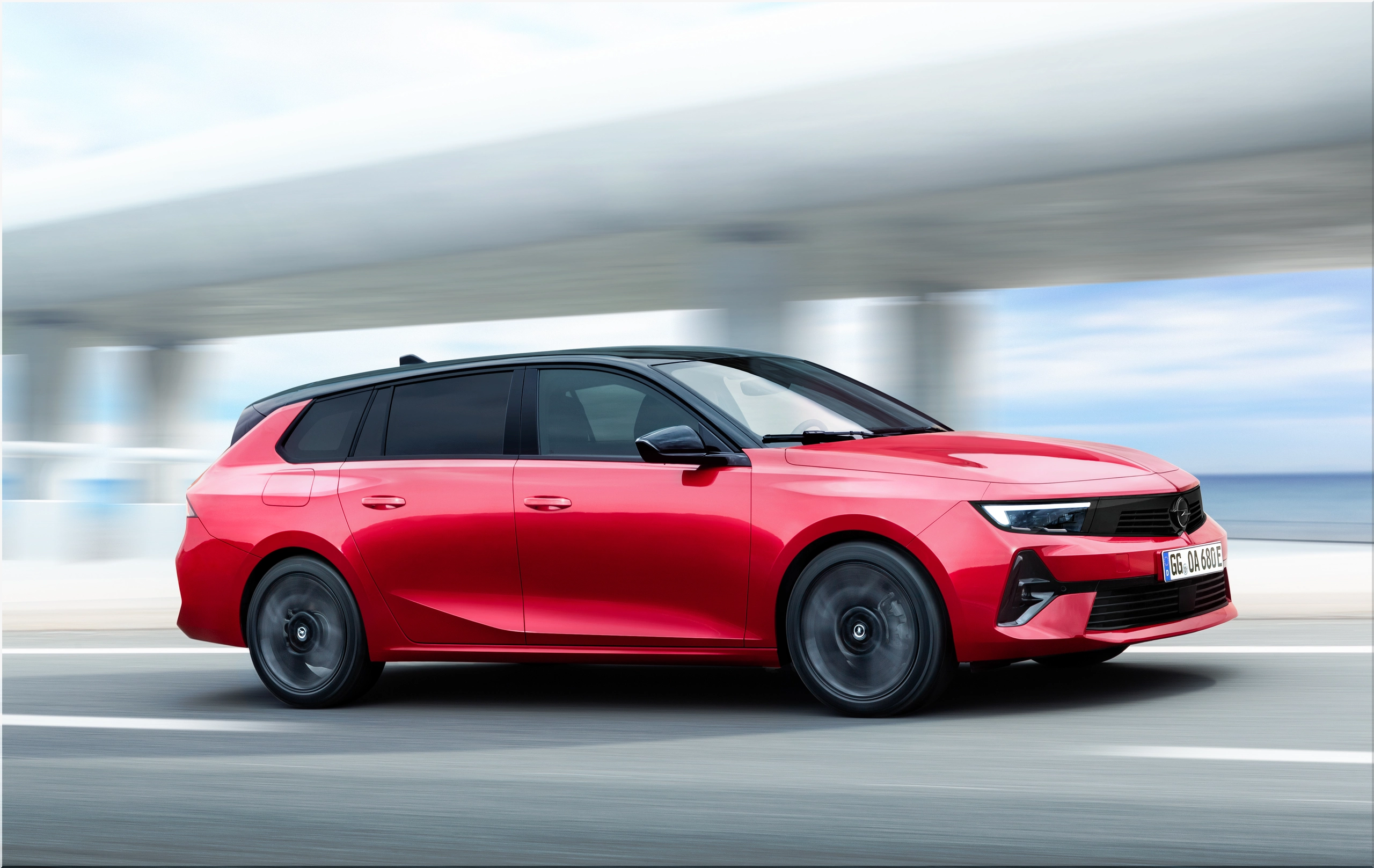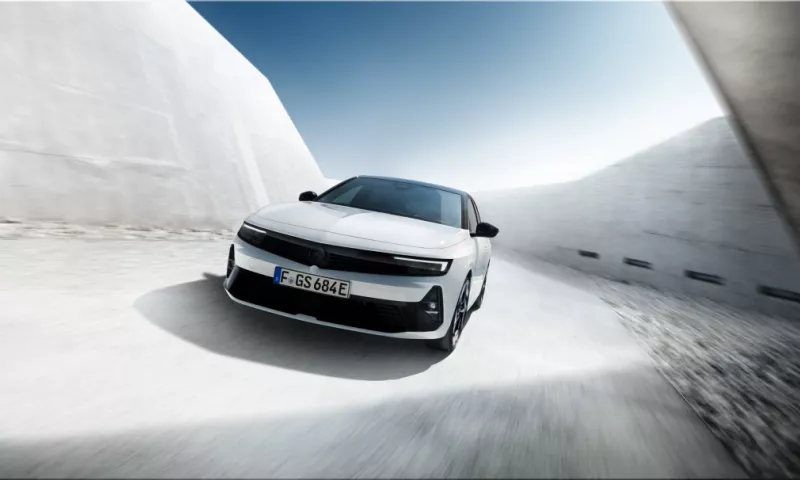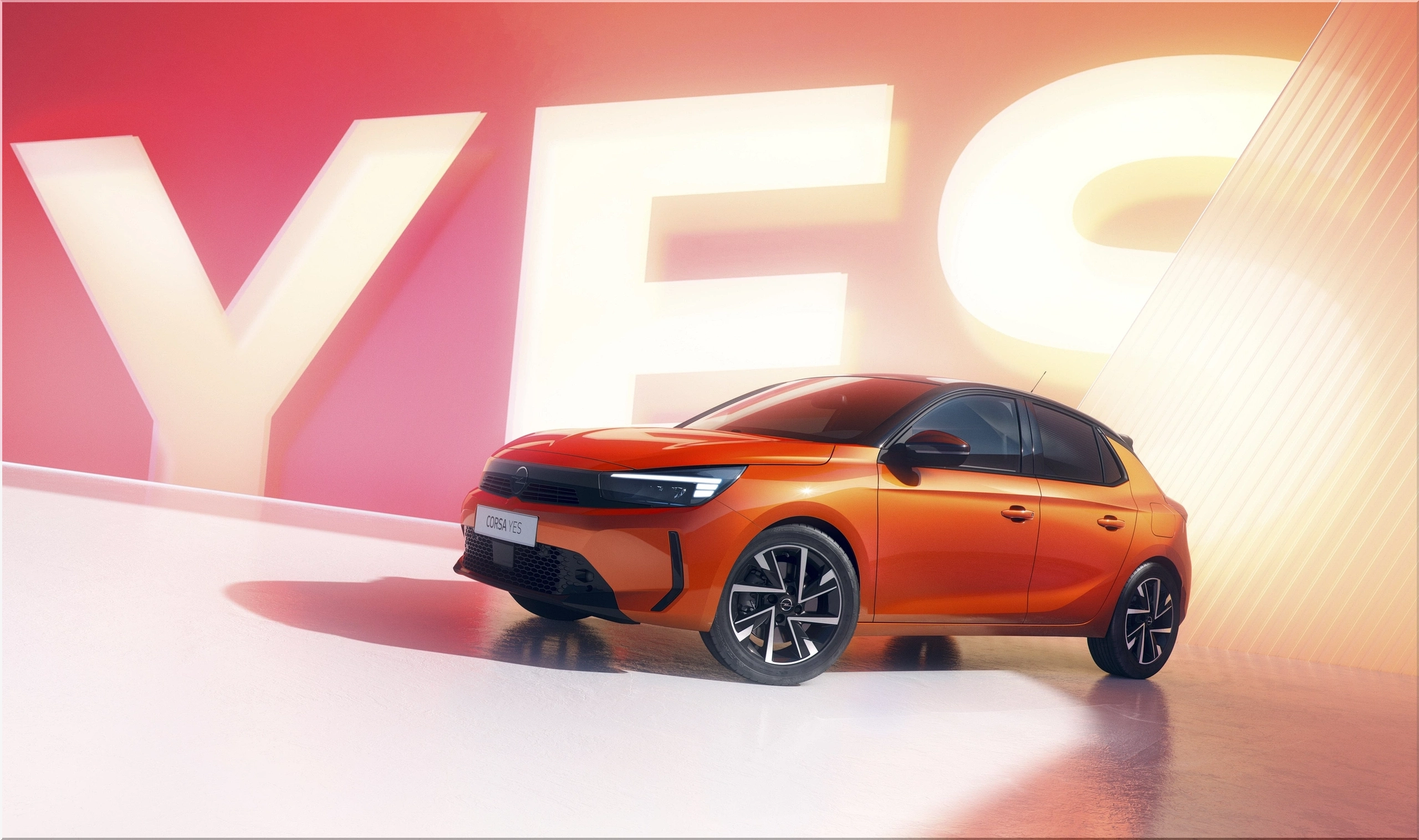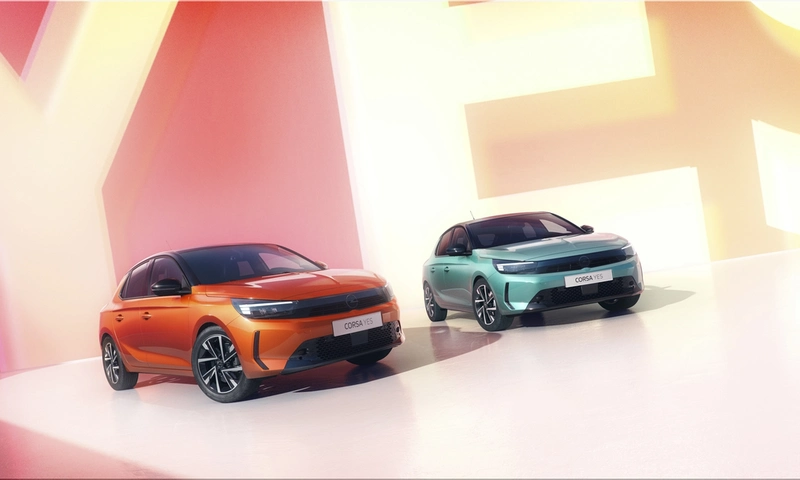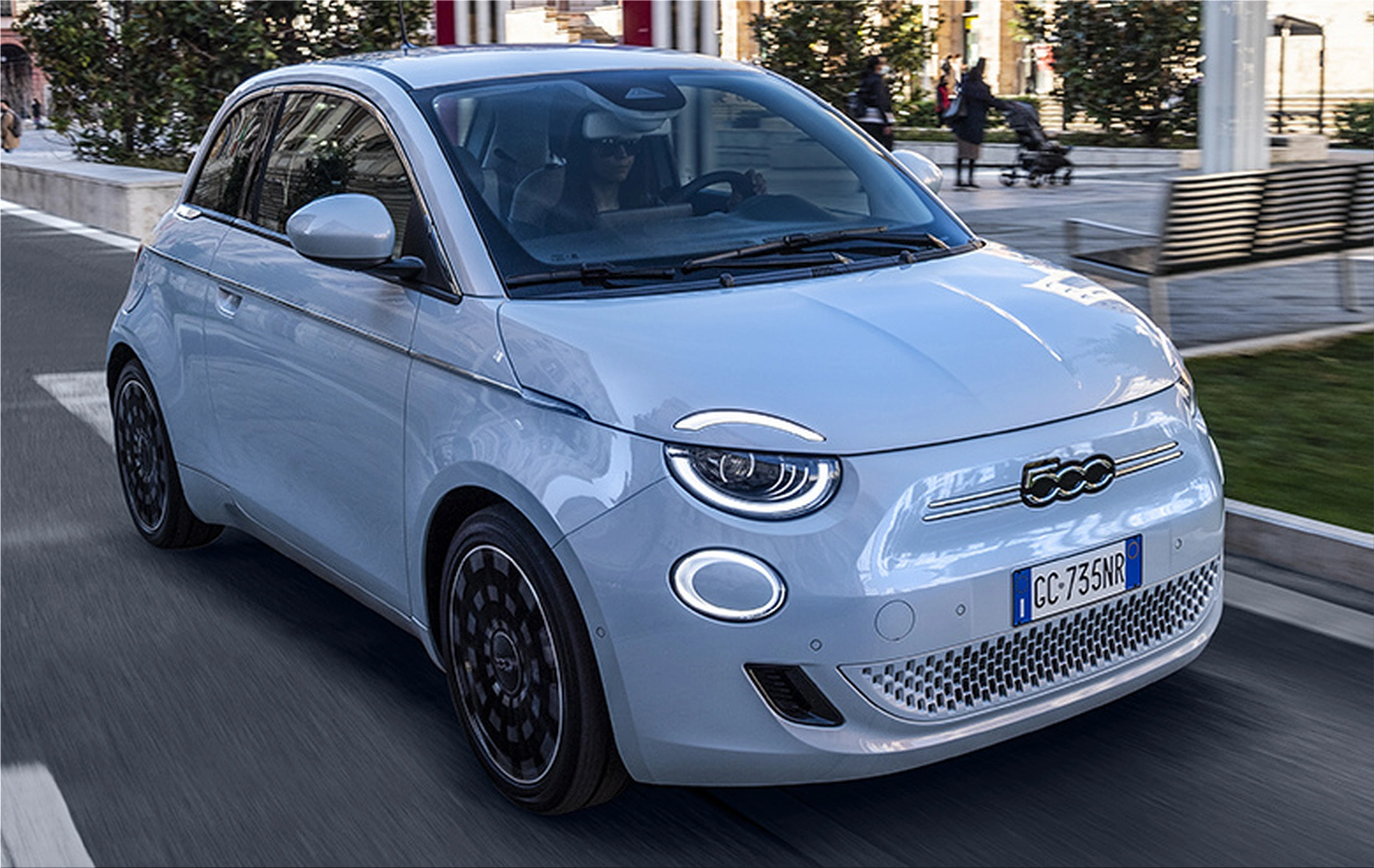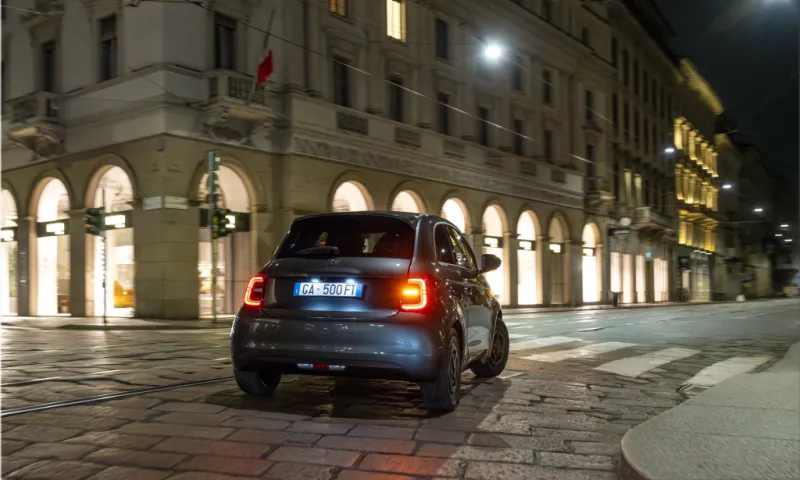
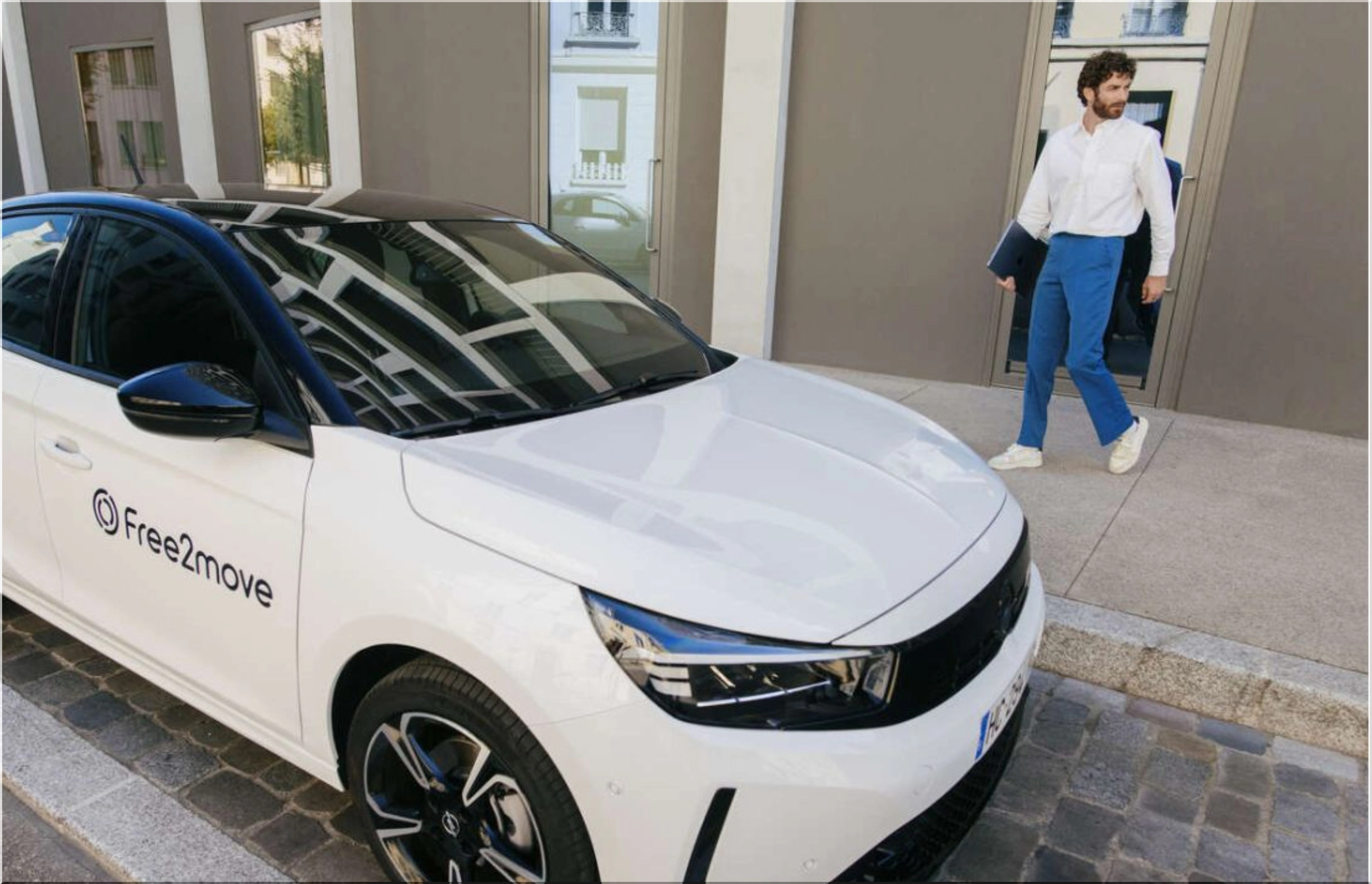
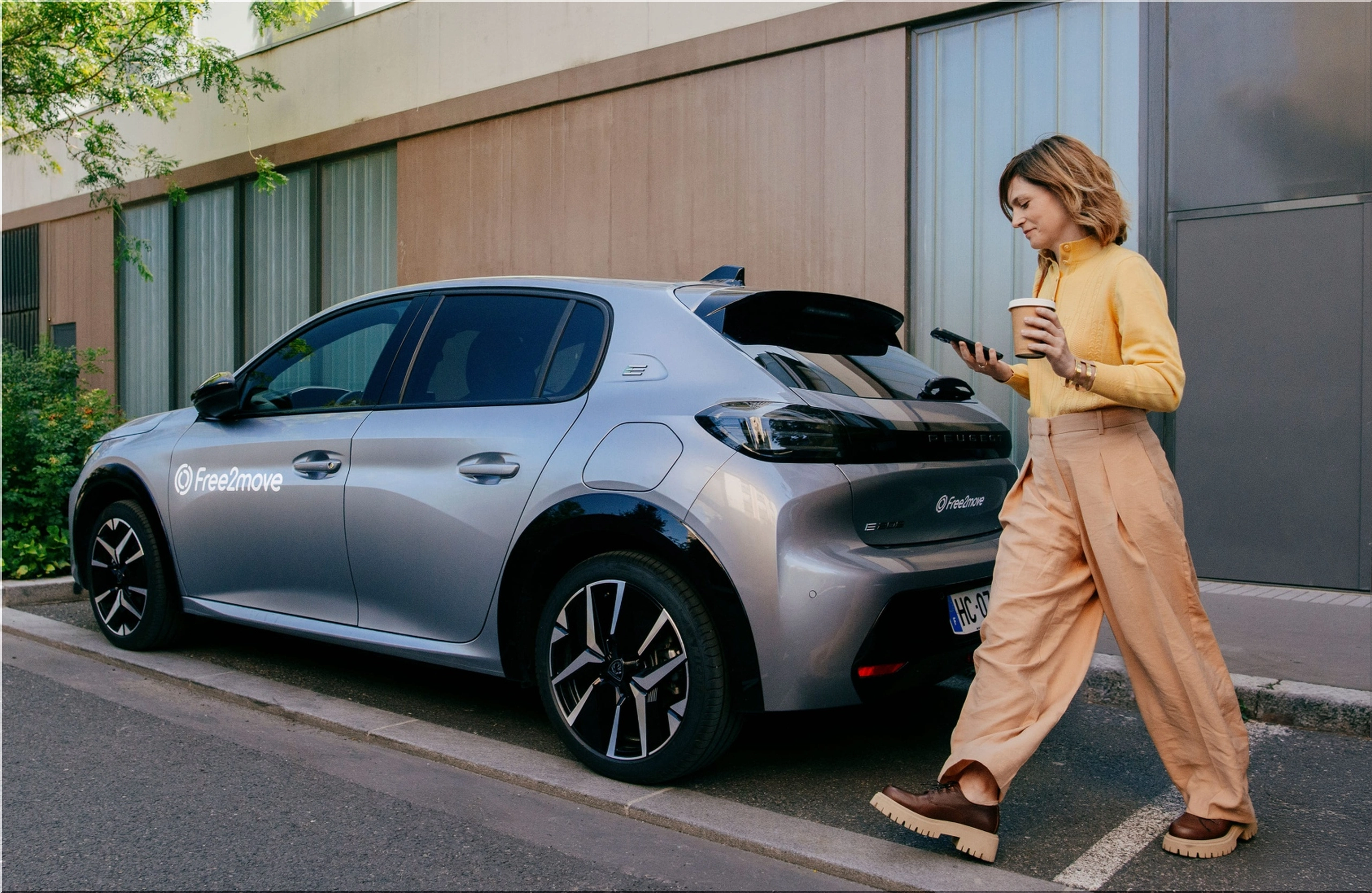
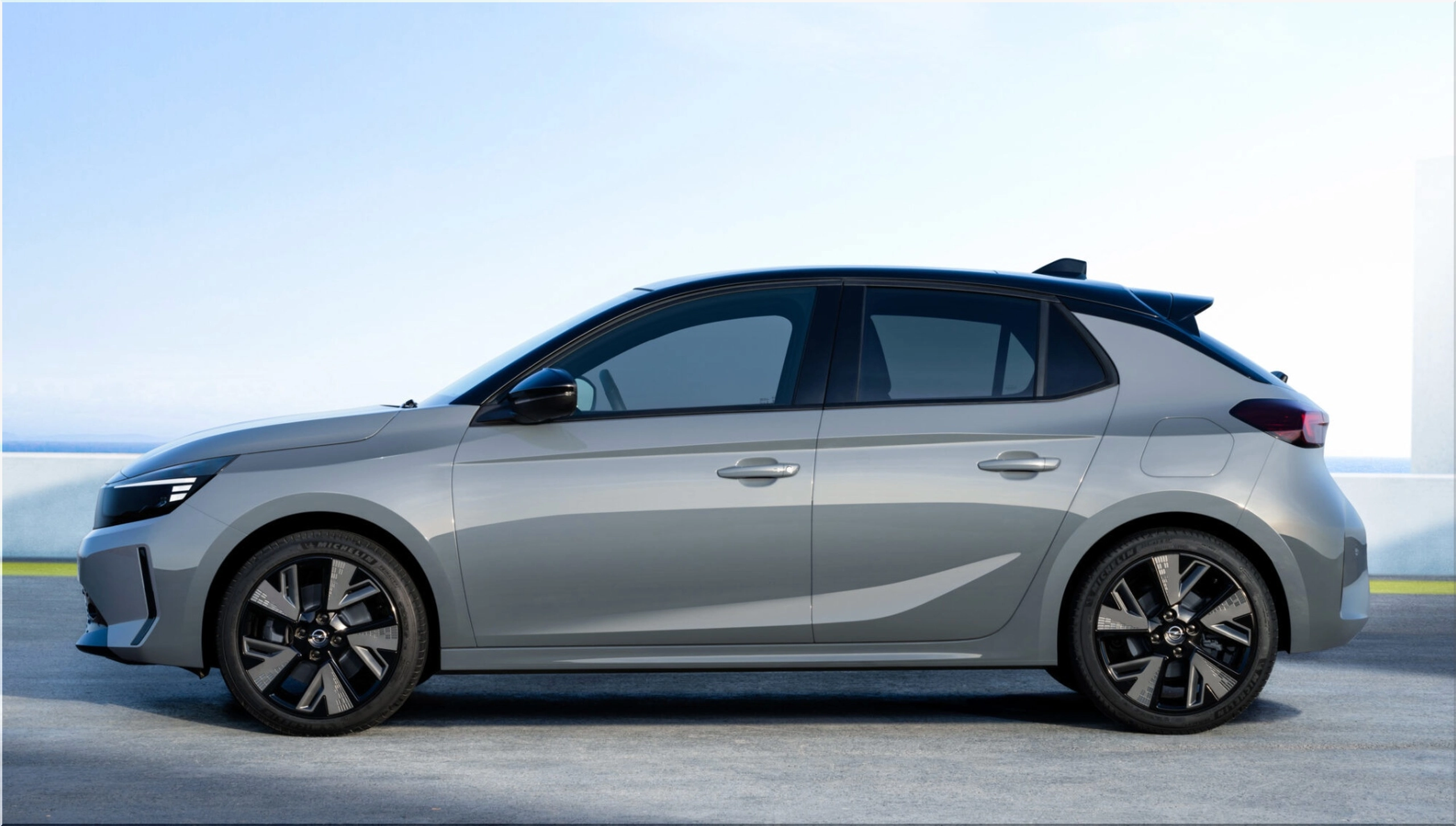
Free2move has made a smart, data-led move in Italy: it is adding 200 vehicles across Milan, Rome, and Turin, with 130 new Opel Corsa units aimed at longer-use demand in Rome and Turin and Fiat 500e cars added in Milan to push urban electric carsharing harder.
That mix matters.
It shows Free2move is no longer treating Italian carsharing demand as one use case. The company is segmenting demand by trip profile, city density, charging practicality, and user behavior. Milan gets the compact electric icon for short urban runs and multimodal mobility. Rome and Turin get a practical B-segment hatch for longer bookings, weekend travel, and higher luggage needs.
From an expert perspective, this is what mature fleet planning looks like: assign the right vehicle to the right trip pattern, then remove friction in fueling and charging so utilization stays high.
Why This Fleet Expansion in Italy Matters Right Now
Free2move stated three core points in the announcement: fleet growth, stronger urban and longer-distance coverage, and a user-centered charging/fueling flow handled through the app. That package points to one business target: higher utilization per vehicle with lower user friction.
Looking at the data from the release, the company is responding to clear behavior signals from local users. Free2move explicitly says it reviewed customer usage patterns and direct requests, then expanded with a vehicle mix that supports both quick city trips and multi-day travel.
That shift improves several operating metrics at once:
- Vehicle-to-trip fit improves, which reduces customer drop-off during booking.
- Trip length coverage expands, which can raise revenue per booking.
- Fleet efficiency improves, because the same city no longer depends on one body style for every use case.
- Customer retention can improve when users stop bouncing to another app for weekend travel.
In addition, the move supports municipal mobility goals without forcing a single drivetrain strategy in every city. Milan can absorb more EV use because urban trip cycles, public transport links, and charging workflows make that model work. Rome and Turin still benefit from efficient combustion-powered Corsa units for longer-range usage where refueling speed and route flexibility remain a priority.
What Free2move Announced for Italy
Free2move's Italy expansion includes:
- 200 total additional vehicles
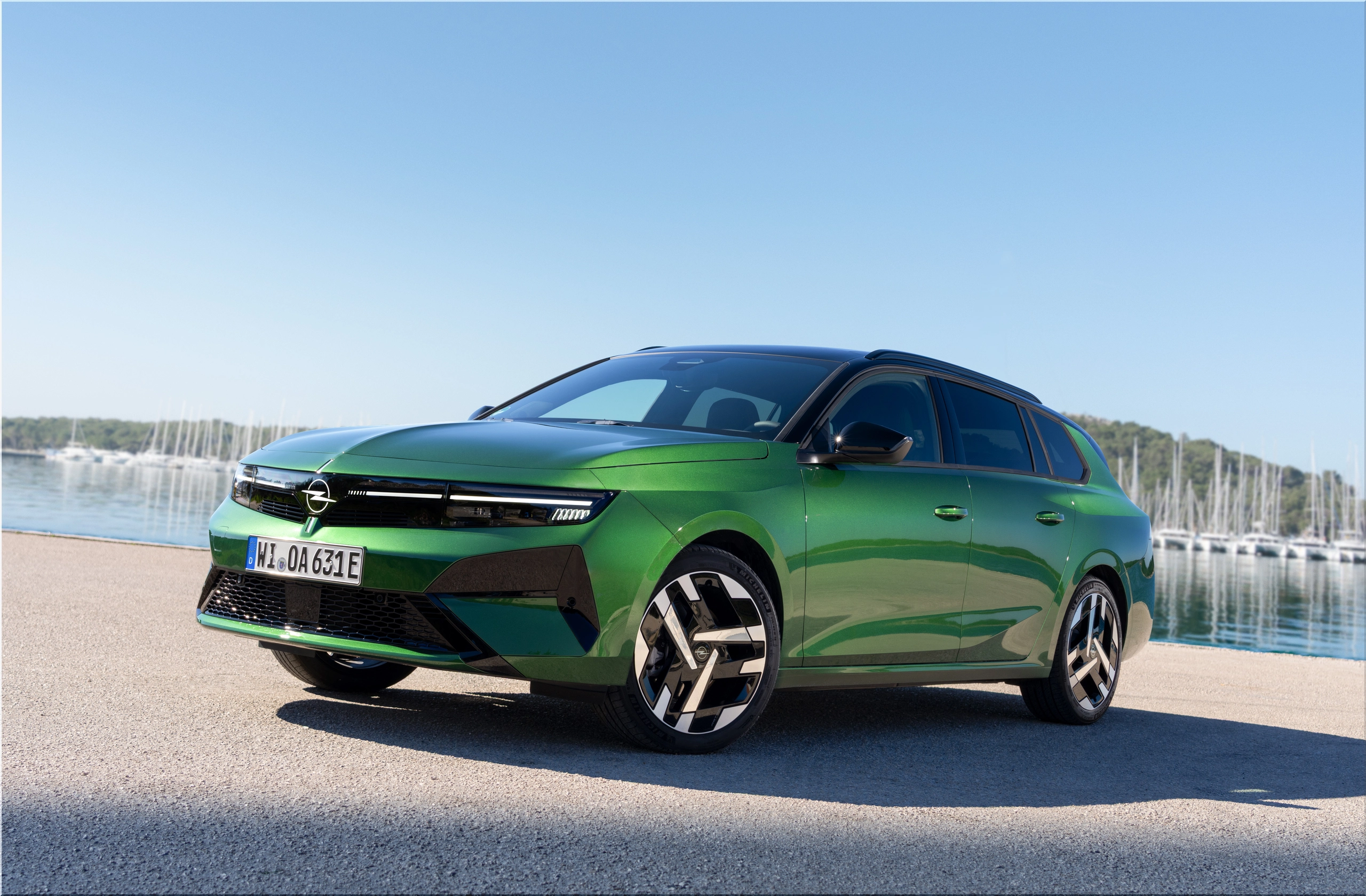
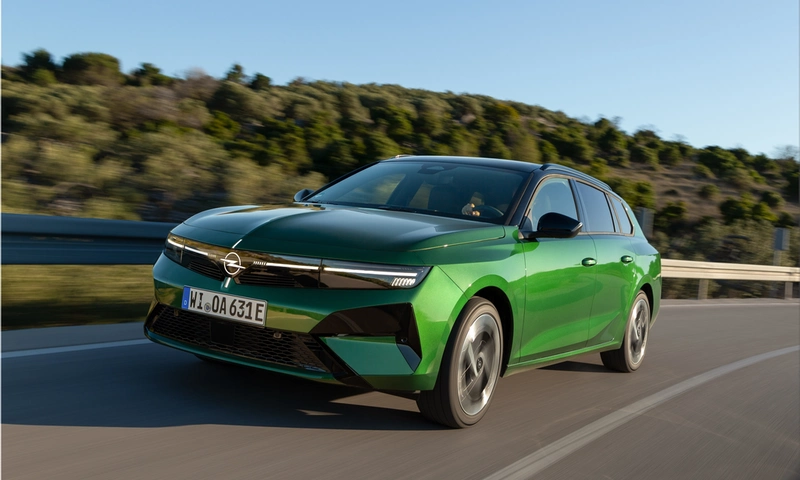
- 130 Opel Corsa units for Rome and Turin
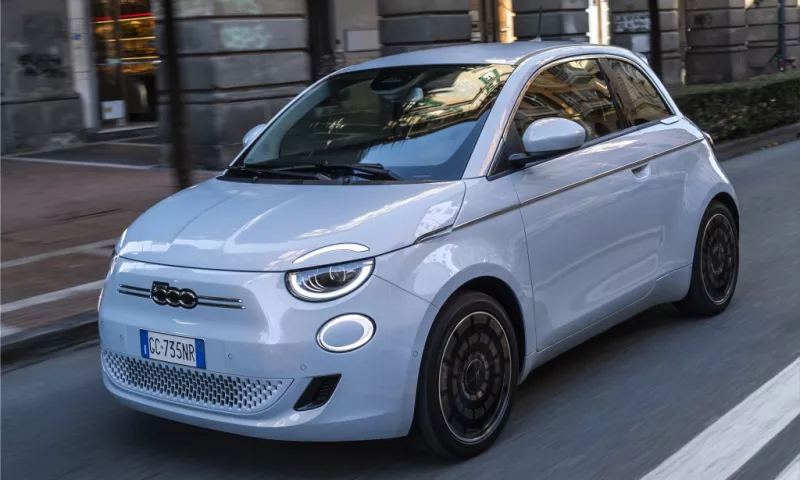
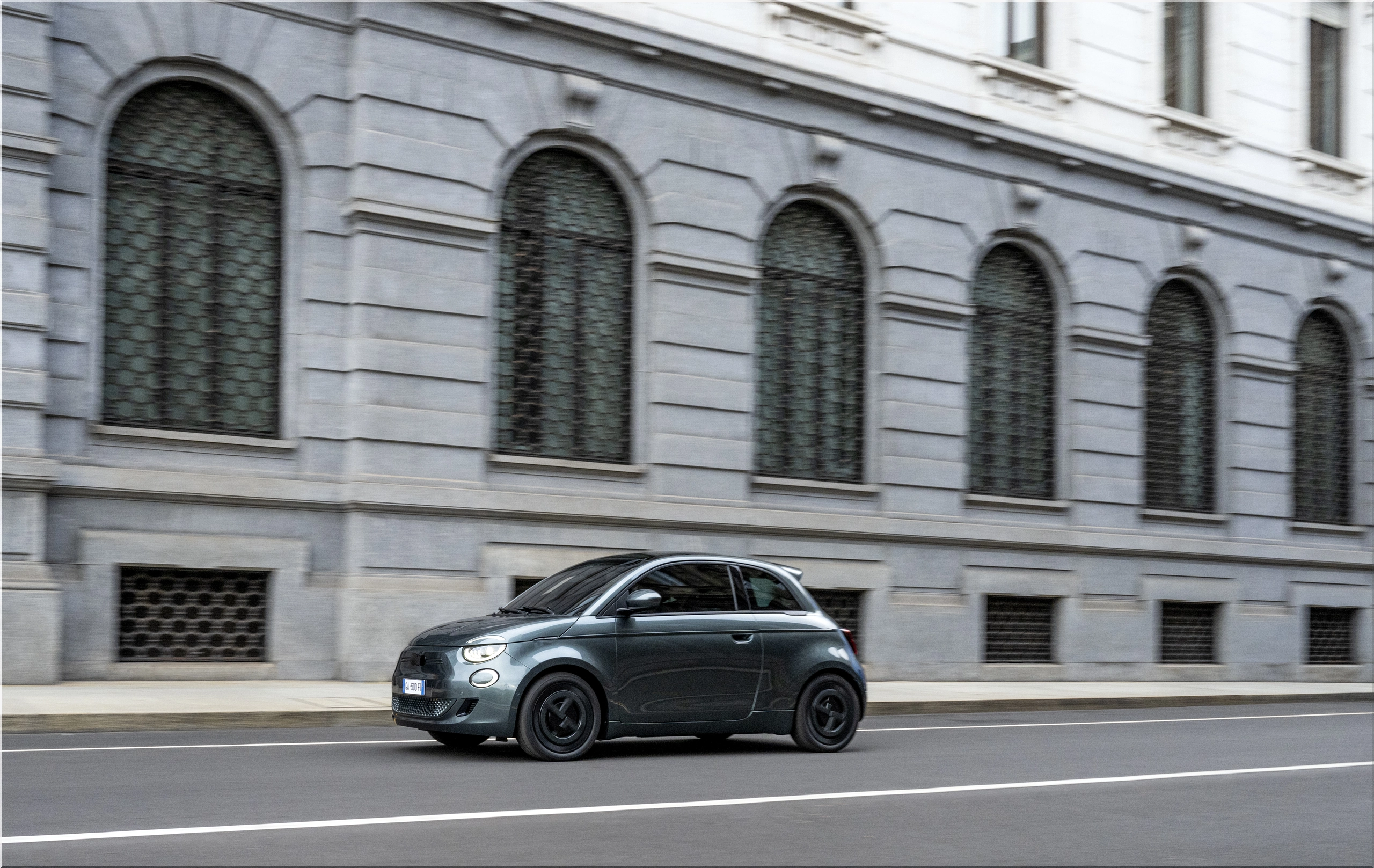
- Fiat 500e additions in Milan
- Continued app-based management for trip access, fueling, and charging workflows
- Included cost structure elements on some plans for insurance, fuel, and parking within the Home Area
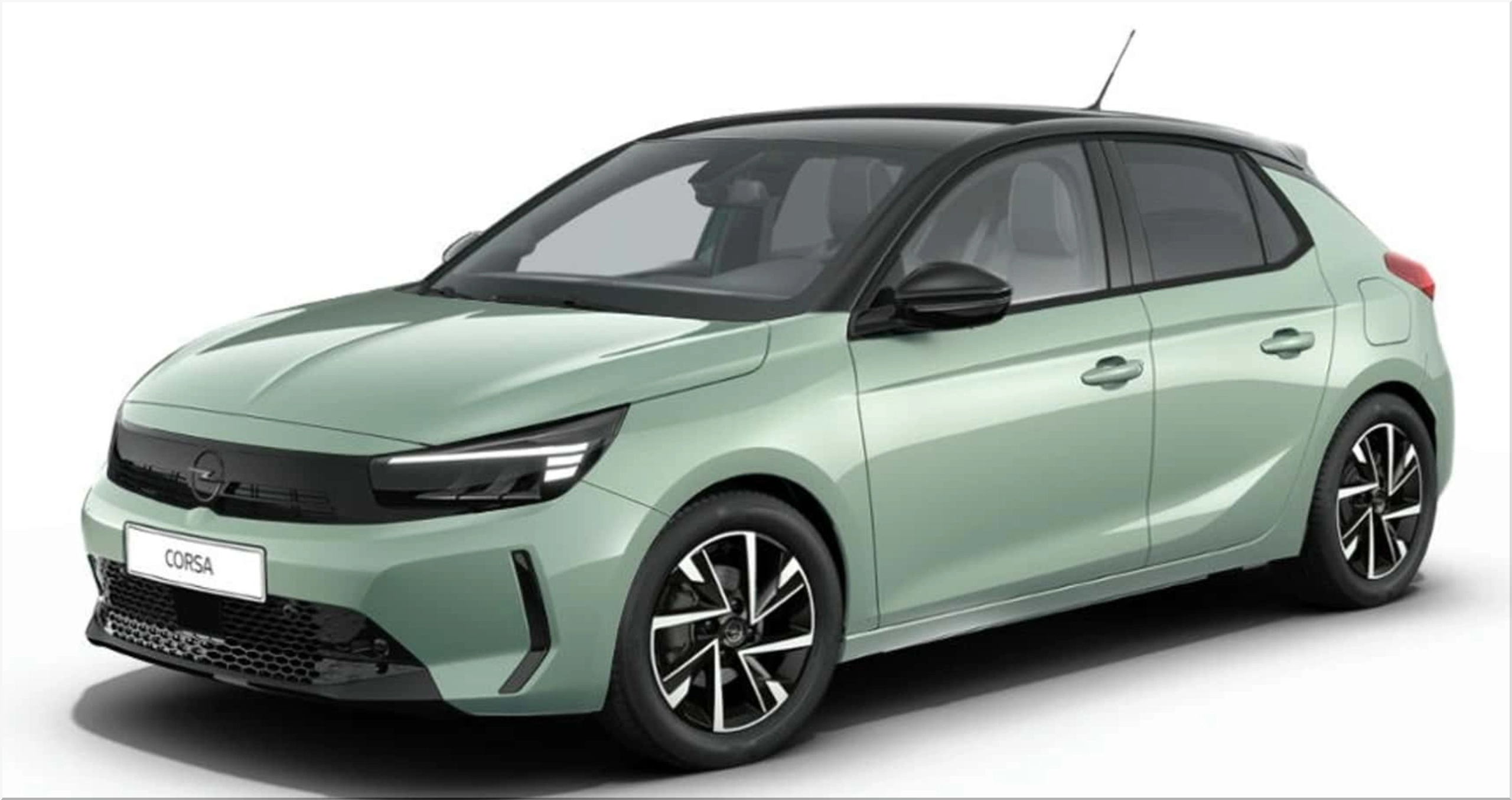
Specifically, the company frames the Opel Corsa rollout as a response to demand for longer-duration carsharing. That is a strong signal. Free2move sees a usage block larger than "run errands for 20 minutes," and it is trying to capture it with a vehicle that offers better trunk utility, more rear-seat practicality, and easier highway use than a pure city car.
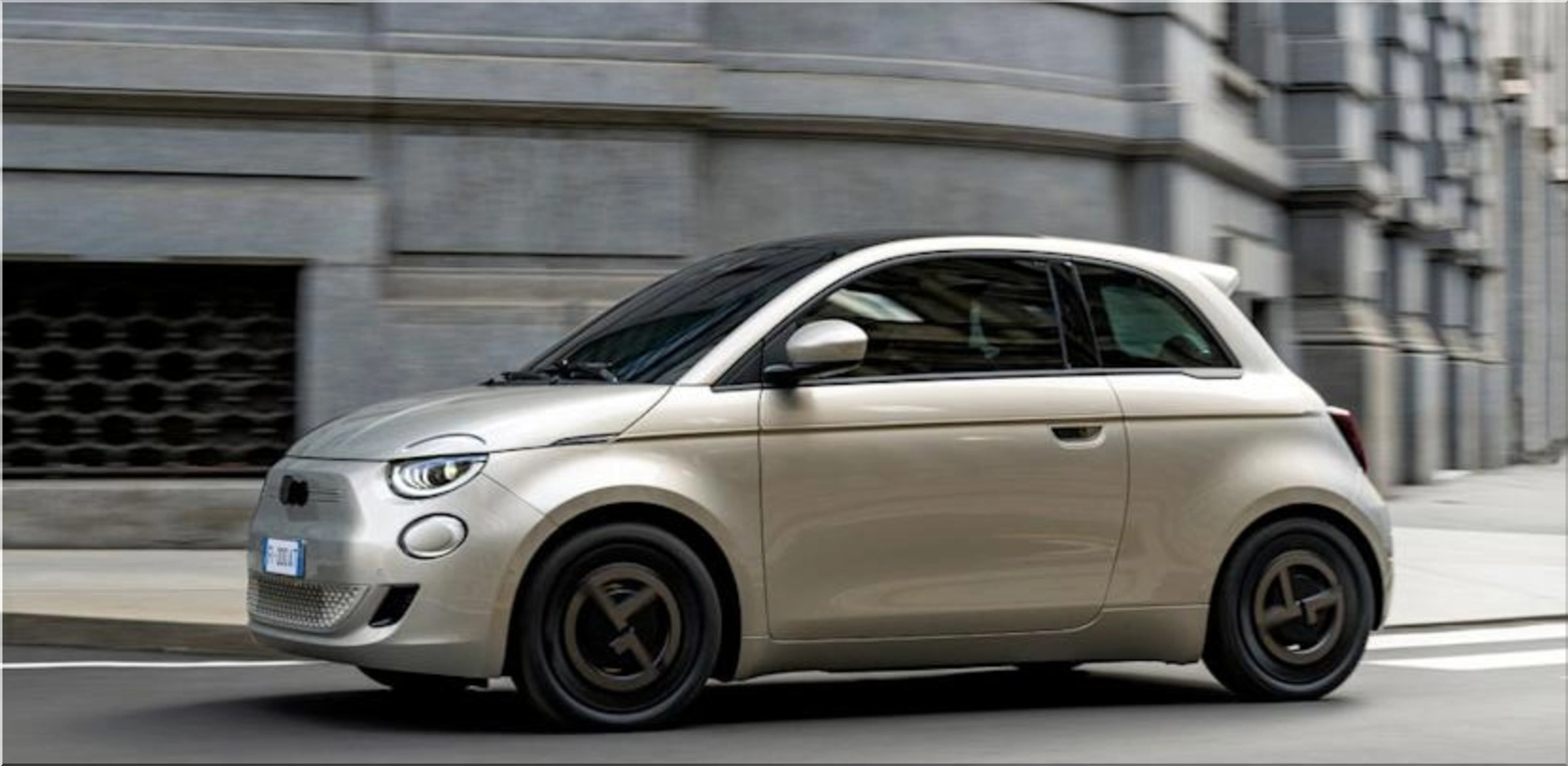
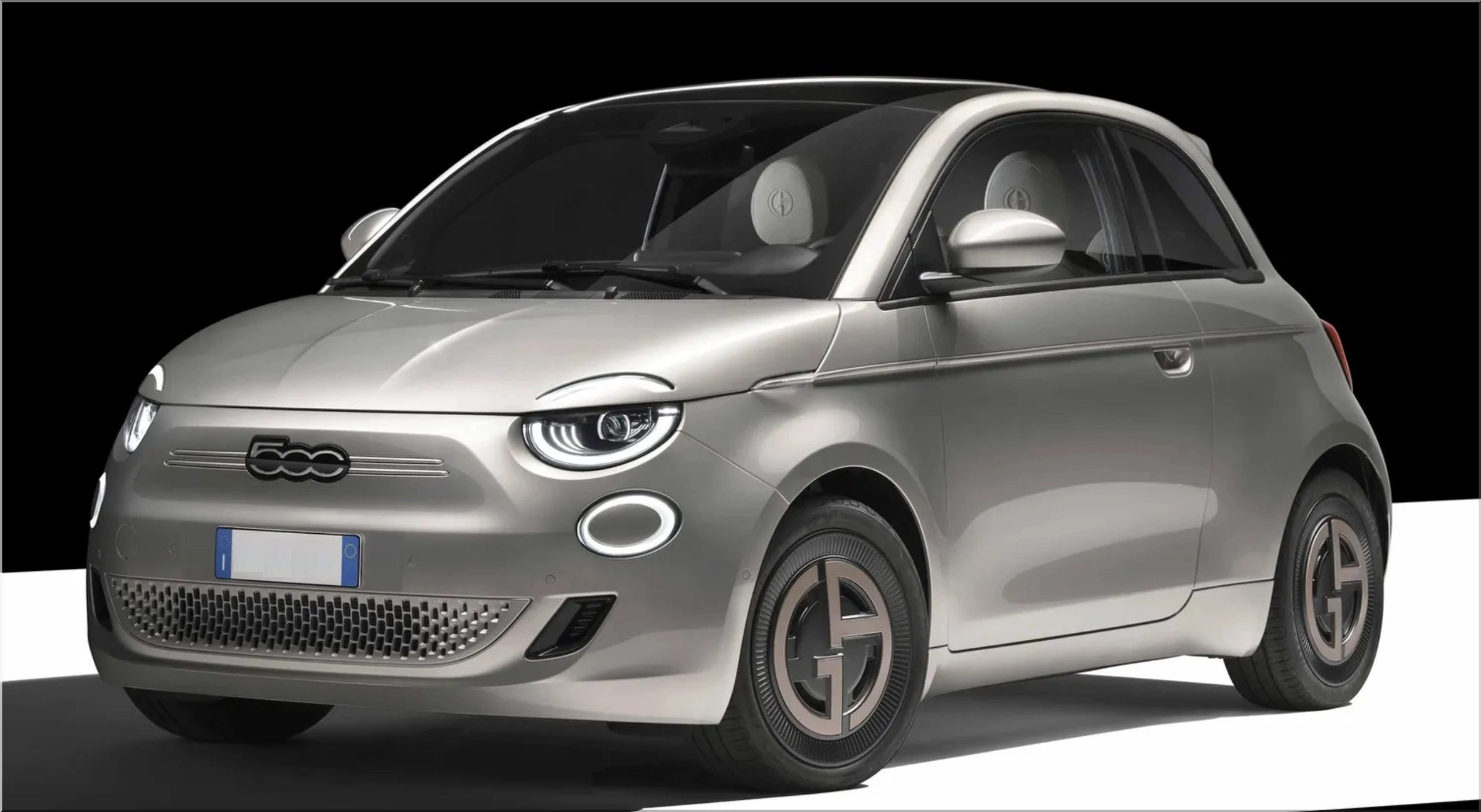
By comparison, the Fiat 500e addition in Milan supports a different mission. The 500e fits dense urban circulation, shorter average trip lengths, and public transport complement use. It also gives Free2move a vehicle with high local brand recognition, which helps app conversion and booking confidence in a crowded market.
The Strategic Logic Behind Pairing Fiat 500e and Opel Corsa
This pairing looks simple on the surface. It is not.
Free2move paired two vehicles that solve different operating problems:
- Fiat 500e: urban efficiency, compact footprint, EV positioning, strong brand pull in Italy
- Opel Corsa: broader trip envelope, practical packaging, ICE refueling speed, lower charging dependency
That split reduces a common carsharing failure mode: forcing users into a vehicle that matches fleet goals but does not match the trip.
Why the Fiat 500e Works in Milan
The Fiat 500e aligns with Milan's dense traffic patterns and city-center parking constraints. Its compact dimensions make it easier to park, rotate, and return inside free-floating service areas. Its EV setup also matches city use where many trips are short, stop-and-go, and highly sensitive to local emissions policy direction.
The 500e also brings strong charging flexibility for an urban shared fleet. Fiat lists AC onboard charging and DC fast-charging ranges that make the car usable in fleet rotation, not only in private ownership. That point matters because a shared EV needs fast turnaround, not only strong brochure range.
Why the Opel Corsa Works in Rome and Turin
The Opel Corsa covers a larger practical band. It offers more interior and cargo space, a larger fuel tank, and drivetrain variants that support highway and peri-urban use with quick refueling. Free2move directly links these cars to long-term carsharing demand and multi-day usage.
Consequently, the Corsa helps Free2move capture:
- weekend escapes
- business-day mobility with multiple stops
- longer suburban loops
- trips where users value luggage space and faster route refueling
That is a revenue and retention play, not only a fleet count increase.
Vehicle Fit Analysis: Fiat 500e vs Opel Corsa for Shared Mobility Use Cases
Below is the operational fit view, which matters more than raw specs in a carsharing business.
Shared-Mobility Role Comparison Table
| Metric / Use Case | Fiat 500e (Milan urban EV role) | Opel Corsa (Rome/Turin long-use role) |
|---|---|---|
| Primary city role | Dense urban trips | Mixed urban + peri-urban + intercity |
| Powertrain focus | Battery electric | Combustion / hybrid variants in brochure range |
| Trip duration sweet spot | Short to medium | Medium to long |
| Refueling / charging logic | App-guided charging, cost covered by service in Milan | Fueling included in many carsharing pricing structures |
| Parking/space efficiency | Strong due to compact dimensions | Good, but larger footprint |
| Luggage practicality | Limited vs B-segment hatch | Stronger for weekends and multi-day trips |
| Brand effect in Italy | Very strong urban appeal | Practical mainstream appeal |
| Fleet operational dependency | Charging network coordination | Fuel station access and route flexibility |
| Best booking conversion trigger | "Quick city run" | "Whole day" / "Weekend" / "Work trip" |
From an expert perspective, Free2move selected a complementary pair, not overlapping inventory. That choice helps fleet managers push utilization without creating internal cannibalization.
Technical Snapshot: Fiat 500e Specs That Matter for Carsharing Operations
Image
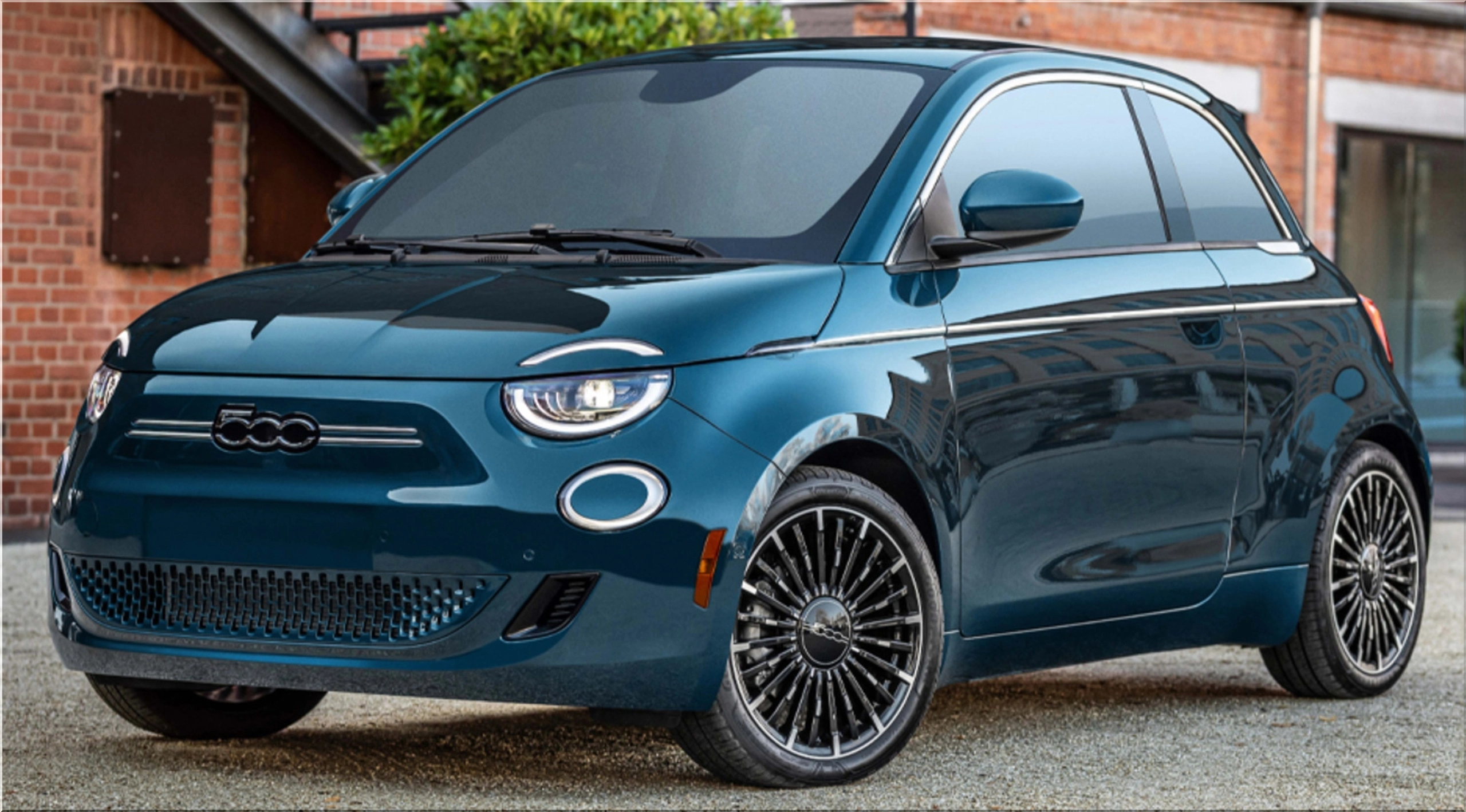
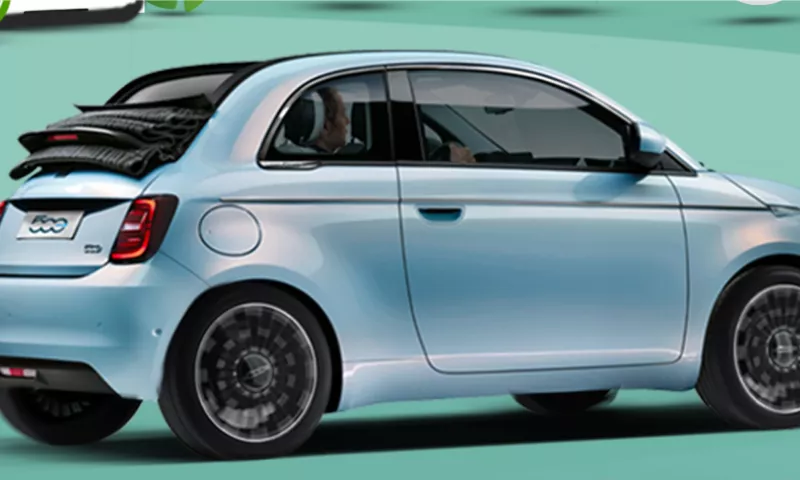
The Fiat 500e data available from Fiat's technical page supports why Free2move placed it in Milan.
Key Fiat 500e figures relevant to fleet operations include:
- Length: 3,632 mm (about 143.0 in)
- Width (mirrors folded): 1,683 mm (about 66.3 in)
- Width (mirrors open): 1,900 mm (about 74.8 in)
- Height: 1,527 mm (about 60.1 in)
- Wheelbase: 2,322 mm (about 91.4 in) from Fiat documentation surfaced in Fiat 500e spec PDF listings
- Battery capacity range: 24-42 kWh
- WLTP combined consumption: 13.0-14.9 kWh/100 km
- WLTP range: up to 199 miles (Fiat UK technical page)
- Charging support listed: 3-11 kW AC and 50-85 kW DC fast charging
- Max power range: 96-118 hp
The important part for Free2move sits in the middle of that list: energy use, charging speed, and package size. A city-focused shared EV has to move through more start-stop cycles, short reservations, and variable SOC levels than a privately owned commuter car. The 500e's charging profile and compact dimensions give fleet ops more scheduling options.
In addition, the 500e's small footprint lowers the parking friction that often kills user satisfaction in free-floating carsharing. If return parking becomes difficult, session completion time rises and the app experience takes the blame.
Fiat 500e Spec Impact on Milan Fleet Efficiency
- Small exterior footprint improves parking success rates
- DC charging support reduces downtime during fleet recovery windows
- Low WLTP energy consumption supports lower energy cost per urban km
- Strong local model recognition can raise booking confidence for first-time users
That last point sounds soft, but it affects conversion. In app-based mobility, familiar cars get booked faster.
Technical Snapshot: Opel Corsa Specs That Matter for Longer Carsharing Use
The Opel Corsa brochure data gives Free2move a practical B-segment option with a wider trip envelope.
Image
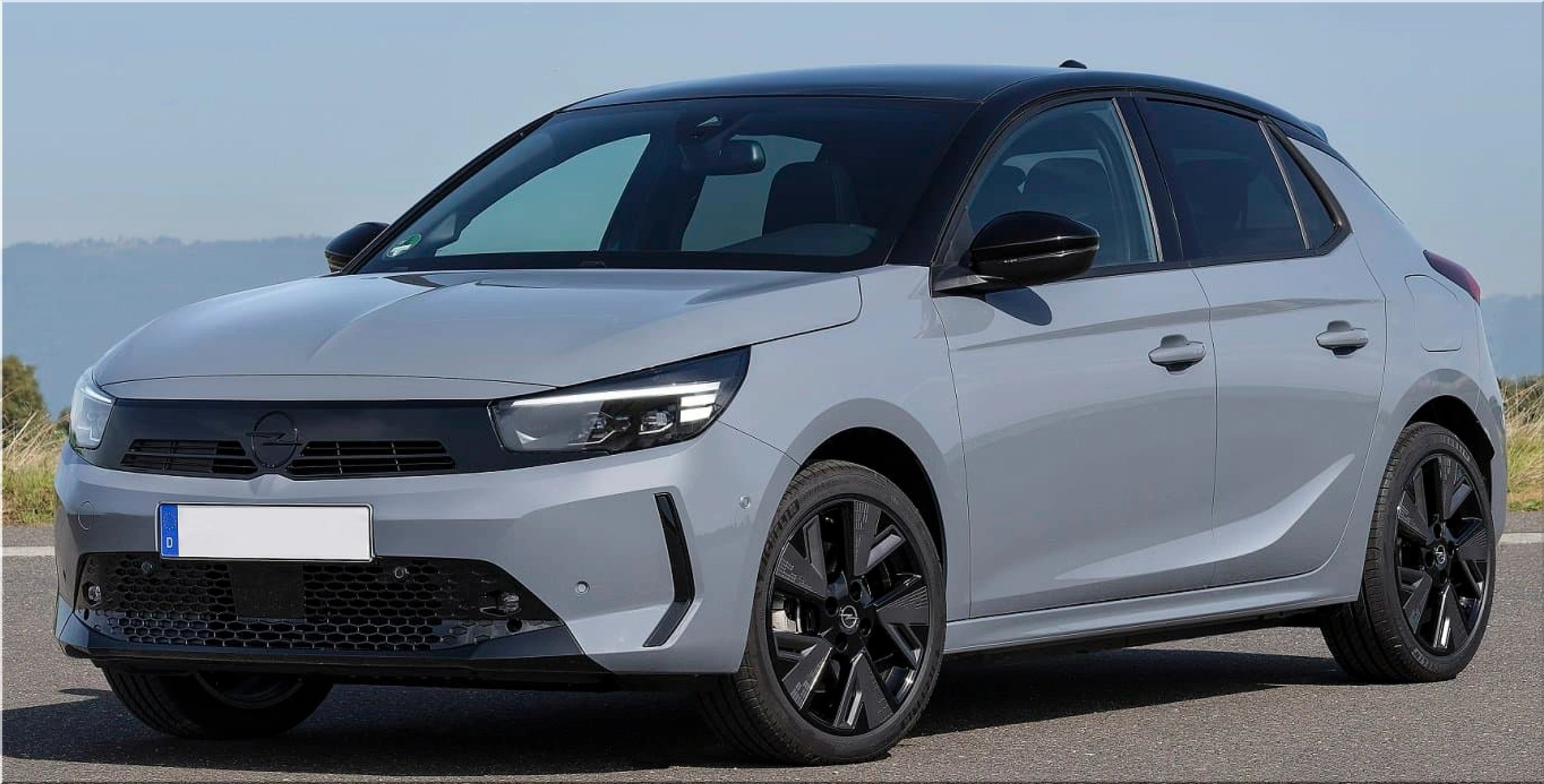
Opel Corsa Technical and Packaging Data Table (relevant to shared fleet planning)
| Category | Opel Corsa (brochure data points) |
|---|---|
| Vehicle length | 4,060 mm (about 159.8 in) |
| Wheelbase | 2,538 mm (about 99.9 in) |
| Height | 1,433 mm (about 56.4 in) |
| Width (mirrors folded) | 1,765 mm (about 69.5 in) |
| Width (mirrors included) | 1,960 mm (about 77.2 in) |
| Fuel tank capacity | 45 liters (about 11.9 gal) |
| Boot volume minimum | 309 liters |
| Boot volume maximum | 1,118 liters |
| Maximum rear boot opening width | 867 mm (about 34.1 in) |
| Maximum rear boot opening height | 574 mm (about 22.6 in) |
| 1.2 Turbo output (brochure variants shown) | 100 hp (74 kW) |
| 1.2 Turbo torque | 205 Nm (151 lb-ft) @ 1,750 rpm |
| Transmission options shown | 5MT / 6MT / 8AT / e-DCT6 hybrid auto (variant dependent) |
| Fuel economy (combined, low/high WLTP figures in brochure table) | 4.5-6.2 L/100 km across shown variants |
| CO2 (combined low/high figures in brochure table) | 102-140 g/km across shown variants |
Looking at the data, the Corsa brings three clear advantages for longer carsharing use: more space, stronger low-rpm torque in turbo variants, and fast route recovery via fuel stops.
The torque figure matters here. A 205 Nm output at 1,750 rpm gives users easier mid-range response in traffic merges and loaded trips. That improves perceived drivability, which matters in shared cars because users often jump in without any adaptation time.
By comparison, a smaller city EV package can feel excellent in urban use but less flexible for a mixed trip that includes passengers, bags, and motorway sections.
Why Free2move's App-Centered Charging and Fueling Flow Is a Bigger Story Than Fleet Count
The press release pushes one point that many readers will skip: Free2move says charging and fueling processes are integrated and managed through the app, and in Milan's EV charging flow the charging cost is covered by the service.
That is a major operational lever.
Shared mobility loses users when the service asks them to solve infrastructure problems. Free2move tries to prevent that by keeping the charging session inside one digital flow:
- User finds a partner charging station in the app
- User drives there
- User taps "start charging"
- User selects the charger and enters the charger ID
- User plugs in with the car switched off and locked
- Session starts with no separate payment card flow
Consequently, Free2move reduces two failure points at once:
- payment friction at public chargers
- session abandonment caused by confusing charging UX
From an expert perspective, this can improve EV fleet utilization more than adding a few extra chargers on paper. User behavior changes when the process feels predictable.
Operational Economics: What the City-by-City Split Suggests About Free2move's Italy Playbook
Free2move now appears to be segmenting Italy with a practical rule set:
- Dense EV-friendly urban demand -> add Fiat 500e
- Longer booking demand with wider trip radius -> add Opel Corsa
- Keep app workflows central -> lower friction and support repeat use
That structure can support better fleet economics because it matches cost profile to trip type:
Likely Unit-Economics Logic by Vehicle Type
- Fiat 500e
- Lower energy cost per urban kilometer
- Higher reliance on charging operations planning
- Strong urban booking appeal
- Best use in short- to mid-duration city sessions
- Opel Corsa
- Higher variable fuel cost than EV per km in many conditions
- Faster turnaround on long-route use due to rapid refueling
- Better luggage/passenger practicality
- Better fit for daily and multi-day bookings
In addition, Free2move states that insurance, fuel, and Home Area parking are included within weekly or monthly plan pricing (depending on plan). That bundling reduces mental math for users and can improve conversion because people compare "all-in trip access" against the hidden costs of private ownership.
Free2move vs Typical Urban Carsharing Offers: Competitive Positioning in Italy
Free2move's Italy message combines two strong claims: vehicle-choice fit and all-in digital convenience. Many carsharing offers do one of those well and leave the other half weak.
Competitive Positioning Table (carsharing service attributes users actually compare)
| Decision Factor | Free2move Position in This Italy Rollout | Why It Matters |
|---|---|---|
| Urban EV option | Fiat 500e in Milan | Improves appeal for low-emission city use and short trips |
| Longer-trip option | Opel Corsa in Rome/Turin | Covers weekends and multi-day needs better than micro city cars |
| Fleet expansion size | 200 vehicles | Increases availability and reduces app search friction |
| App-based vehicle access | Yes | Faster booking and pickup flow |
| Charging workflow in app | Yes (Milan EV charging flow) | Reduces EV charging confusion |
| Charging cost coverage | Yes (stated for service flow) | Cuts user friction and price surprises |
| Included fuel/parking/insurance in plans | Yes (plan dependent, Home Area parking rules apply) | Supports all-in value perception |
From an SEO and conversion perspective, this rollout gives Free2move a stronger answer to two high-intent user queries at the same time:
- "car sharing Milan electric"
- "car sharing Rome weekend / long trip"
That keyword split matches actual user demand, not marketing language.
Pricing: What the Numbers Suggest
The press release does not publish new Italy fleet pricing for these additions. Free2move's public carsharing pages show euro-denominated examples and plan messaging, while Opel brochure materials show Irish-market RRSP values for consumer variants. Those numbers do not equal Free2move fleet acquisition cost, but they still help frame market positioning.
- EUR 29.99/month Free2move Pass example -> about USD 35.34/month
- EUR 15 app bonus example on Free2move page -> about USD 17.68
- EUR 25,295 Opel Corsa brochure entry (Irish RRSP example) -> about USD 29,808
- EUR 31,895 Opel Corsa brochure entry (Irish RRSP example) -> about USD 37,585
Specifically, these conversions help readers outside the eurozone compare positioning, but they do not represent Free2move's fleet purchase terms, depreciation curves, or actual utilization economics.
The Engineering and Product Logic Behind This Pairing
Free2move's vehicle choices also follow plain engineering logic.
Fiat 500e: Why It Fits Shared Urban EV Duty
The 500e gives fleet managers:
- compact dimensions for tight parking
- low urban energy draw
- fast-charge capability for rotation recovery
- strong city-brand pull in Italy
That combination works because urban carsharing performance depends less on top speed and more on parking success rate, turnaround speed, and session completion without friction.
Opel Corsa: Why It Fits Longer Shared Trips
The Corsa gives fleet managers:
- larger wheelbase and cabin package than an A-segment city EV
- usable turbo torque low in the rev range
- larger boot and better loading access
- quick refueling without charger dependency on longer routes
By comparison, using only EV city cars for every trip type would force longer bookings into a weaker product fit, then push users to competing apps for weekend travel.
Pro-Tips for Readers Choosing Between Free2move Vehicle Types in Italy
Pro-Tip: Pick the car by trip profile, not by badge
If your trip stays in dense city streets with short parking windows, choose the Fiat 500e. If you carry luggage or plan a full-day route outside the city core, choose the Opel Corsa.
Pro-Tip: Check Home Area rules before ending the trip
Free-floating carsharing convenience depends on legal return parking inside the service area. Open the app map and confirm return-zone boundaries before the last stop.
Pro-Tip: Use charging stops only when the app flow supports your route
Free2move's app-led charging in Milan removes payment friction, but you still save time by planning charging around meal stops or meetings instead of waiting until battery state gets low.
Pro-Tip: Compare all-in trip cost against private car ownership
Insurance, parking, and fuel/charging inclusion can shift the math fast. Users who drive irregularly often overpay by owning a car that sits still most days.
What This Means for Sustainable Mobility in Italy
This rollout supports sustainable mobility in a practical way because Free2move did not push one vehicle type into every city. It built a city-specific fleet mix.
That approach usually performs better than a single-message rollout for three reasons:
- users get a vehicle that matches the trip
- operators keep utilization higher
- EV adoption grows where charging workflows already support it
In addition, Free2move reports that 30% of its global fleet is already electric. That gives context to the Milan 500e move. Free2move is not testing a symbolic EV deployment. It is applying a fleet method the company says already works in cities such as Paris, Madrid, and Amsterdam.
From an expert perspective, the Italy expansion shows that the company wants to scale EV use where operational conditions support it, while still protecting customer experience in cities and trip types where an ICE hatch remains the better fit today.
Drivers, Fleet Watchers, and Mobility Teams
If you are a driver in Milan, Rome, or Turin
- Open the Free2move app and check which vehicle classes appear near your home and work zones.
- Use Fiat 500e for short urban trips and public-transport complement use.
- Use Opel Corsa when you need luggage room, multi-stop routing, or a longer booking window.
If you manage fleet, mobility, or transport policy
- Watch how quickly Free2move scales EV share in Milan after this rollout.
- Track booking length and repeat usage for Corsa units in Rome and Turin.
- Measure friction points in charging and return parking workflows, not only fleet count growth.
If you create content or compare mobility services
Focus on these decision metrics, because users search for them:
- availability by city zone
- trip-type fit
- parking rules
- charging/payment friction
- all-in cost clarity
That is where conversion happens.
- Add new comment
- 108 views