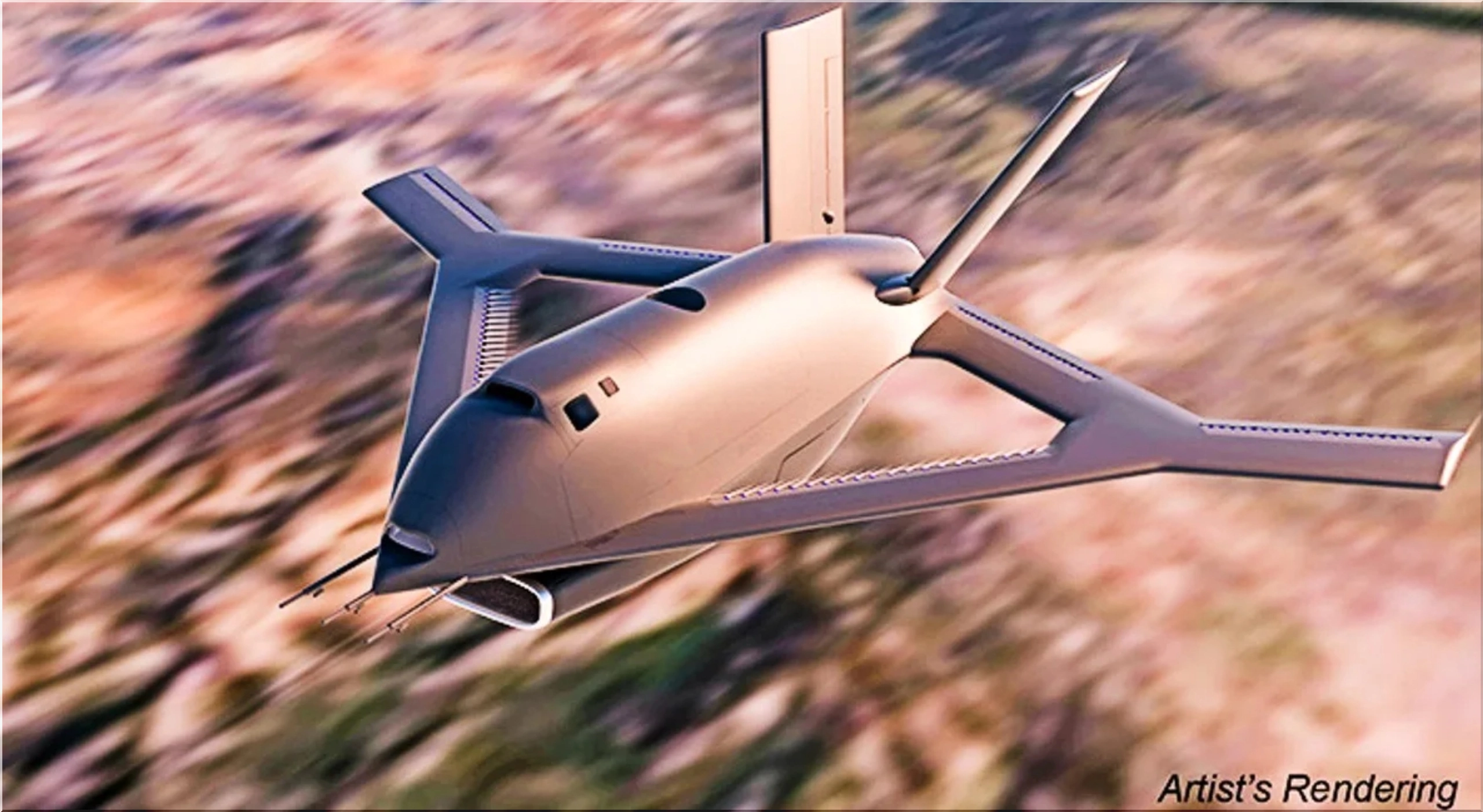
The world of aviation is on the cusp of a revolution, and at the forefront of this change is the Aurora X-65, a prototype aircraft being developed by Aurora Flight Sciences with funding from the Defense Advanced Research Projects Agency (DARPA). This innovative design promises to transform the way we think about flight control, potentially leading to faster, more maneuverable, and adaptable aircraft.
Revolutionizing Flight Control with Active Flow Control (AFC)
The key innovation behind the Aurora X-65 lies in its use of Active Flow Control (AFC). Unlike traditional aircraft that rely on flaps, ailerons, and rudders for maneuverability, the X-65 employs a network of tiny holes on its wings called effectors. These effectors strategically blow pressurized air over the wings, altering the airflow and generating the forces needed for lift, thrust, and directional control.
This AFC approach offers several advantages over conventional methods:
- Simplicity: The AFC system eliminates the need for complex mechanical control surfaces, reducing weight and maintenance requirements.
- Adaptability: The X-65 can dynamically adjust the airflow through its effectors, allowing for more precise and nuanced control during flight.
- Efficiency: AFC has the potential to improve aerodynamic efficiency, leading to increased range and fuel economy.
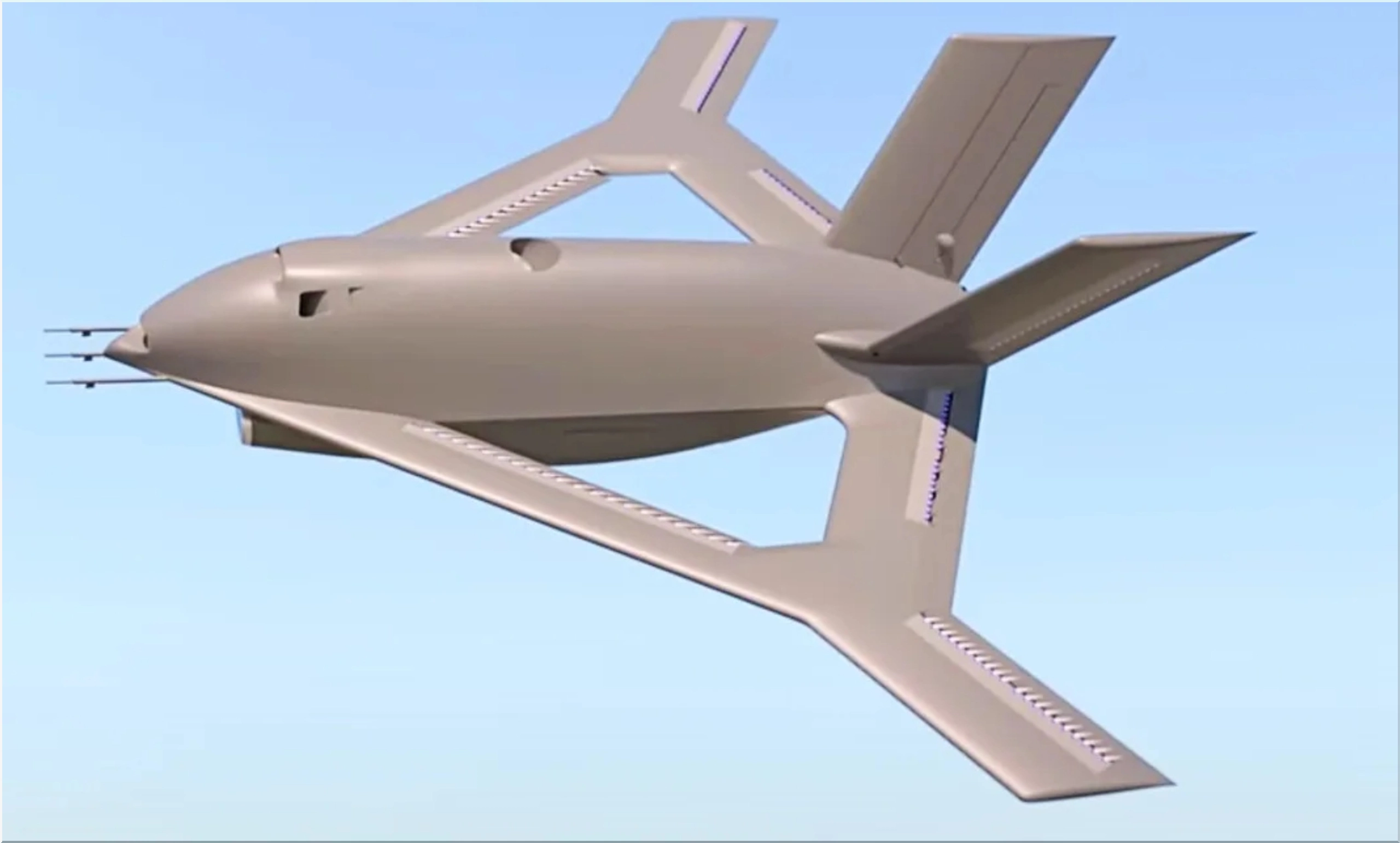
Potential Applications: From Military to Civilian Aviation
The Aurora X-65 is primarily designed as a high-performance unmanned aerial vehicle (UAV) for military applications. Its agility and potential for high speeds make it ideal for reconnaissance, surveillance, and target acquisition missions. However, the implications of AFC technology extend far beyond the military realm.
Commercial airlines could potentially benefit from AFC by incorporating it into future aircraft designs. This could lead to lighter, more fuel-efficient airplanes with improved maneuverability, especially during takeoff and landing. Additionally, AFC systems could be integrated with existing flight control systems to enhance stability and performance in turbulent conditions.
Challenges and Looking Ahead
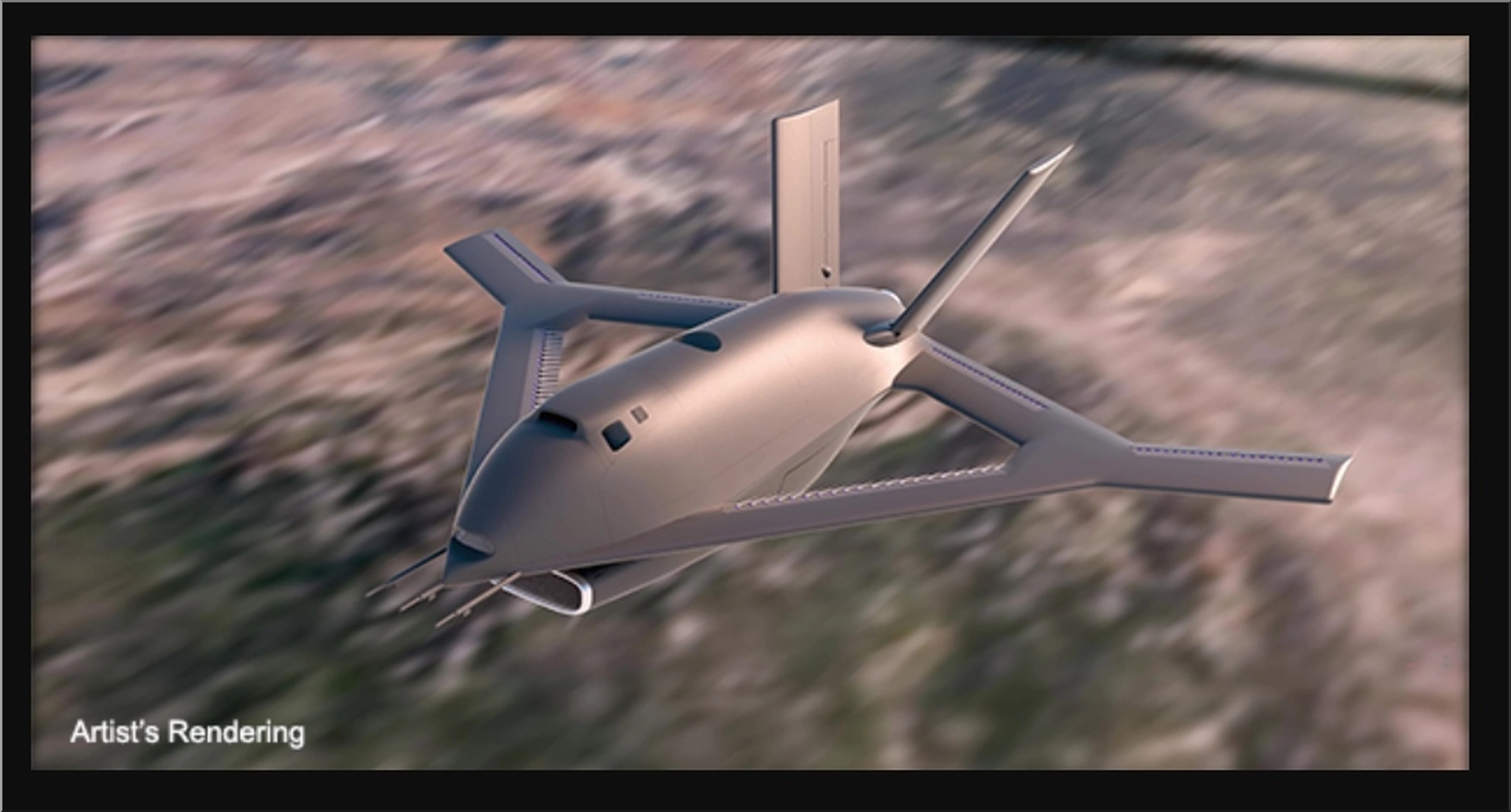
While the Aurora X-65 represents a significant leap forward in aviation technology, there are still challenges to overcome. One key hurdle is developing efficient and reliable systems for generating and managing the pressurized air required for the AFC system. Additionally, ensuring the structural integrity of the aircraft with its perforated wings is crucial.
The first flight of the Aurora X-65 prototype is targeted for summer 2025. The success of these initial test flights will be critical in determining the future of AFC technology and its potential impact on the aviation industry.
In conclusion, the Aurora X-65 prototype represents a bold and innovative approach to aircraft design. By leveraging Active Flow Control, this revolutionary aircraft has the potential to redefine flight control, paving the way for a new era of faster, more efficient, and adaptable airplanes. @via Aurora Flight Sciences.
- Add new comment
- 221 views


















![The 5 Best Scrap Car Removals in Toronto [2023] – Ultimate Guide](/sites/default/files/styles/medium/public/images/Scrap-Cars-2023-012.webp "The 5 Best Scrap Car Removals in Toronto [2023] – Ultimate Guide")