SWU Accelerates EV Transition with Major Investment in Electric Public Transport
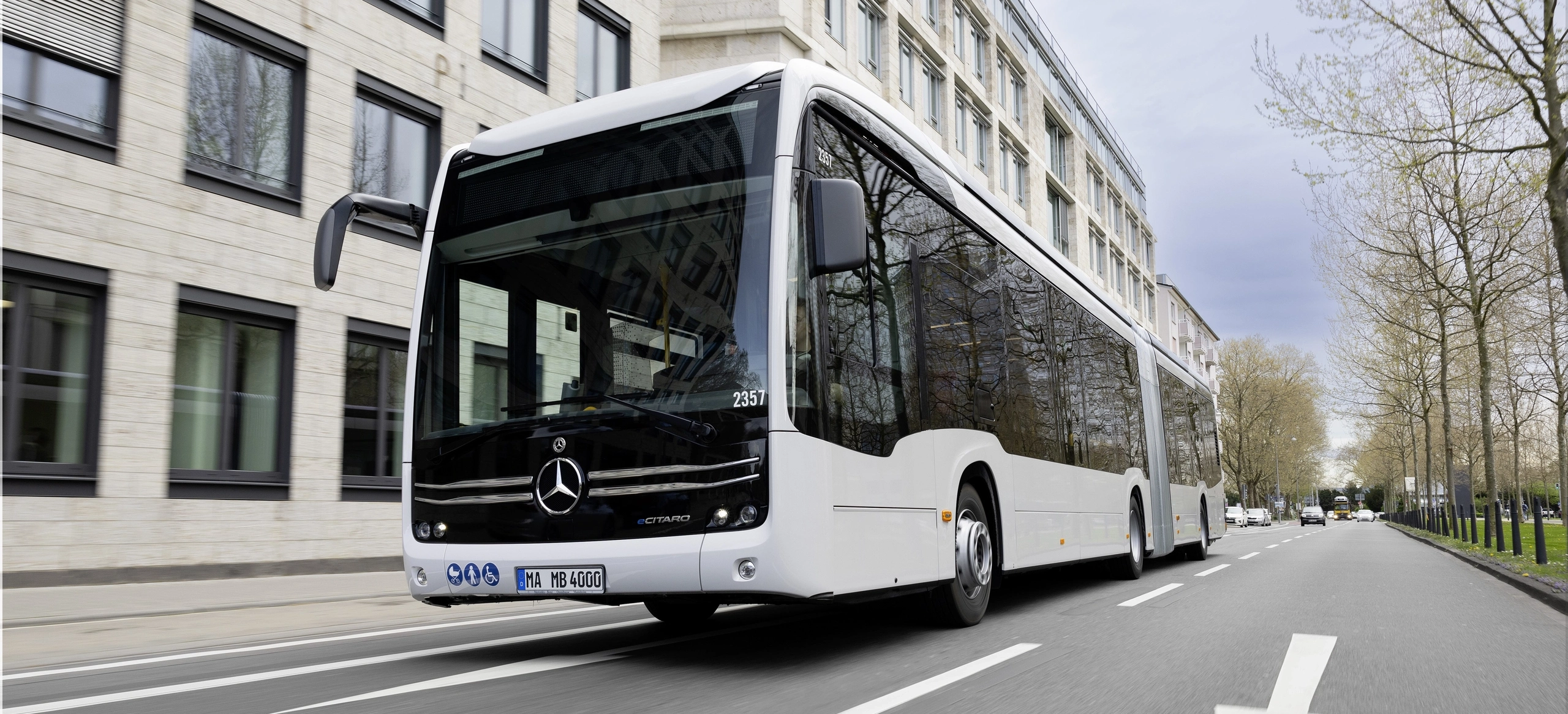
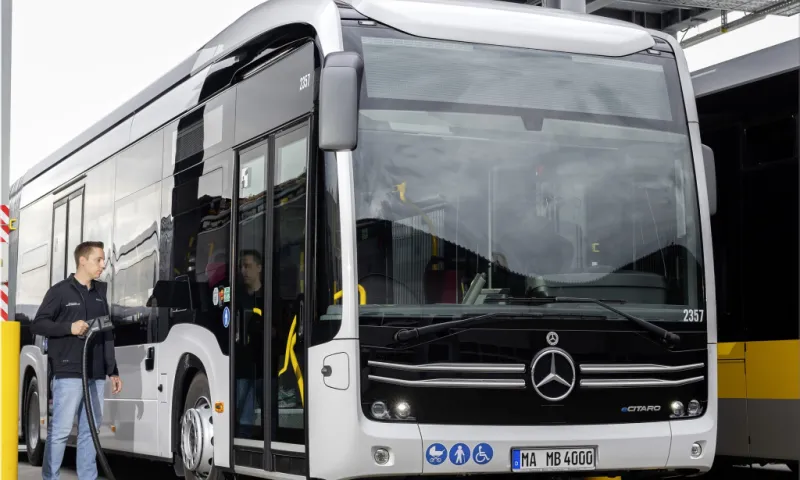
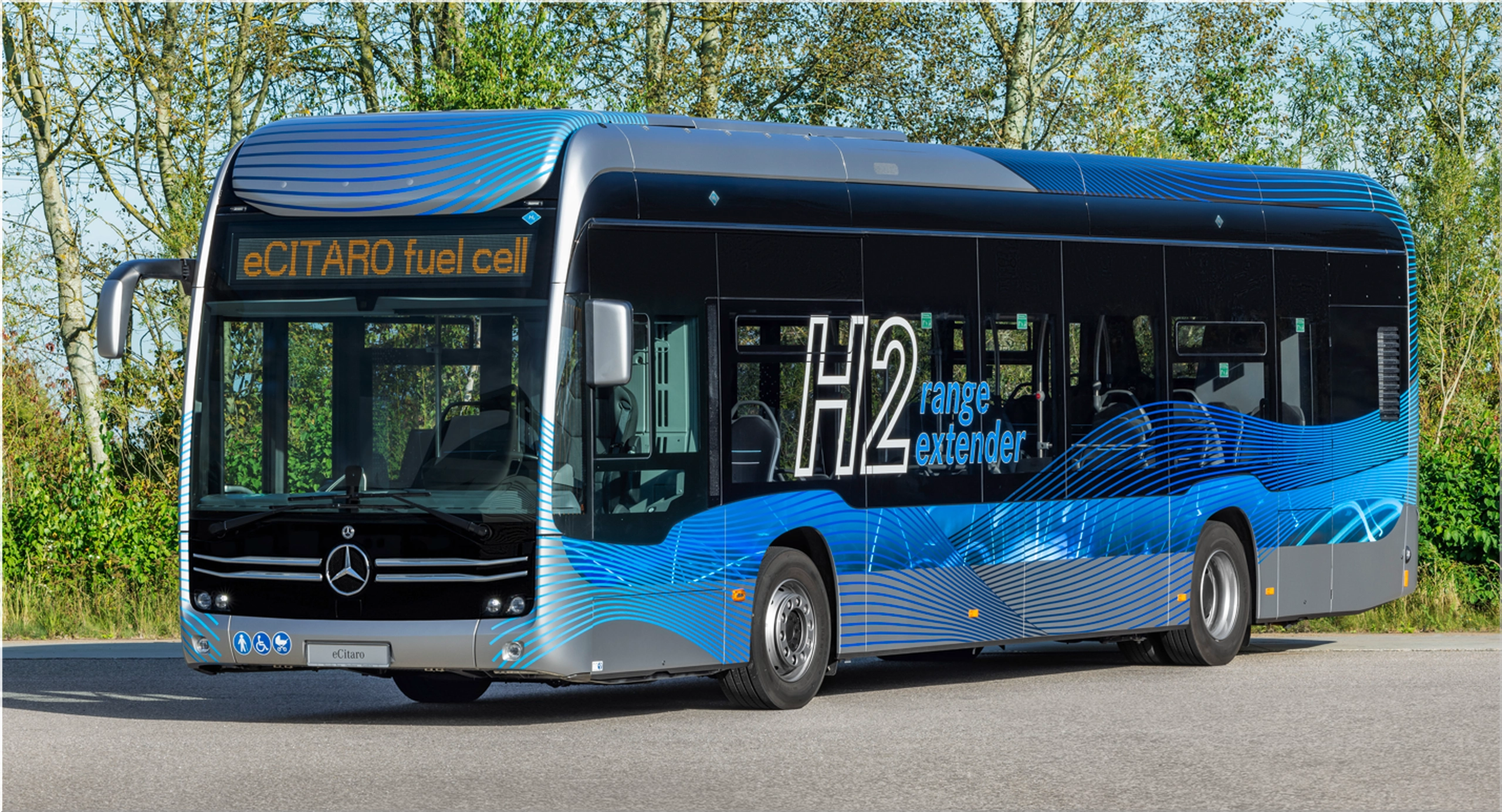
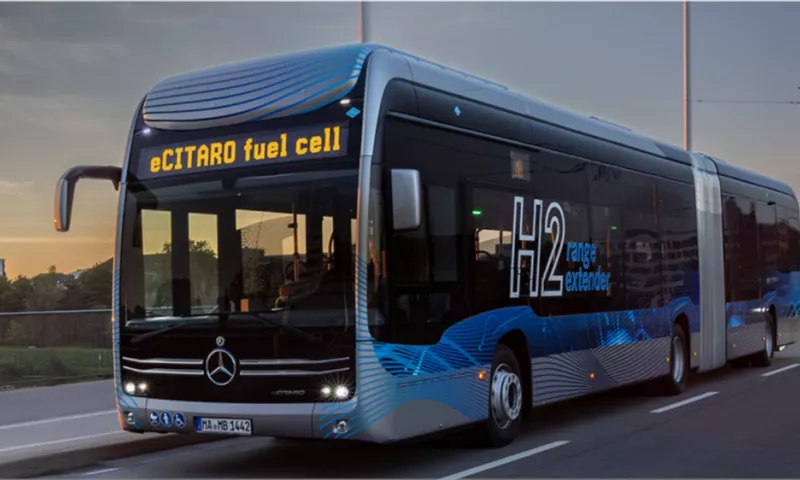
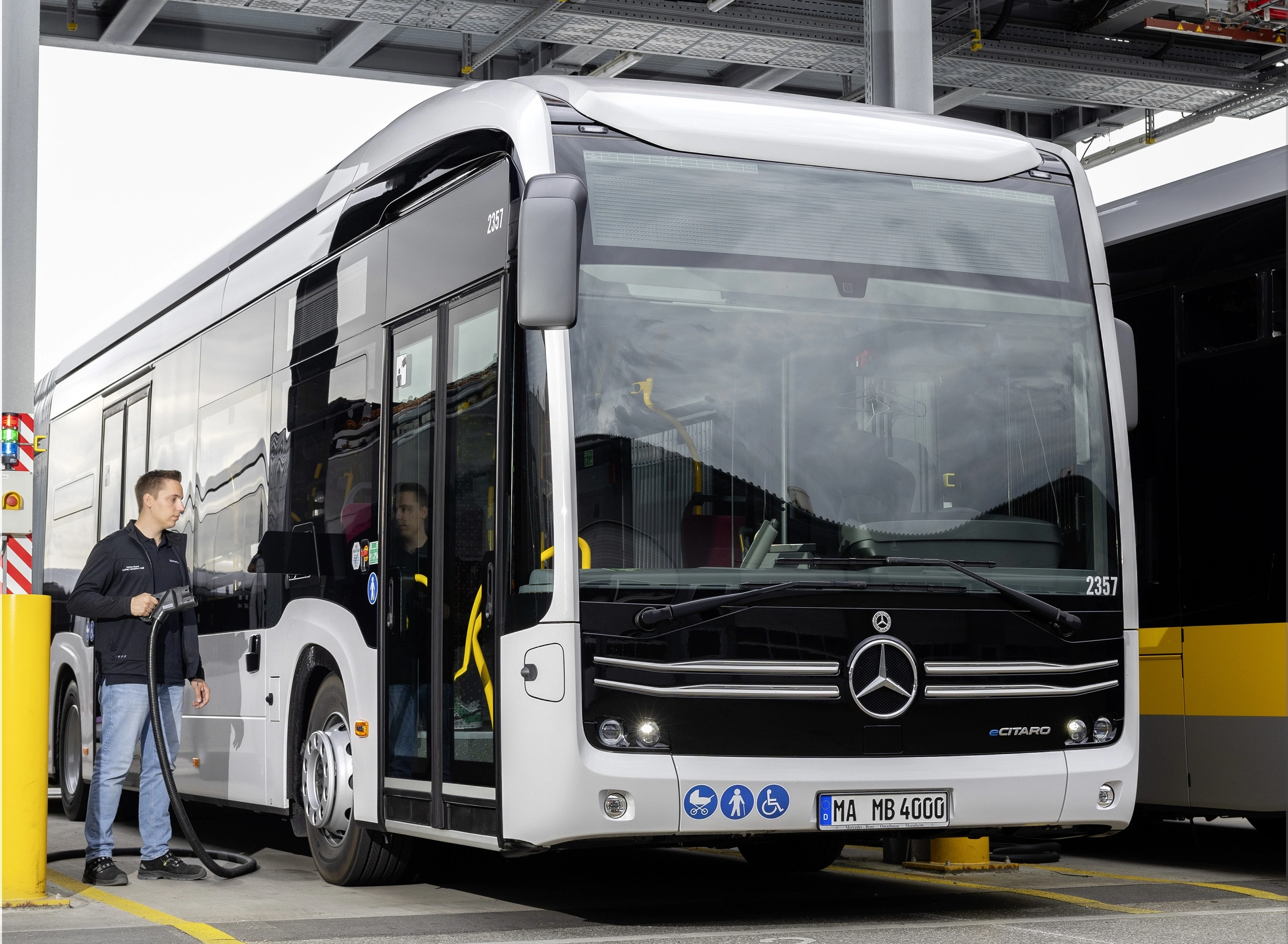
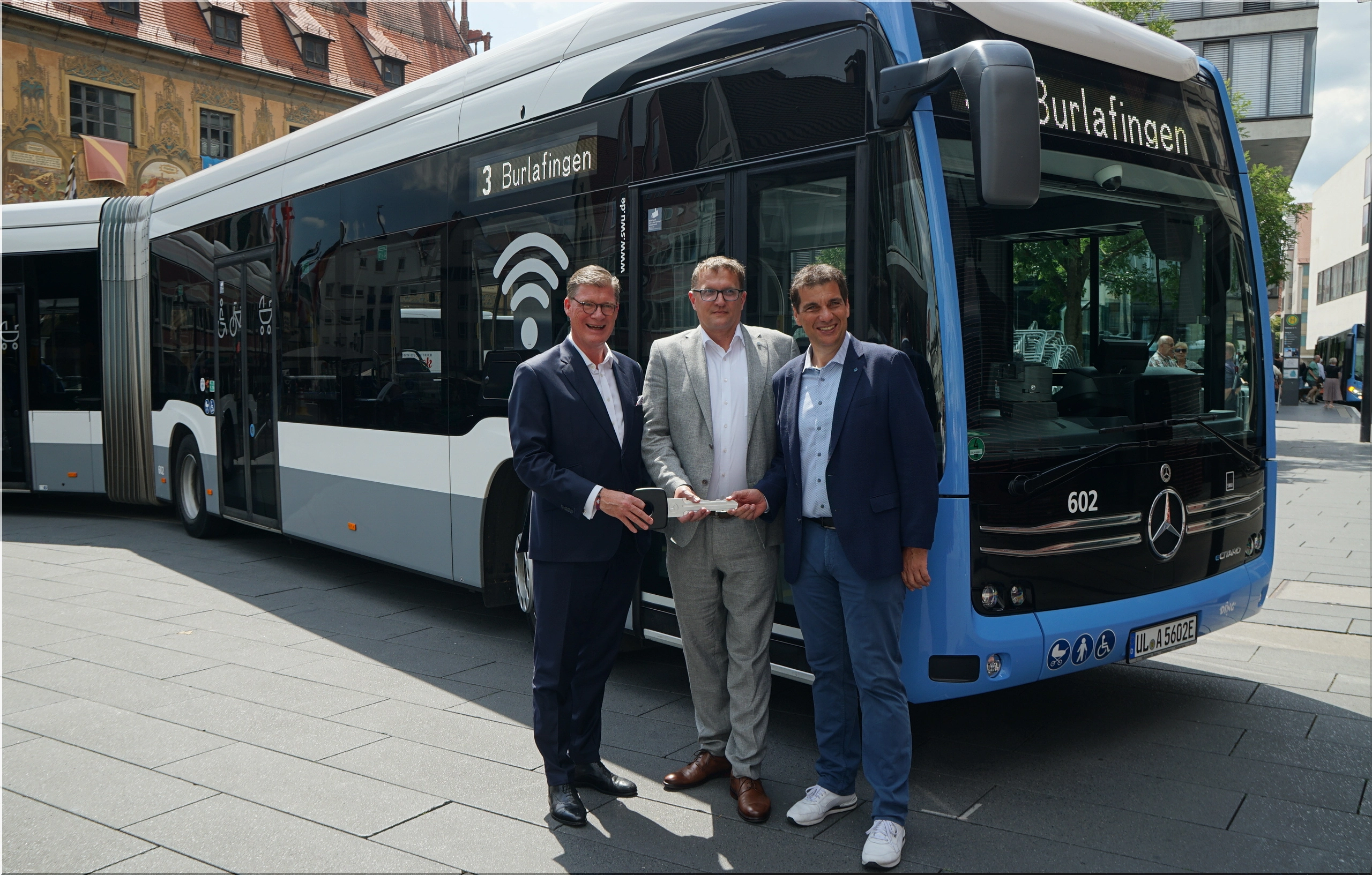
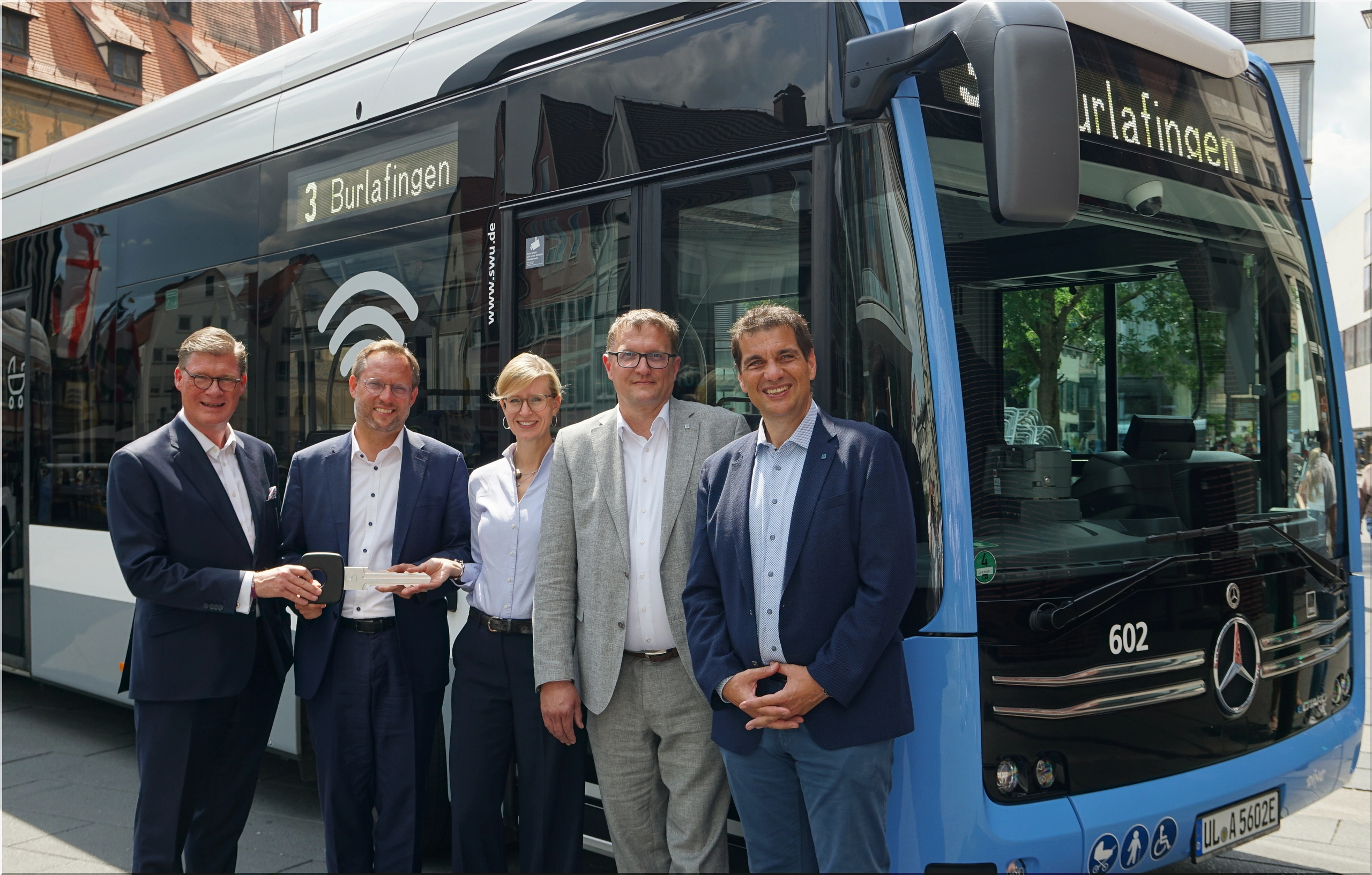
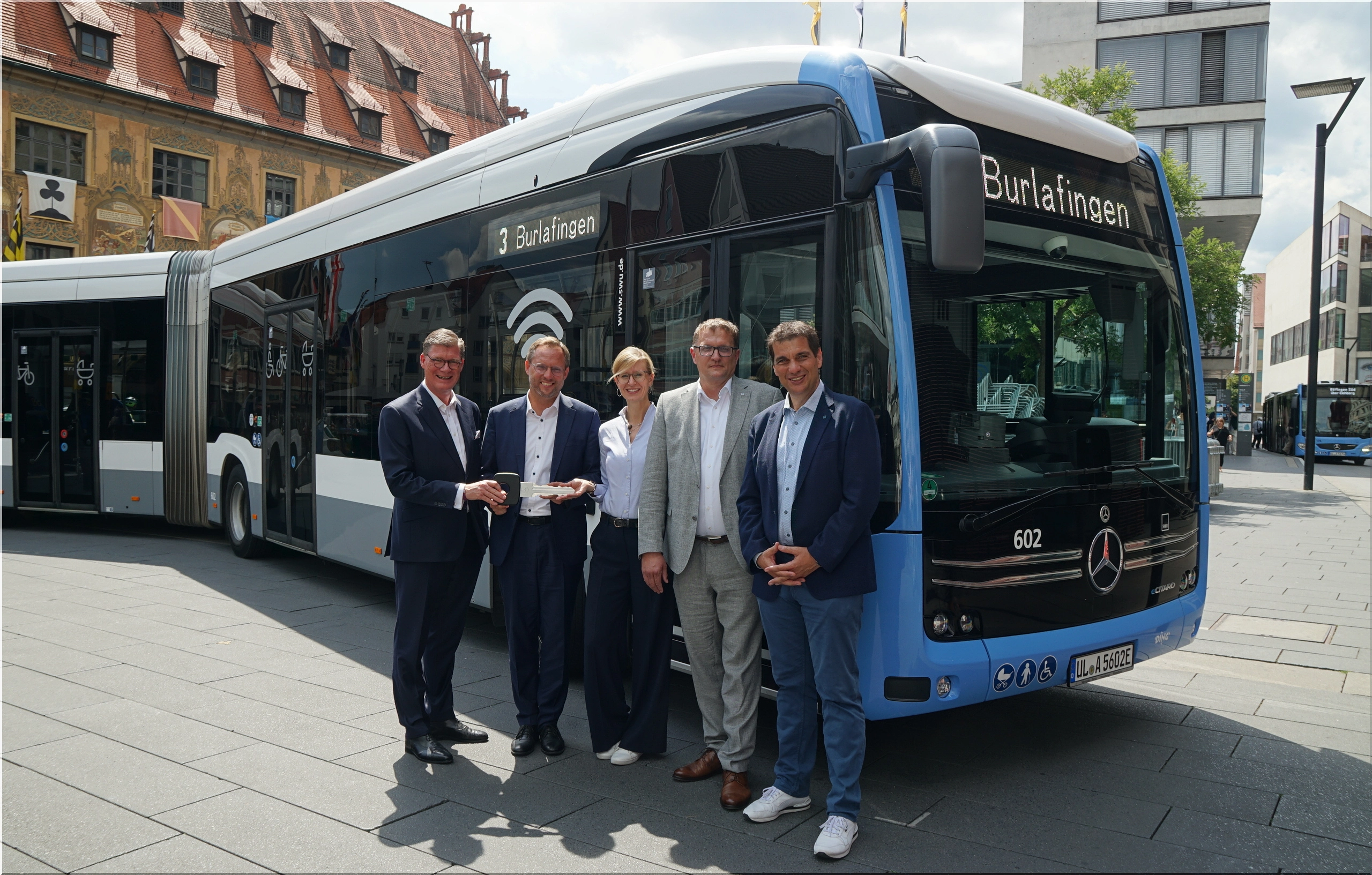
Stadtwerke Ulm / Neu-Ulm (SWU) is ramping up its commitment to zero-emission transit with the purchase of 37 Mercedes-Benz eCitaro electric buses, solidifying its push toward full fleet electrification. The new acquisition includes 15 eCitaro solo buses and 22 articulated eCitaro G units, adding to the 14 articulated eCitaro G models already on the road. The buses will begin operations through 2026, with an option for nine more units in 2027.
Project Scope and Budget
- Contract Signed: July 18, 2025
- Supplier: Daimler Buses
- Number of New Buses: 37 confirmed (+9 optional)
- Total Projected Investment: €34.6 million (approx. $37.6 million USD)
- Deployment Timeline: Through end of 2026
- Optional Units: Additional nine units planned for 2027
This order stems from a Europe-wide competitive tender and reflects Daimler Buses’ growing presence in domestic urban transit markets. By the time all vehicles are delivered, more than half of SWU’s fleet will be battery-electric.
Bus Specifications and Passenger Capacity
| Bus Type | Length | Doors | Capacity (Passengers) |
|---|---|---|---|
| eCitaro Solo | 12.14 meters | 3 | Up to 65 |
| eCitaro G Articulated | 18.3 meters | 4 | Up to 143 |
All new buses are designed for improved accessibility with expanded space for wheelchairs, prams, and walking aids. The upgraded design helps SWU better serve a broader demographic.
Charging and Battery Technology
The buses use the fourth-generation NMC (Nickel-Manganese-Cobalt) batteries, known for high energy density and fast-charging compatibility.
Battery and Charging Highlights:
- Battery Pack Output: 111 kWh per pack
- Charging Power: Up to 300 kW
- Depot Charging Ports: On both sides above the front axle
- Pantograph Charging: Enabled via rooftop system
- Navigation Support: Roof camera assists with pantograph alignment
The dual-mode charging—depot-based and opportunity charging on route—is tailored to match the demanding terrain and route schedules of the Ulm and Neu-Ulm areas. The combination helps avoid mid-route downtime and maximizes operational uptime.
Digital Integration for Fleet Efficiency
Each bus includes the Digital Services Package from Omniplus, contracted for 12 years. The service suite improves uptime, reduces operating costs, and streamlines maintenance through real-time diagnostics.
Key Features of Digital Fleet Management:
- Omniplus On Uptime pro: Real-time vehicle health monitoring
- Battery Monitoring System: Maximizes service life and warranty compliance
- Integrated Data Packages: Seamless link to third-party fleet management tools
- Proactive Diagnostics: Early alerts reduce unplanned service interruptions
This platform-centric approach provides actionable insights to fleet operators and maintenance teams, improving overall fleet reliability and cost transparency.
Safety Technology in Focus
All eCitaro units come equipped with advanced driver assistance systems (ADAS) to protect both passengers and pedestrians.
ADAS Package Includes:
- Sideguard Assist 2: Alerts to pedestrians and cyclists in blind spots
- Frontguard Assist: Detects obstacles or people directly ahead
- Preventive Brake Assist 2: Emergency braking to prevent collisions
- Traffic Sign Assist: Uses GPS and cameras to enforce real-time speed compliance
This tech reduces the risk of urban accidents, improves operator confidence, and aligns with broader city safety goals.
Why SWU Chose Daimler Buses
Local Value Retention:
SWU emphasized supporting domestic industry, noting Daimler Buses’ Neu-Ulm production base as a strategic advantage. Local manufacturing boosts supply chain resilience, service proximity, and keeps economic value within Germany.
Proven Track Record:
Daimler’s electric buses are already in use within the SWU network, demonstrating reliable performance and consistency in service delivery.
Timeline for Implementation
- Q3 2025: Contract signed and production initiated
- Q1 2026 – Q4 2026: Progressive delivery of 37 eCitaro units
- 2027 (Tentative): Optional 9 units to expand battery-electric share
By 2027, more than half of SWU’s bus fleet will be electric—a notable shift for a regional operator handling over 41 million passengers annually.
Key Takeaways for Industry Observers
- Major Investment: $37.6 million USD earmarked for urban electrification
- High Utilization Plan: All 37 units in service by end of 2026
- Local Sourcing Strategy: Domestic supplier selection favors economic resilience
- Modular Charging Model: Dual system (depot + pantograph) increases route viability
- Scalable Technology Stack: Futureproofed with digital monitoring and ADAS
- Battery Innovation: NMC-4 chemistry combines performance with lifecycle durability
Conclusion
SWU’s aggressive move toward electric transit reaffirms a broader trend in European city transport—electrification with measurable ROI. With proven battery tech, real-time diagnostics, and robust ADAS systems, the Mercedes-Benz eCitaro platform is positioned to serve as a scalable model for other cities considering similar investments.
By opting for a fleet-centric, data-supported, and locally sourced solution, SWU sets a precedent for public transport modernization. The investment doesn’t just replace diesel buses; it builds a system for long-term efficiency and lower emissions—without hype or jargon.
- Add new comment
- 152 views