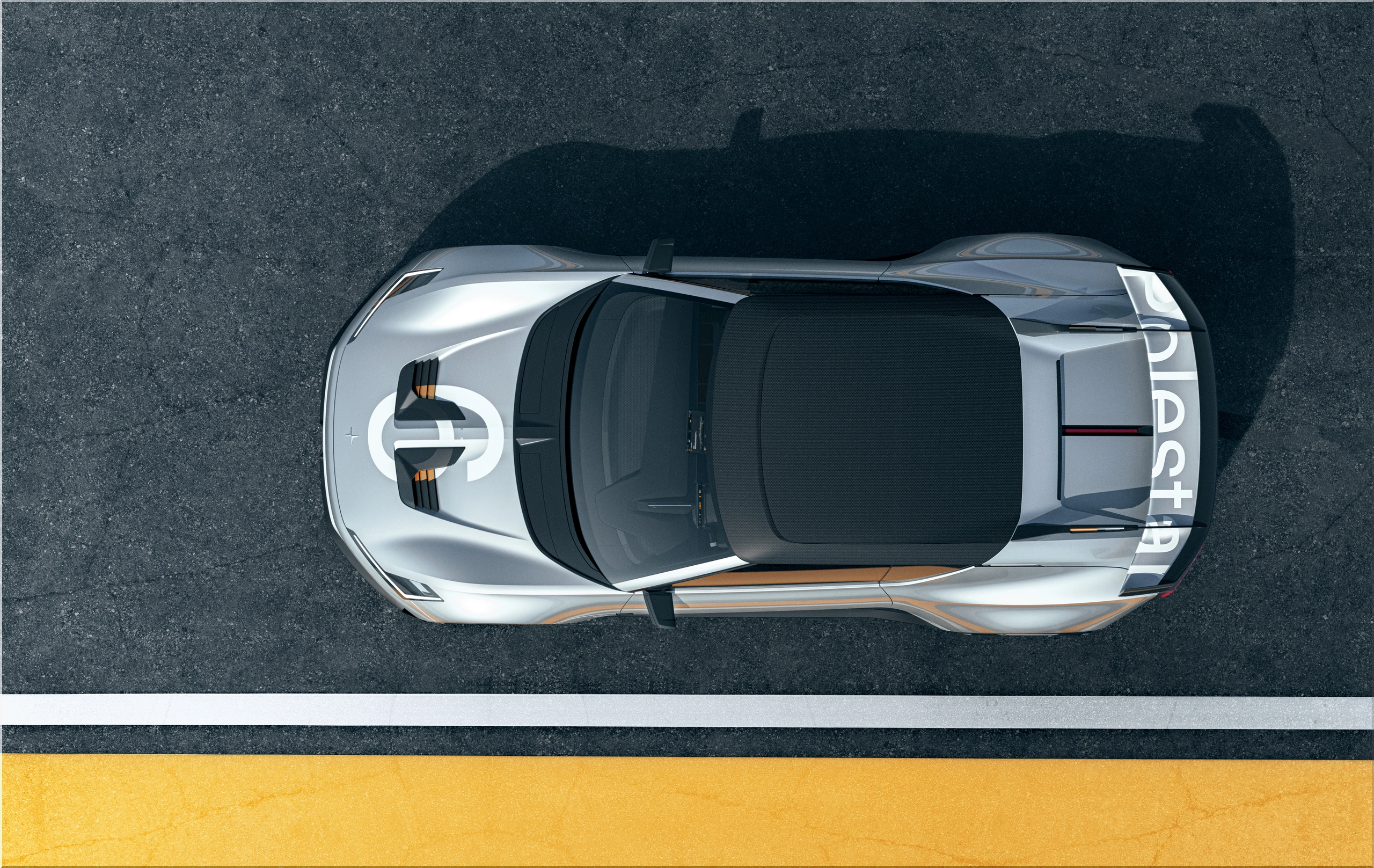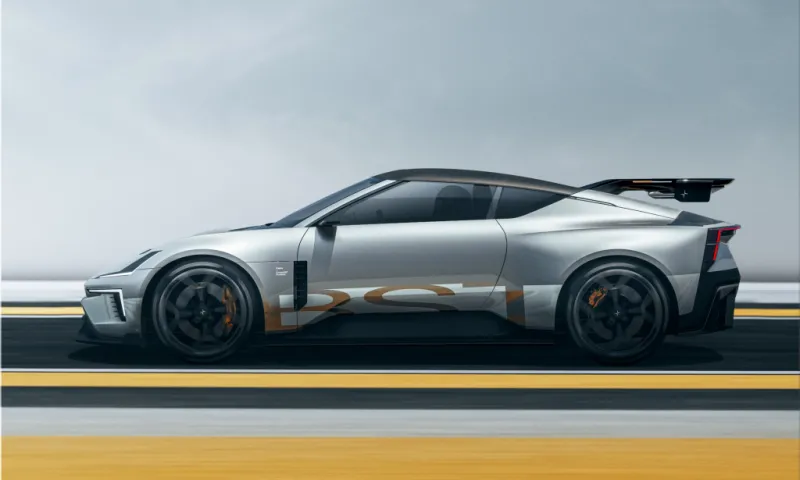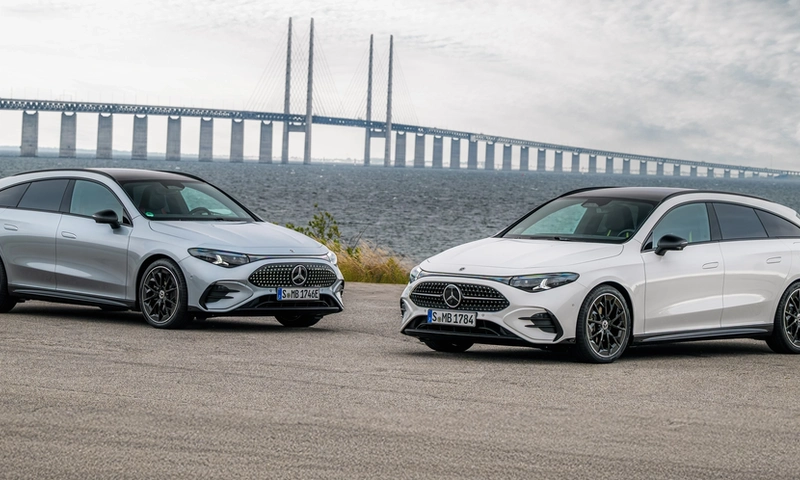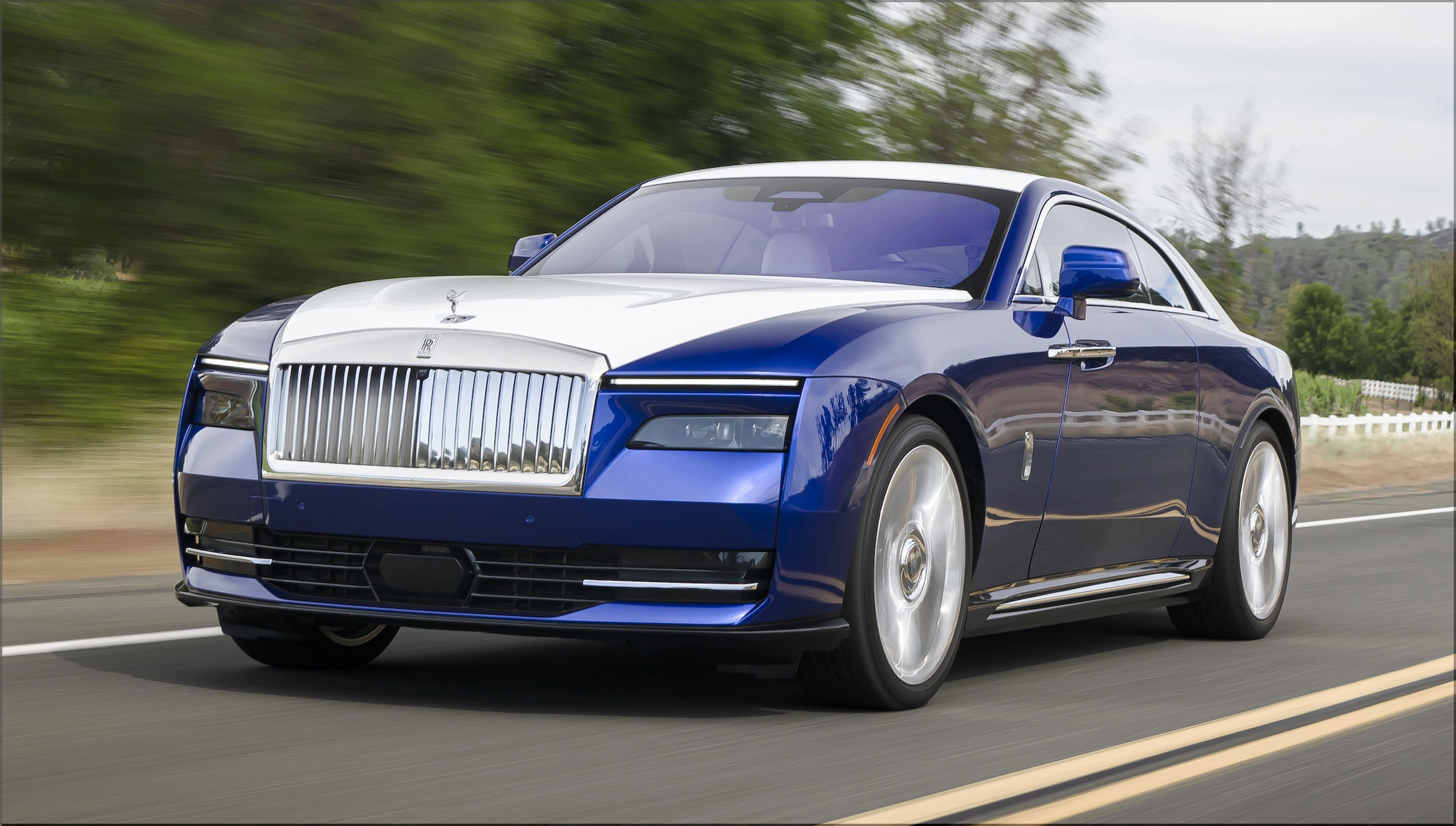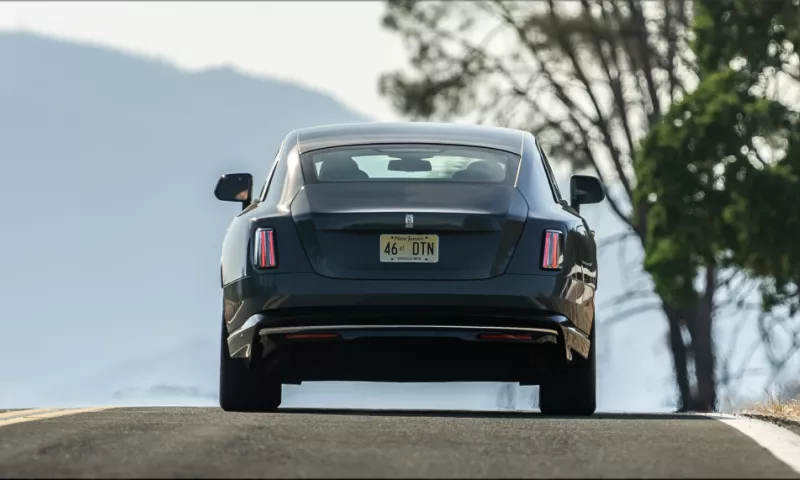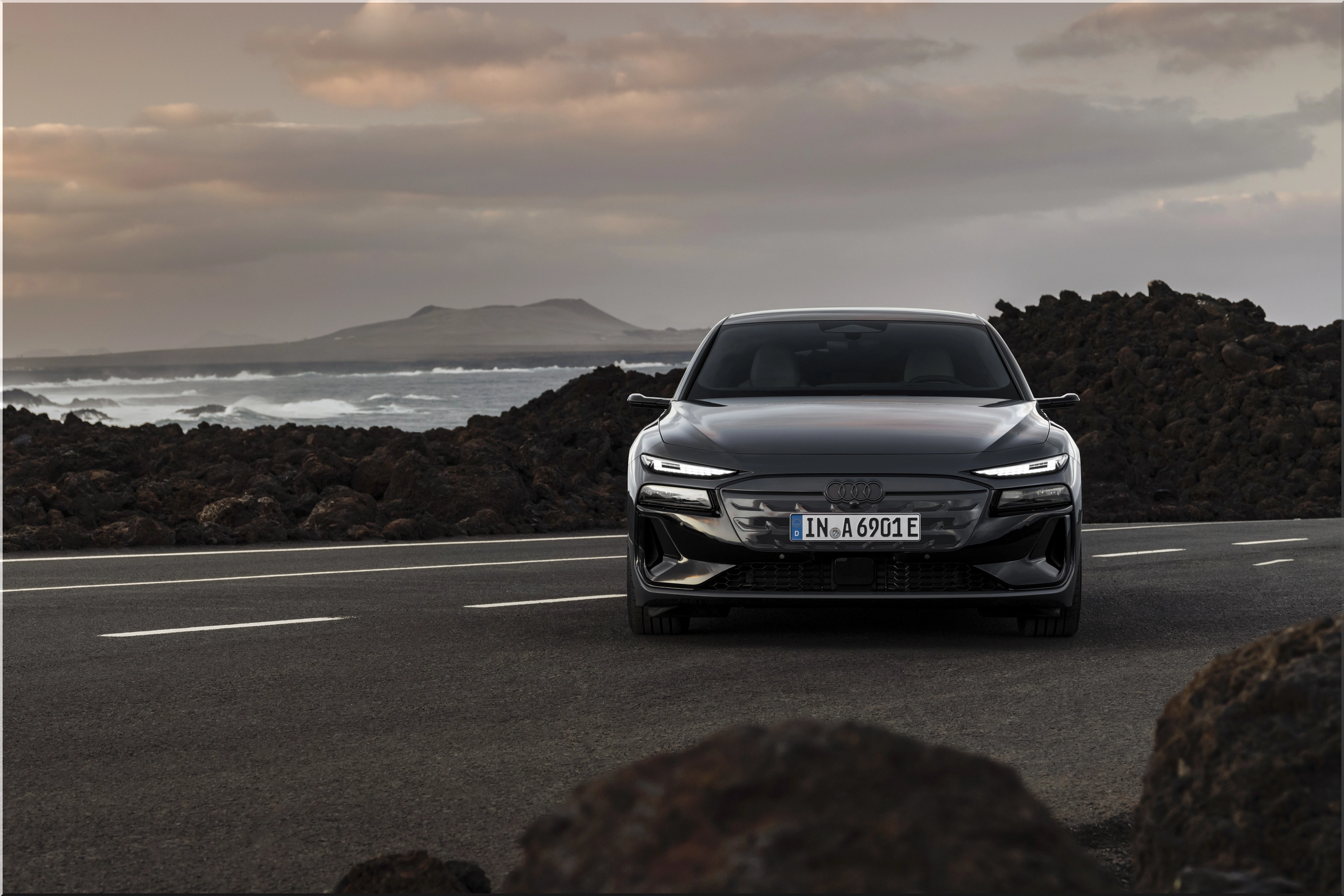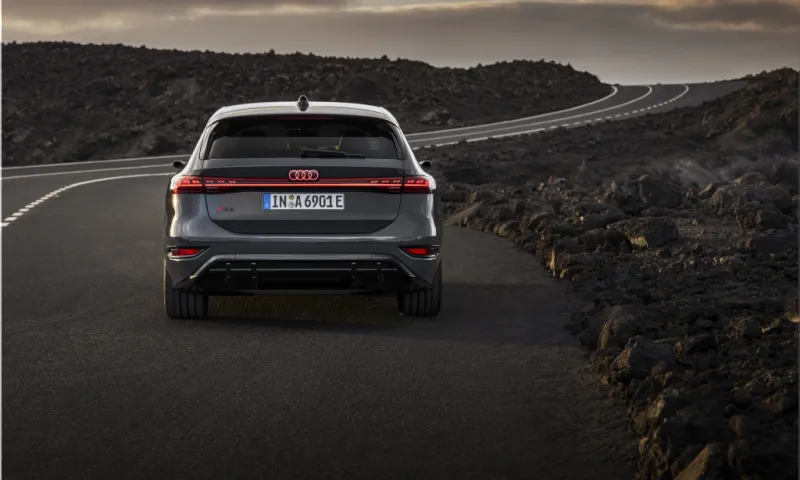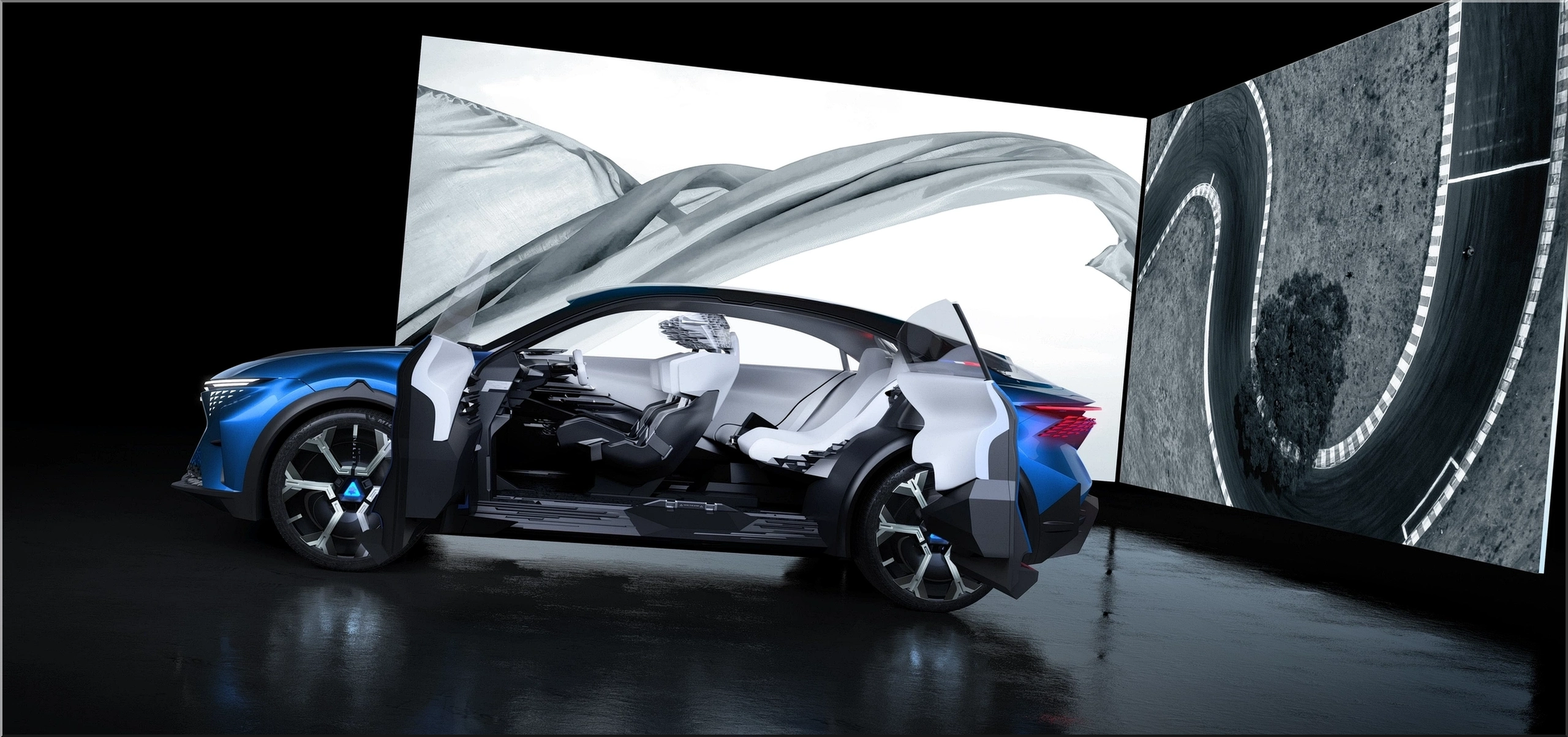
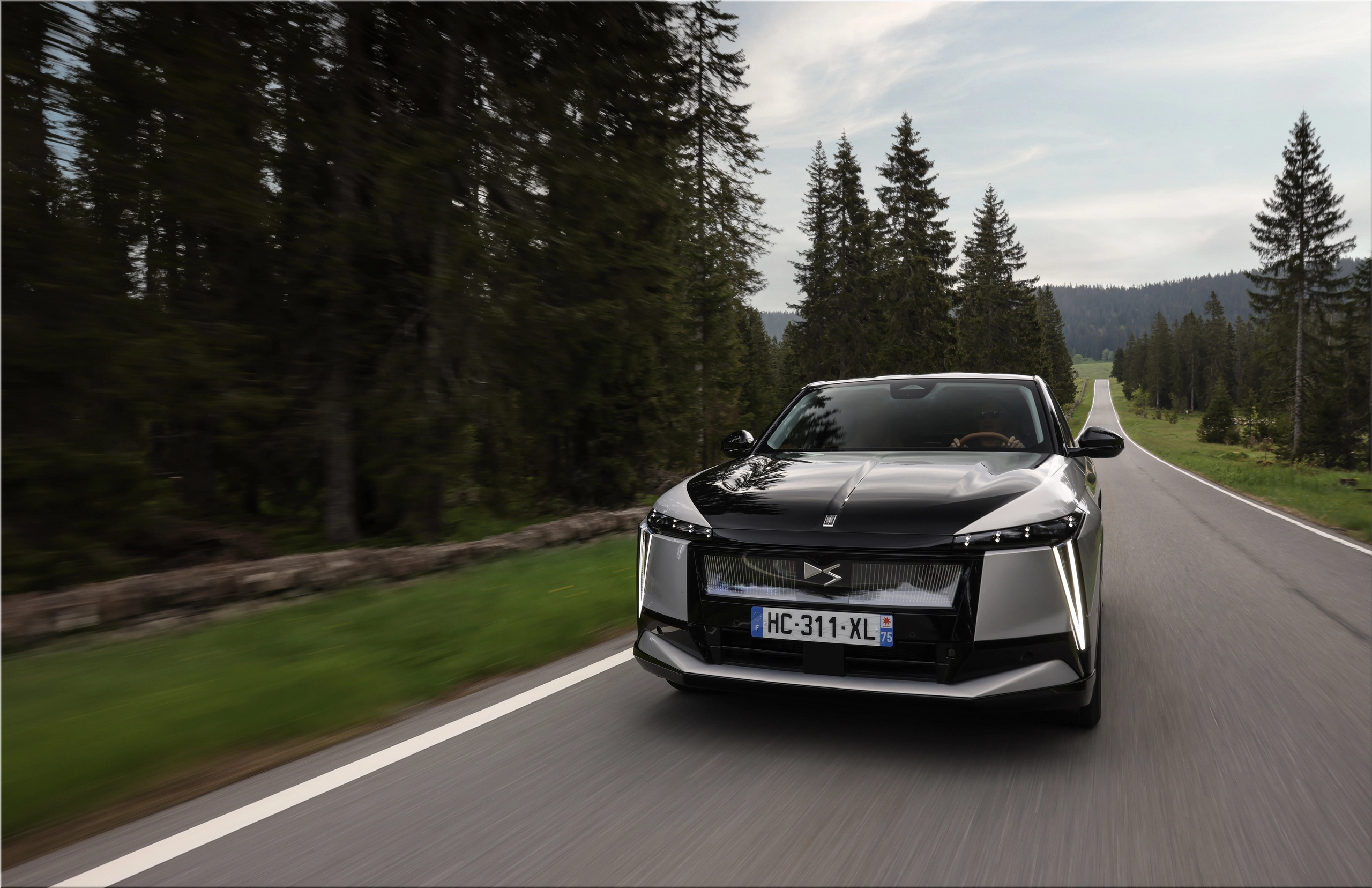
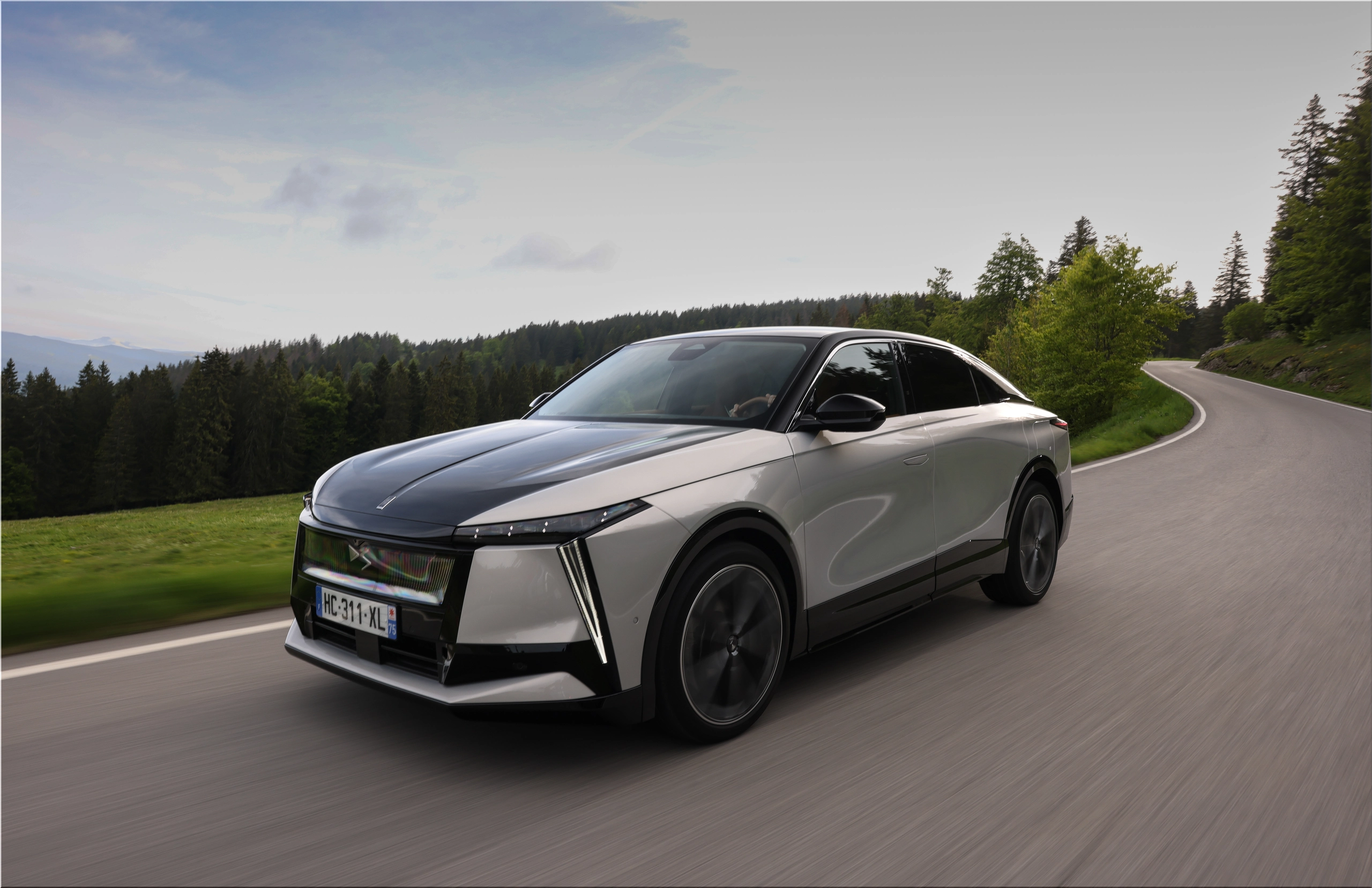
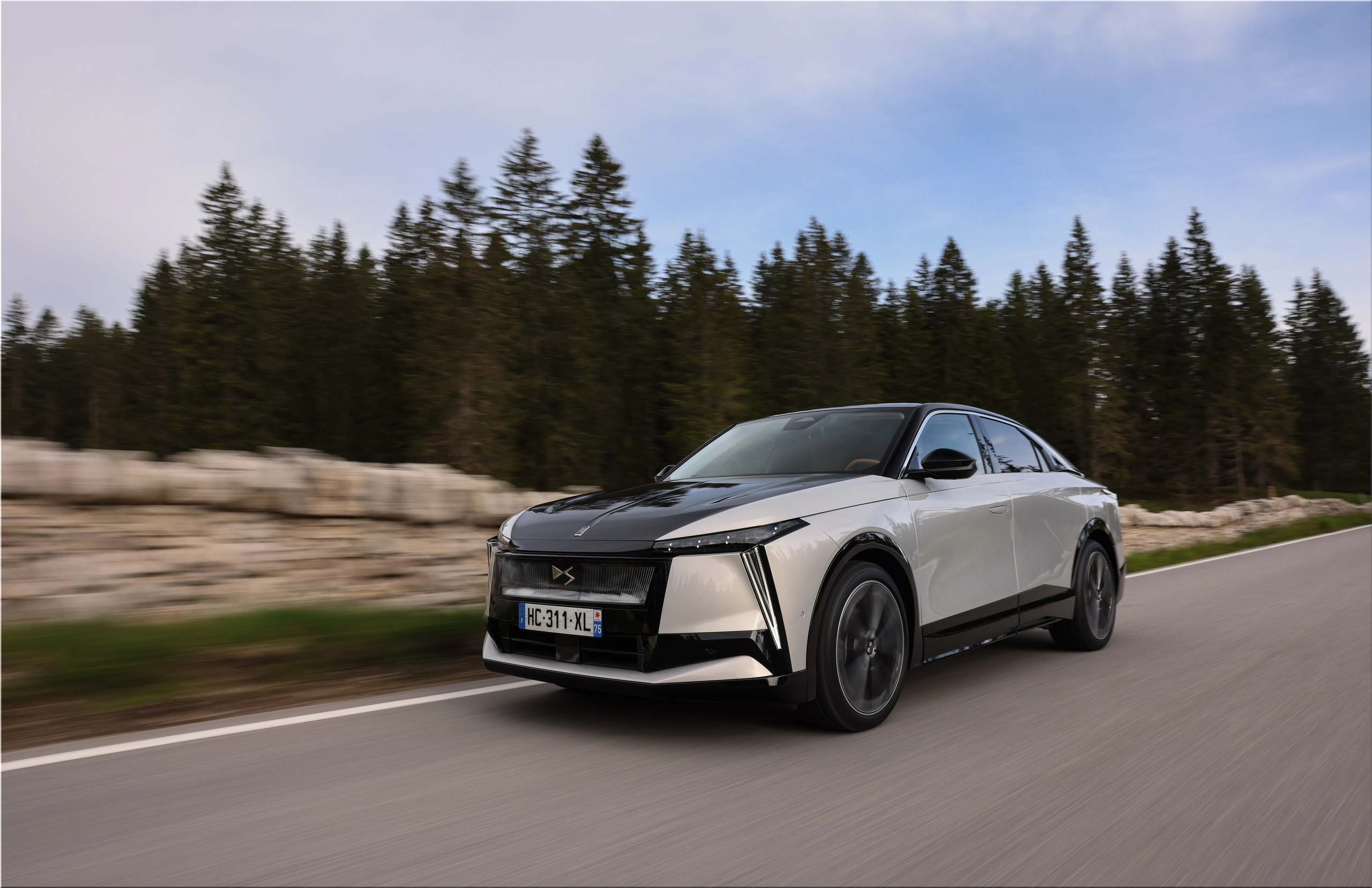
The DS N°8 already promised long-distance electric driving with premium French polish. Now DS Automobiles has added two charging upgrades that make the flagship electric fastback easier to live with: Plug & Charge support and an optional 22 kW three-phase on-board charger.
Image
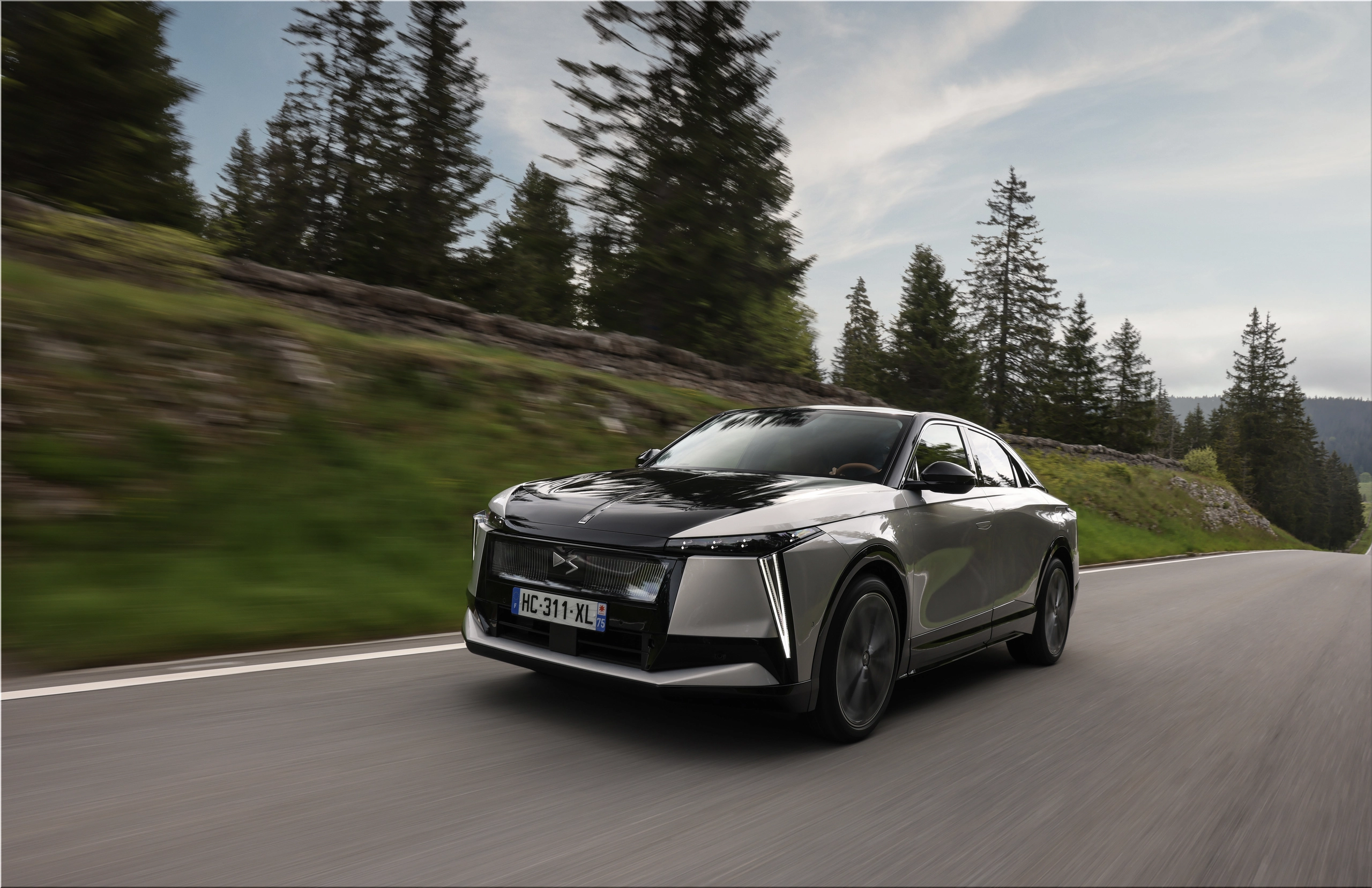
DS N°8 Charging Update: What Changed
Electric cars often win attention with range figures. Daily use tells a tougher story. Drivers care about how quickly a car charges, how easily public charging starts, and how many steps stand between parking and getting power.
DS has clearly aimed this update at that real-life part of ownership.
The latest DS N°8 charging upgrade adds:
- Plug & Charge functionality for compatible rapid chargers
- An optional 22 kW three-phase on-board charger
- Access through the Free2Move Charge app
- Compatibility with a large European charging network
- Faster AC charging during public and destination stops
That last point deserves attention. Many drivers think only rapid charging counts. It does count on motorways. Yet AC charging still does much of the everyday work across Europe, from city car parks to hotel garages and office spaces.
With this update, DS gives the N°8 a stronger answer for motorway use and daily charging. That combination counts more than a single big charging number.
Image
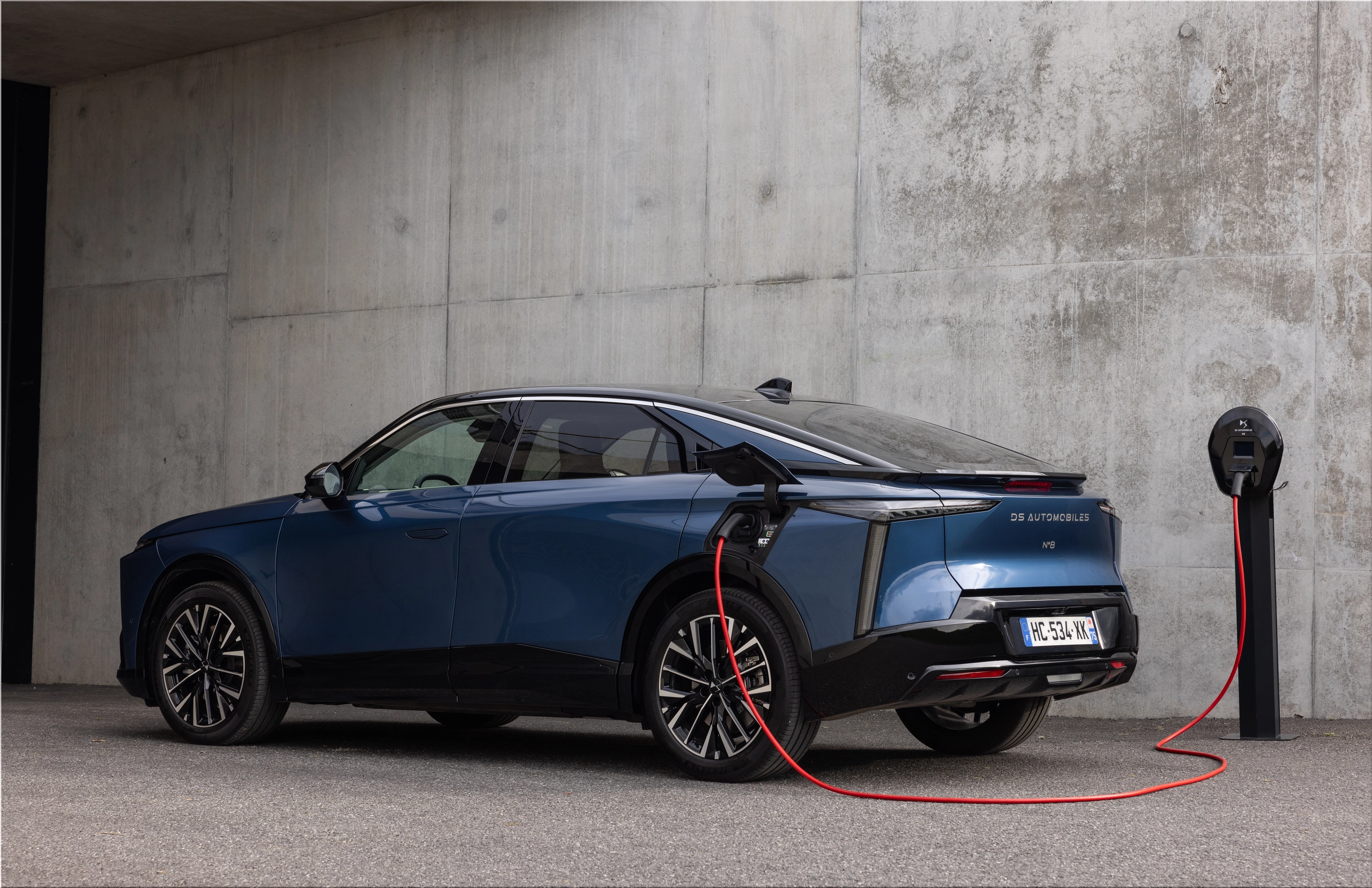
Plug & Charge Makes Rapid Charging Less Annoying
What Plug & Charge Means
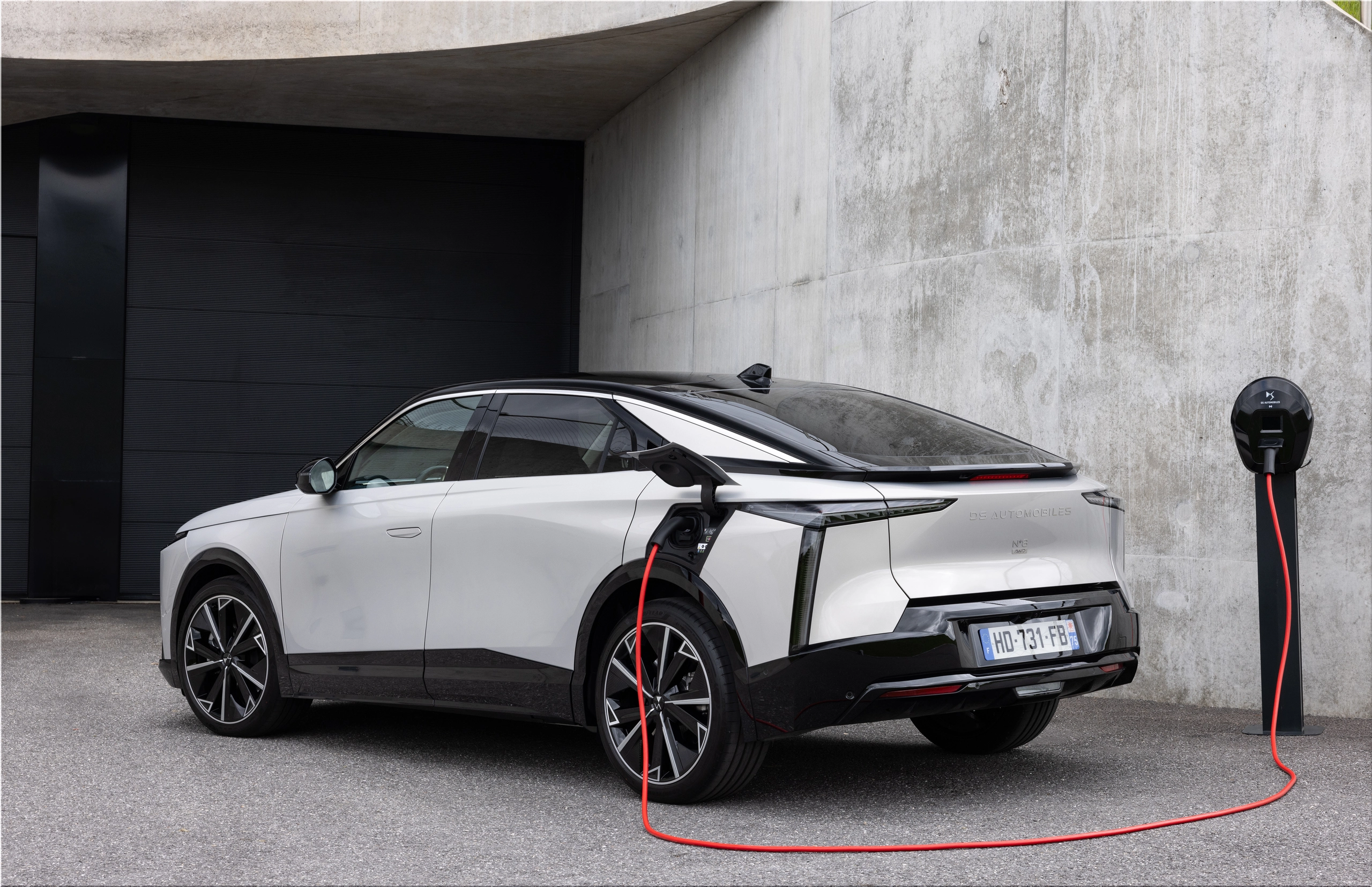
Plug & Charge allows the DS N°8 to identify itself automatically at compatible charging stations. The driver connects the cable, and the charging session starts through the linked account.
No card dance. No app guessing game. No standing at a charger wondering why technology has chosen this exact moment to develop a personality.
The system uses digital authentication between the car and the charger. Once the driver sets it up through the Free2Move Charge app, compatible rapid chargers can start charging without separate payment steps.
That gives the DS N°8 Plug & Charge system its main value: it removes friction from public charging.
Why It Helps On Long Trips
Long-distance electric driving already asks drivers to think about route planning, battery level, charger speed, traffic, weather, and passengers who may announce hunger at scientifically inconvenient times.
Charging should not add drama.
Plug & Charge helps by making rapid charging:
- Quicker to start
- Easier to manage
- Less dependent on physical charging cards
- Cleaner for billing
- Better suited to cross-border travel
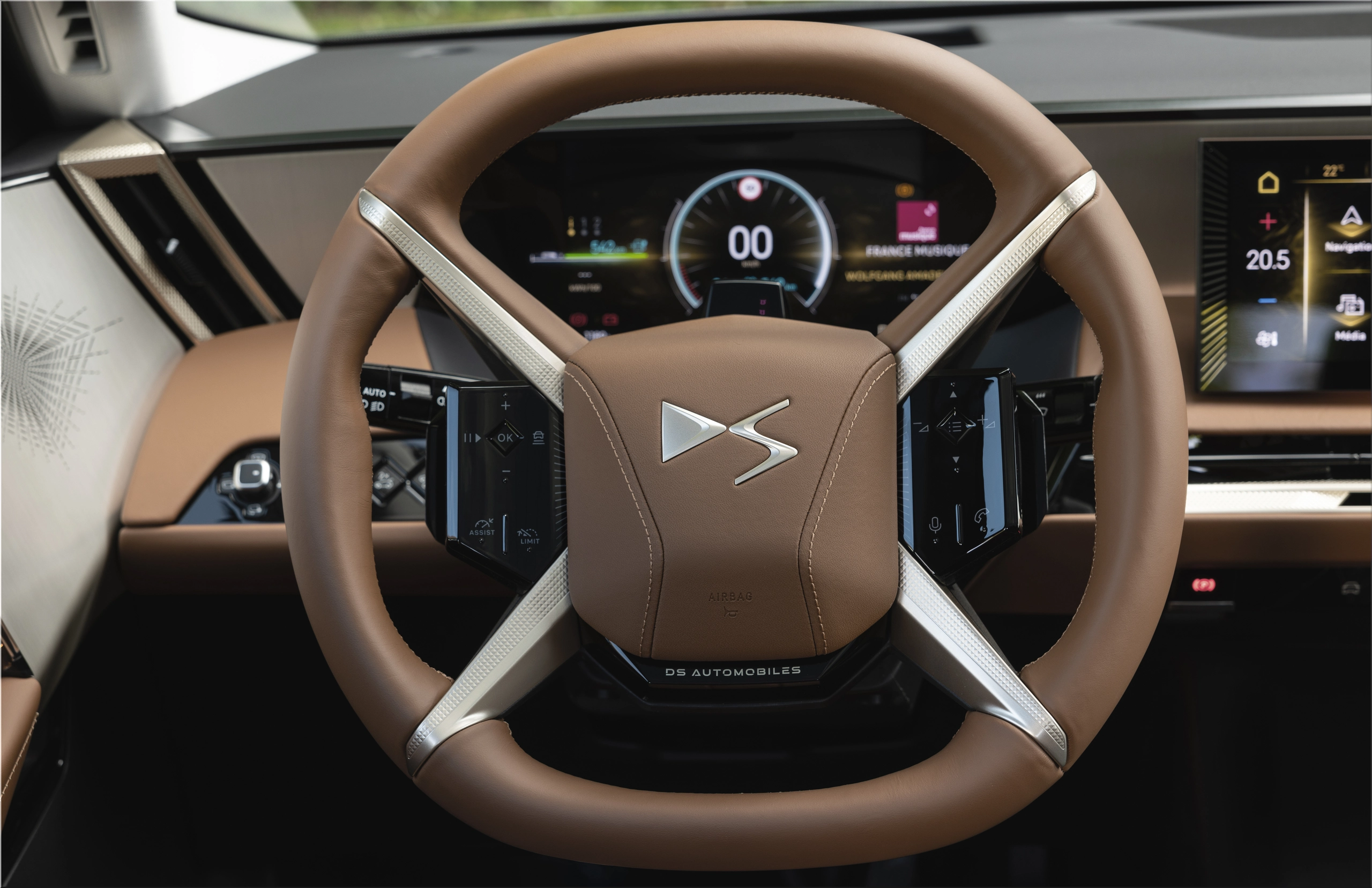
For premium electric car buyers, that ease now feels like part of the luxury package. Soft materials and quiet cabins still count. So does a charging session that starts without a tiny roadside negotiation.
The 22 kW On-Board Charger Is The Practical Upgrade
The 22 kW on-board charger may sound less glamorous than a long WLTP range claim, but it may prove more useful for many owners.
Every DS N°8 comes with an 11 kW AC charger as standard. The optional 22 kW three-phase charger allows the car to accept more power from compatible AC charging points.
That can cut charging time sharply.
Across Europe, many public AC chargers offer 22 kW. Drivers often find them in places where cars sit for a while anyway: shopping centres, business districts, hotels, public garages, and residential streets.
That makes 22 kW AC charging a sensible upgrade for drivers who do not rely only on home charging.
Image
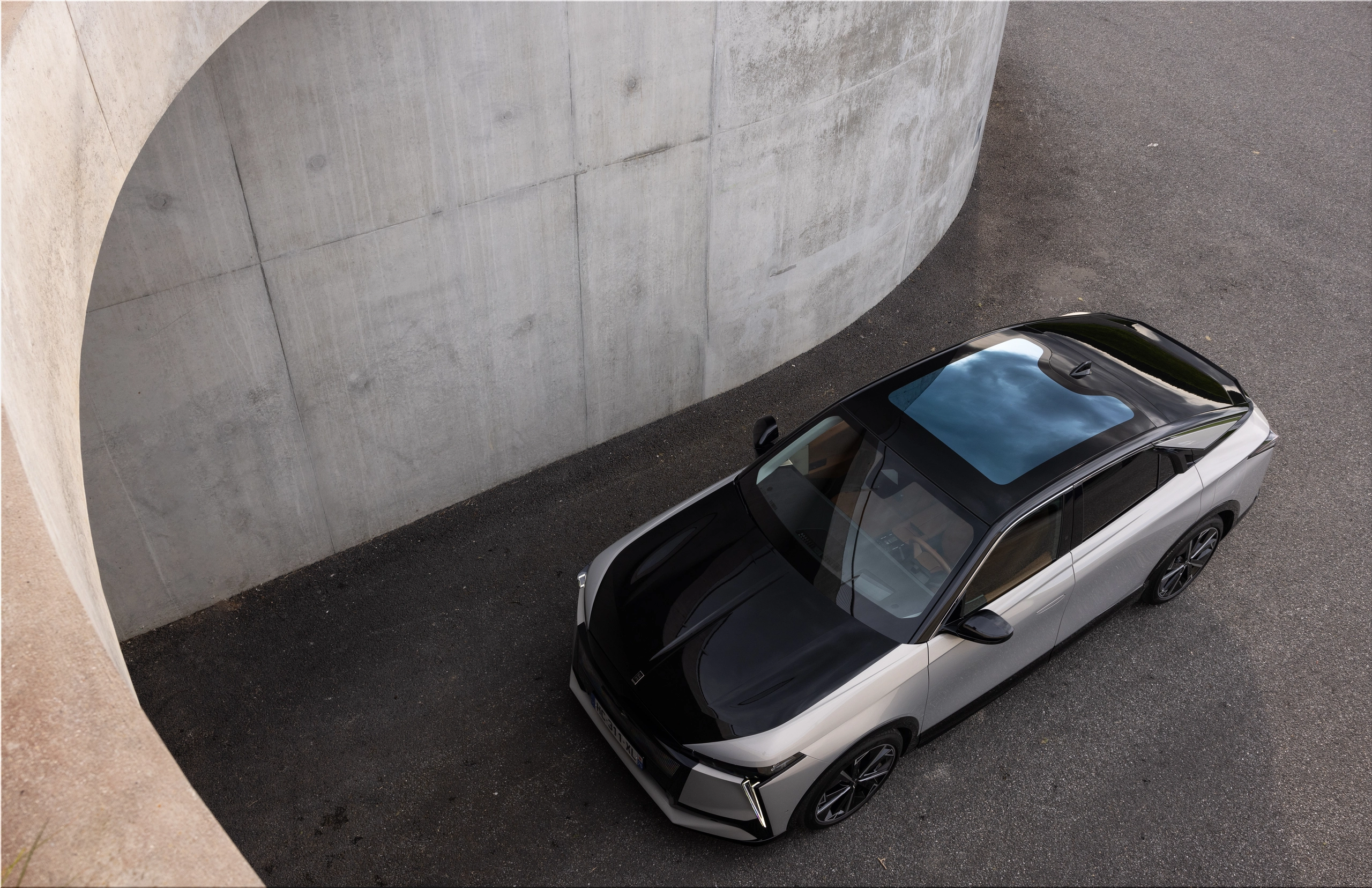
DS N°8 AC Charging Times
| DS N°8 version | Battery capacity | 20-80 percent at 22 kW AC | 20-80 percent at 11 kW AC |
|---|---|---|---|
| DS N°8 FWD | 73.7 kWh | 2 hours 35 minutes | 4 hours 55 minutes |
| DS N°8 FWD Long Range | 97.2 kWh | 3 hours 20 minutes | 6 hours 10 minutes |
The numbers show the benefit clearly. A working lunch, a city meeting, or a hotel stop can add a much bigger charge when the car uses 22 kW AC power.
That does not replace DC rapid charging. It serves a different job. Rapid charging suits motorway stops. AC charging suits ordinary life.
DS N°8 Range Still Anchors The Appeal
Charging convenience works best when the car already has strong range. The DS N°8 electric fastback does.
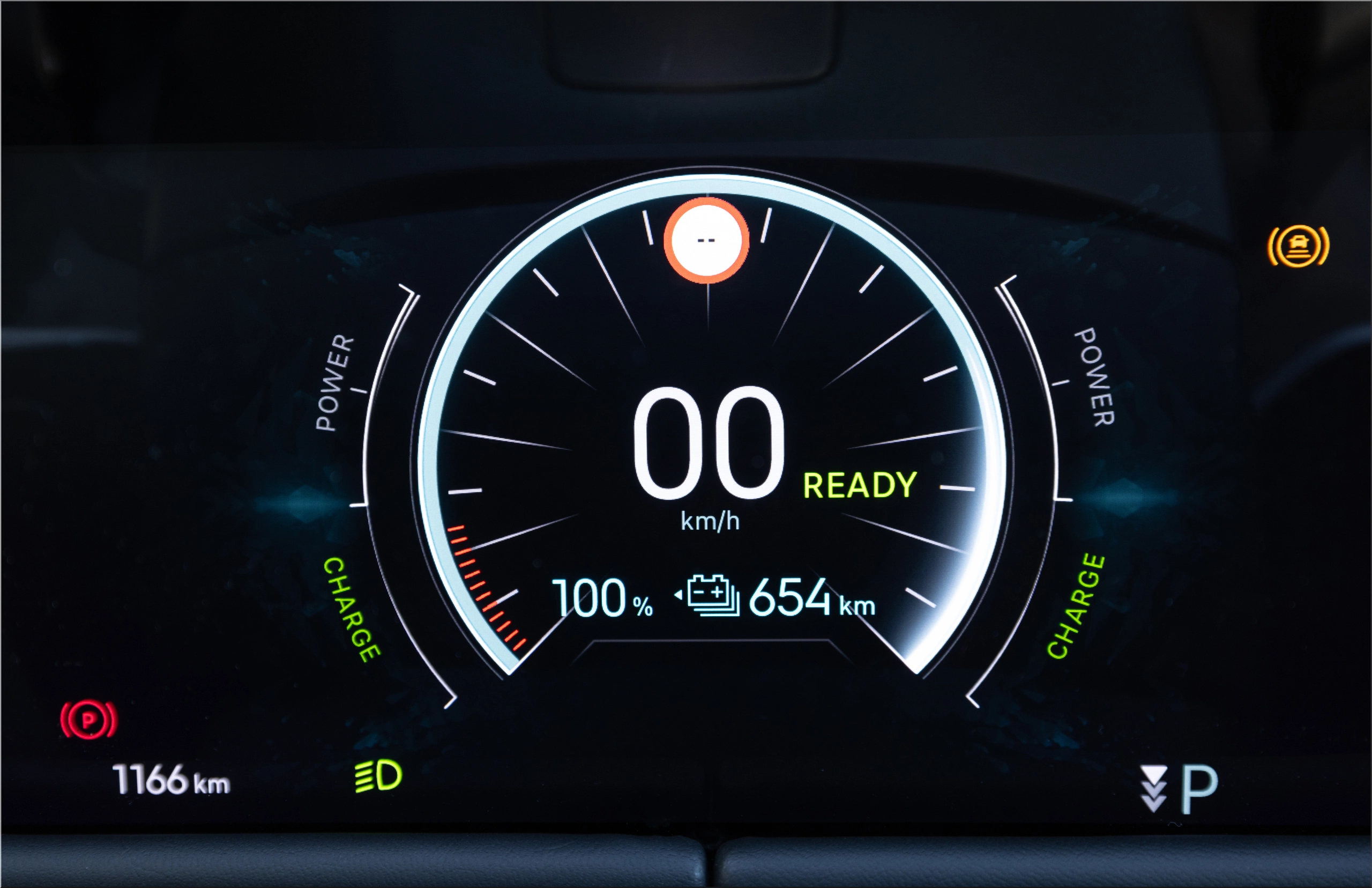
DS quotes up to 750 km WLTP range for the model, depending on version. The brand also points to long motorway capability, which will appeal to drivers who want an electric car that feels relaxed on serious trips.
The range story gives the DS N°8 its headline appeal. The new charging features give it a stronger ownership case.
That distinction matters for buyers. A long range figure looks good on a screen. A faster, easier charge feels good on a wet Tuesday night when the battery sits lower than expected and the next day starts early.
Free2Move Charge Gives The DS N°8 A Wider Network
The update works through Free2Move Charge, Stellantis' charging service. DS N°8 drivers can use the app to access a broad European charging network, find available charging points, view charging power, and manage sessions.
That helps the car fit European driving patterns.
Many premium EV owners do not drive only within one city. They cross regions and borders. They visit clients, take long weekends, travel to ski areas, reach airports, and thread through countries where charging providers can change quickly.
The DS N°8 needs a charging system that suits that behaviour. Plug & Charge support helps at compatible rapid chargers, while 22 kW AC charging helps in slower, routine stops.
Together, the features turn the N°8 from a long-range electric car into a more usable long-range electric car. That difference may sound small. Owners will feel it.
The Best Use Cases For The 22 kW Charger
The optional 22 kW three-phase charger will not serve every buyer in the same way. Some owners charge at home overnight and rarely use public AC points. Others depend on street charging or work charging and need every parked hour to count.
The upgrade makes the most sense for drivers who:
- Live in an apartment and use public AC charging
- Park regularly at 22 kW city chargers
- Use hotel or destination charging on trips
- Drive high weekly mileage
- Need faster charging during office hours
- Want stronger flexibility away from home
It may offer less value for drivers who charge almost every night at home on lower-power equipment. In that case, the standard 11 kW charger may already cover daily needs.
Still, buyers should check local charging habits before skipping it. A 22 kW charger can turn a routine stop into a useful battery gain.
What This Says About Premium EV Buyers In 2026
The 2026 premium electric car buyer asks sharper questions than the early EV crowd.
Range still draws interest, but buyers now ask:
- How easy does public charging feel?
- How many charging networks work with the car?
- Can I charge quickly at ordinary AC posts?
- Does the app work across countries?
- Will the car fit my weekly routine?
The 2026 DS N°8 update speaks directly to those concerns. DS does not need to turn the car into a rolling science project. It needs to make electric travel feel calm, predictable, and quick enough.
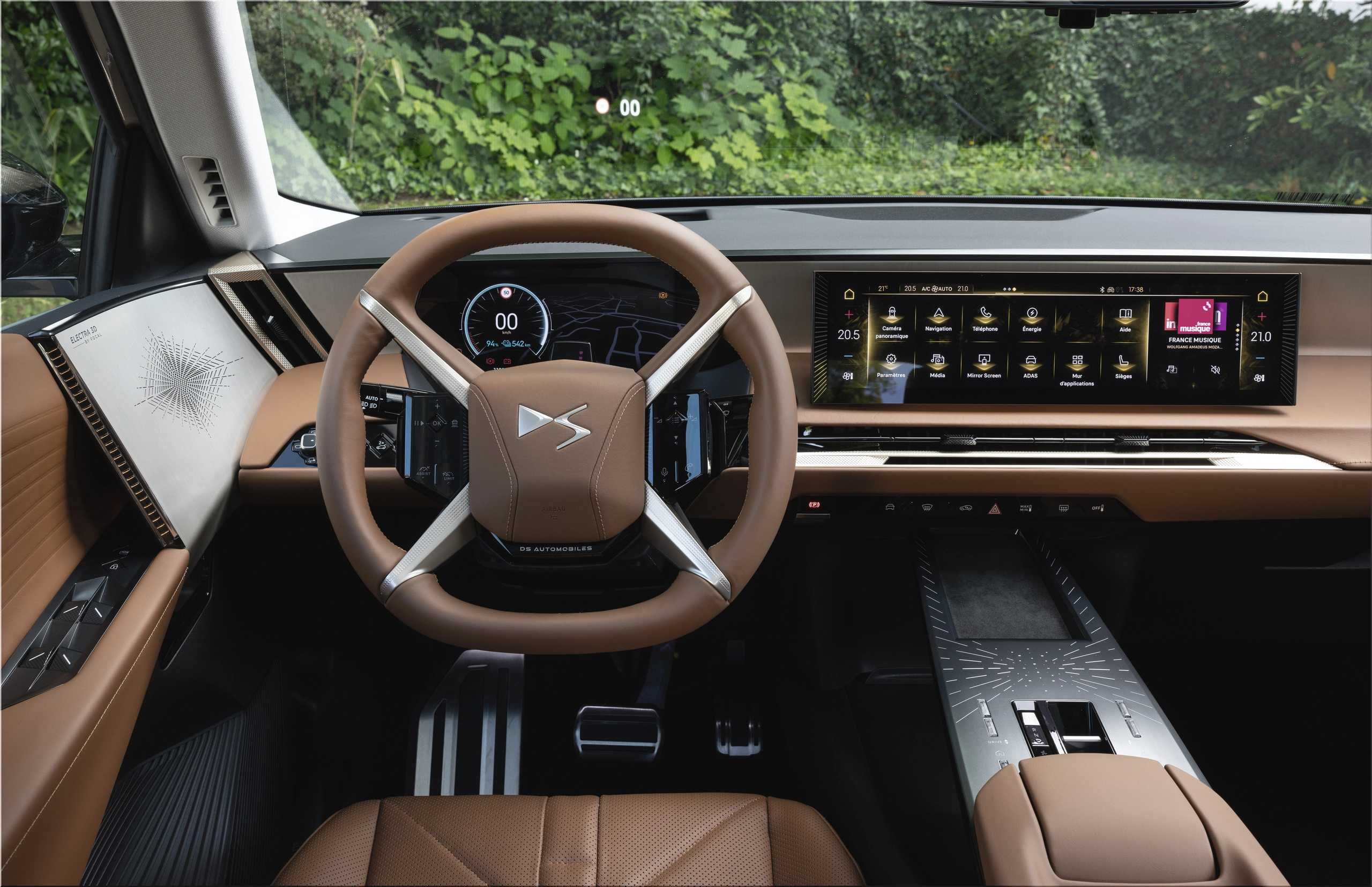
That aim suits the brand. DS sells comfort, design, and a quieter take on premium motoring. These charging upgrades support that character because they reduce effort. The best technology often does exactly that. It steps out of the way.
Image
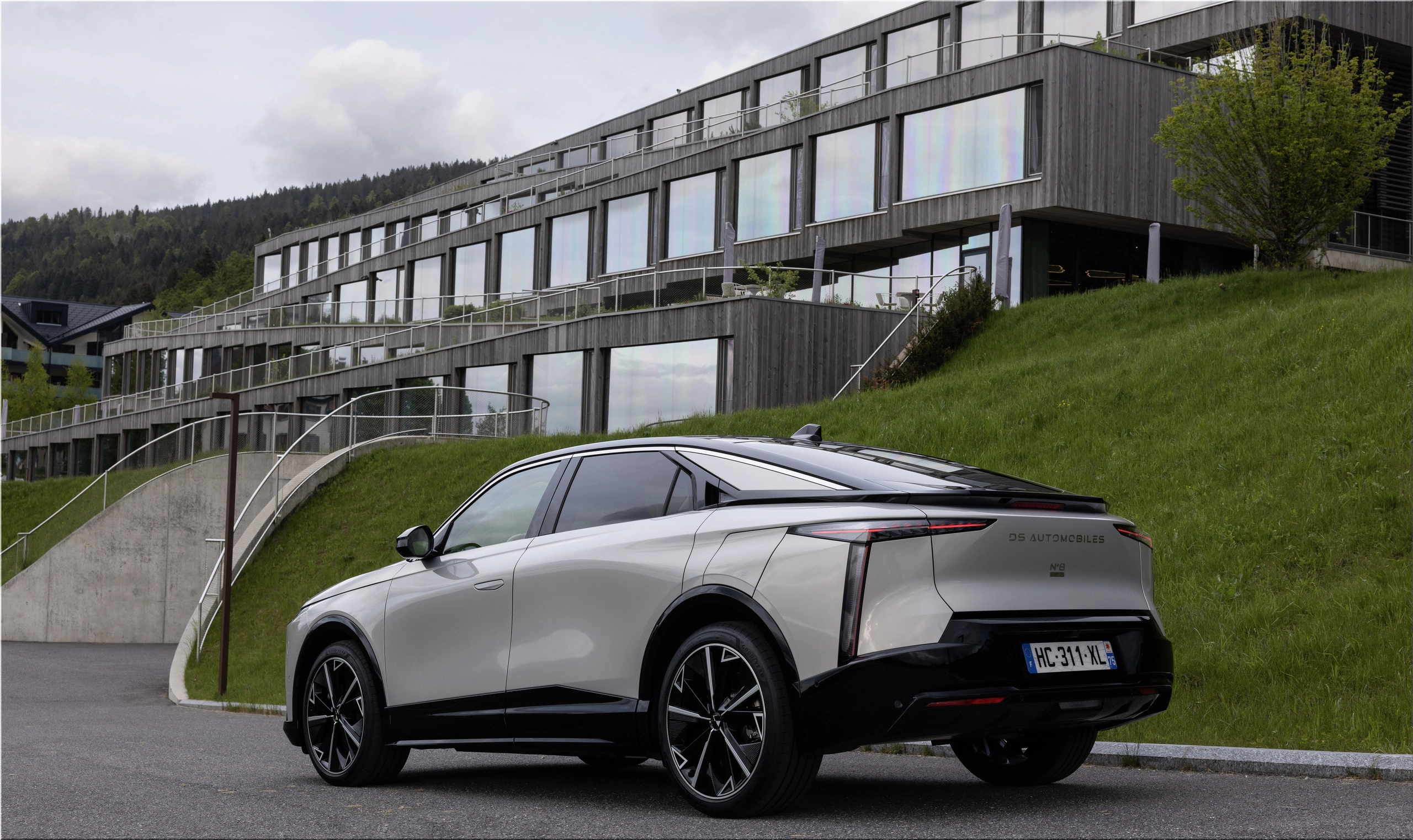
DS N°8 Design Meets Electric Practicality
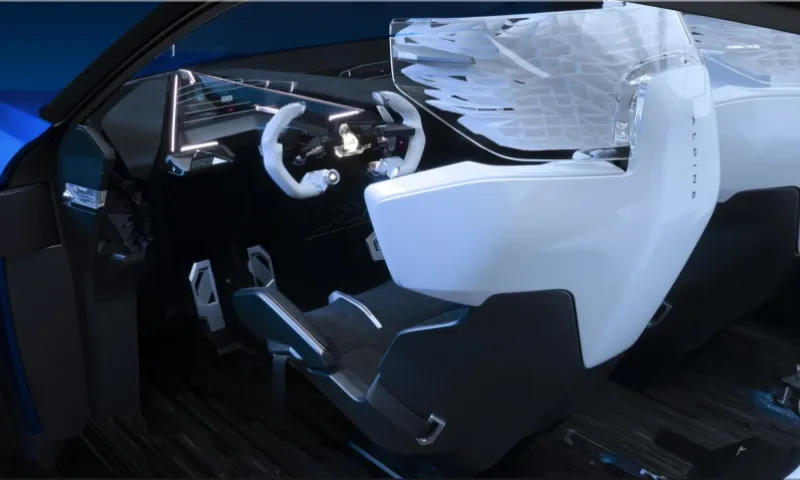
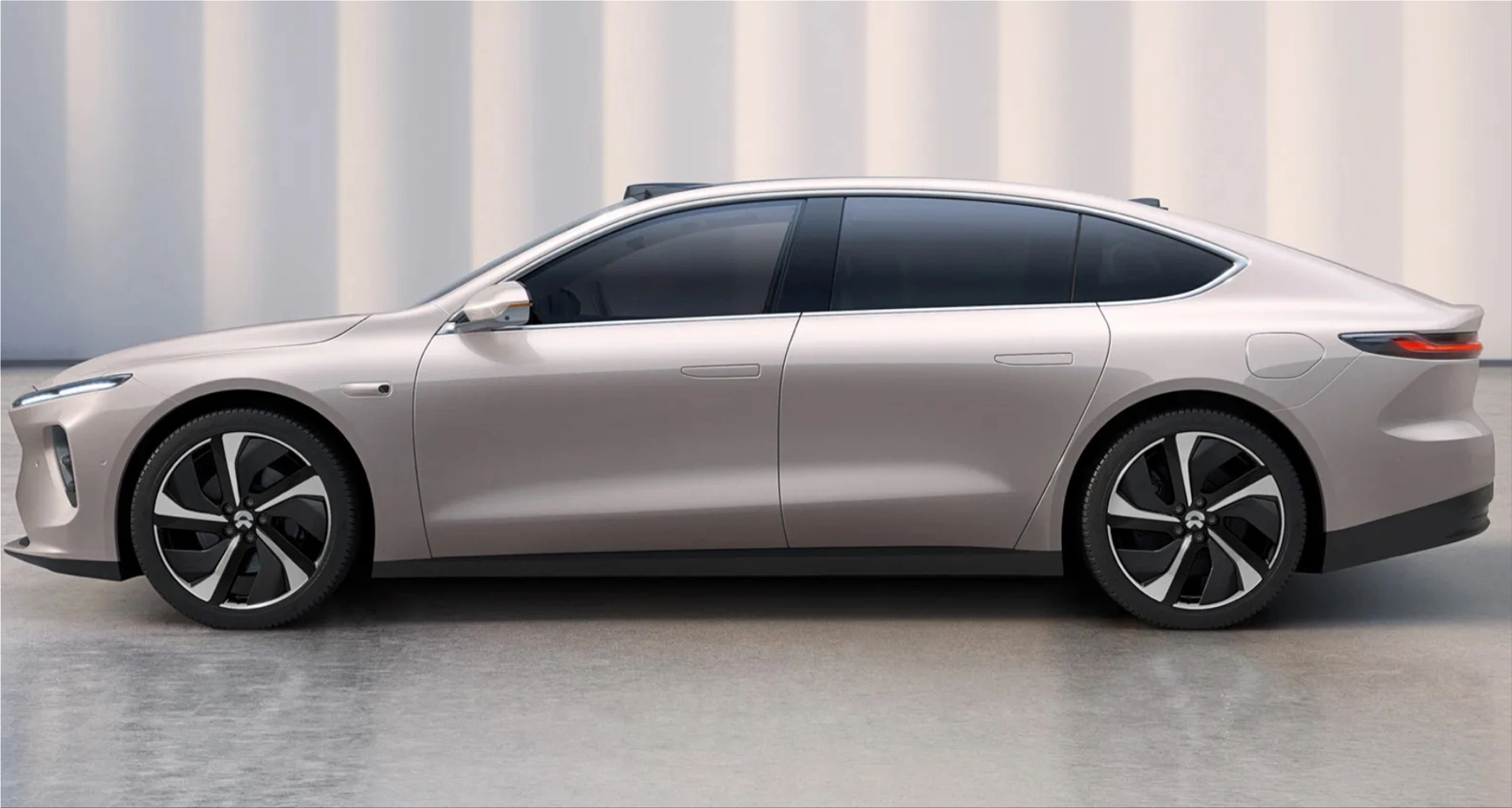
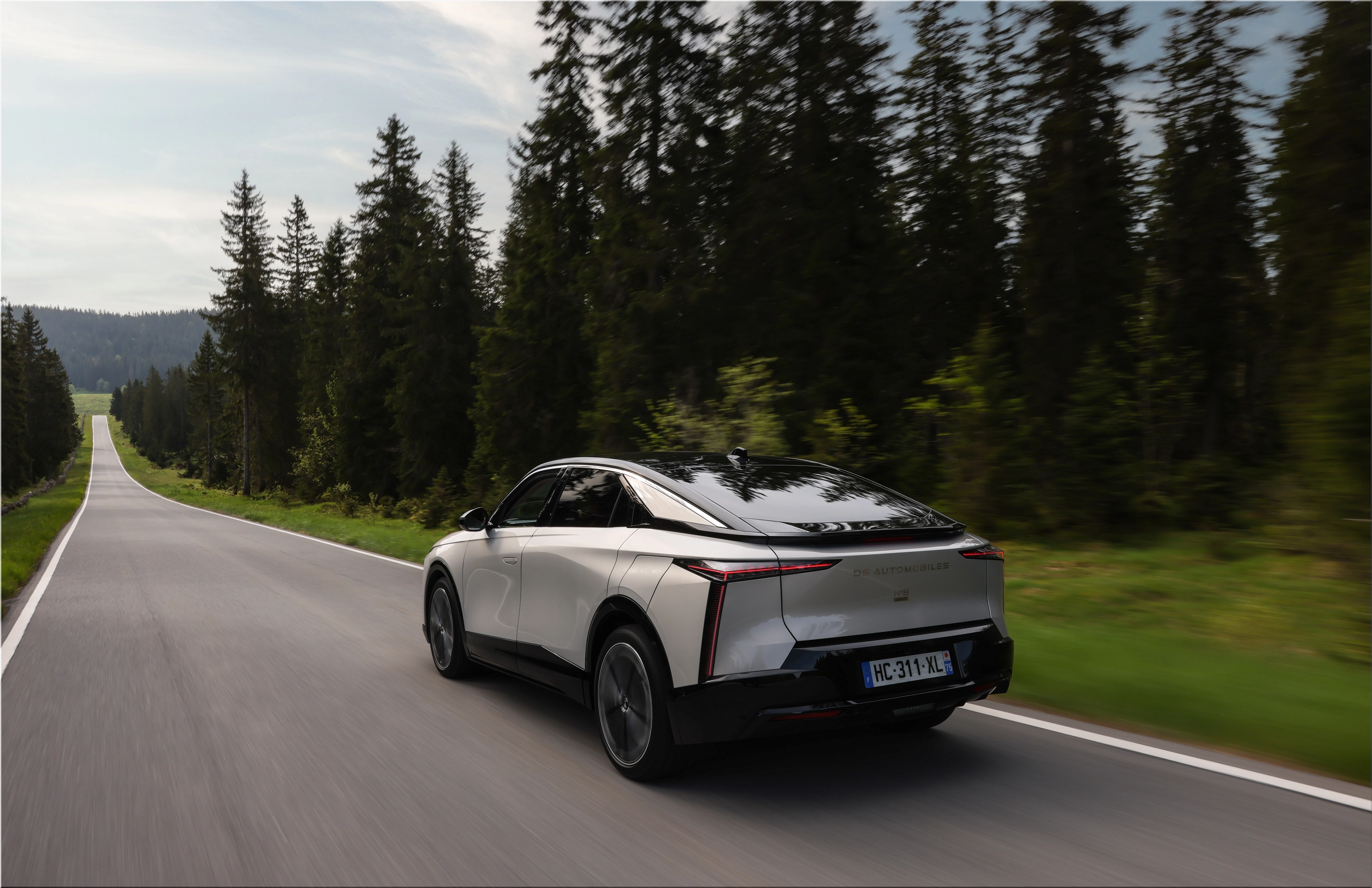
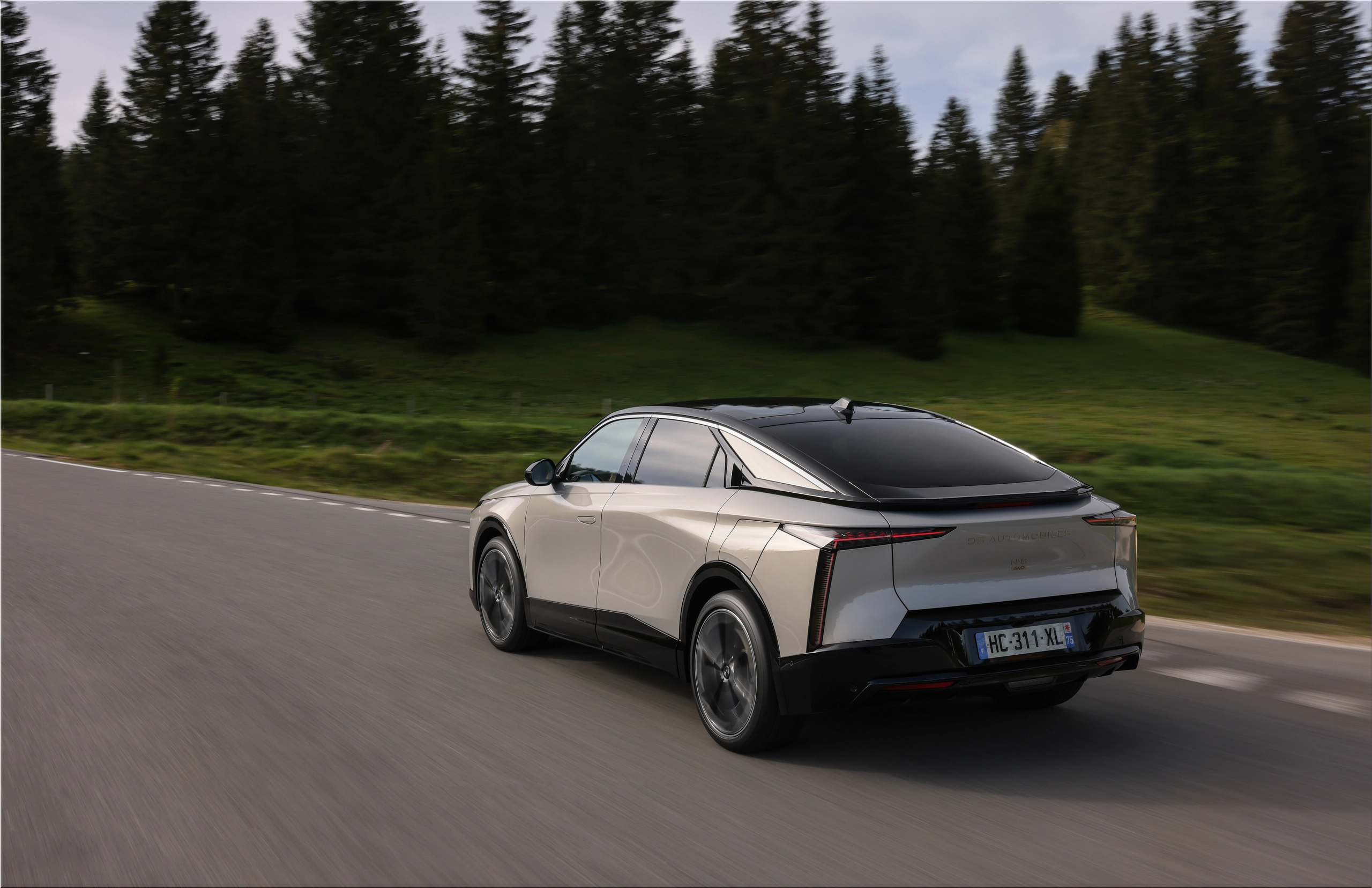
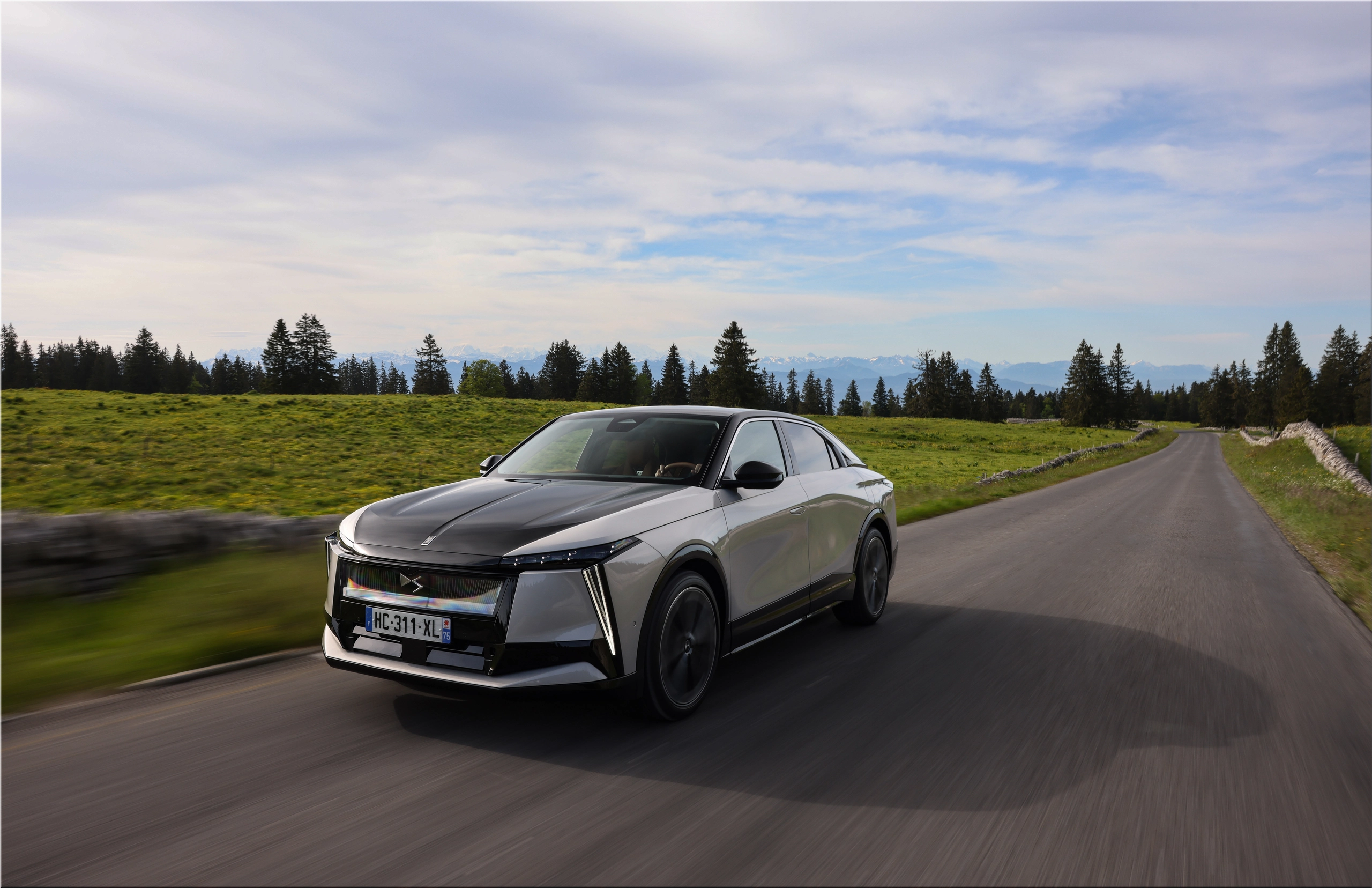
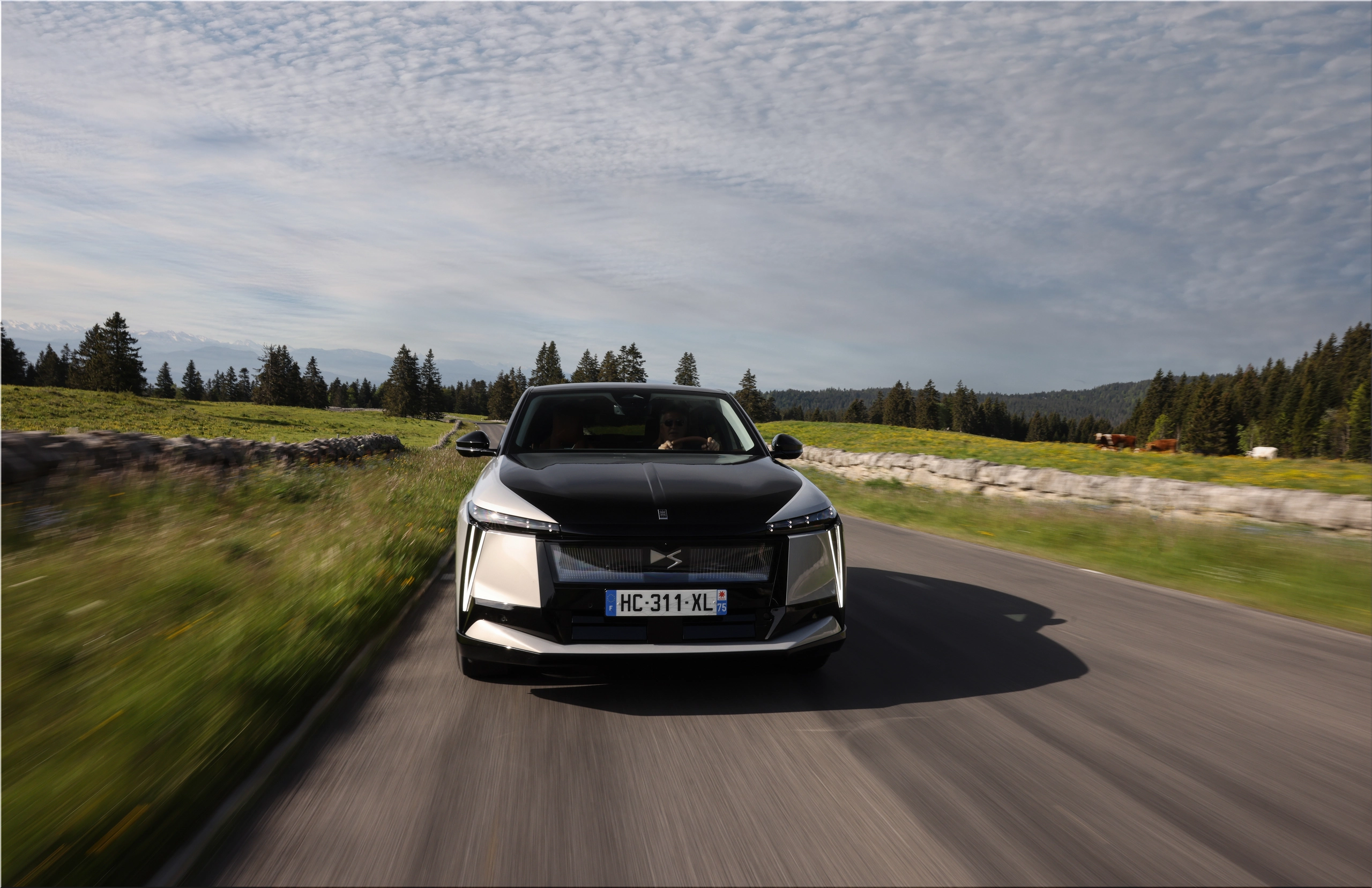
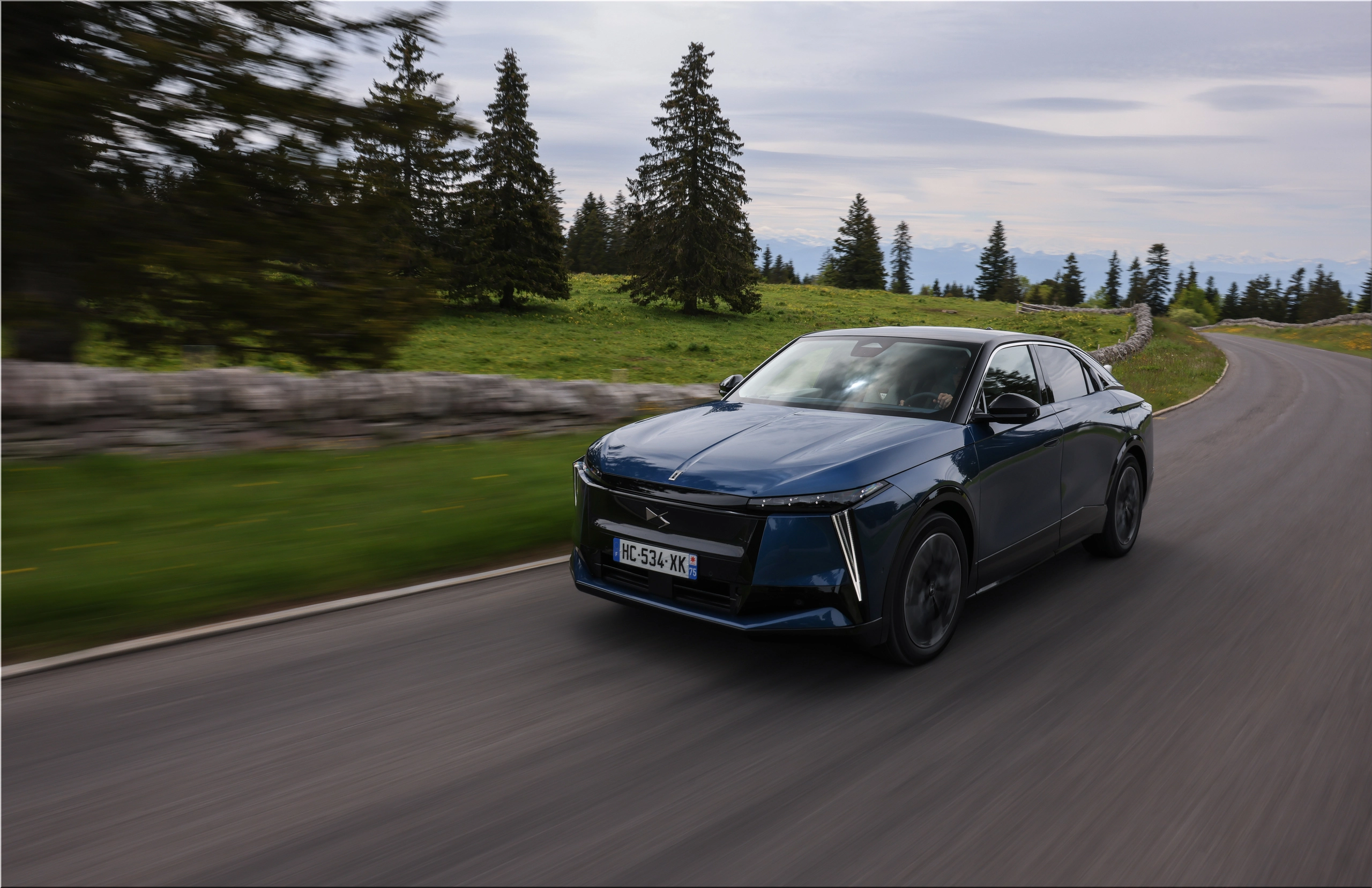
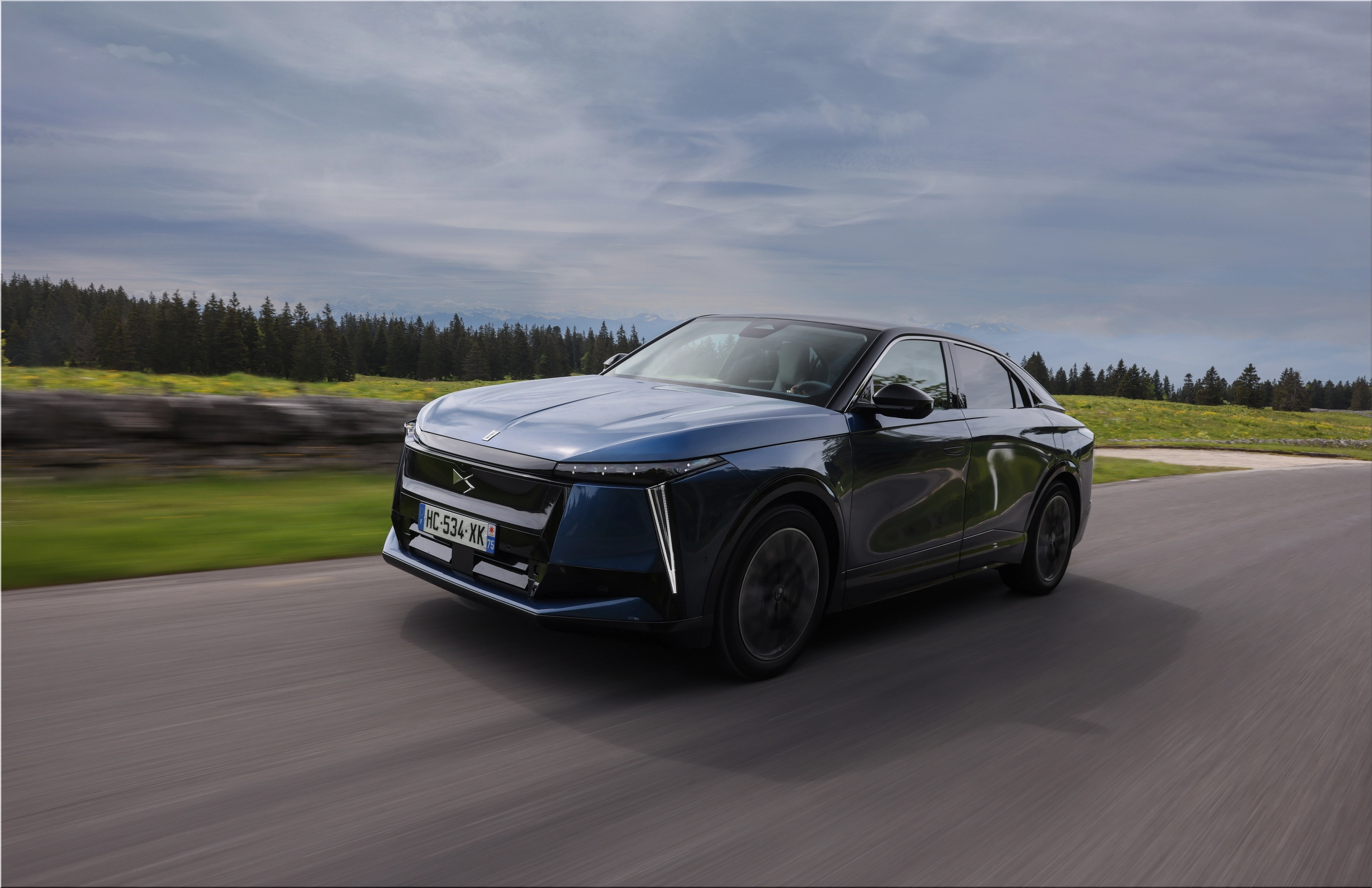
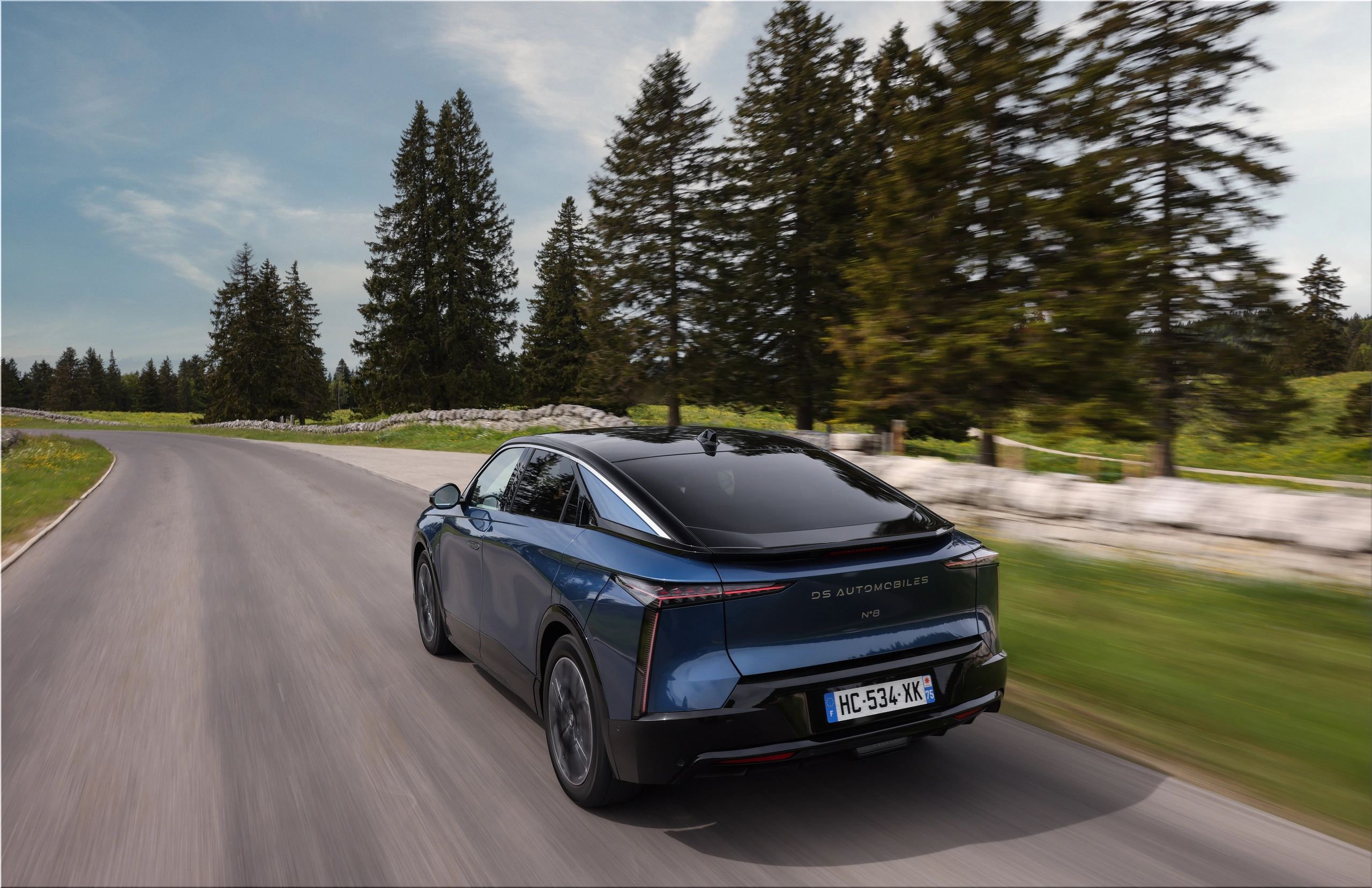
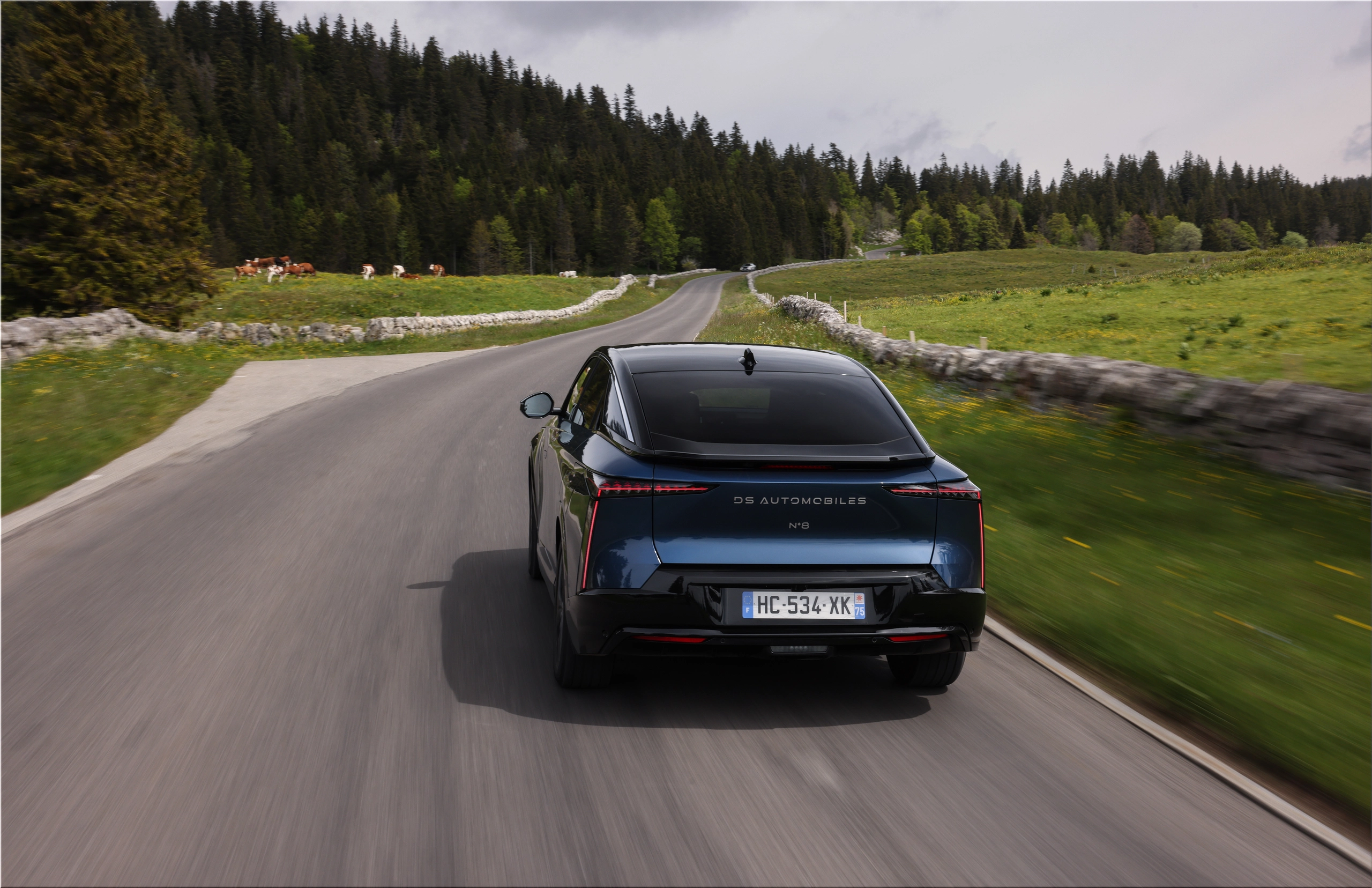
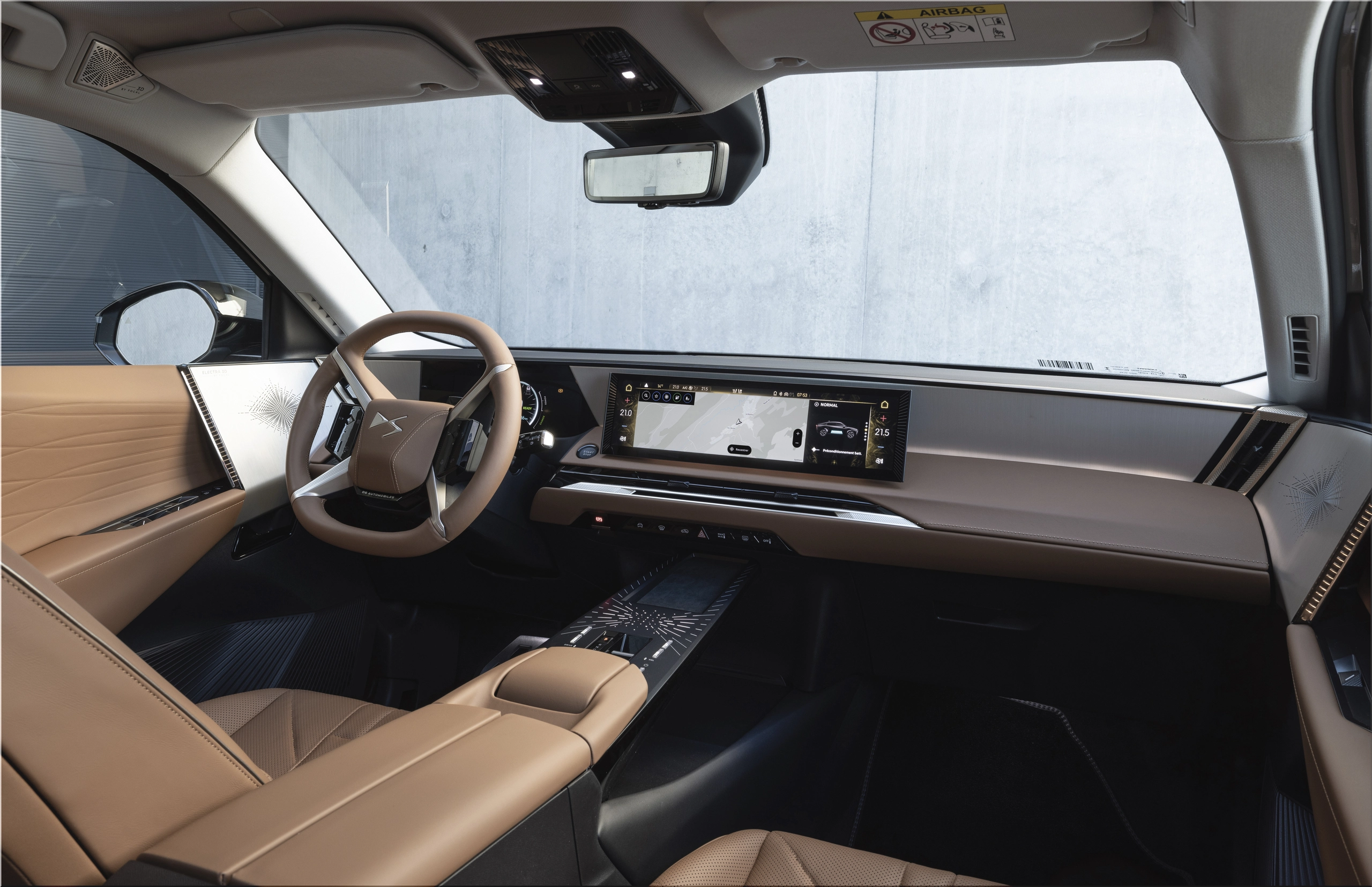
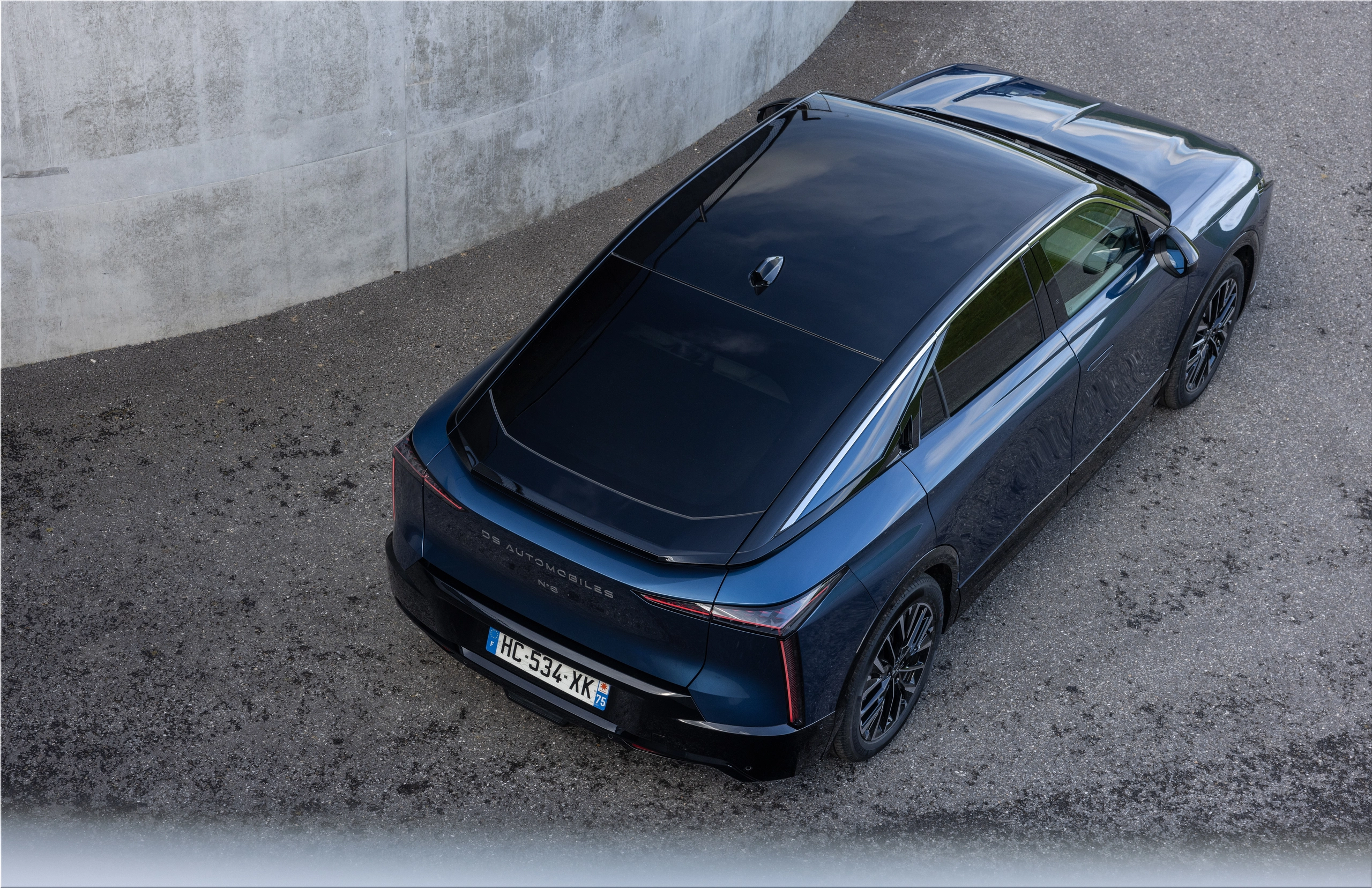
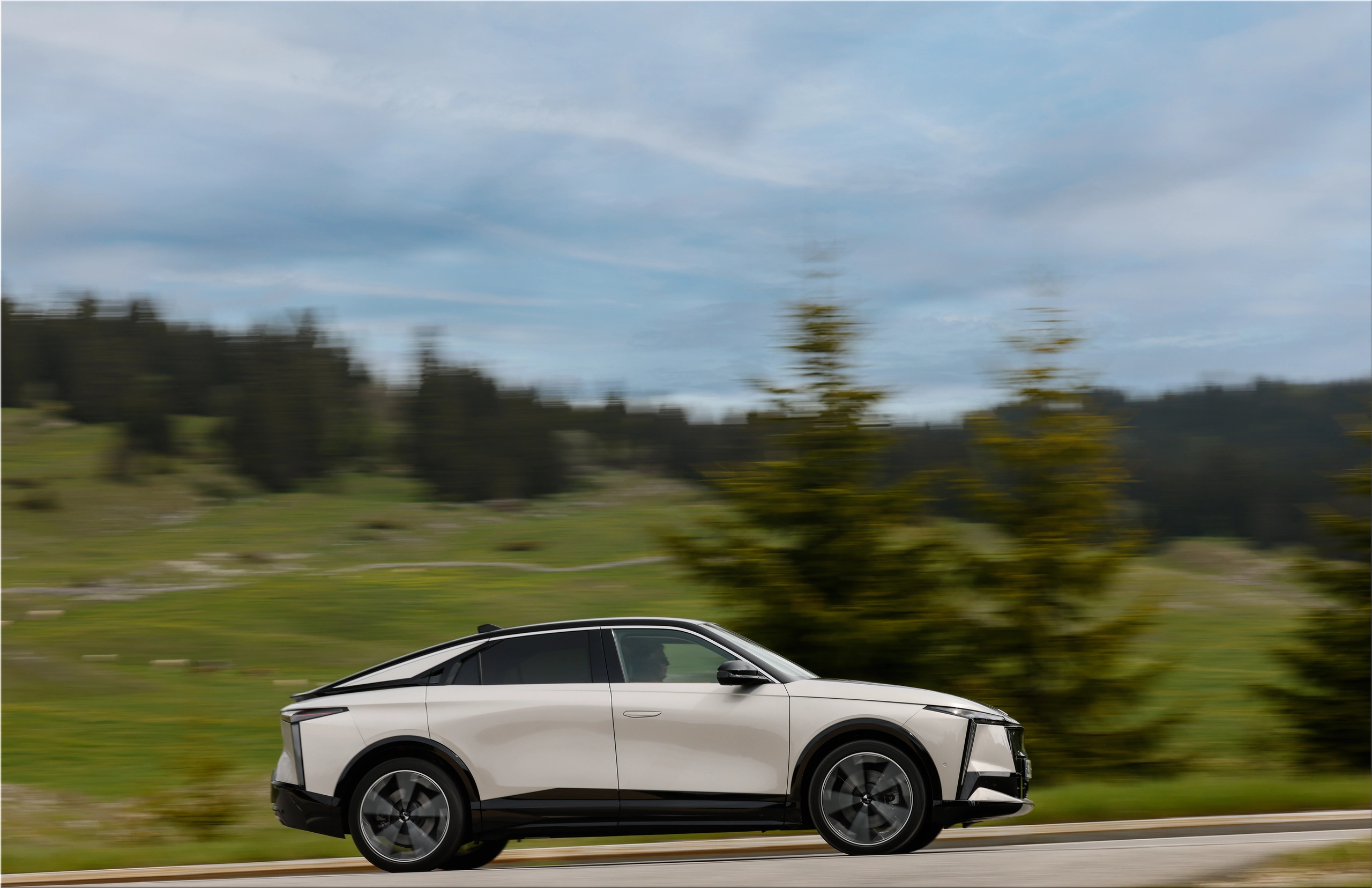
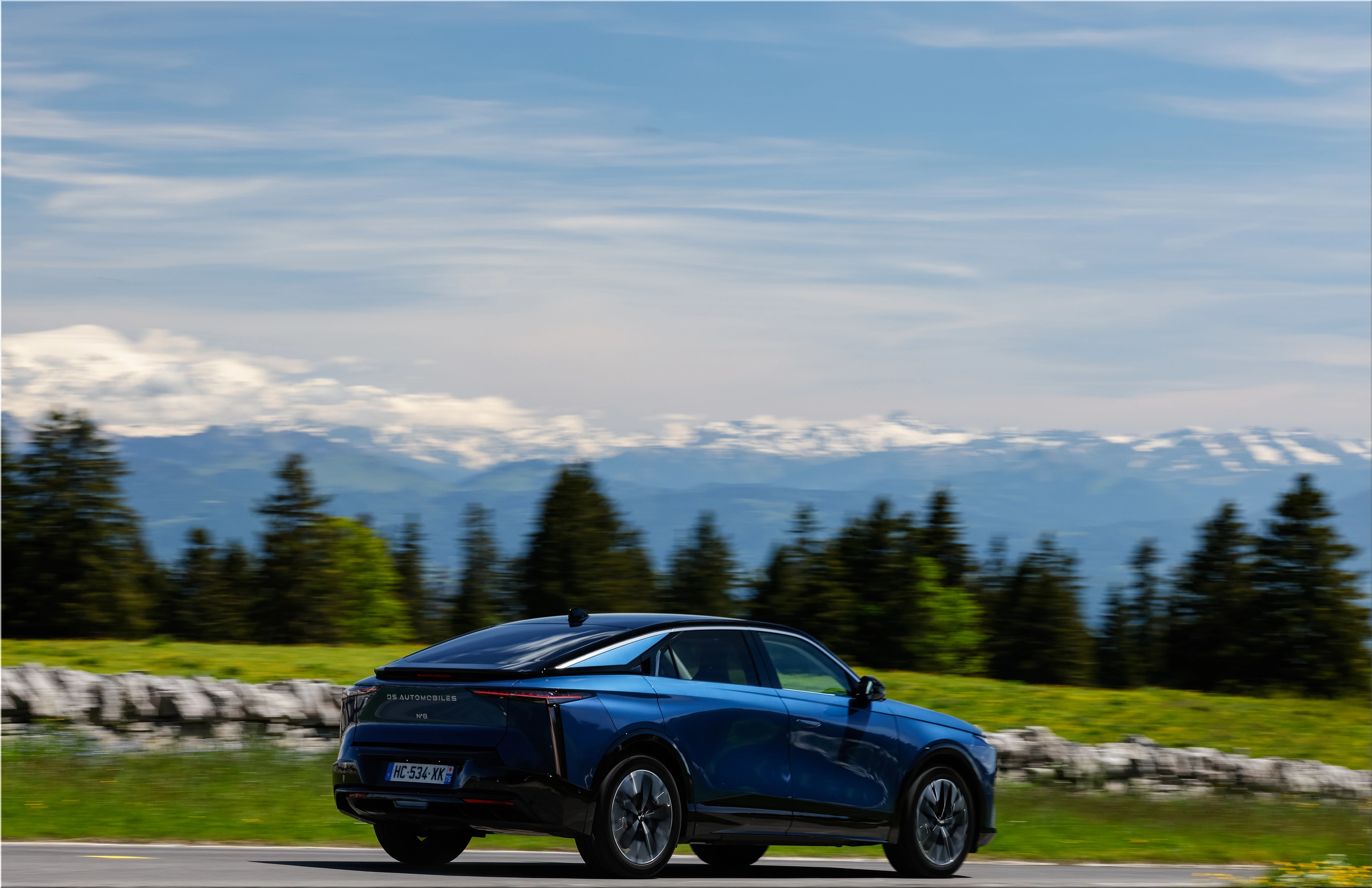
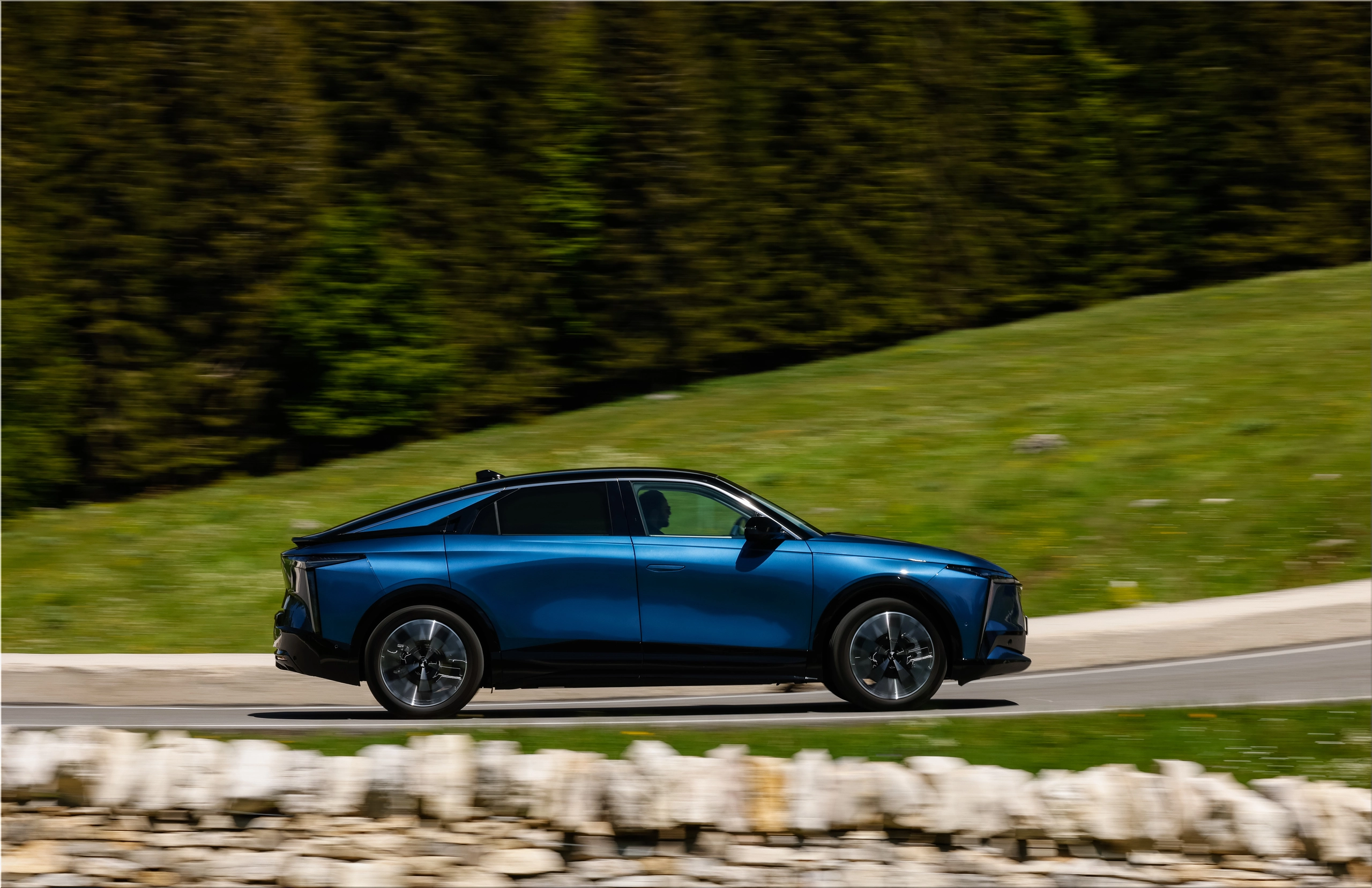
The DS N°8 already stands apart through its fastback shape, premium cabin approach, and long-distance focus. This update adds a more practical layer to that story.
The car now offers a stronger mix of:
- Long WLTP range
- Plug & Charge rapid charging
- Optional 22 kW AC charging
- European charging network access
- Premium electric fastback positioning
That mix gives DS a cleaner sales message. The N°8 aims at drivers who want an electric car with long legs, quiet manners, and fewer charging chores.
It also gives the model more credibility against premium rivals from Germany, South Korea, China, and the United States. Some may offer faster peak DC charging. Others may offer larger screens or louder performance claims. DS now counters with range, comfort, and easier charging access.
For many drivers, that will land well.
Image
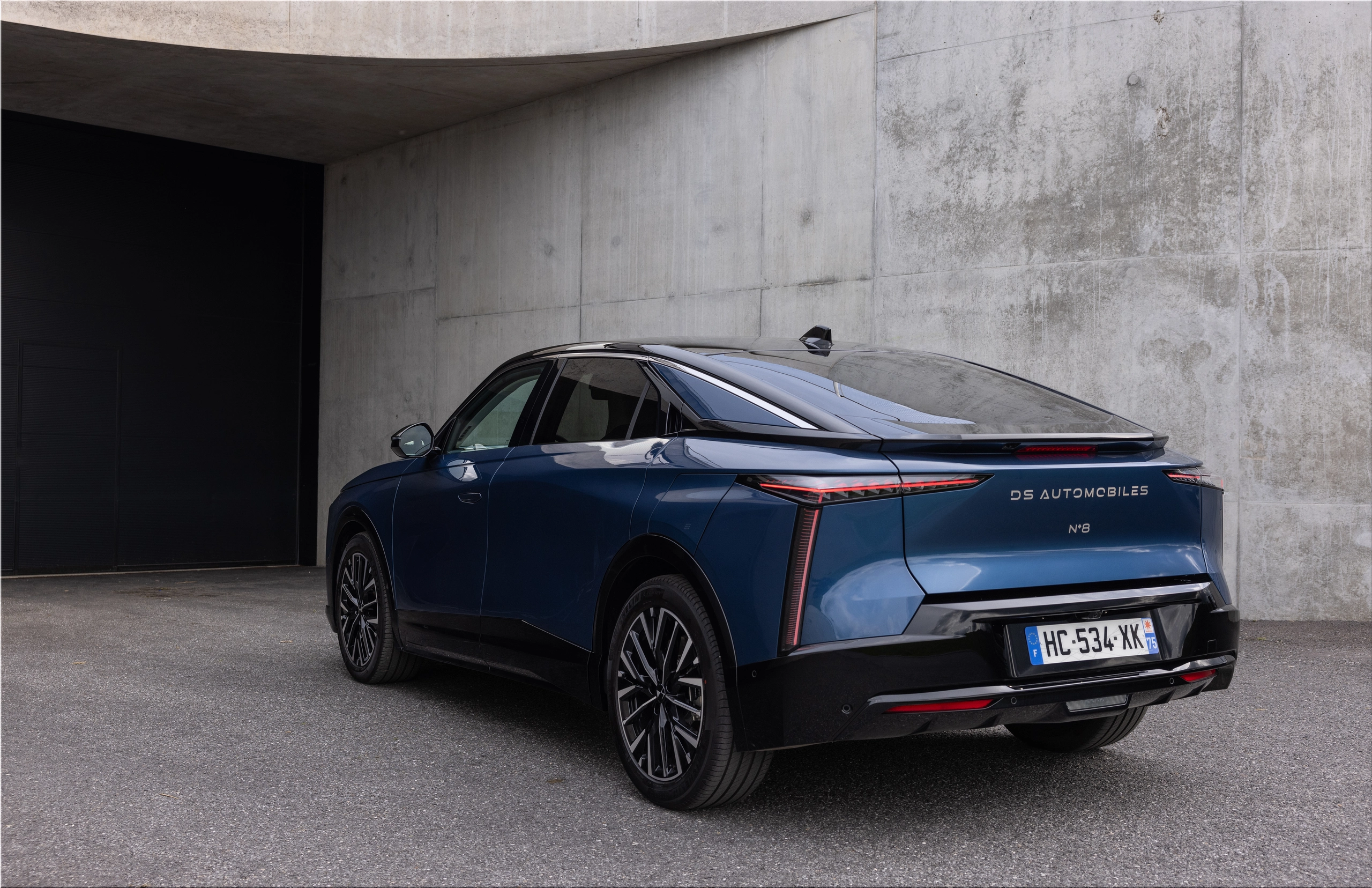
Why Plug & Charge Feels Like A Luxury Feature
Luxury used to mean more buttons, thicker carpets, and perhaps wood trim polished to a shine that could shame a dining table.
In electric cars, luxury also means less effort.
Plug & Charge fits that new rule. It removes small tasks that add up over time. It reduces the number of apps, cards, taps, screens, and payment checks drivers face at public chargers.
That improvement may not photograph well in a brochure. It will still please owners. Good charging tech has a quiet charm: when it works, nobody talks about it. They plug in, walk away, and return to a charged car.
That should suit the DS N°8 audience. This car does not need circus tricks. It needs polish.
What Buyers Should Check Before Ordering
Before placing an order, buyers should ask a DS dealer a few direct questions.
- Does this exact DS N°8 include Plug & Charge support?
- What local price applies for the 22 kW charger?
- Which trims offer the 22 kW charger in this market?
- Does my area have useful 22 kW AC chargers?
- Does my home or workplace charger support three-phase AC charging?
- Which Free2Move Charge services work in my country?
These questions turn a glossy specification into a real ownership plan. They also help buyers avoid paying for an option they may not use, or worse, skipping one they will wish they had.
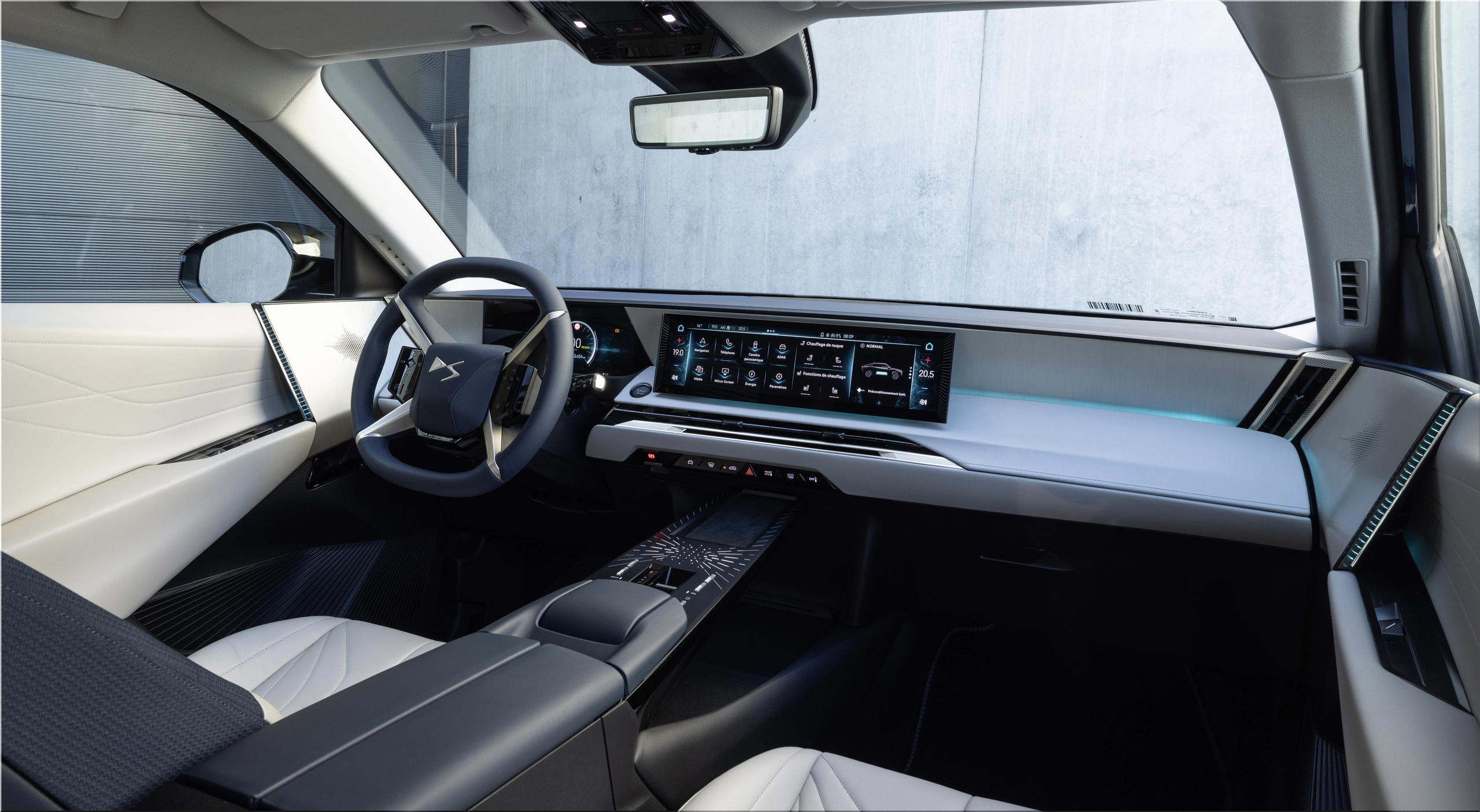
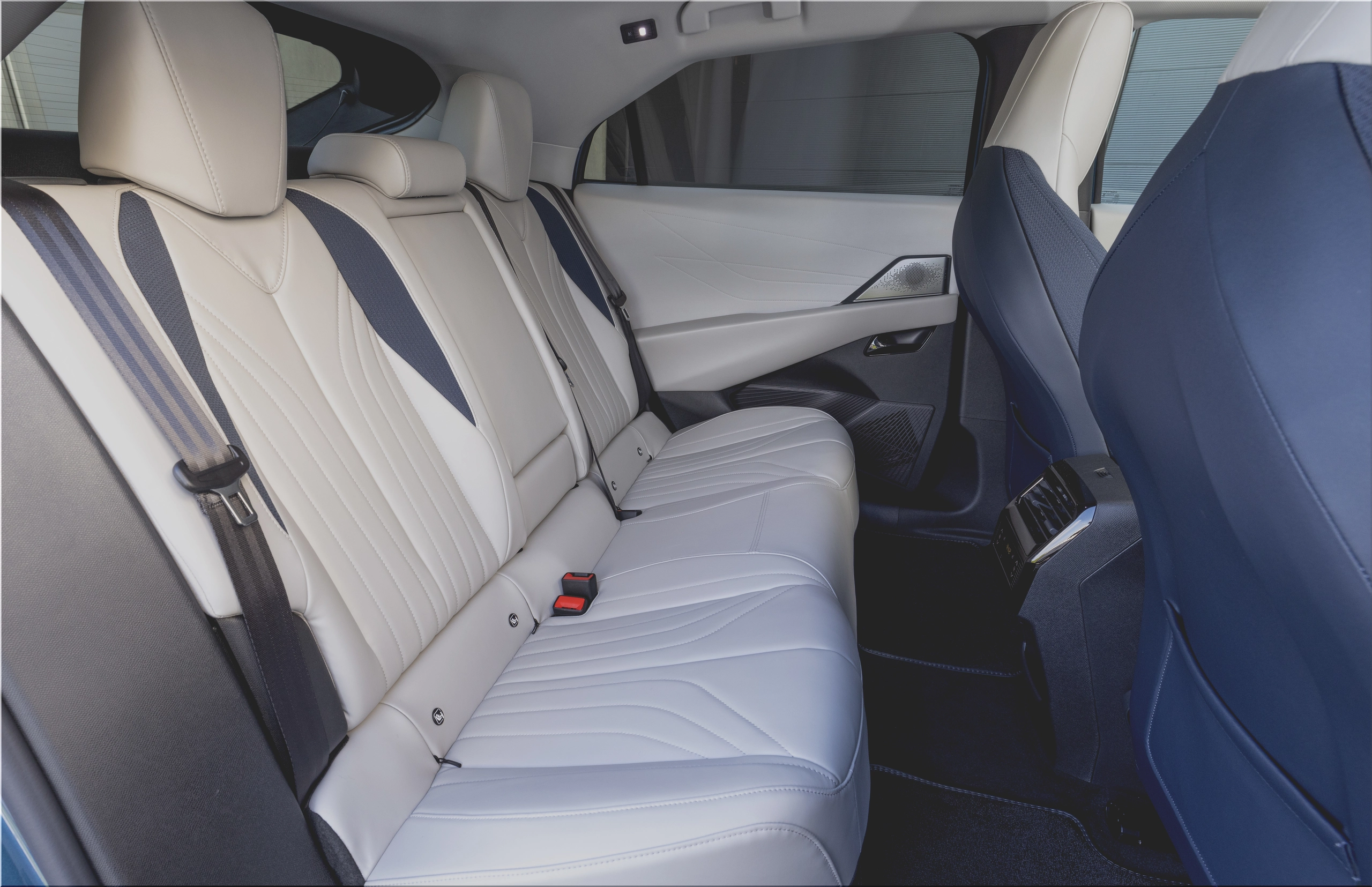
DS N°8 Charging Upgrade: The Smart Takeaway
The DS N°8 update looks modest at first glance. No dramatic redesign. No fresh power figure designed to start social media arguments before breakfast.
Yet the changes land where electric car owners spend real time: charging.
Plug & Charge makes rapid charging easier at compatible stations. The optional 22 kW on-board charger makes AC charging far more useful during ordinary stops. The long WLTP range still gives the N°8 its headline strength, but these upgrades make the car feel better prepared for daily European use.
That is the point. The best premium EVs in 2026 will not win only by going farther. They will win by making the driver think less about charging in the first place.
- Add new comment
- 263 views