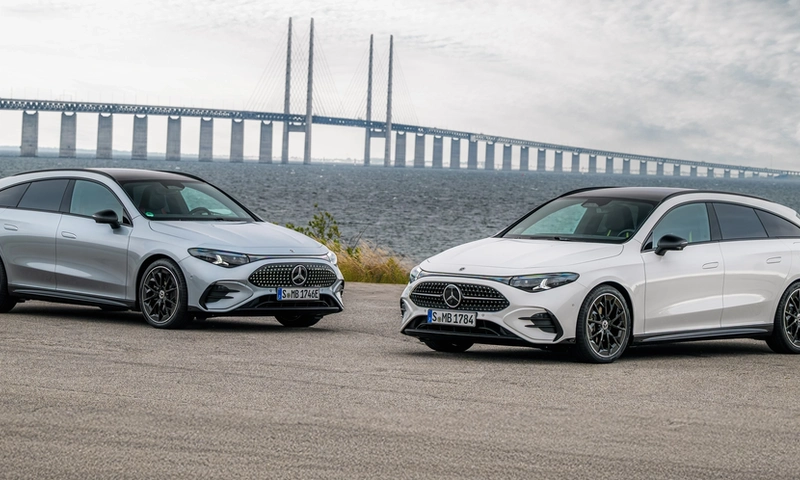
The 2026 Mercedes-Benz CLA Hybrid targets buyers who want lower fuel costs, modern software, and premium design without charging cables or lifestyle changes. Mercedes positions this car as a transition product that delivers efficiency gains drivers feel every week, not abstract test-cycle wins. The focus stays on usability, cost control, and technology that ages slowly.
This model matters because it reveals how Mercedes plans to scale electrification across compact, high-volume vehicles. The strategy blends modular engines, shared platforms, and software-first interiors to reduce risk for both the brand and the buyer.
Market Problem Mercedes Is Solving
Compact luxury buyers face rising fuel prices and stricter emissions rules. Many want better efficiency but resist plug-in hybrids or full EVs due to charging access, cost, or habit change. Mercedes addresses that resistance directly with the CLA Hybrid.
The 2026 Mercedes-Benz CLA Hybrid targets three friction points:
- Fuel consumption that increases monthly ownership costs
- Infotainment systems that feel outdated within a few years
- Electrification solutions that demand new behaviors
By reducing friction at each step, Mercedes improves adoption without forcing buyers to rethink daily routines.
Image
Powertrain Architecture: Designed for Daily Use
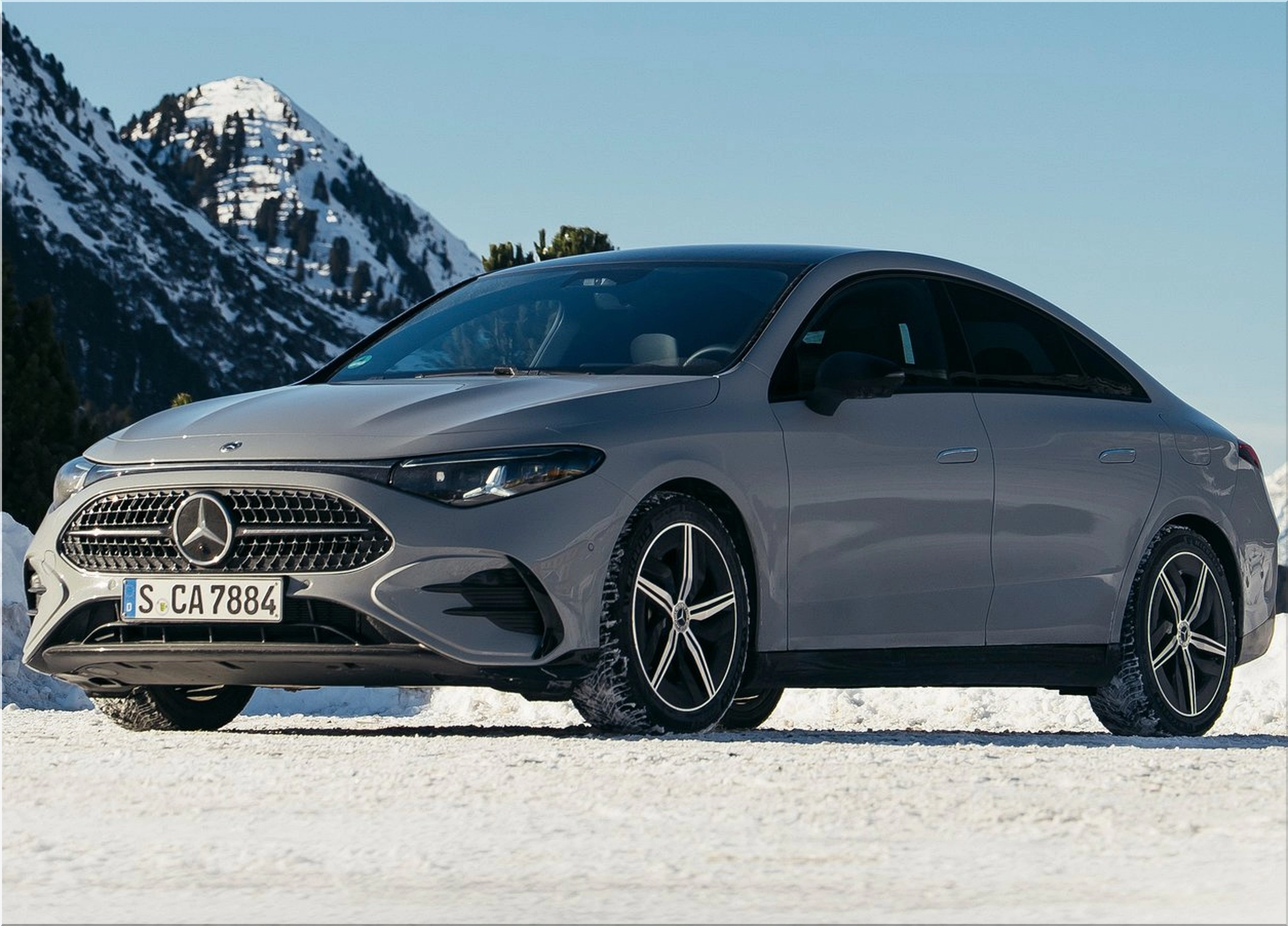
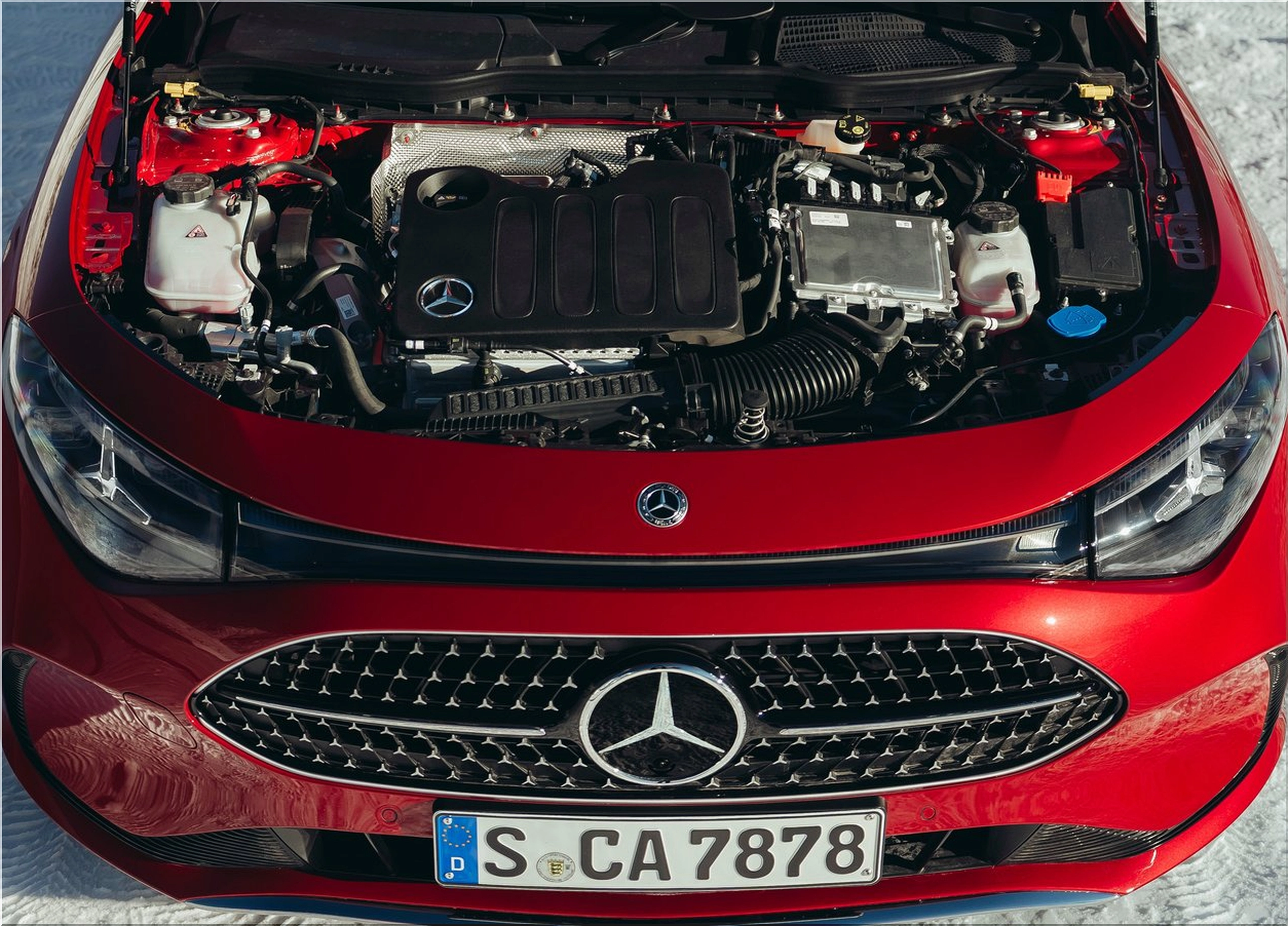
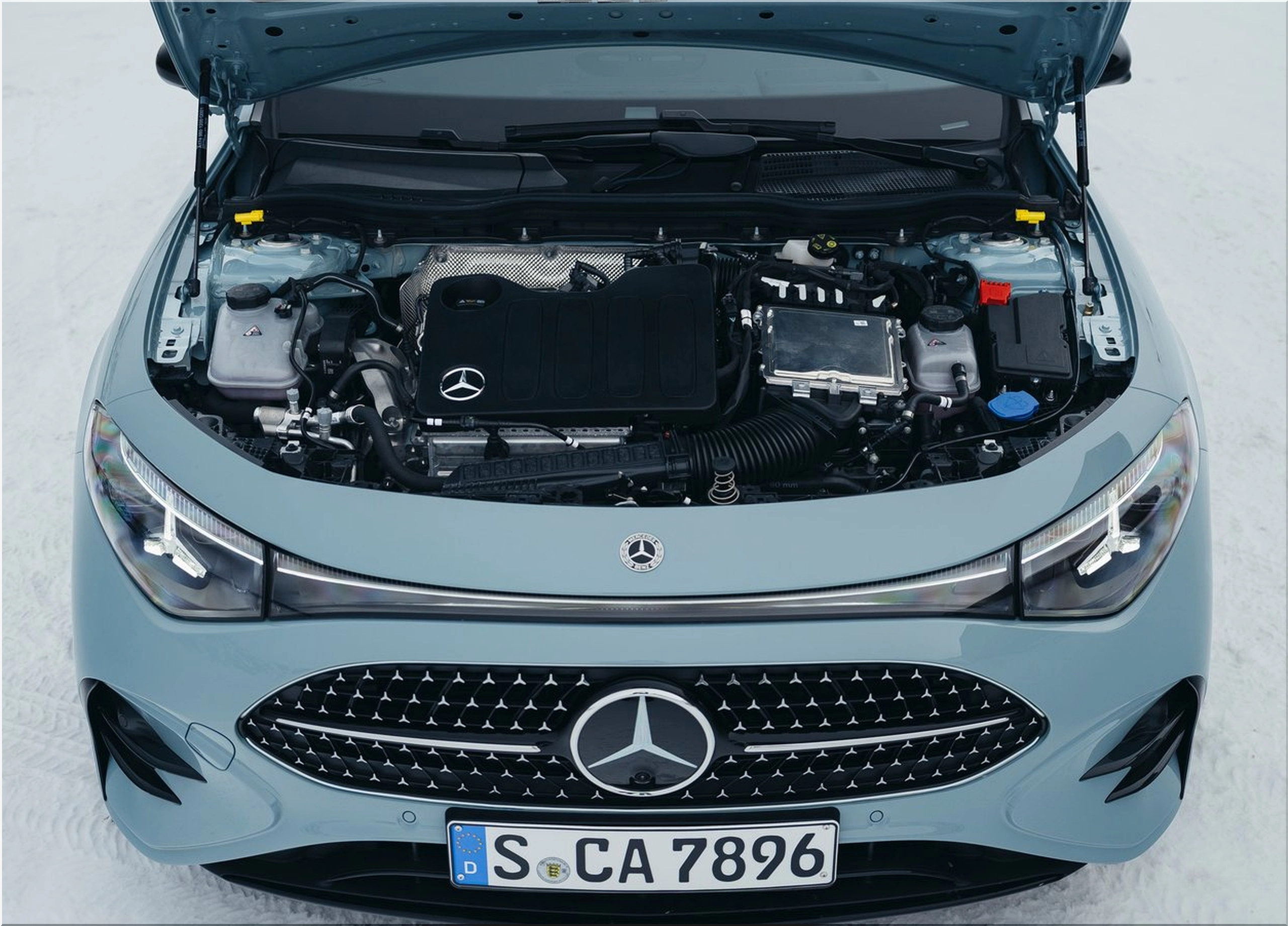
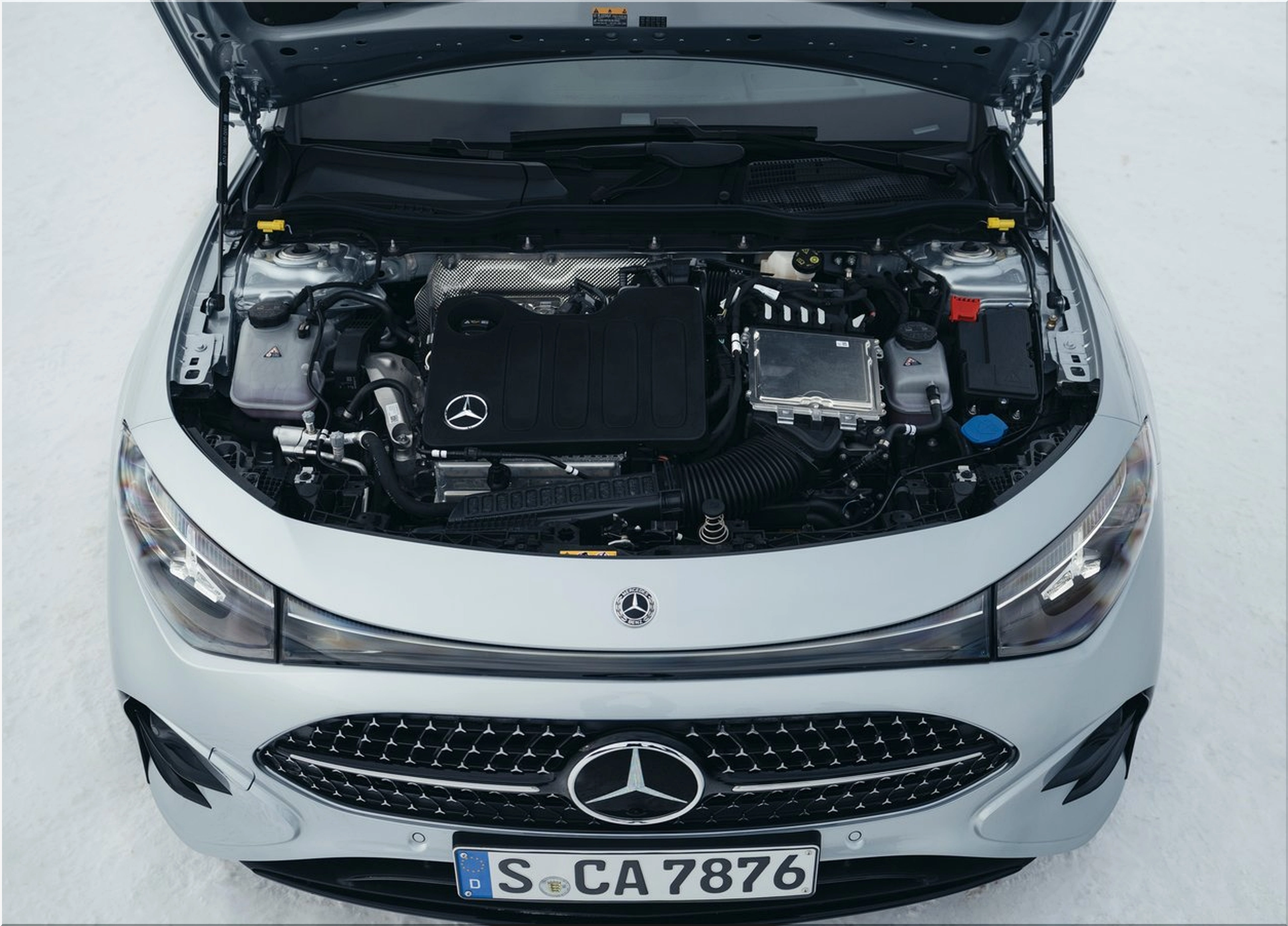
The 2026 CLA Hybrid uses a newly developed 1.5-liter turbocharged four-cylinder engine paired with a 48-volt mild-hybrid system. Mercedes builds this engine under its Family of Modular Engines architecture to support multiple vehicle types and global markets.
Key mechanical details include:
- Integrated starter-generator positioned near the engine
- 48-volt lithium-ion battery supporting auxiliary loads
- Miller-cycle combustion to improve thermal efficiency
- Reduced friction through advanced internal coatings
The electric motor assists during launch and low-speed driving, where combustion engines operate least efficiently. This setup improves smoothness and lowers fuel use in traffic-heavy conditions.
Measurable Efficiency Gains
Mercedes targets fuel consumption near 5.0 liters per 100 kilometers, or about 47 mpg US in combined driving. That figure places the CLA Hybrid among the most efficient gas-powered luxury sedans in its segment.
Efficiency gains come from:
- Engine-off coasting during steady cruising
- Regenerative braking to recover kinetic energy
- Faster and smoother stop-start cycles
Drivers notice fewer interruptions and smoother transitions, which directly improves perceived quality.
Image
Design Strategy: EV Cues Without Range Anxiety
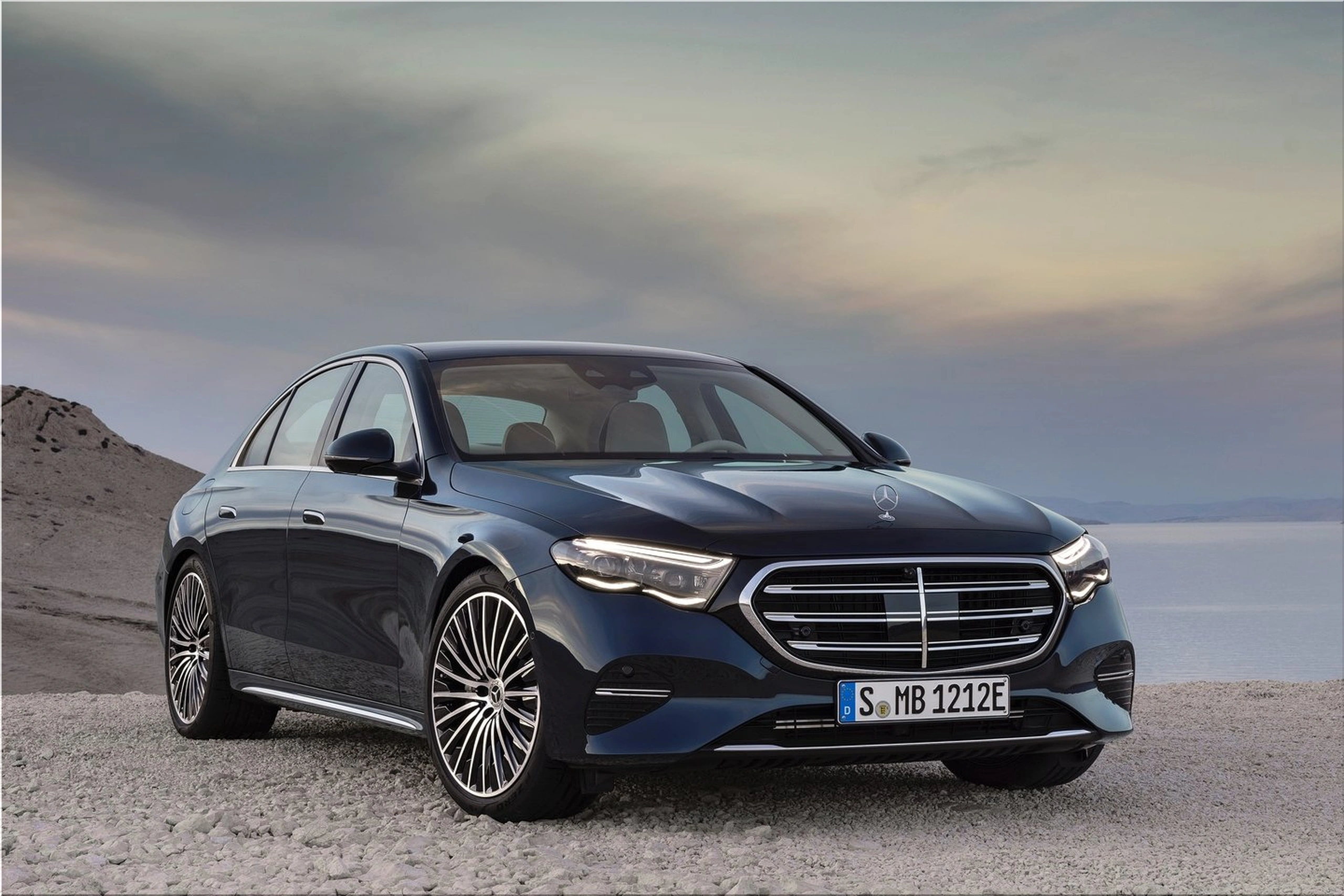
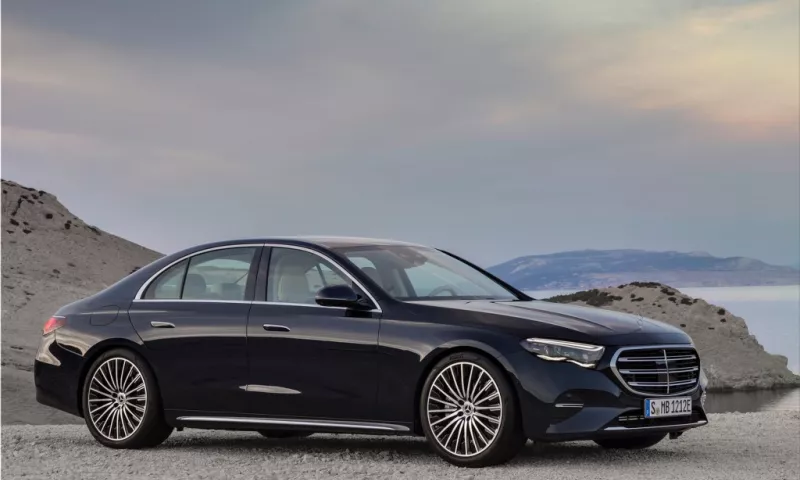
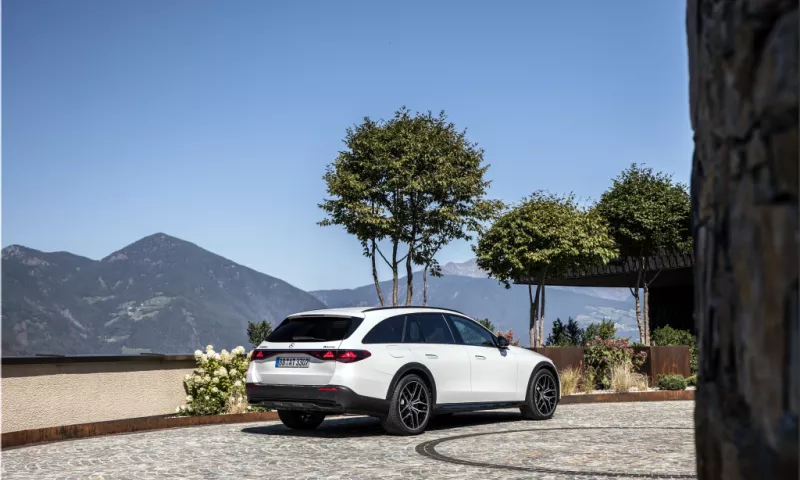
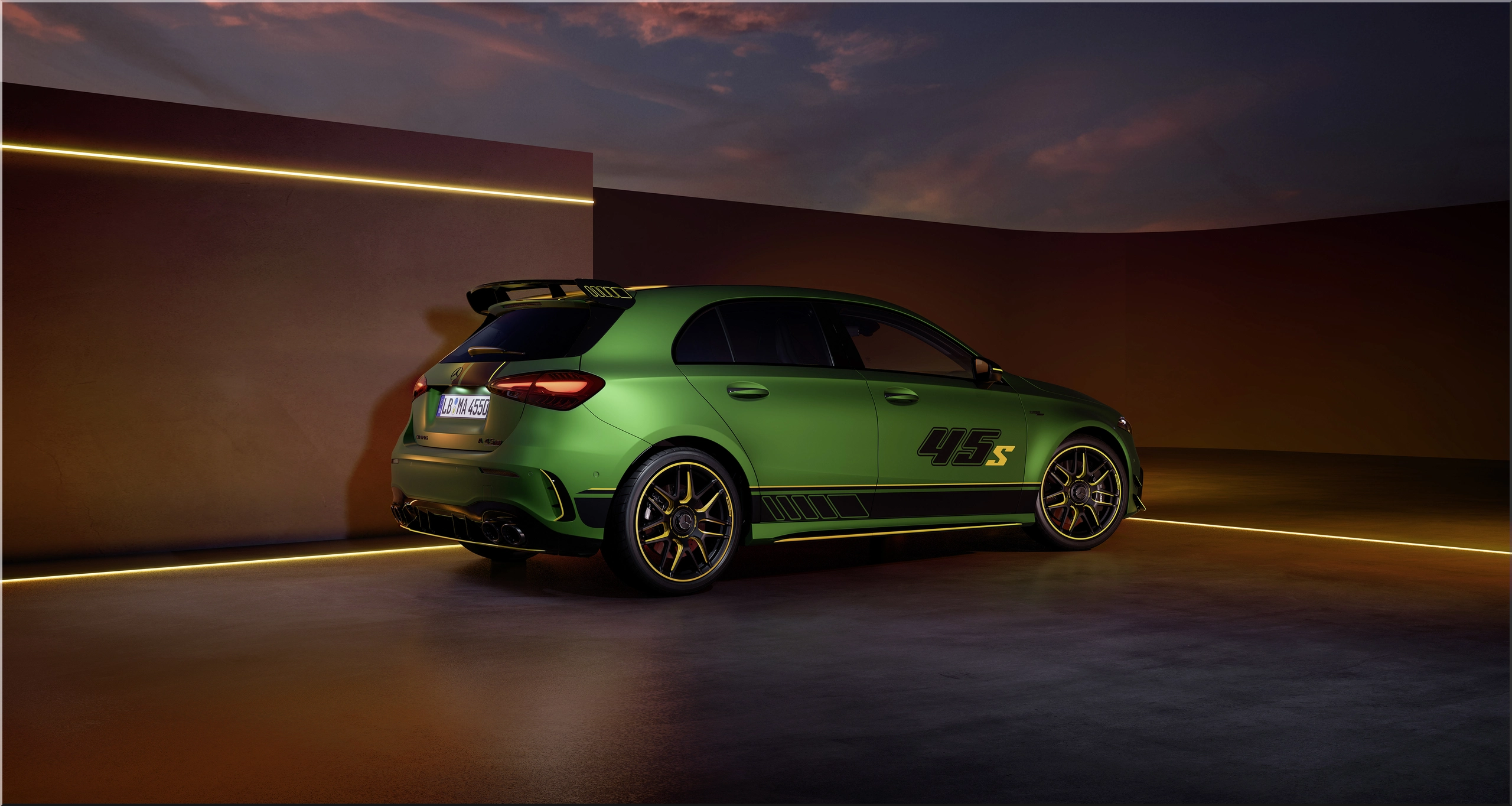
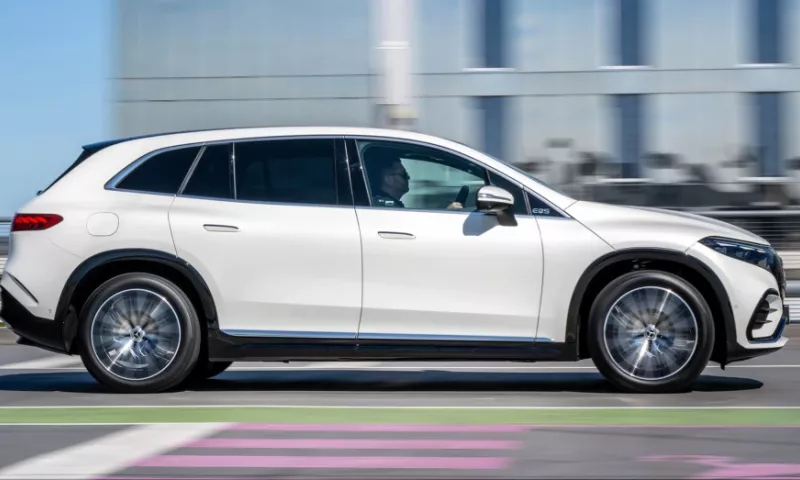
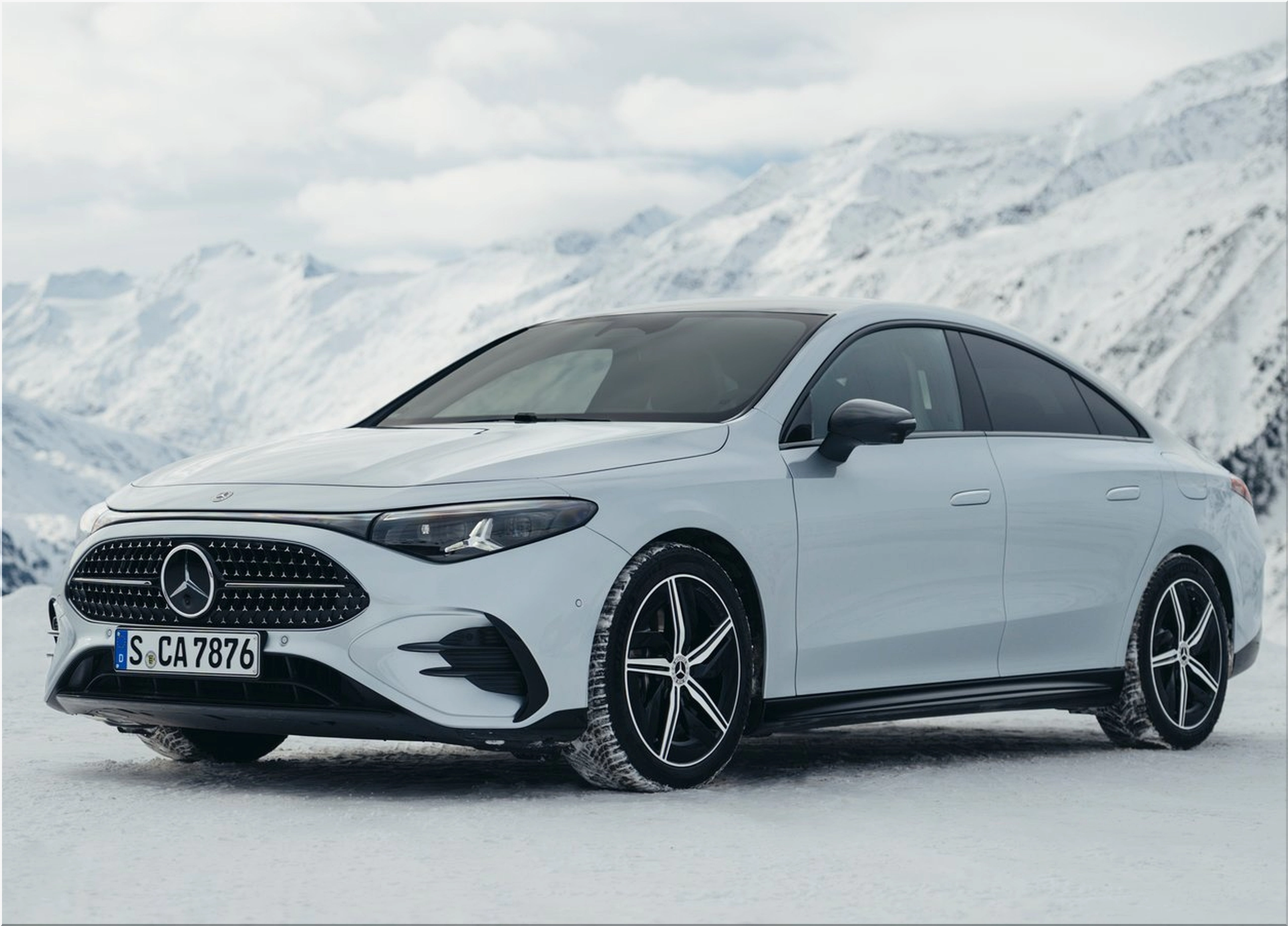
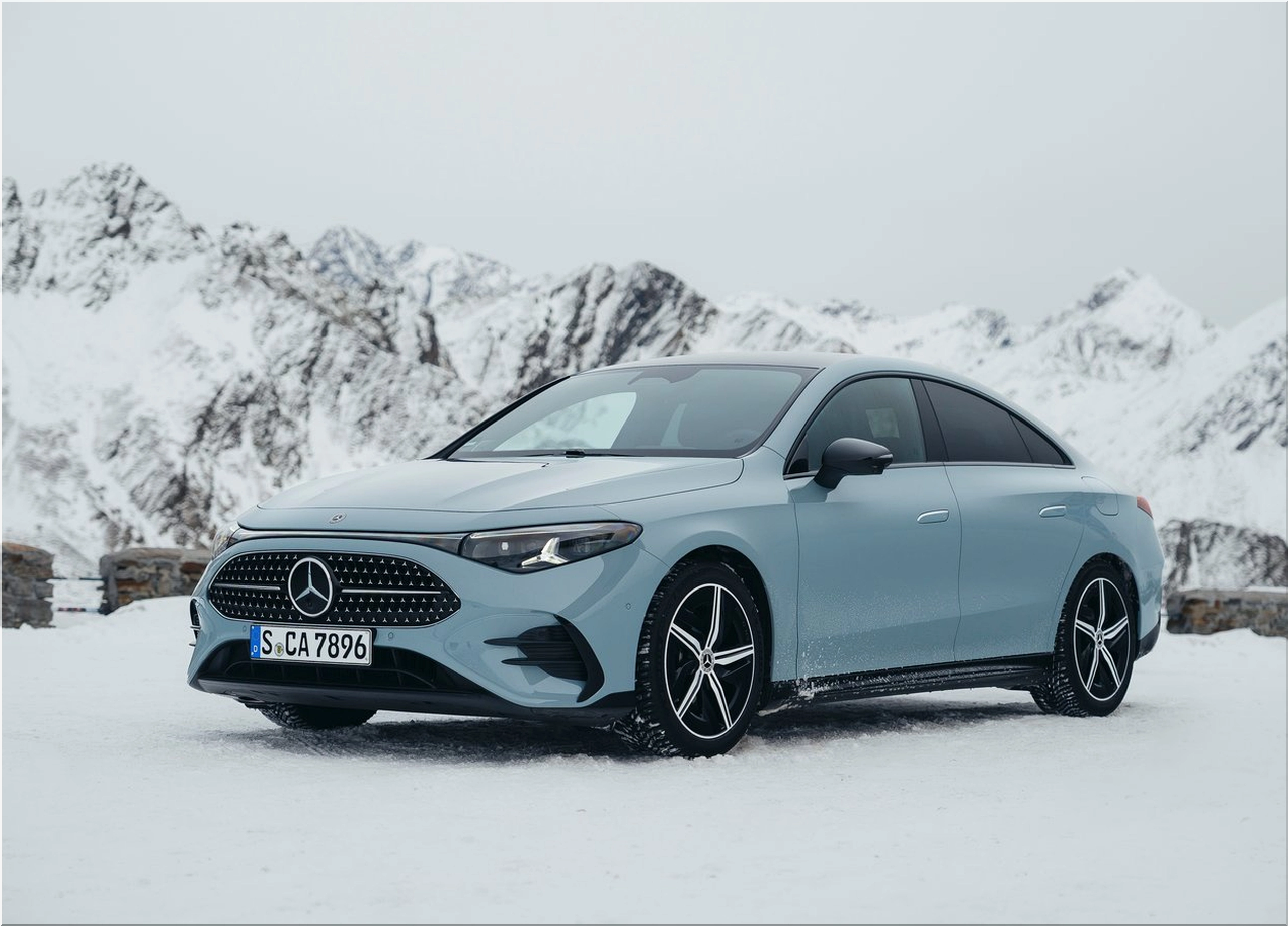
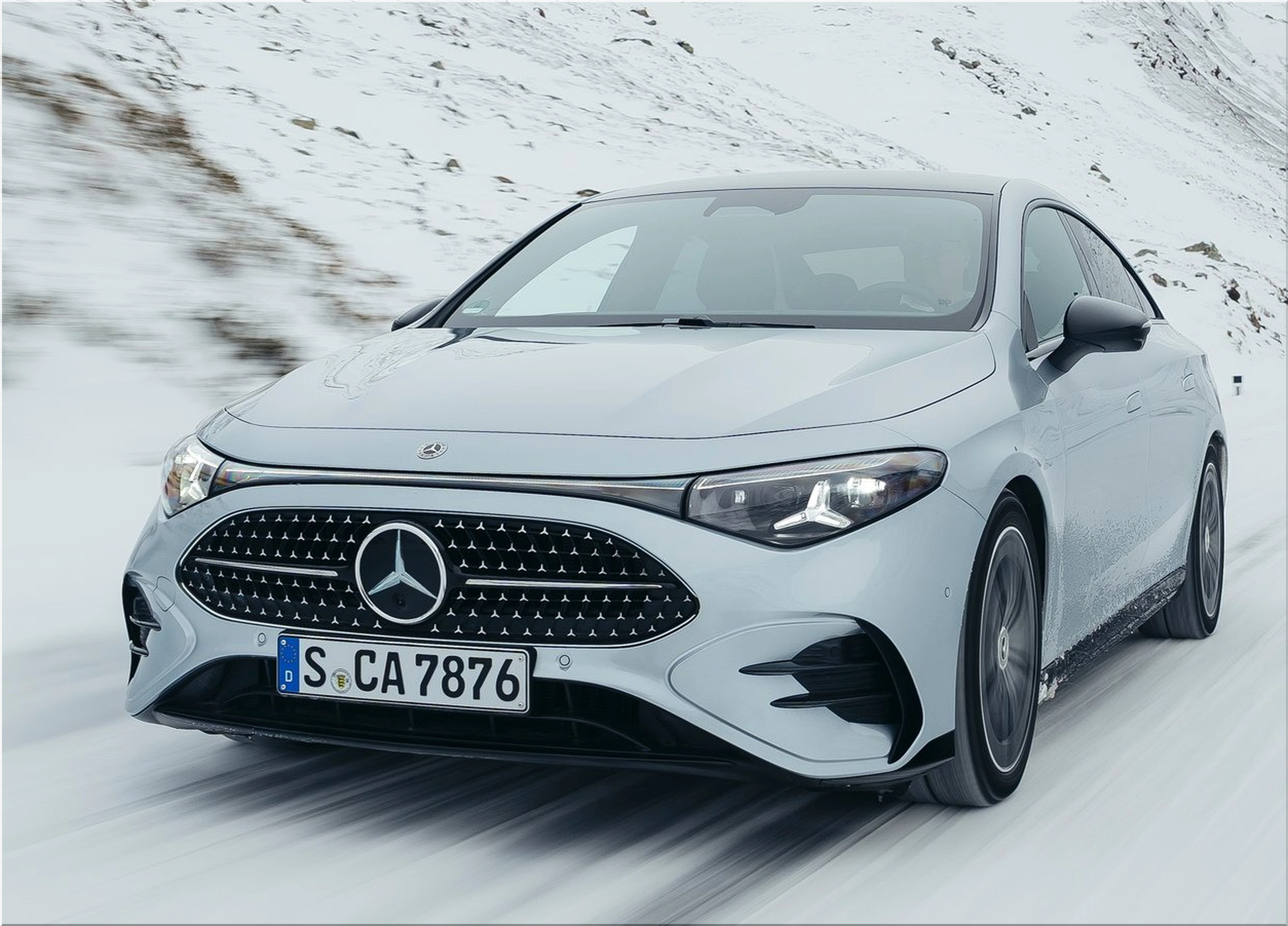
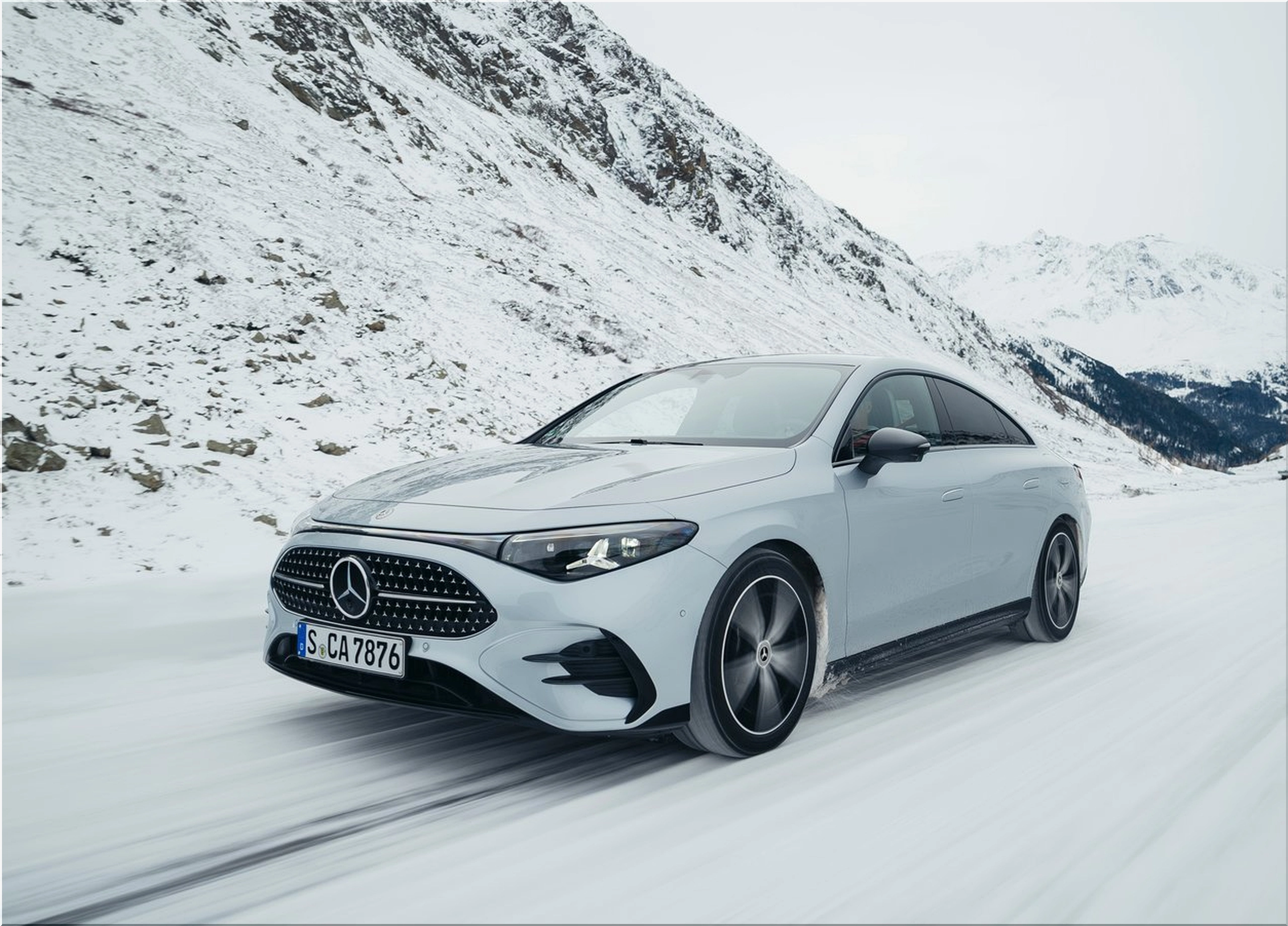
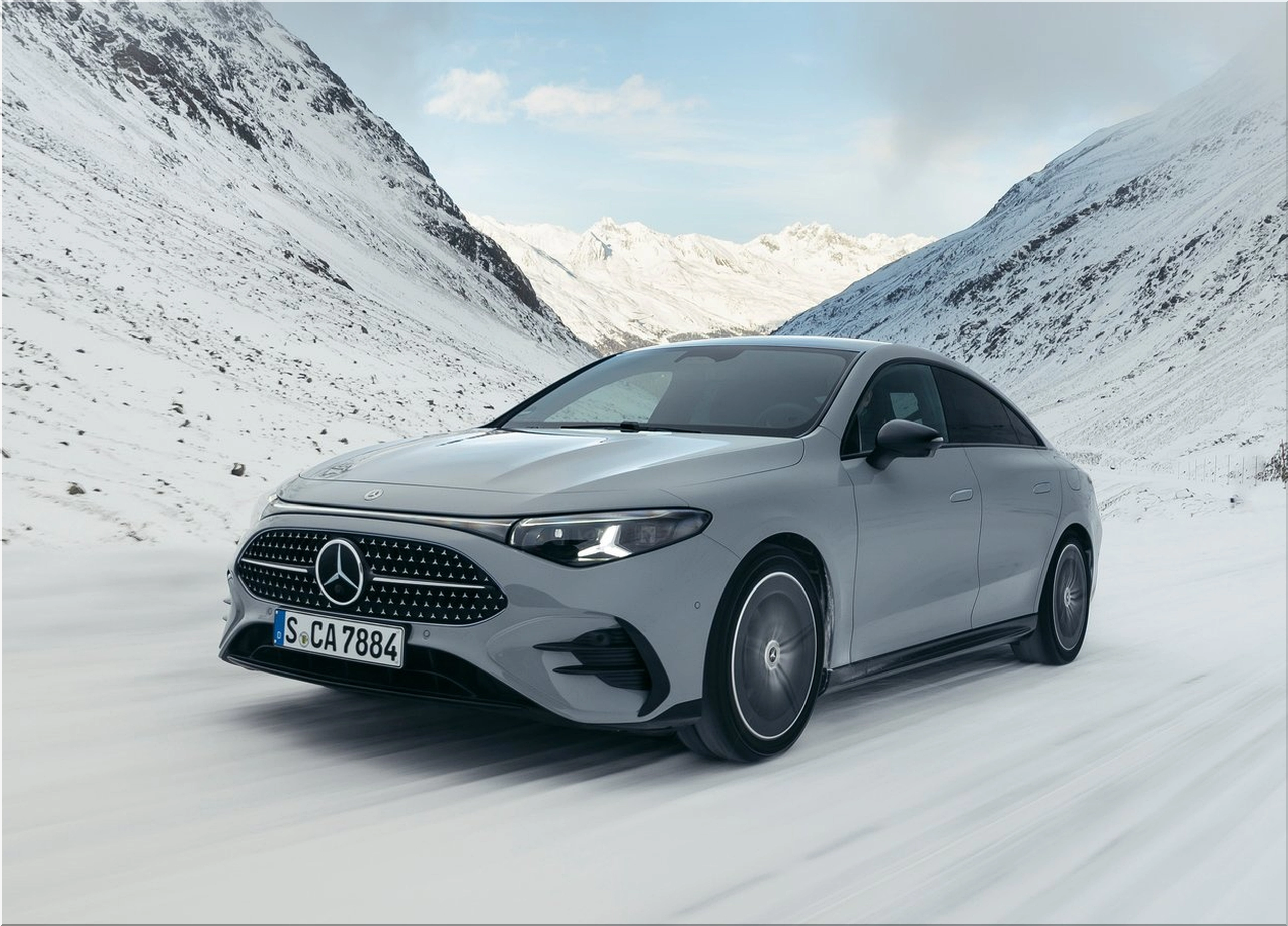
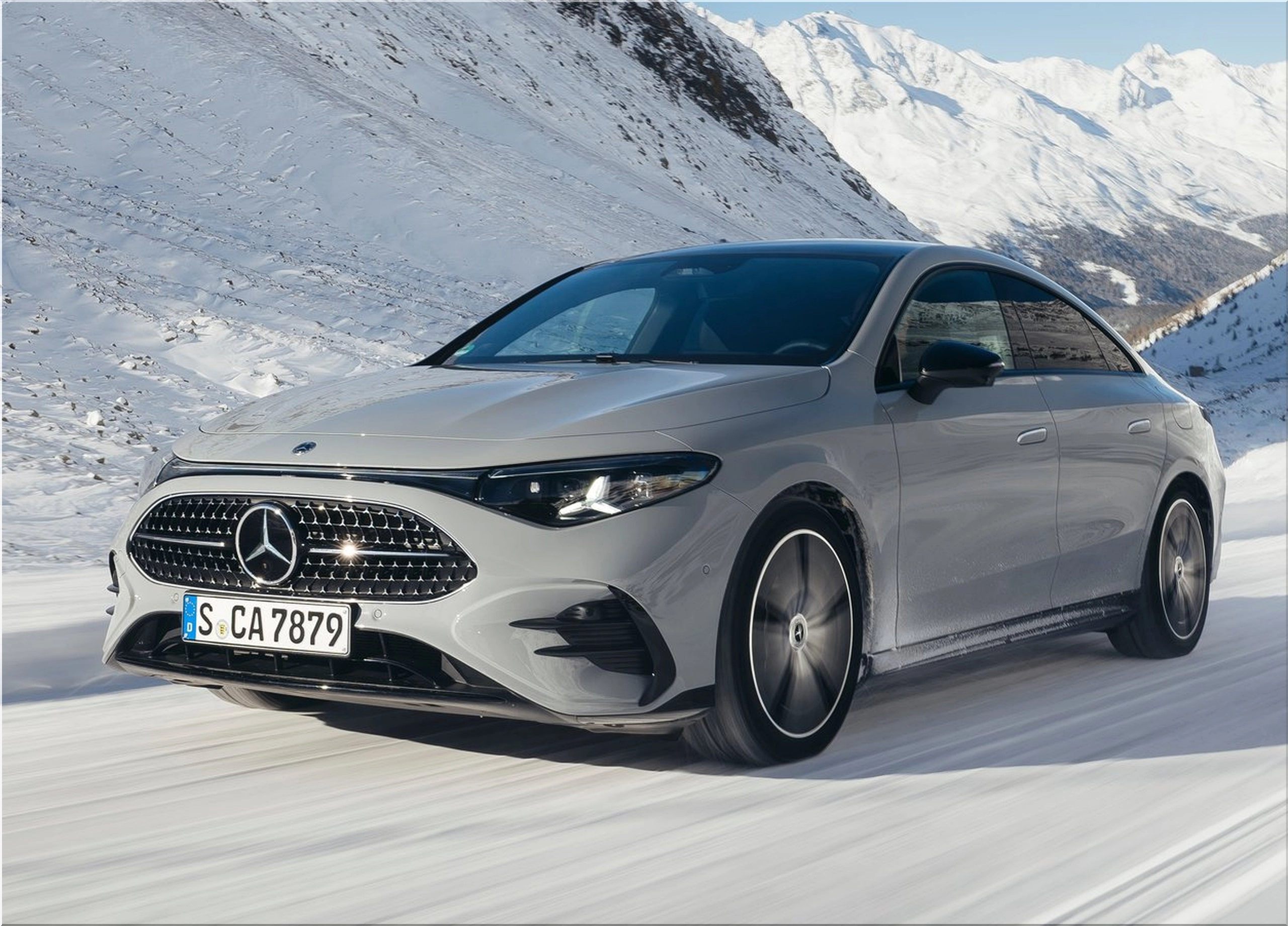
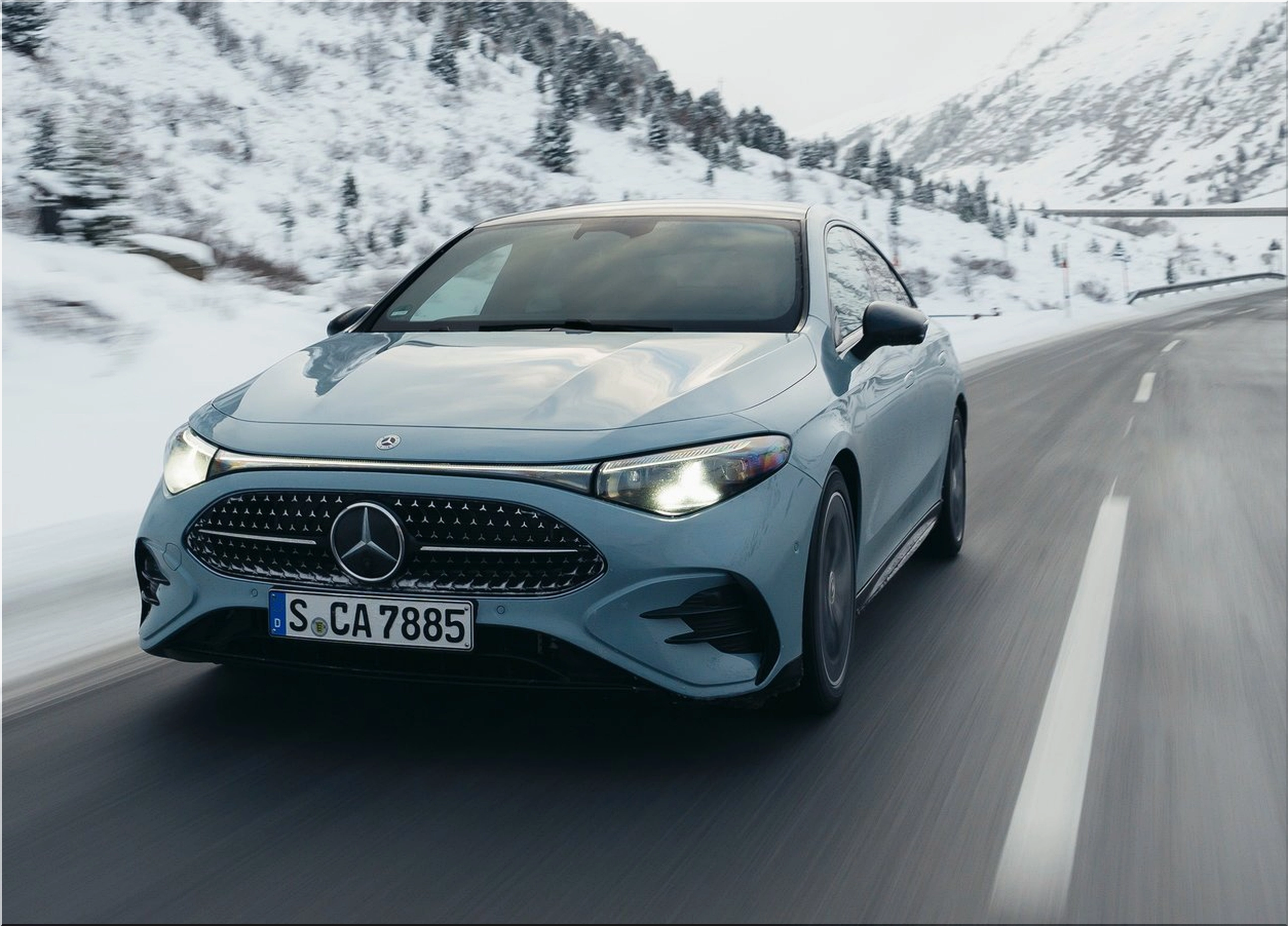
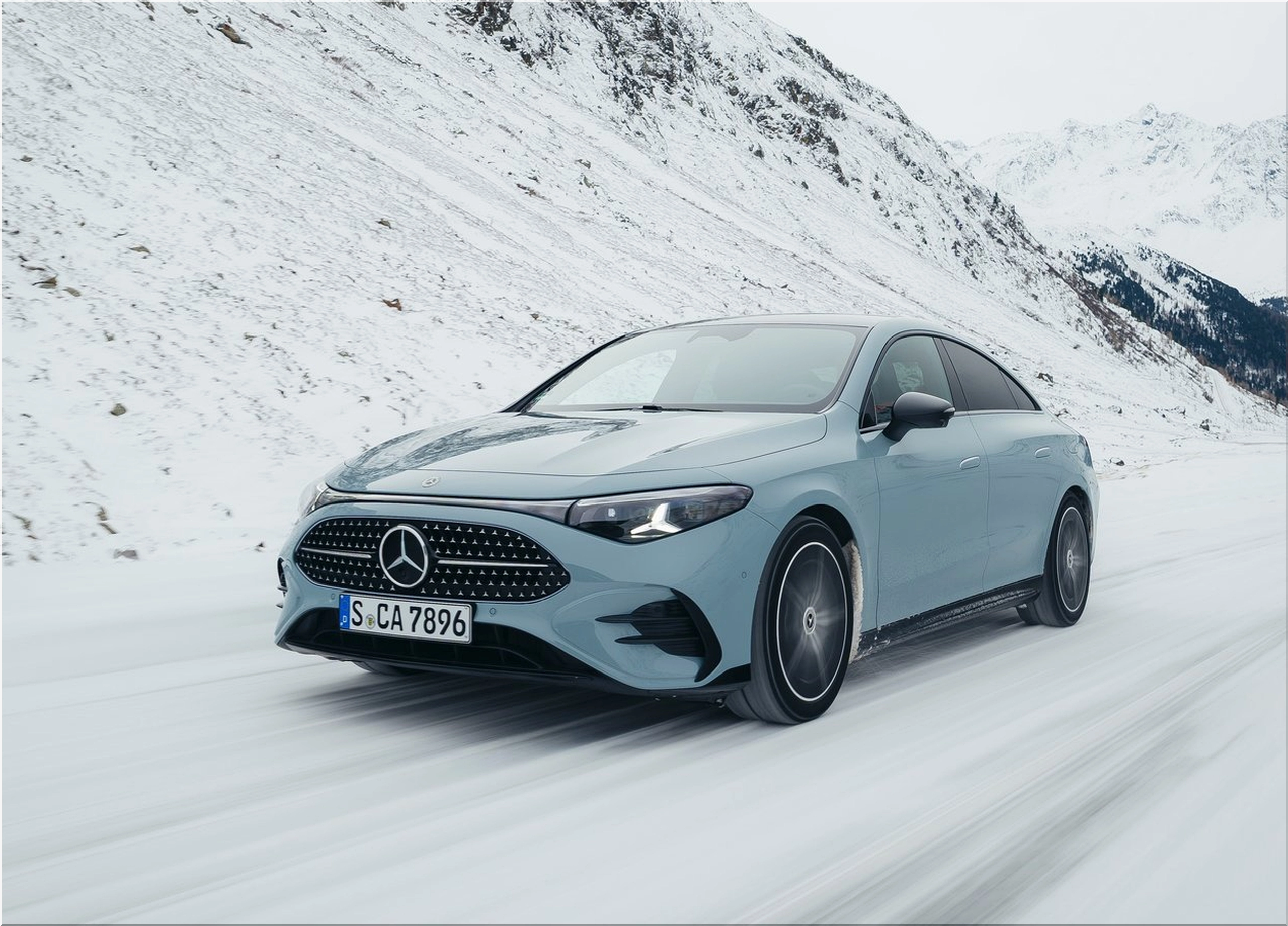
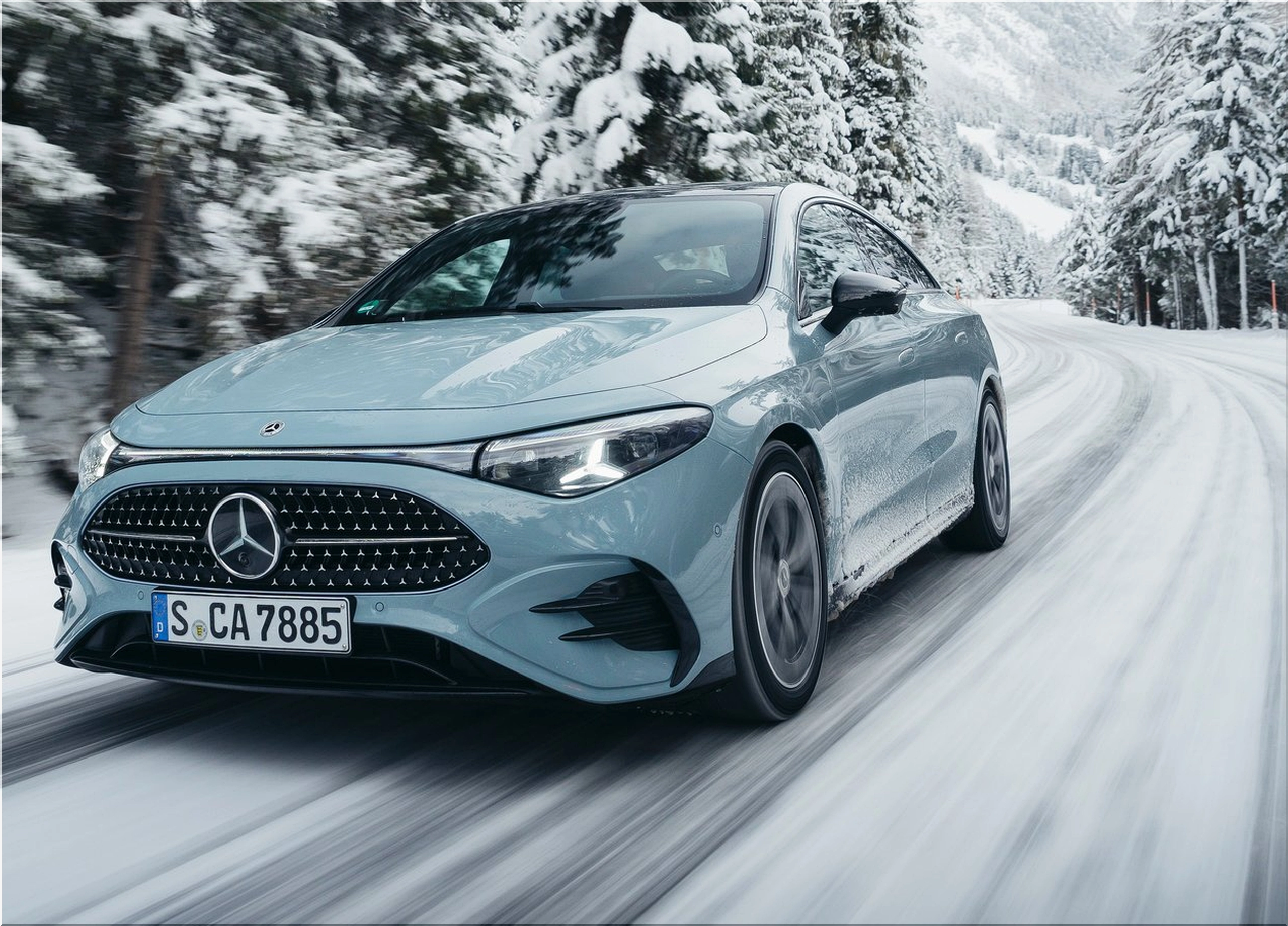
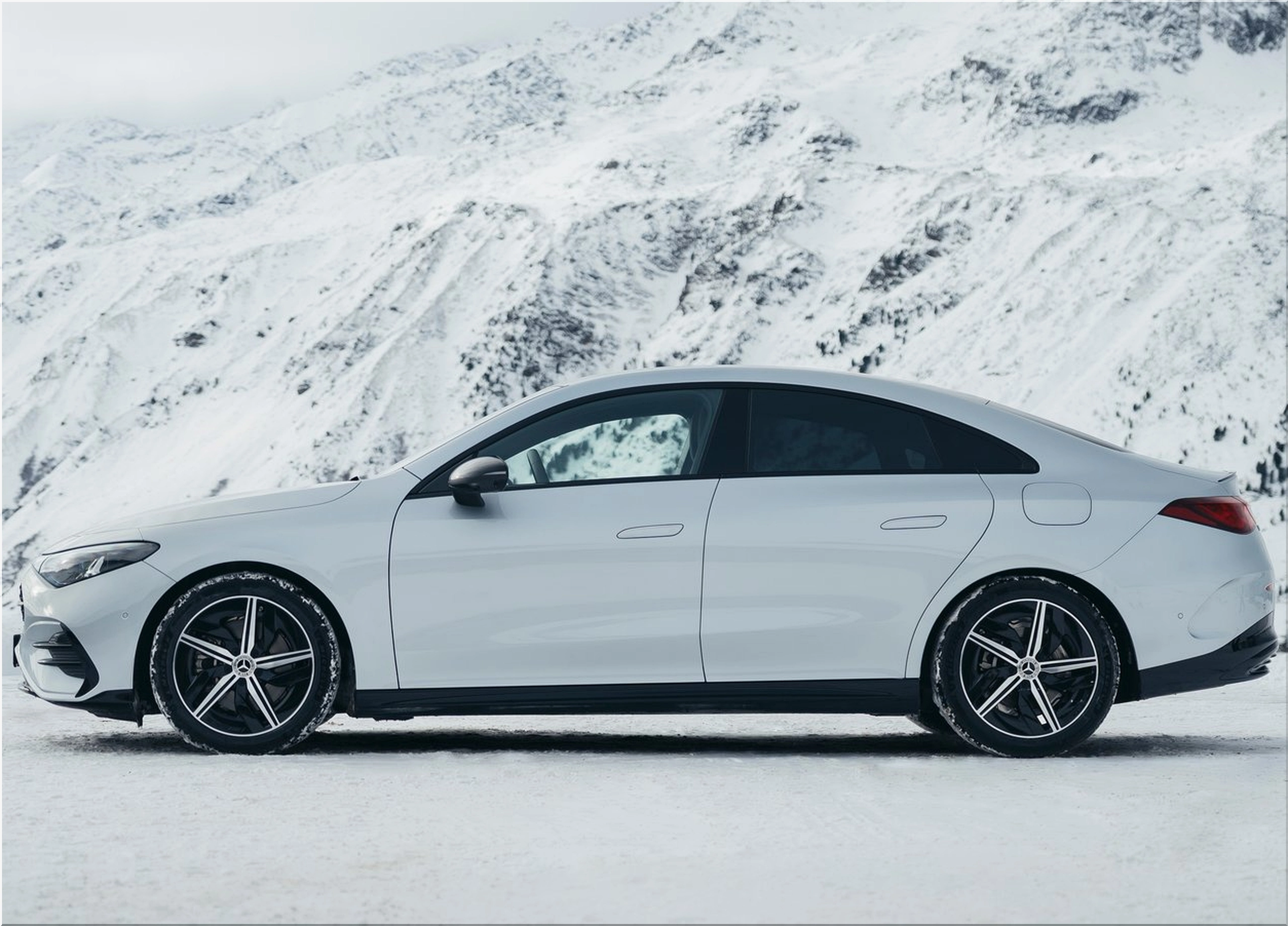
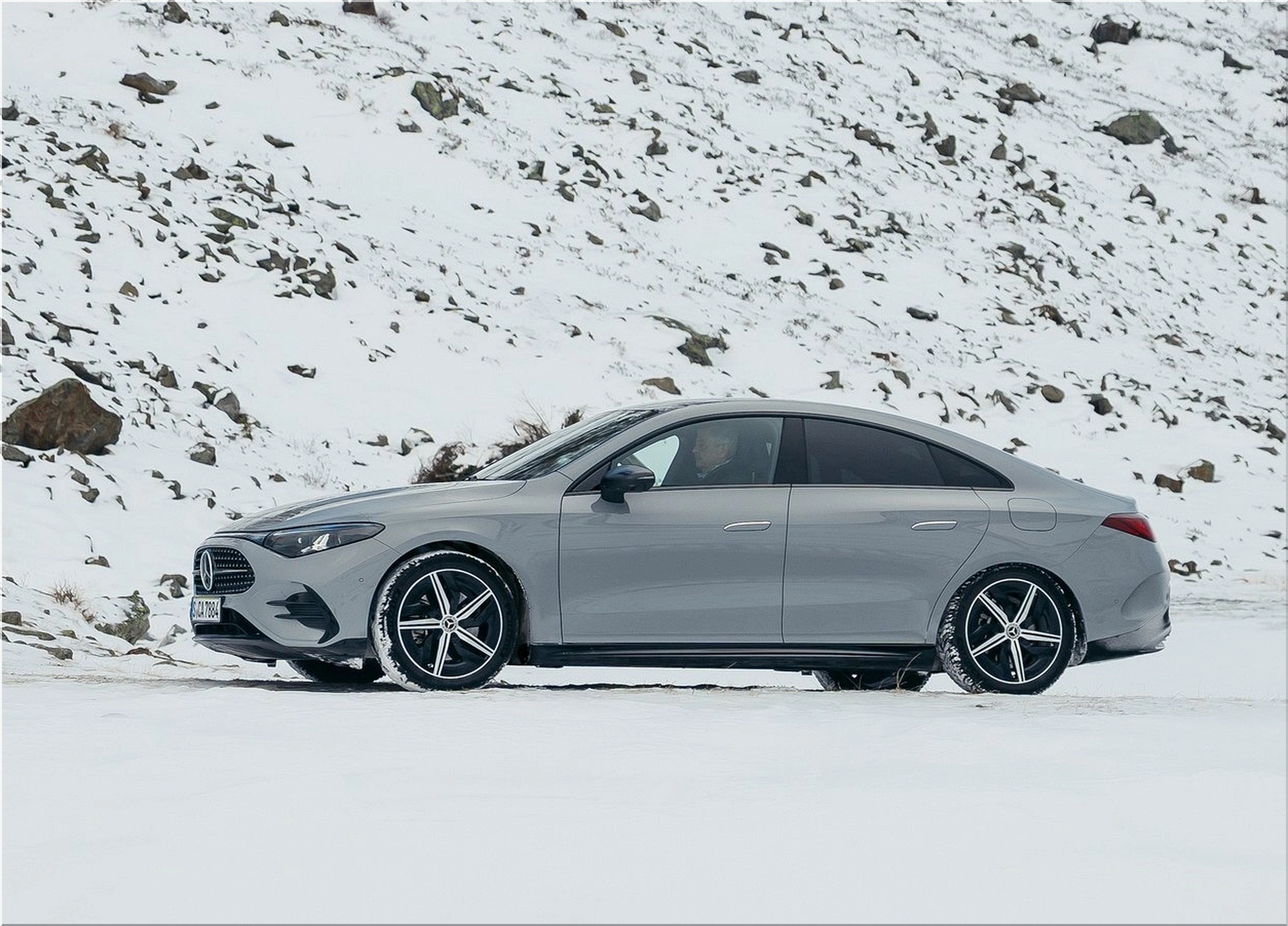
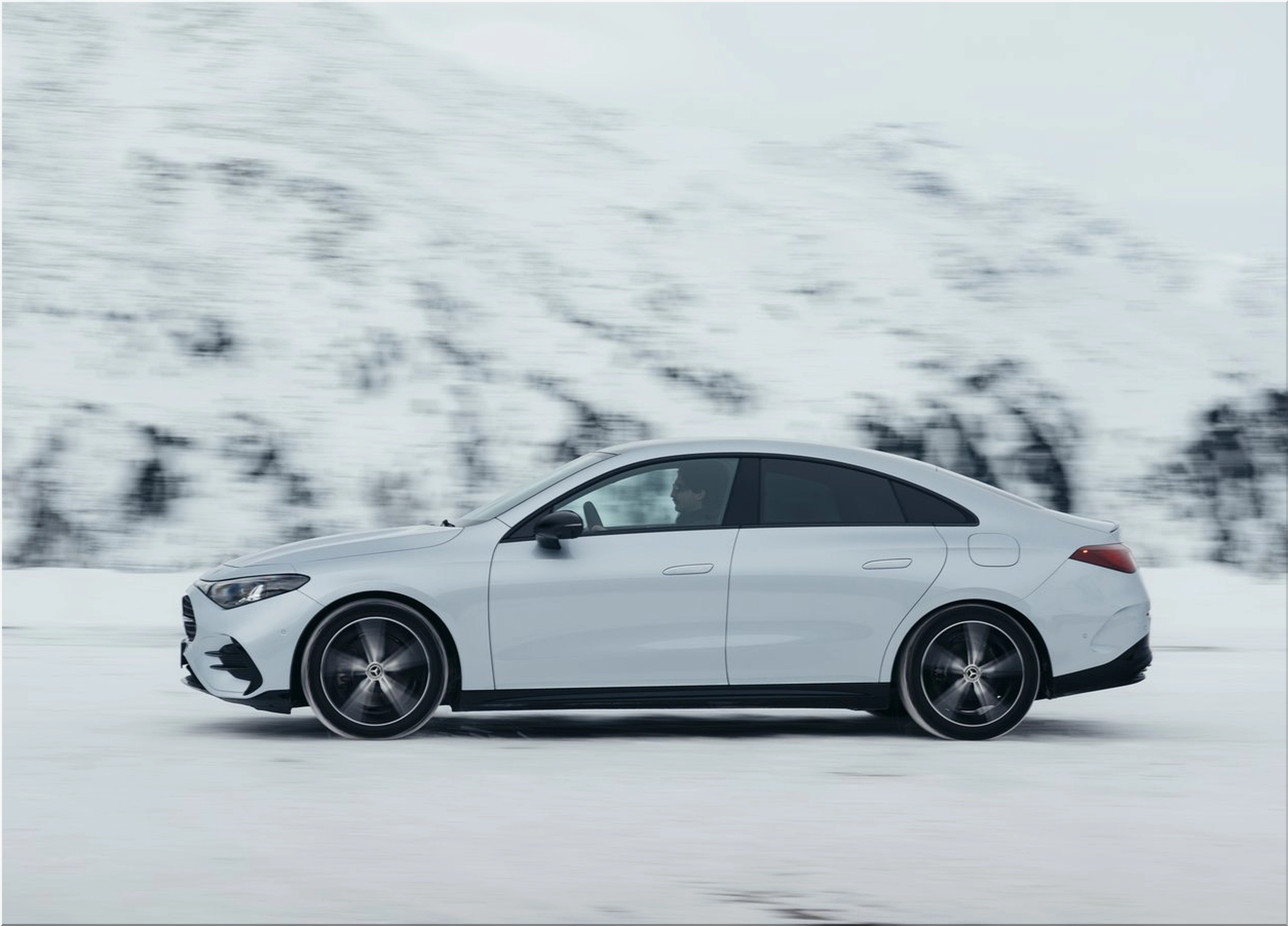
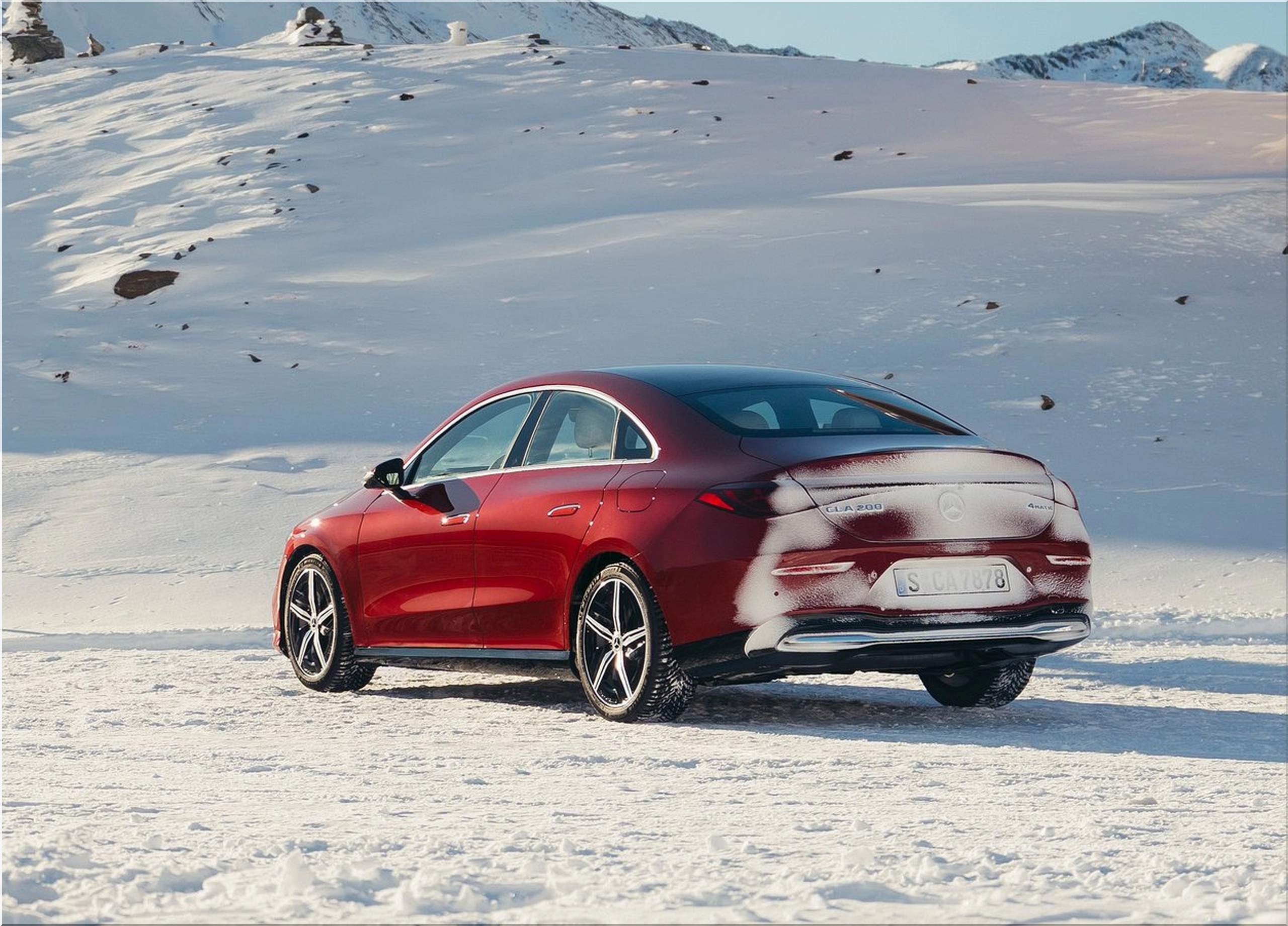
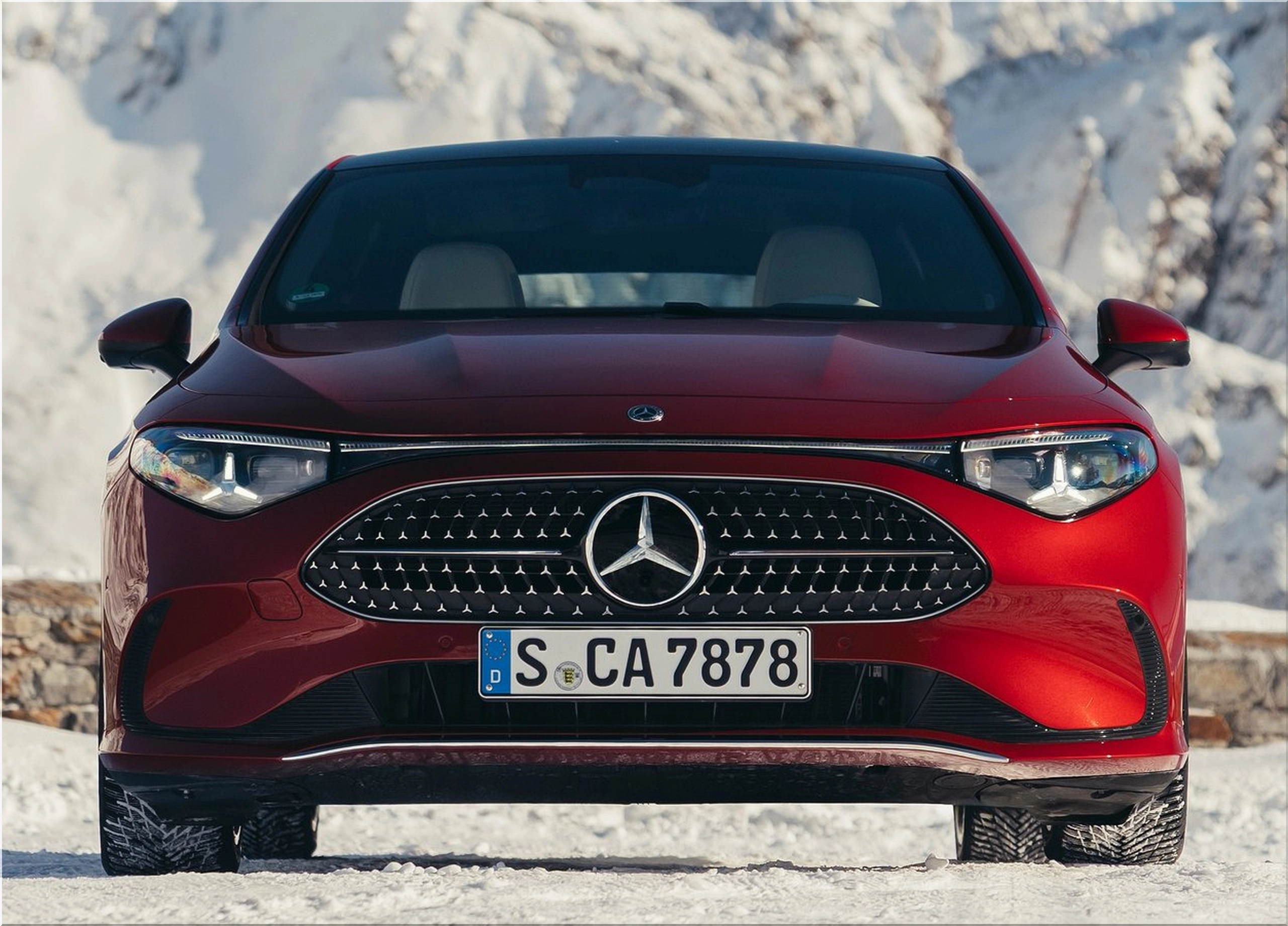
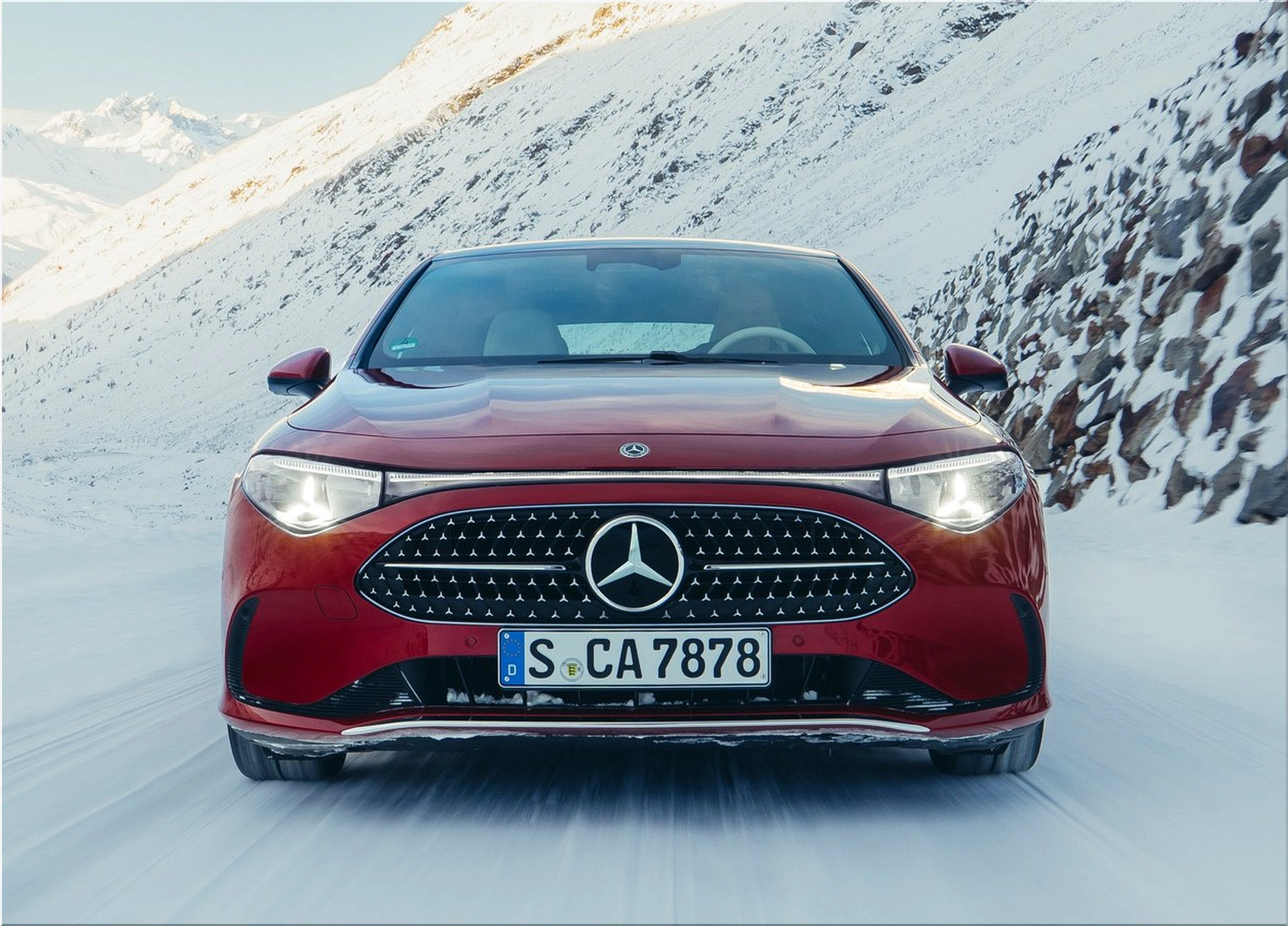
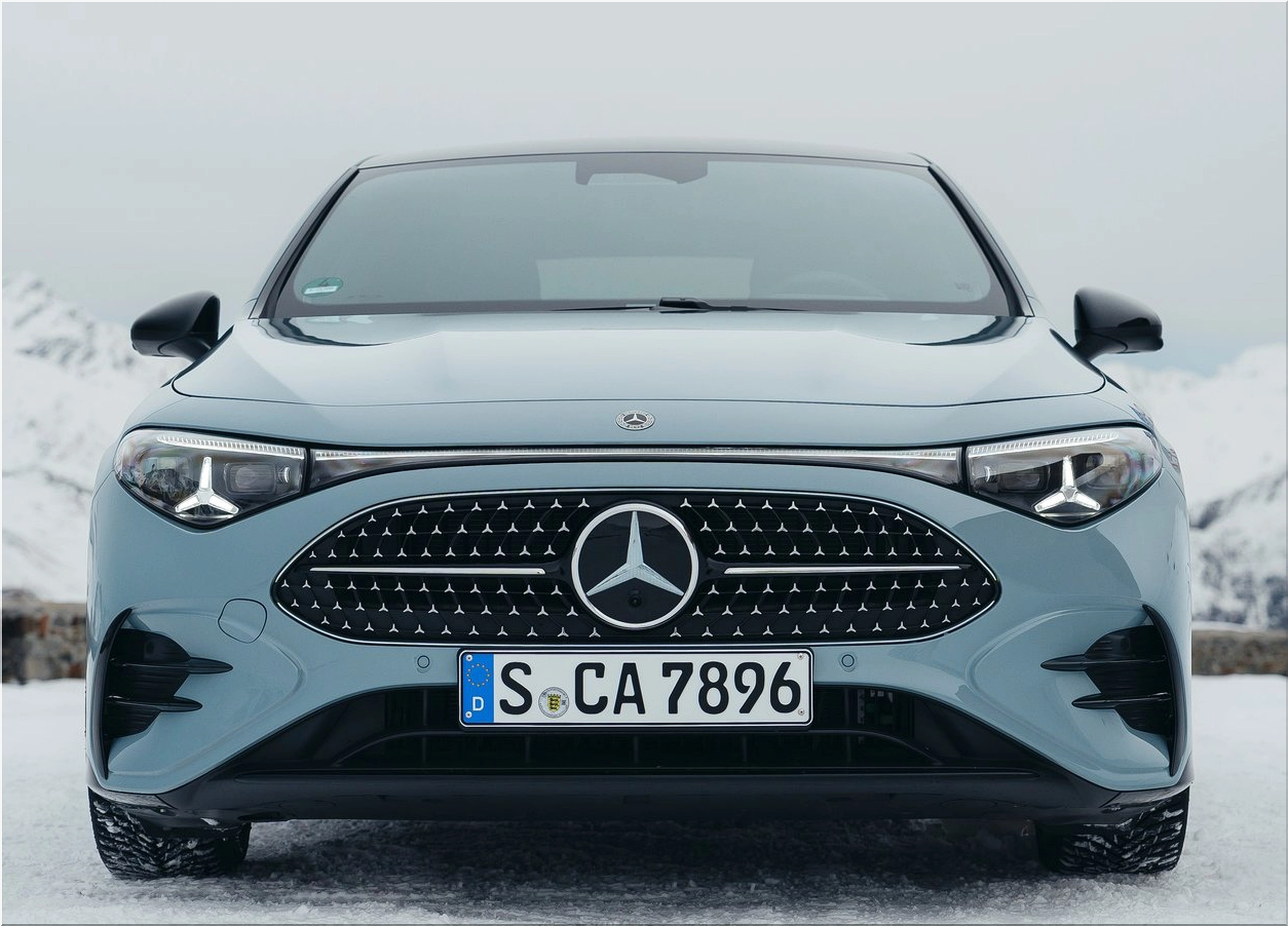
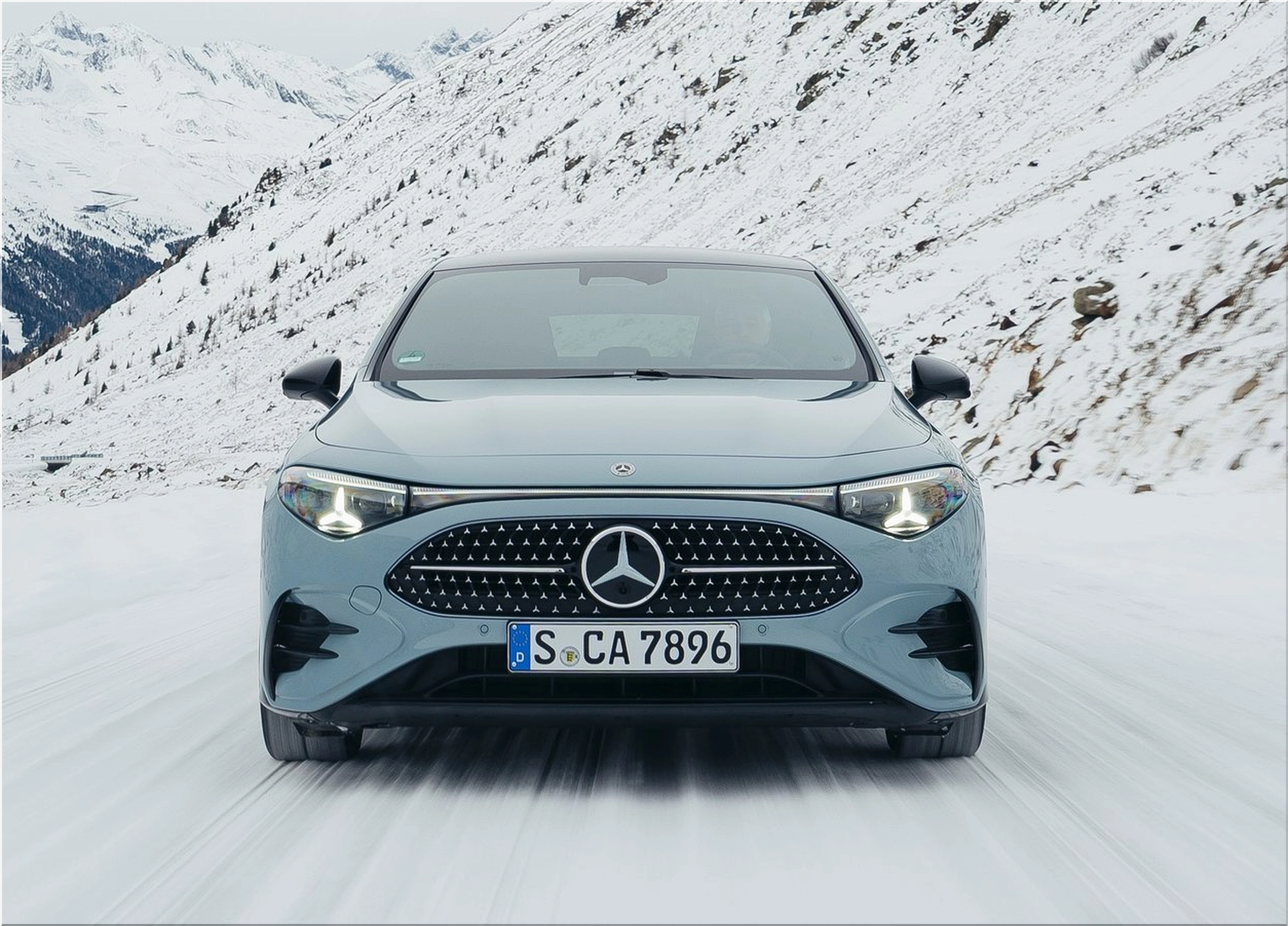
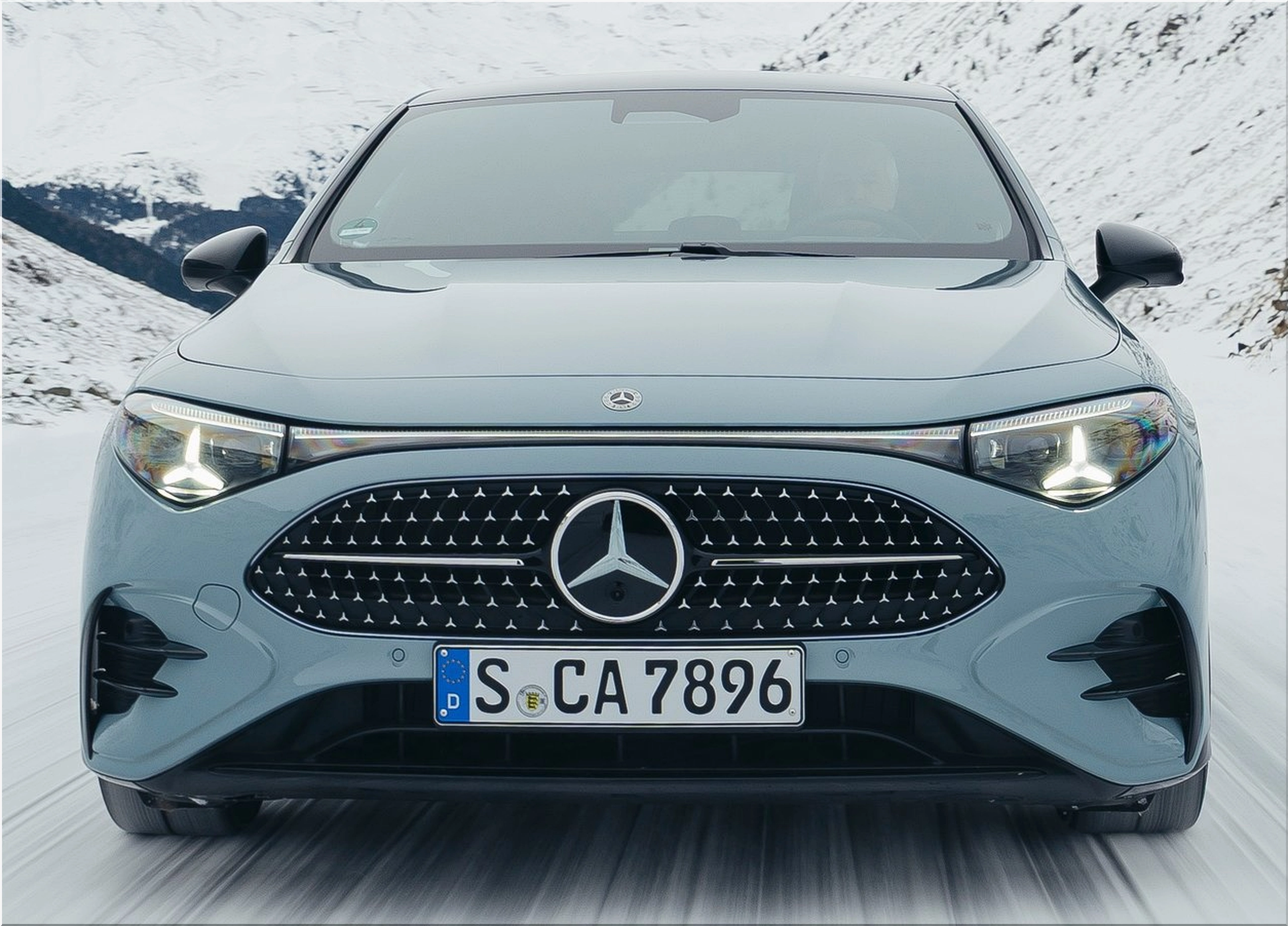
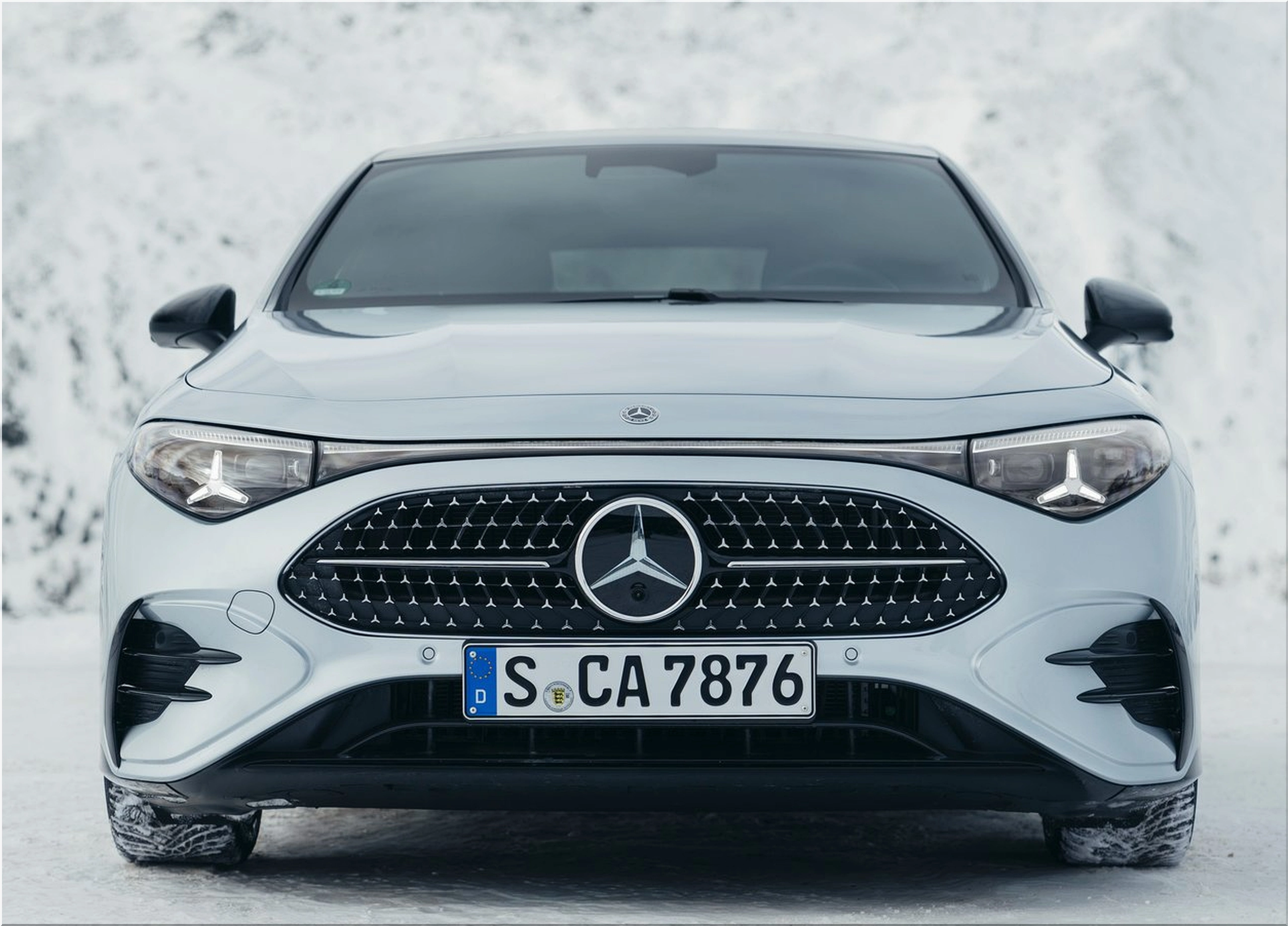
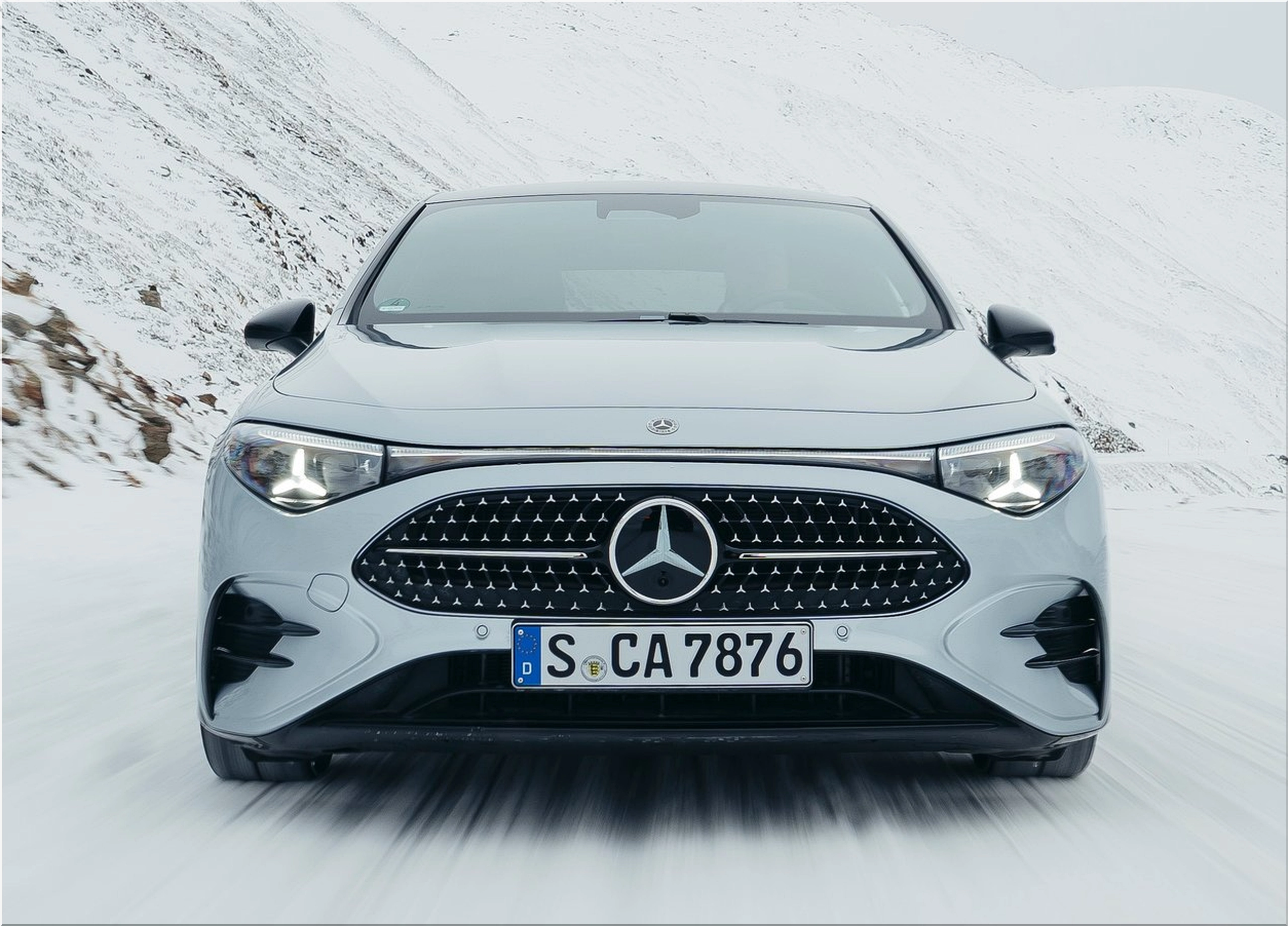
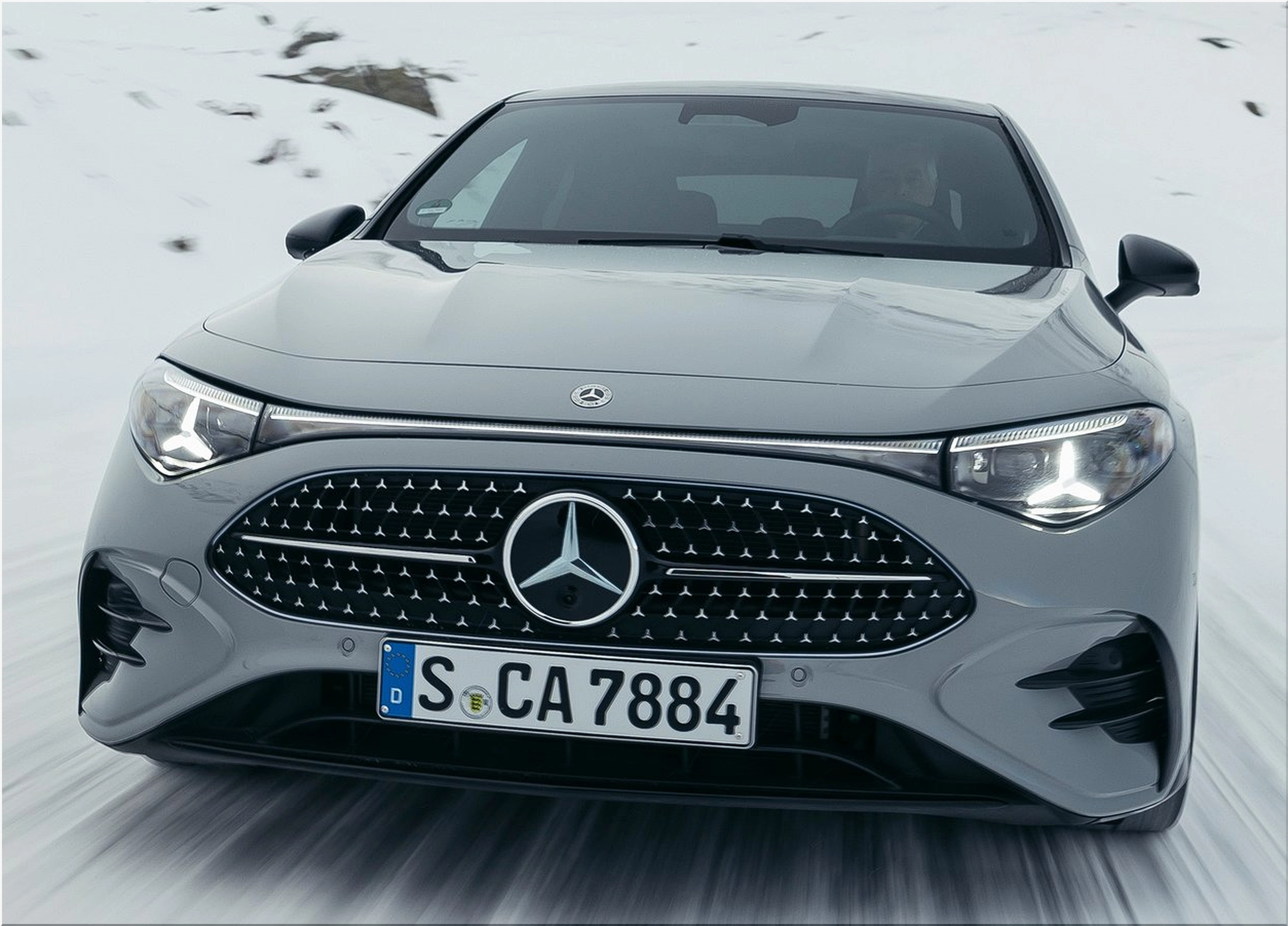
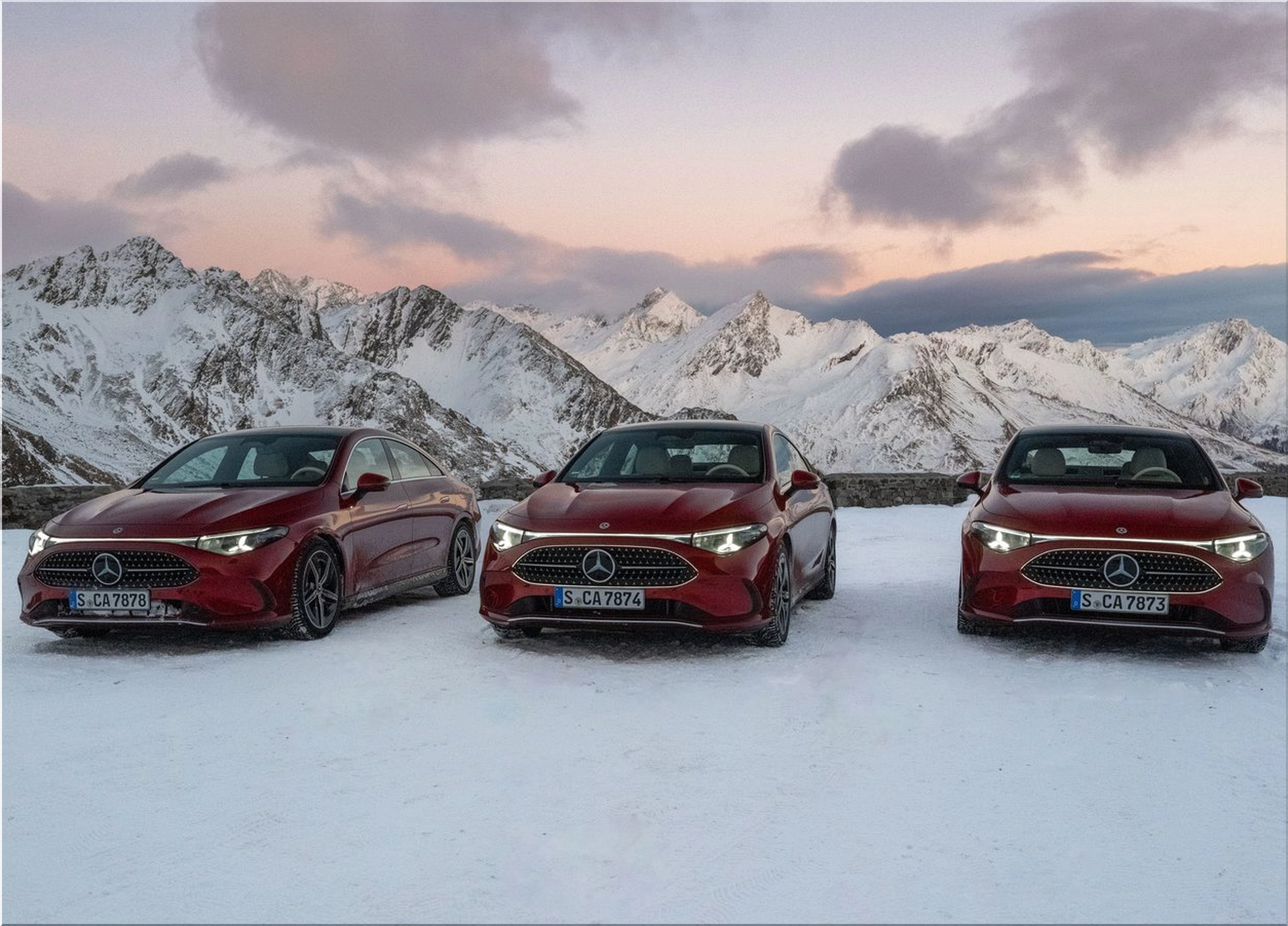
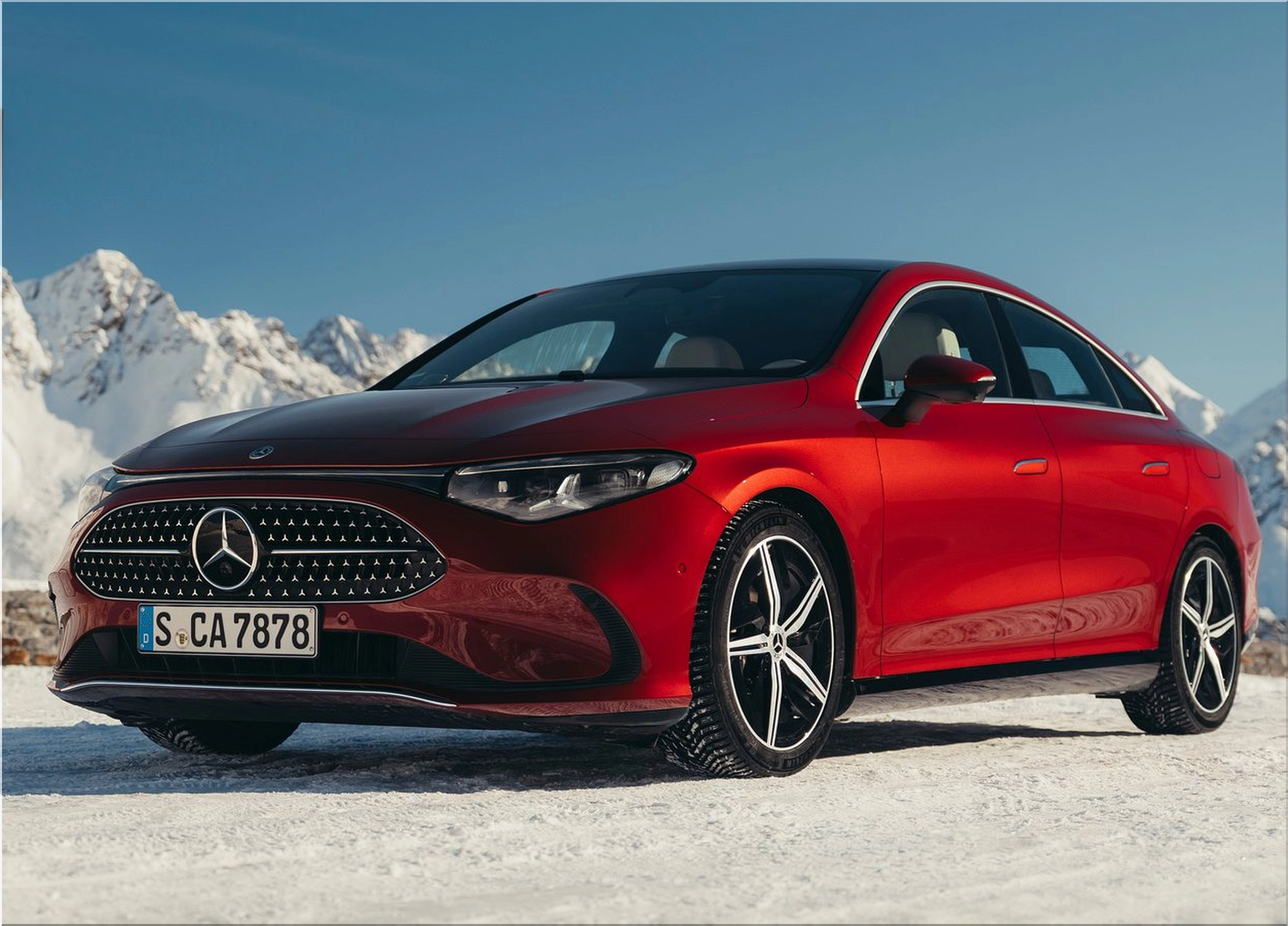
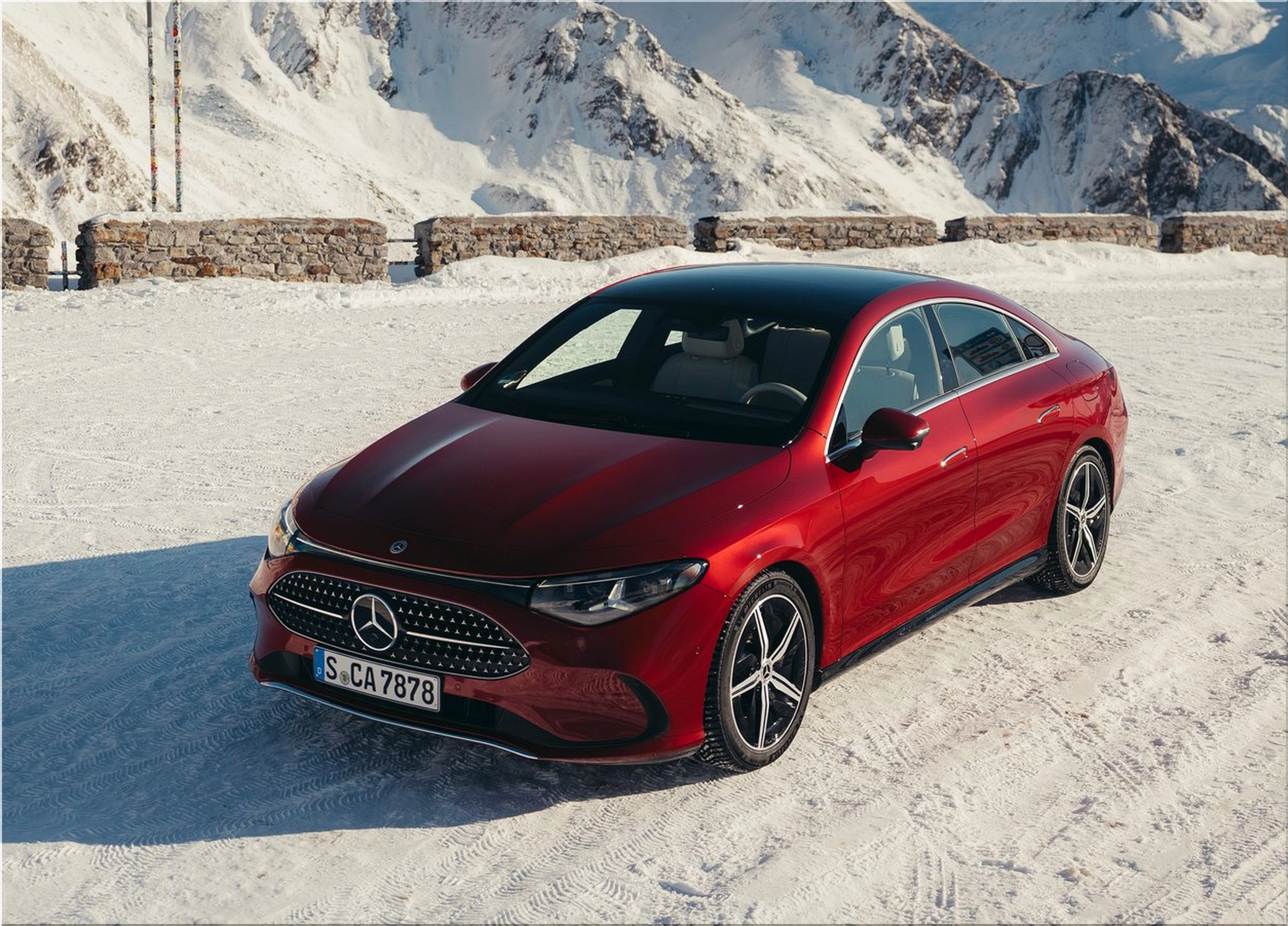
The CLA Hybrid closely mirrors the electric CLA in exterior design. Mercedes limits visual separation to simplify production and reinforce a consistent brand identity.
Exterior updates include:
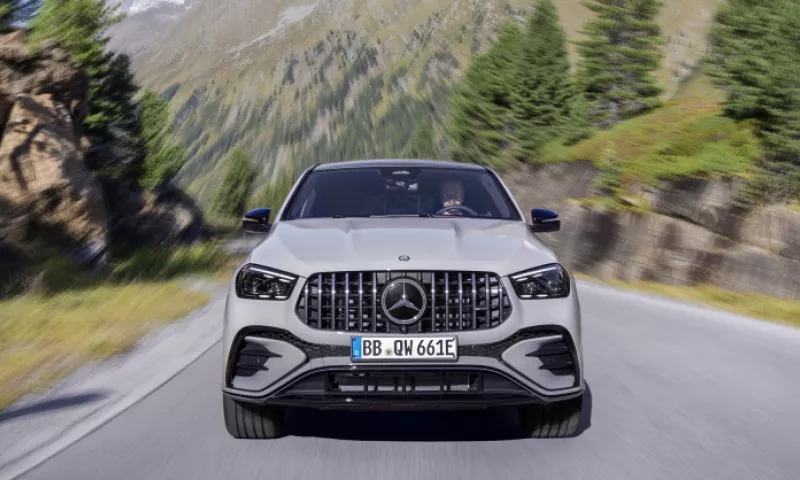
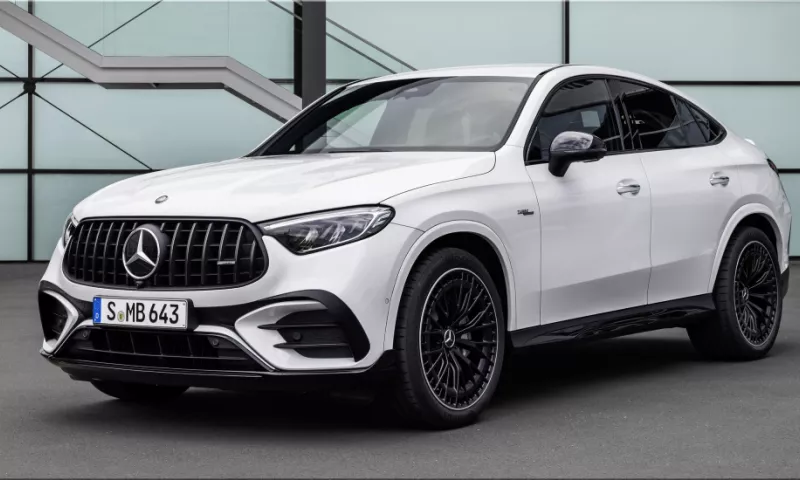
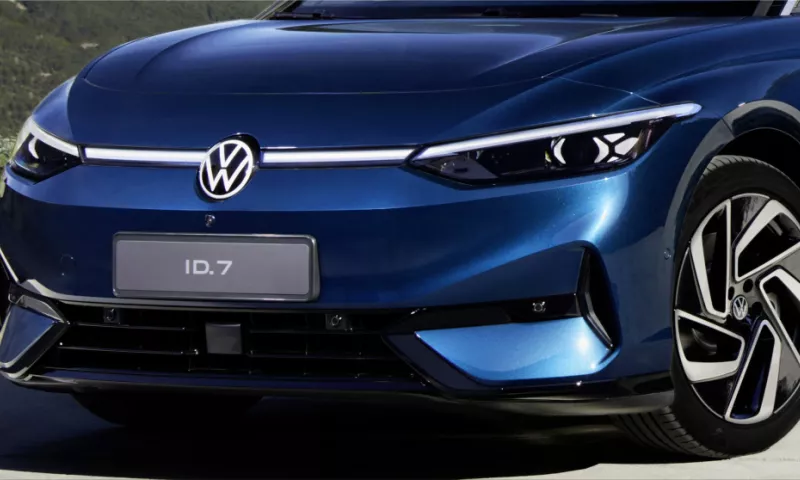
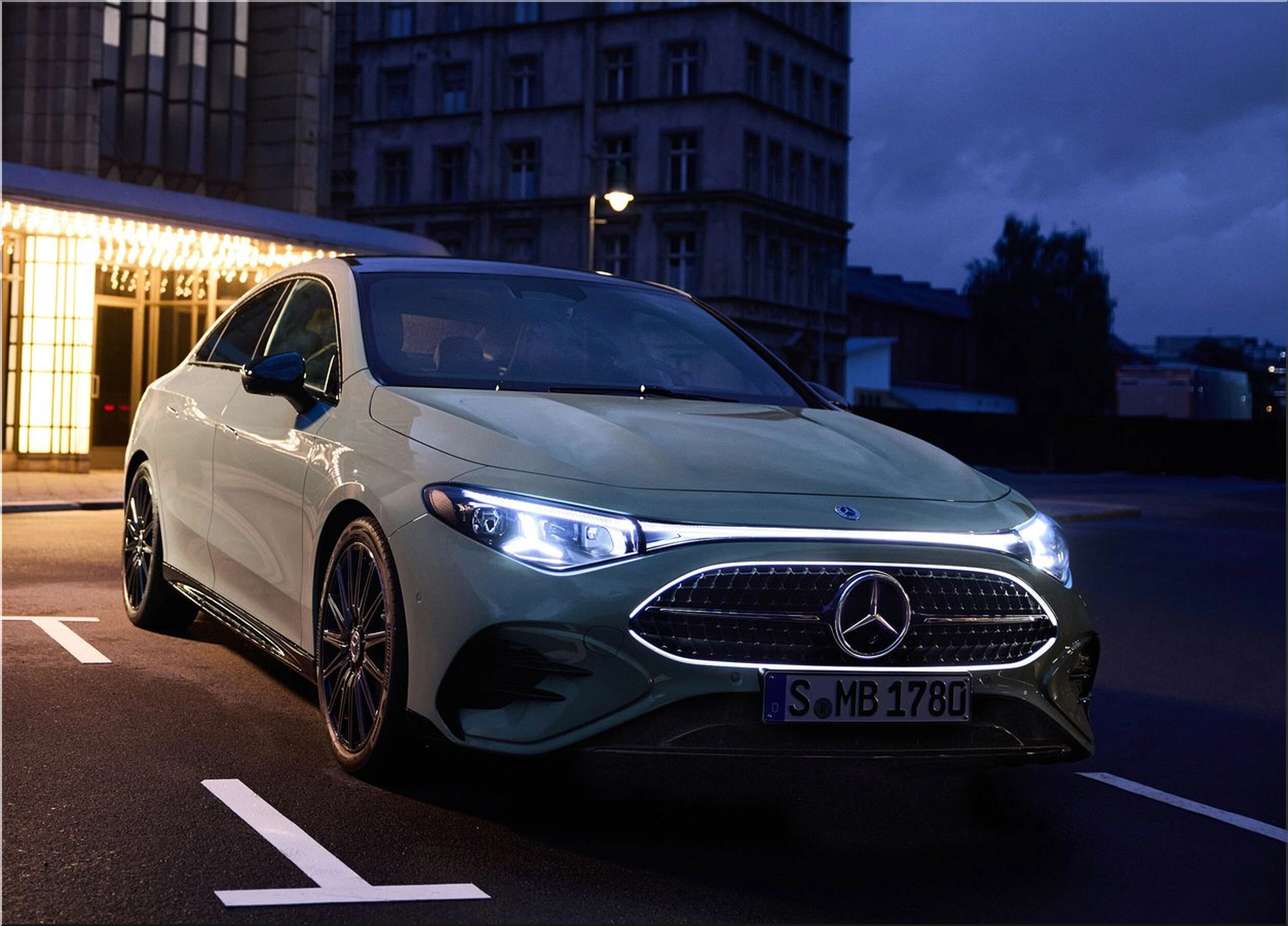
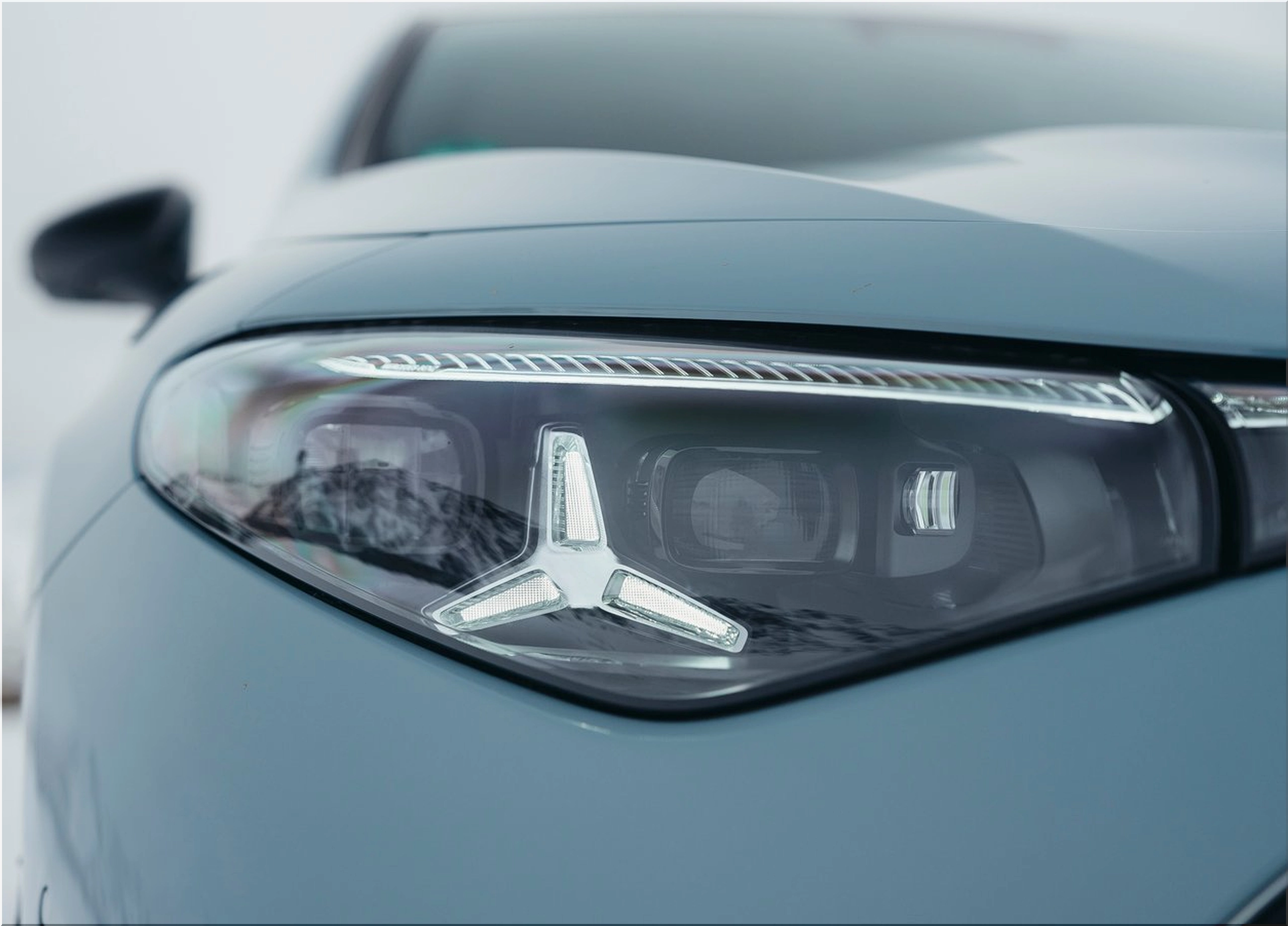
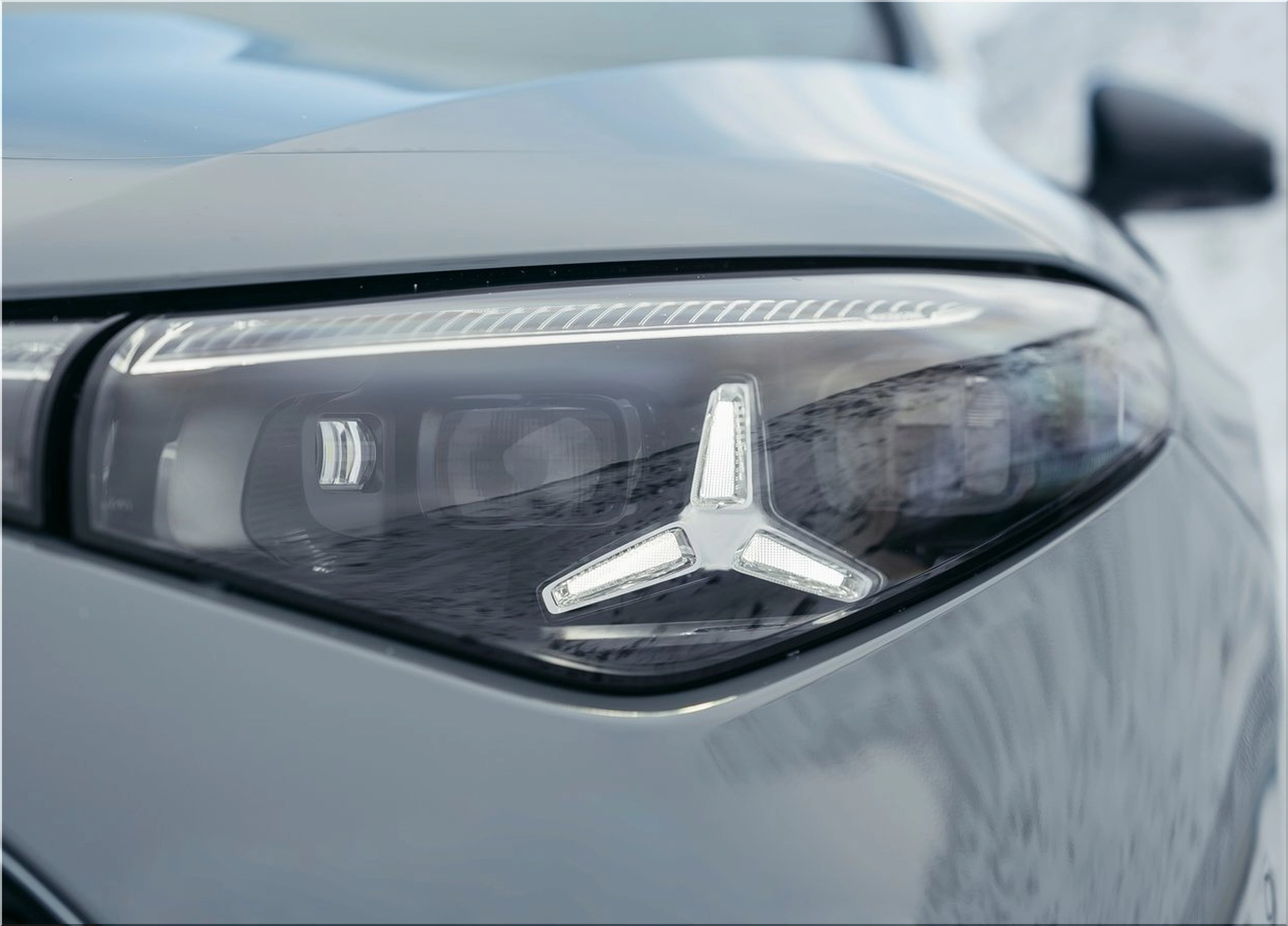
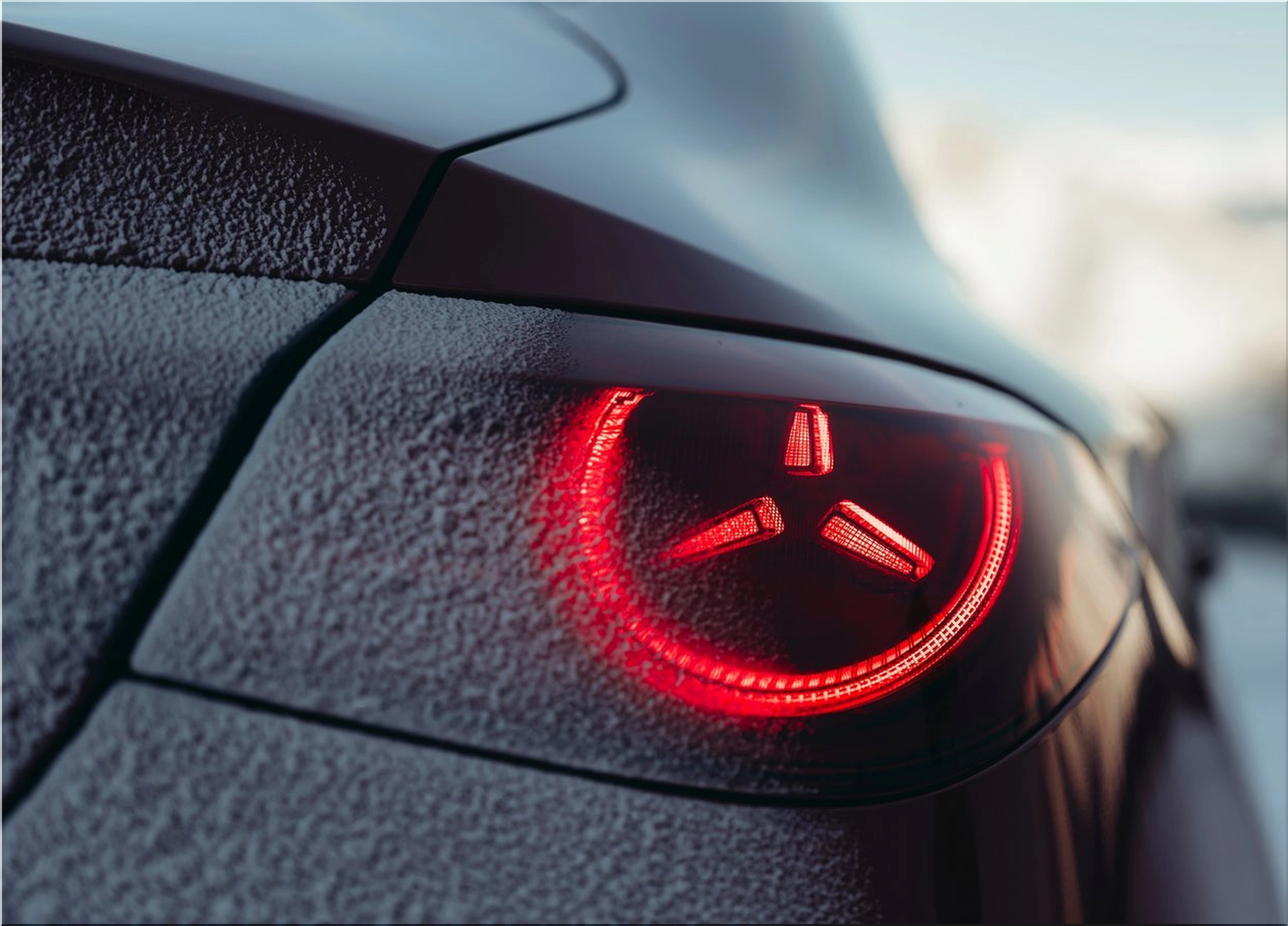
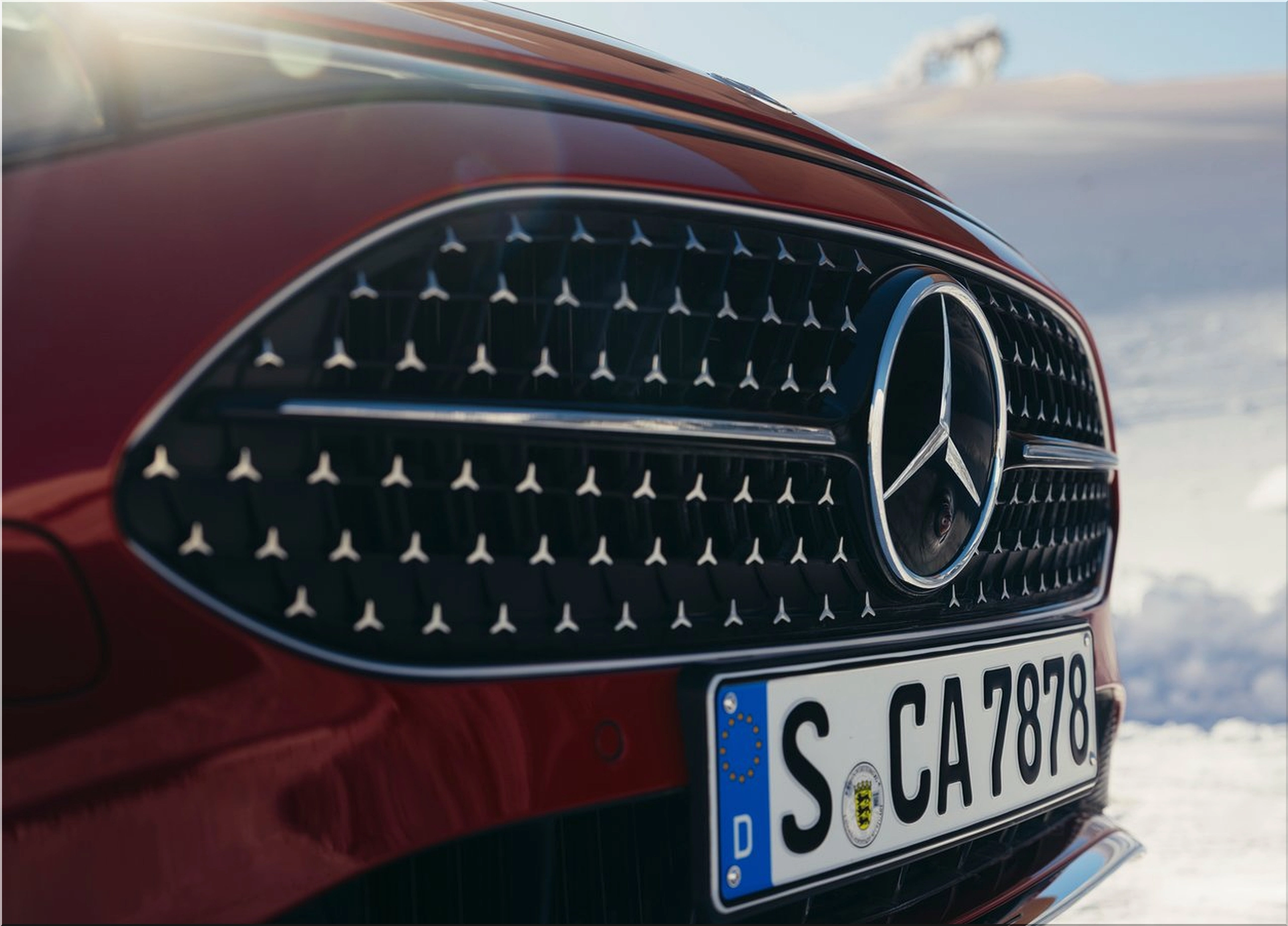
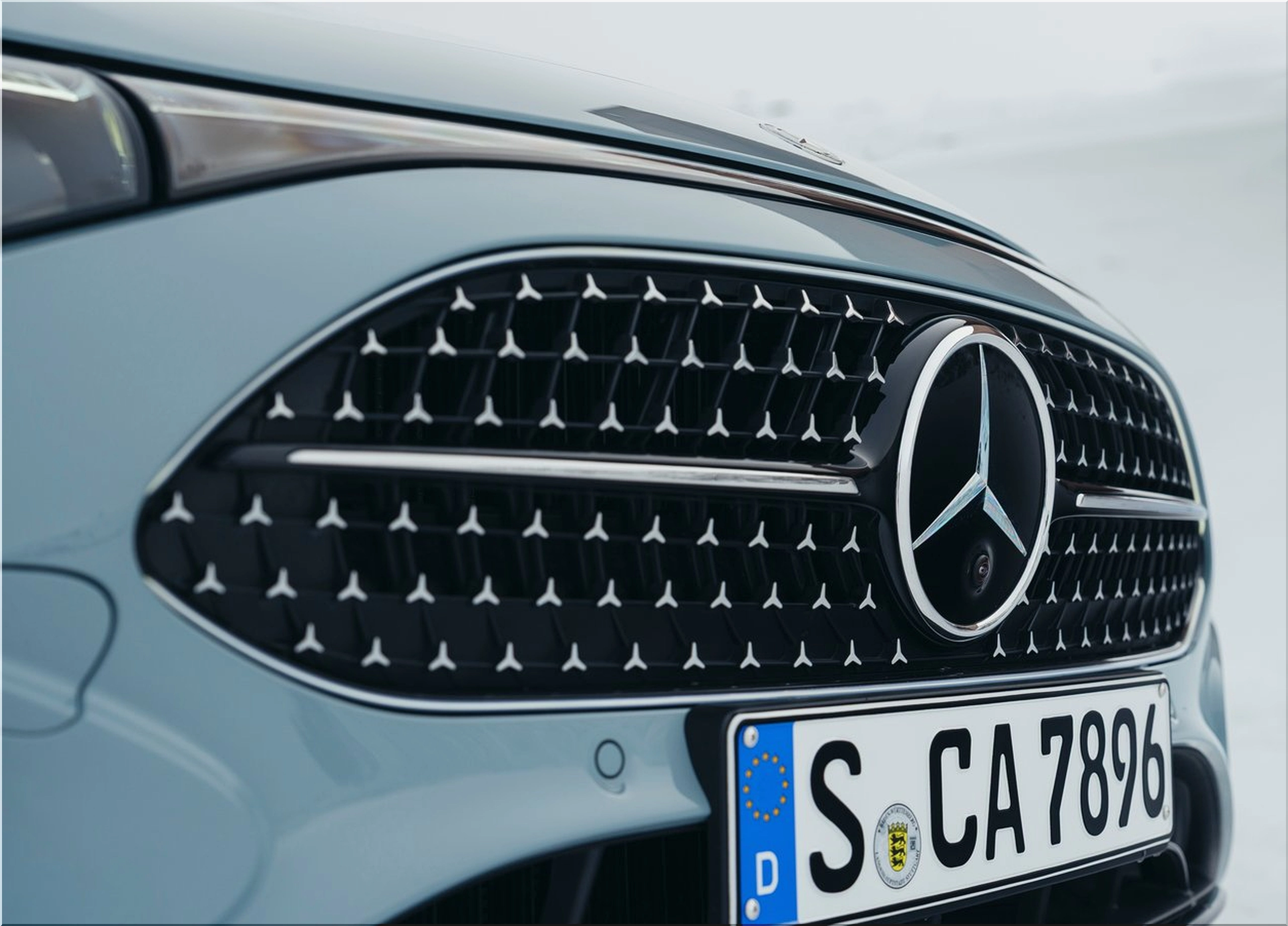
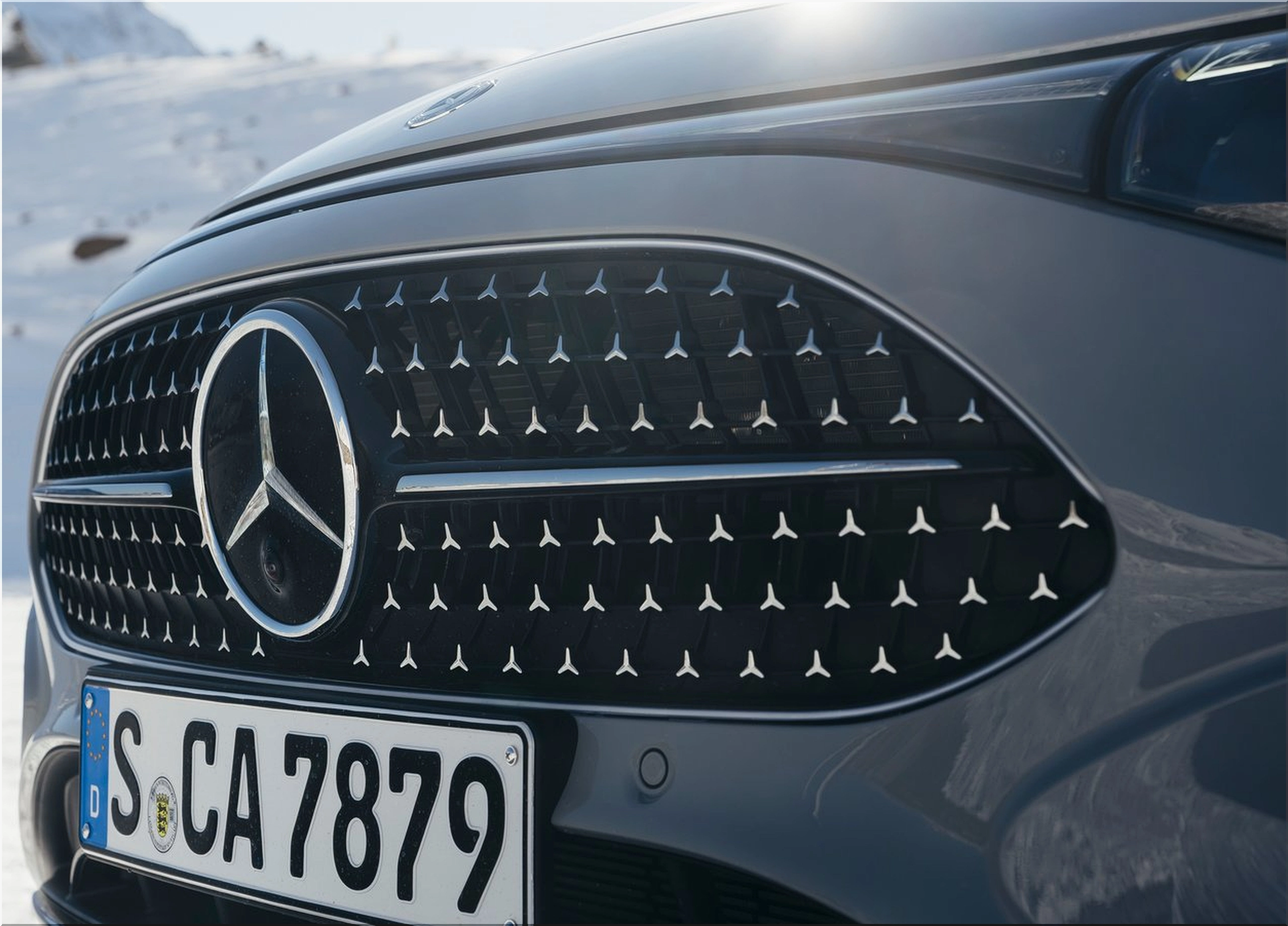
- Illuminated grille outline with star-themed elements
- LED headlights connected by a light band
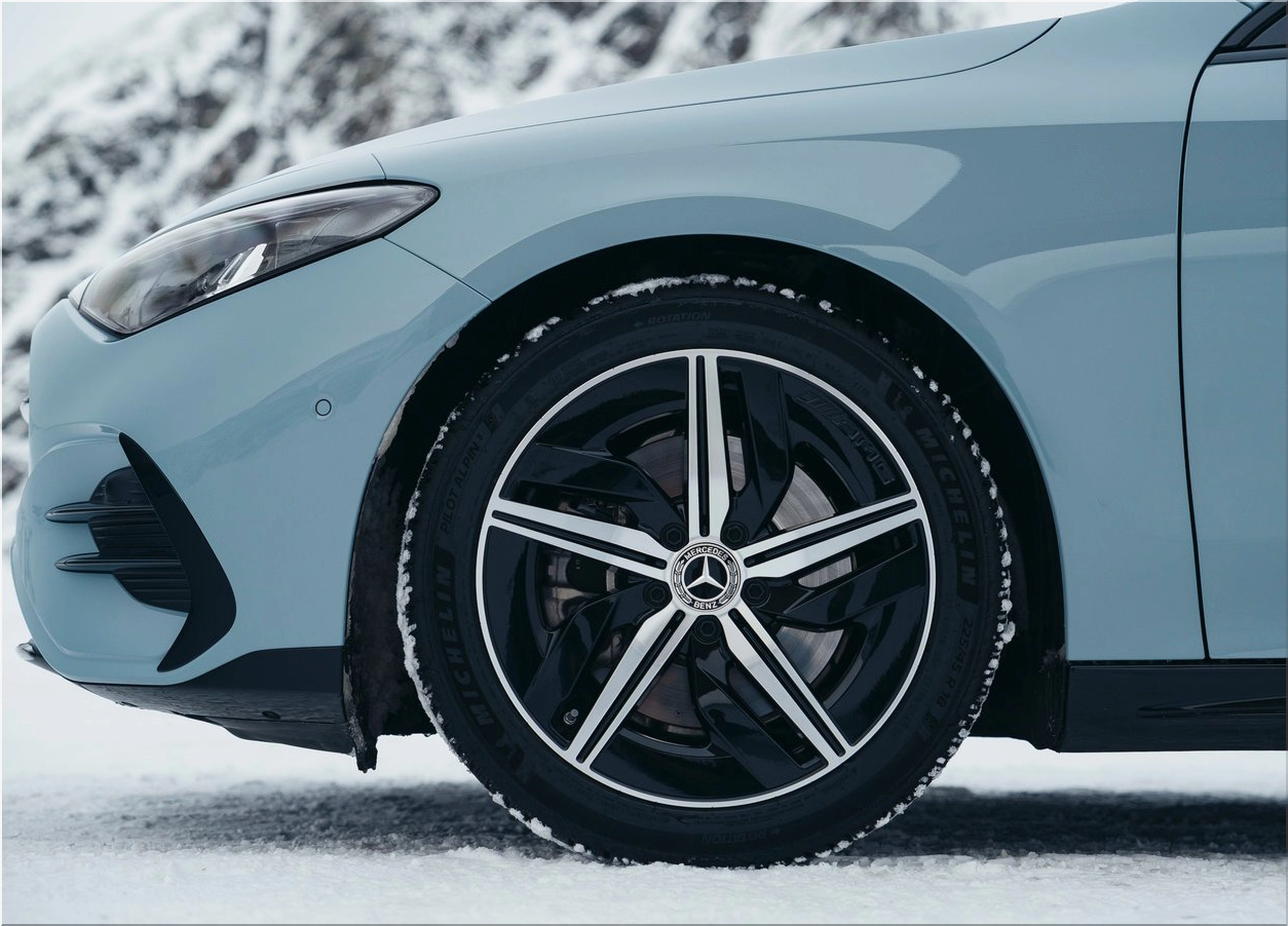
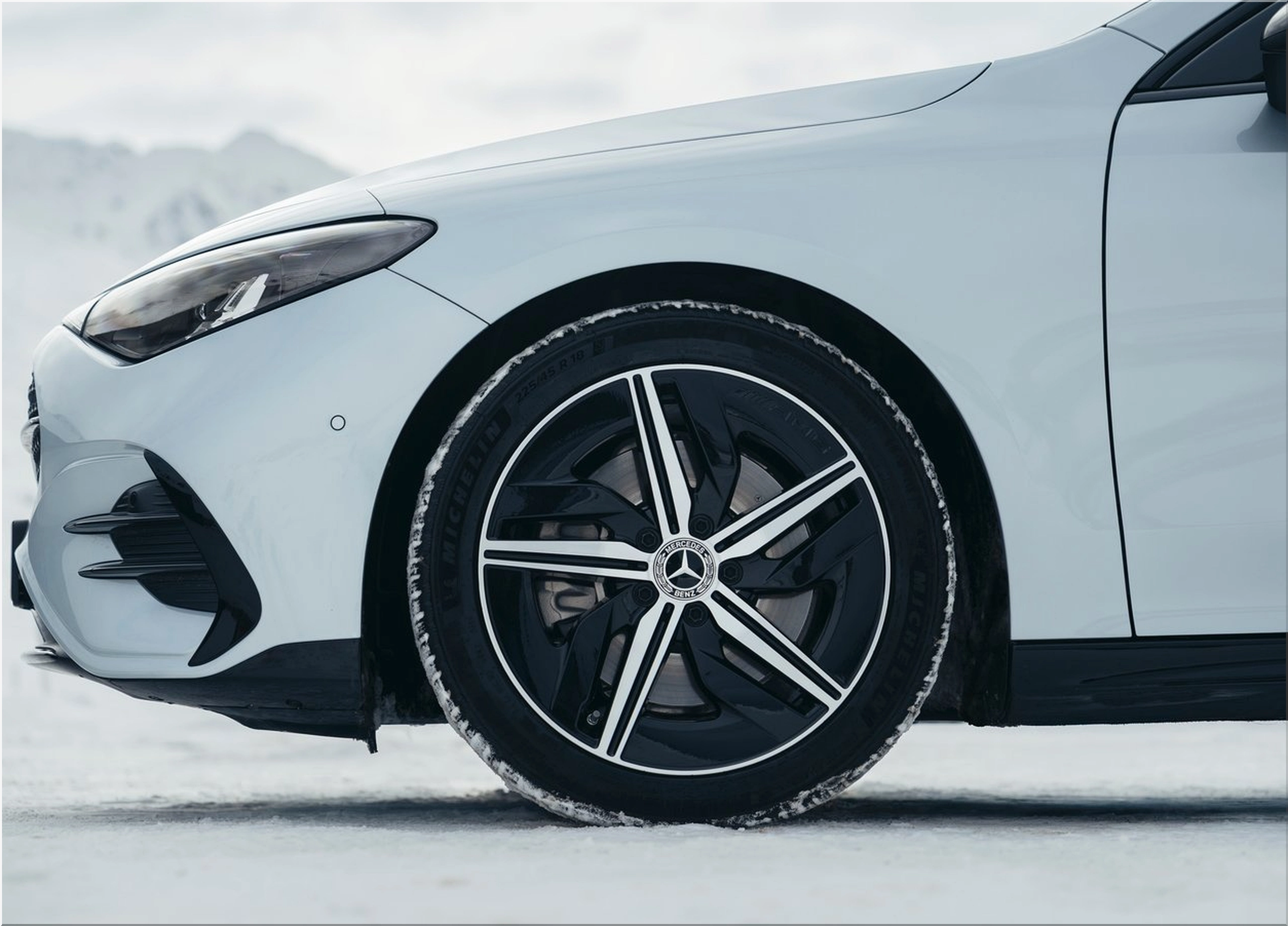
- Reduced front openings to improve aerodynamics
This approach improves drag efficiency while signaling modernity. Buyers get a current design without committing to full electrification.
Interior Technology: Software as the Value Driver
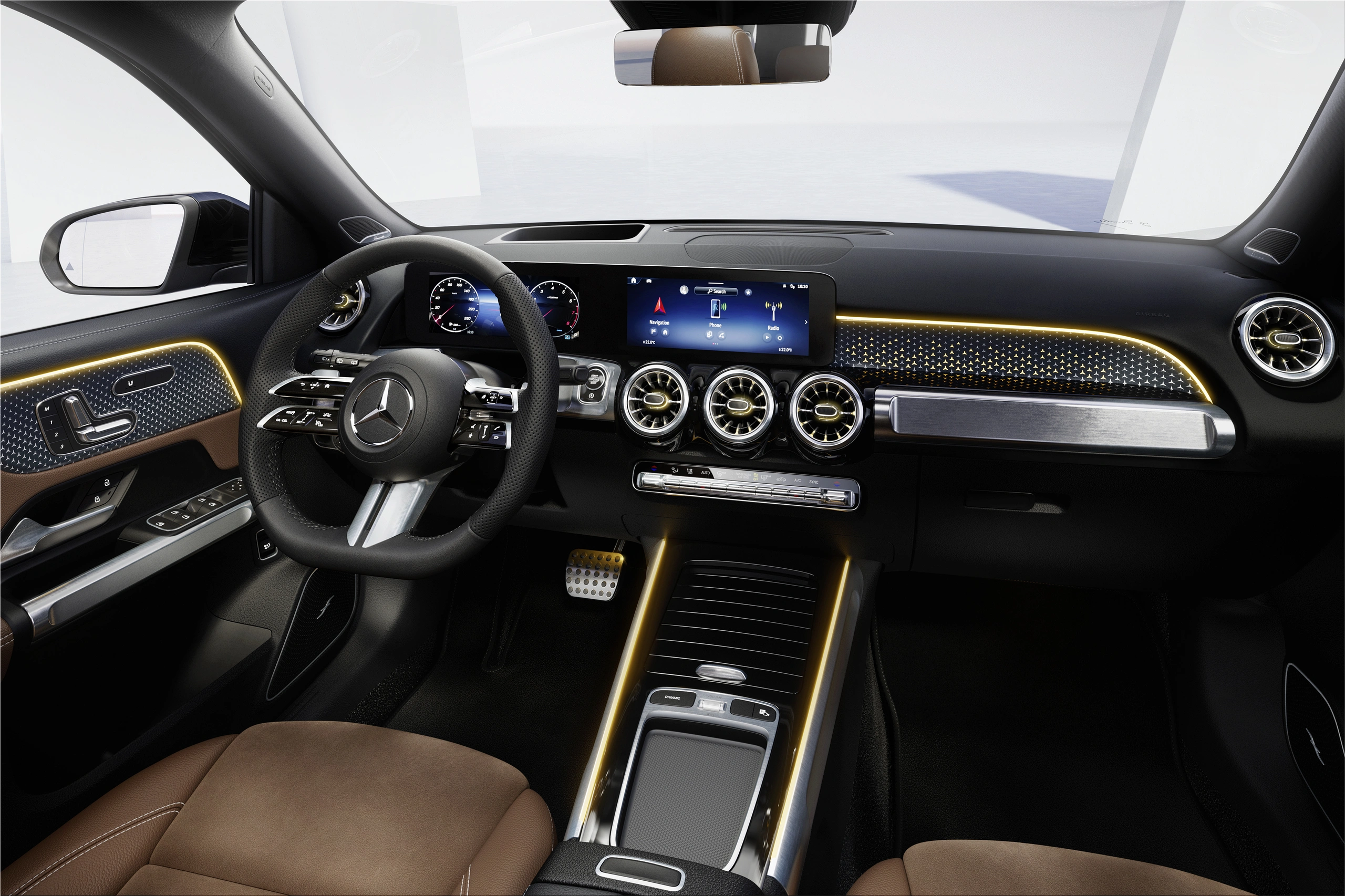
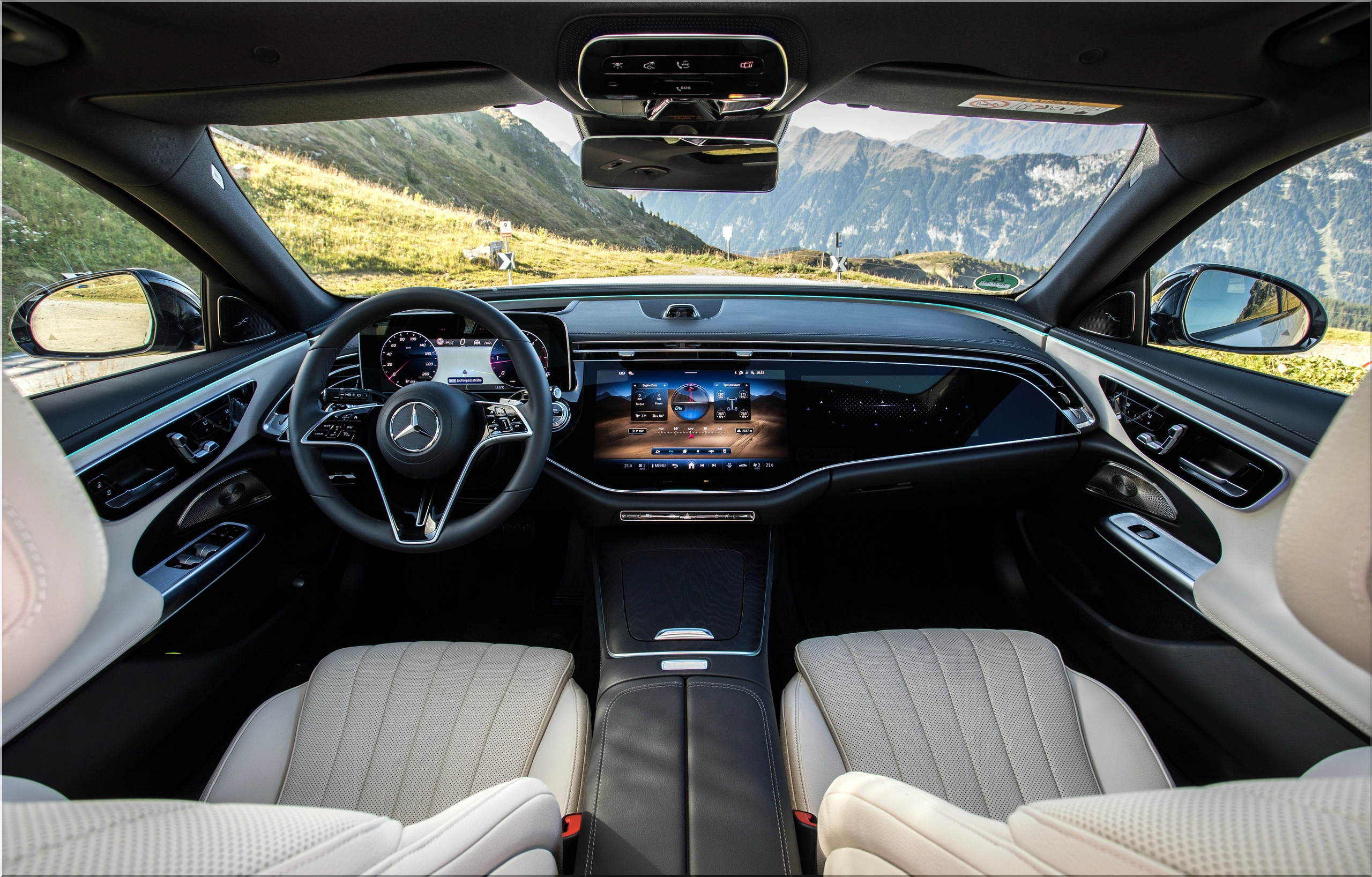
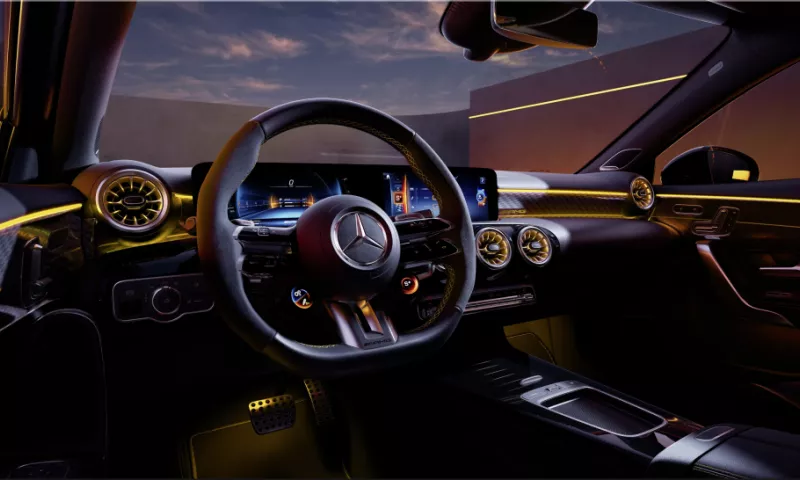
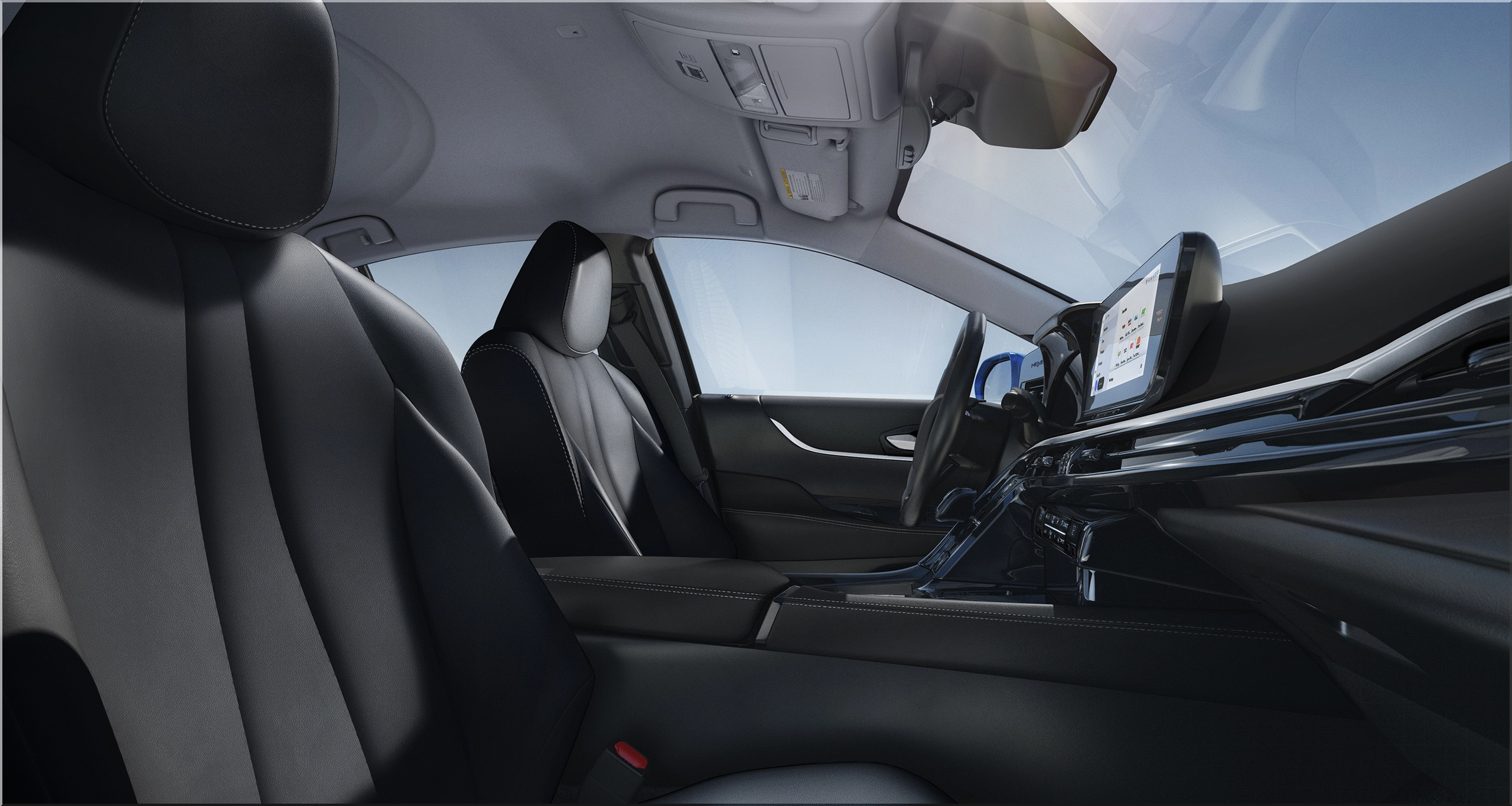
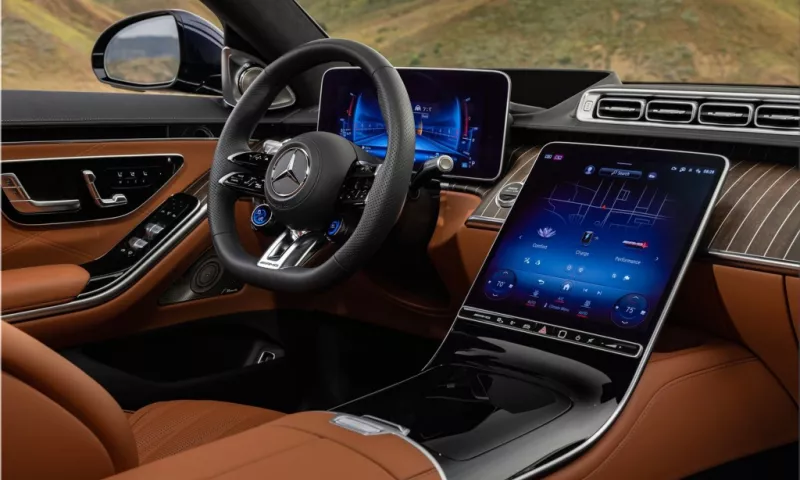
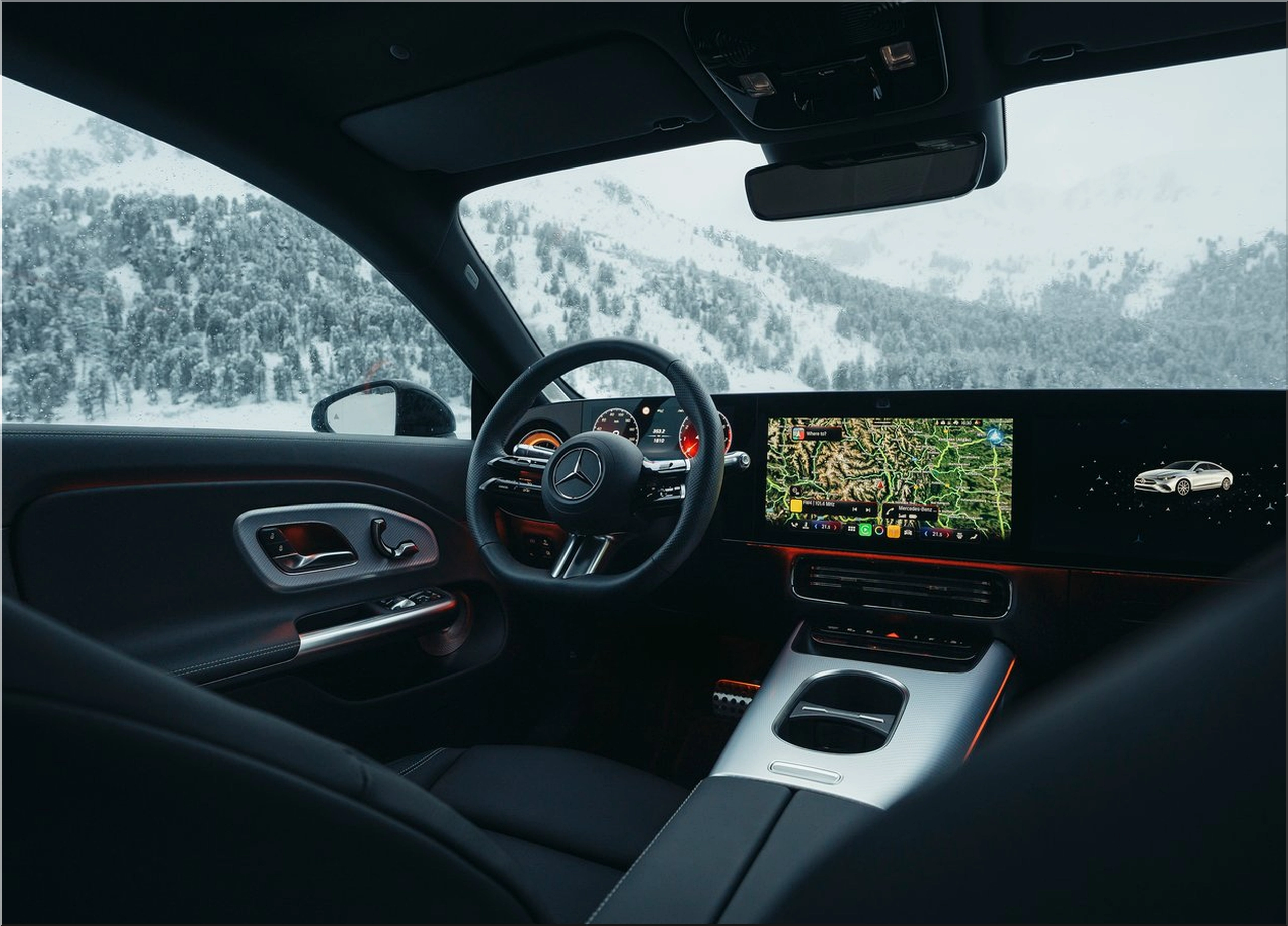
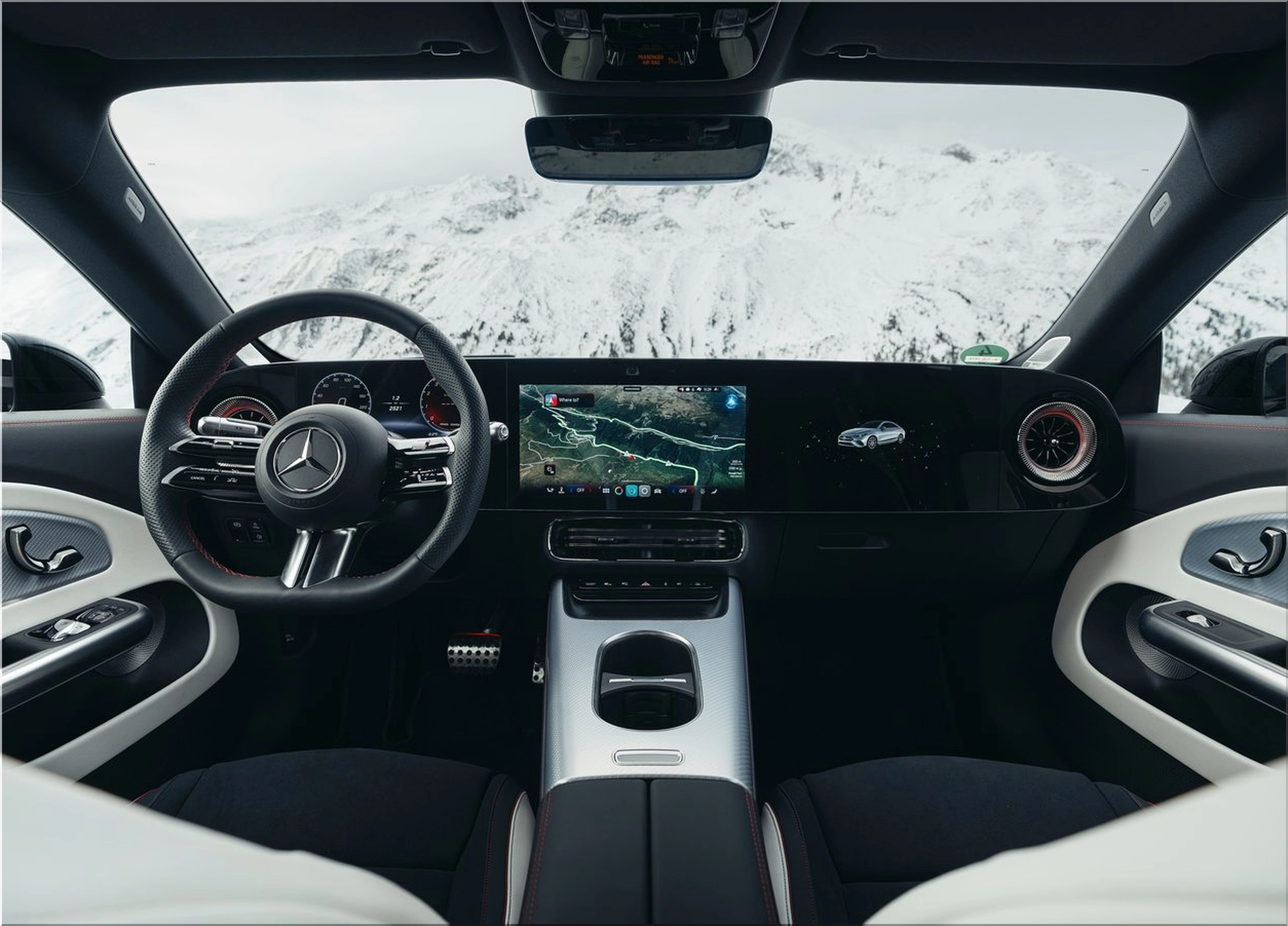
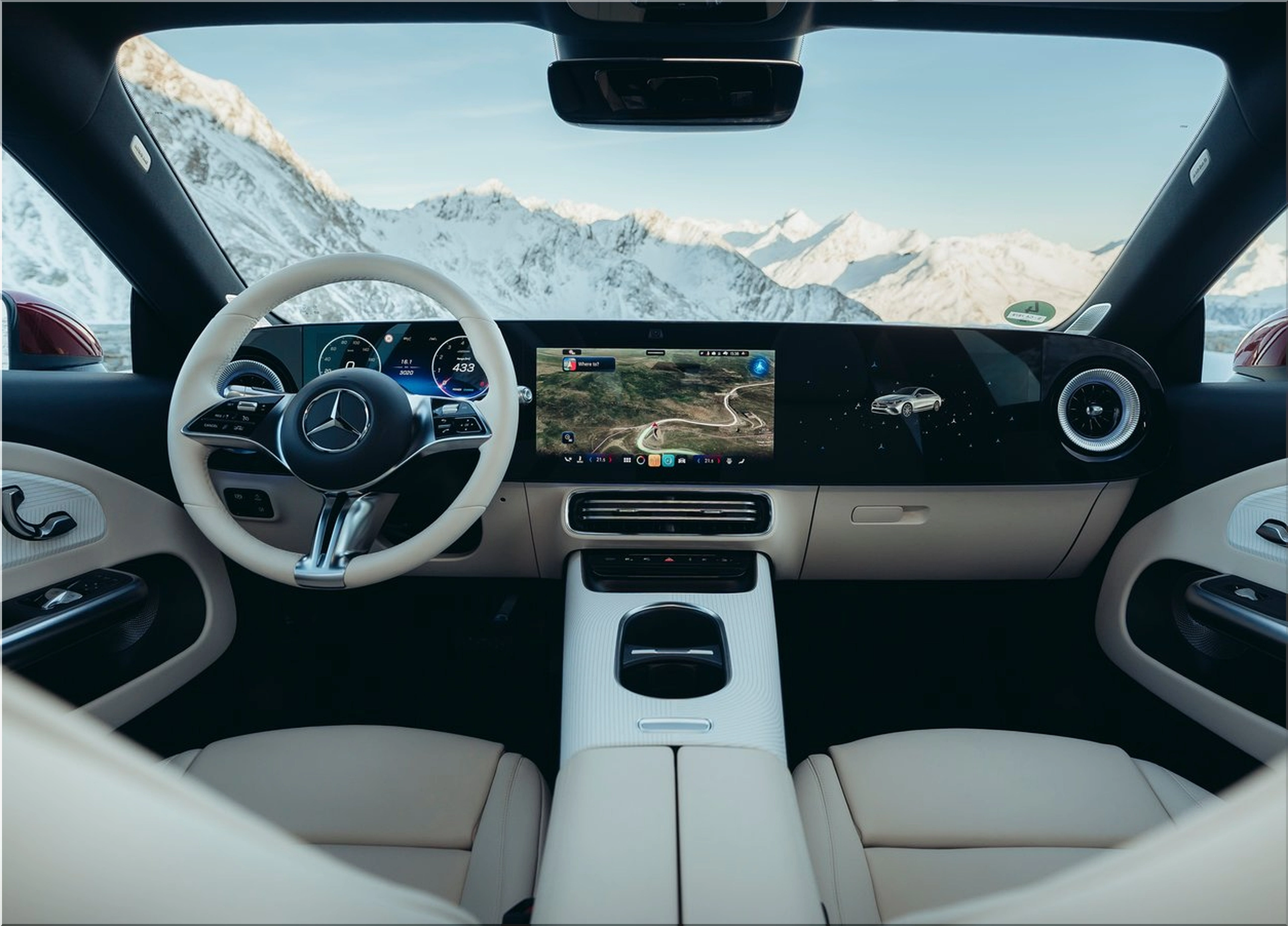
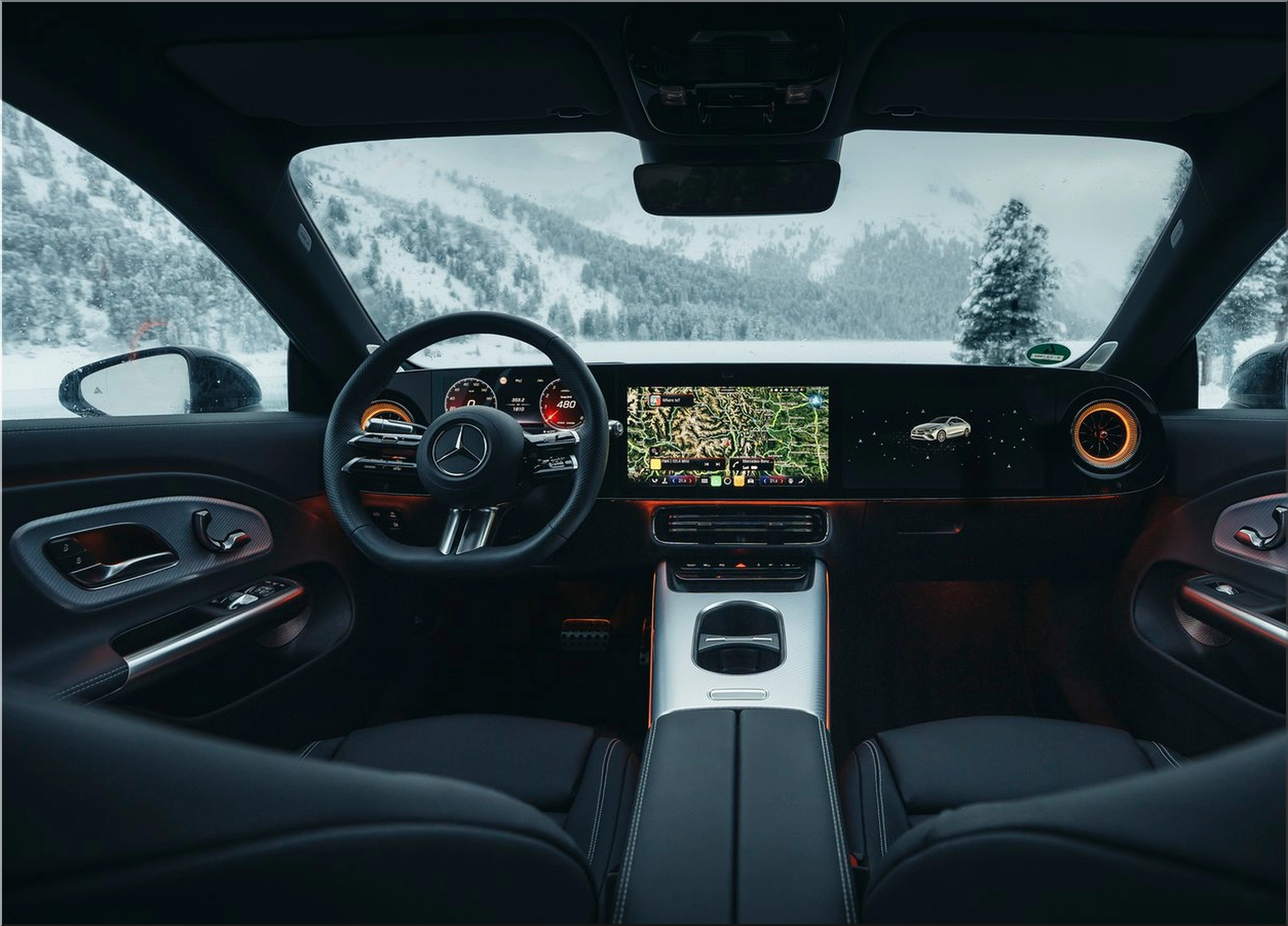
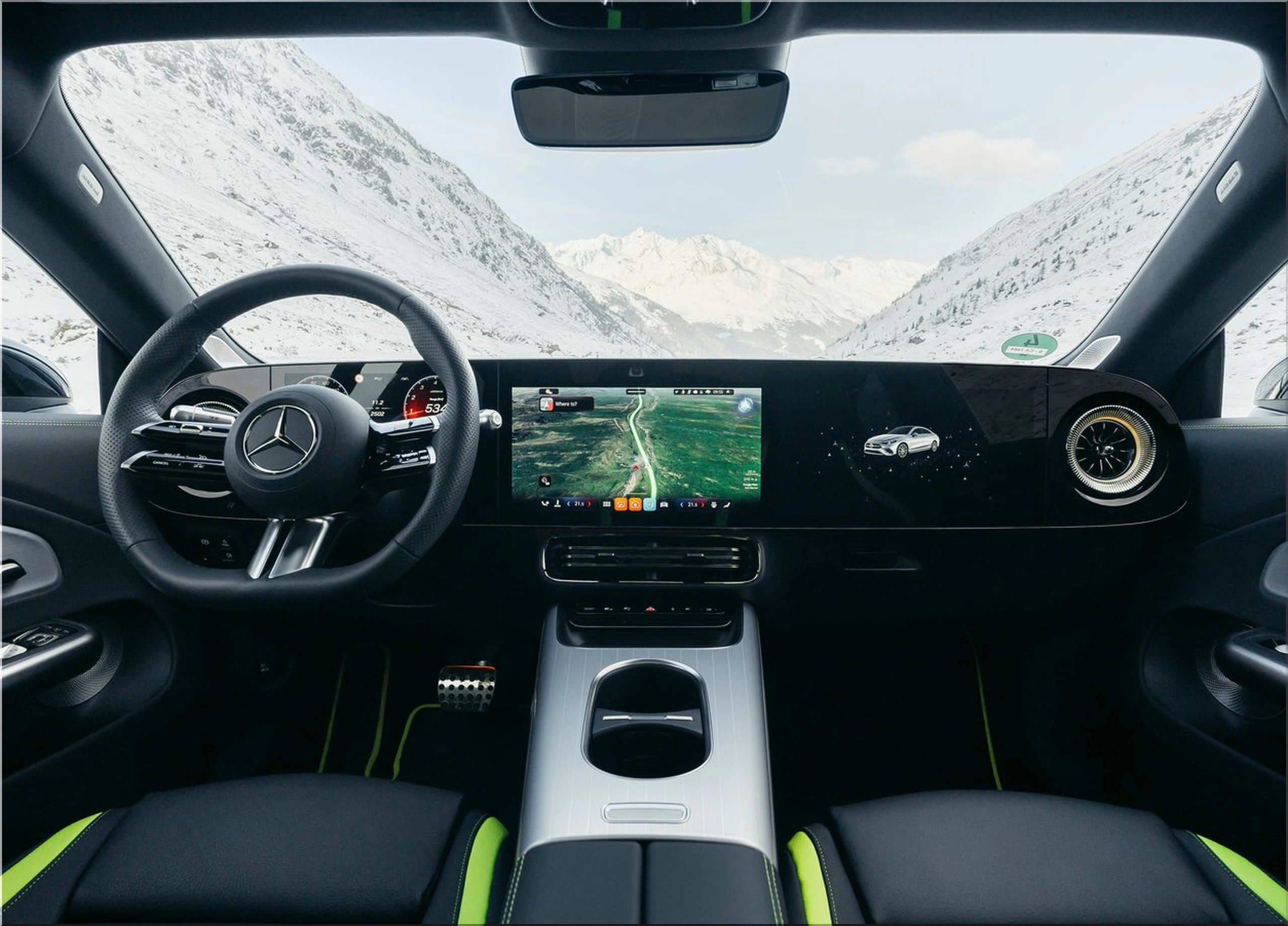
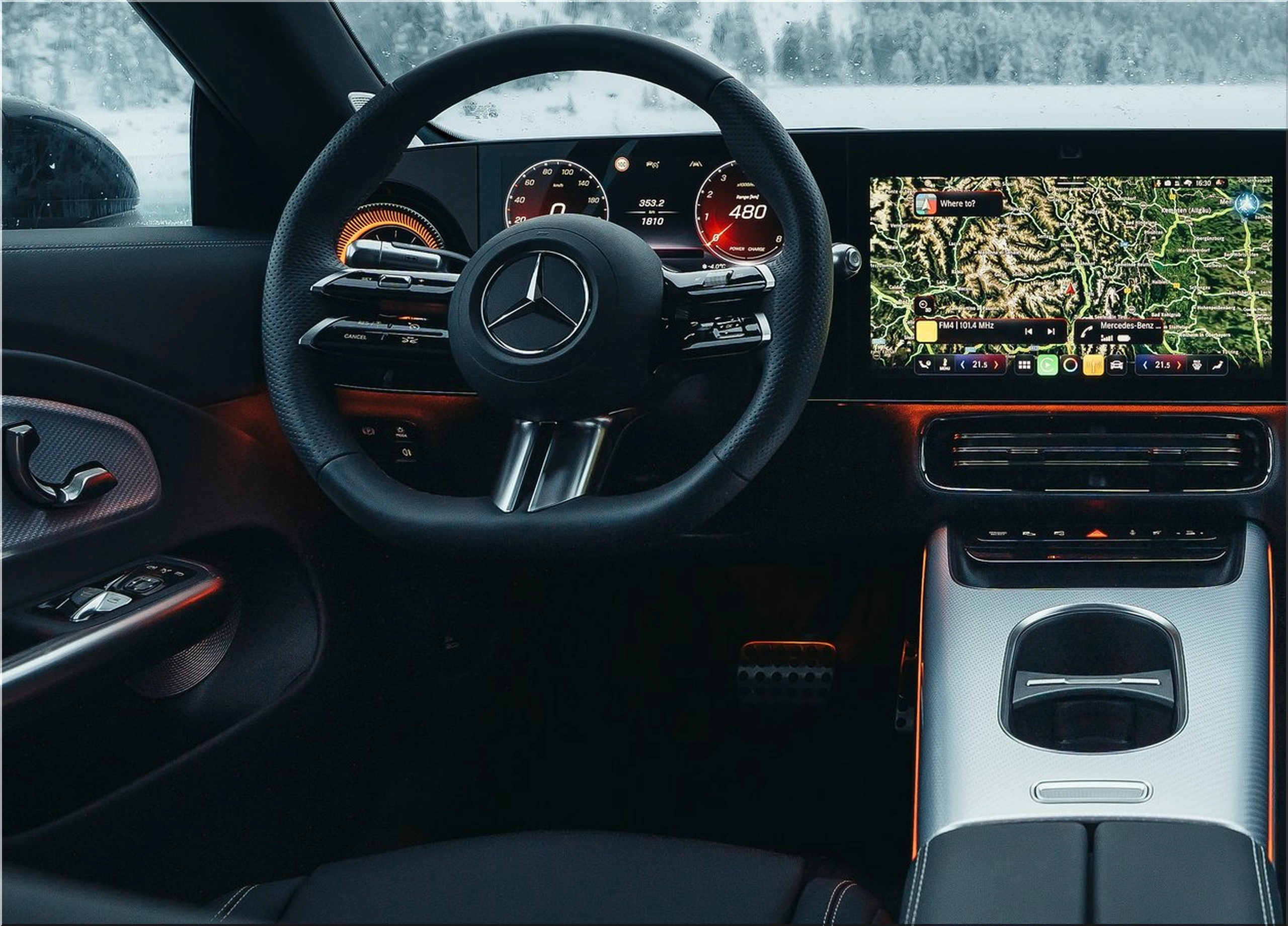
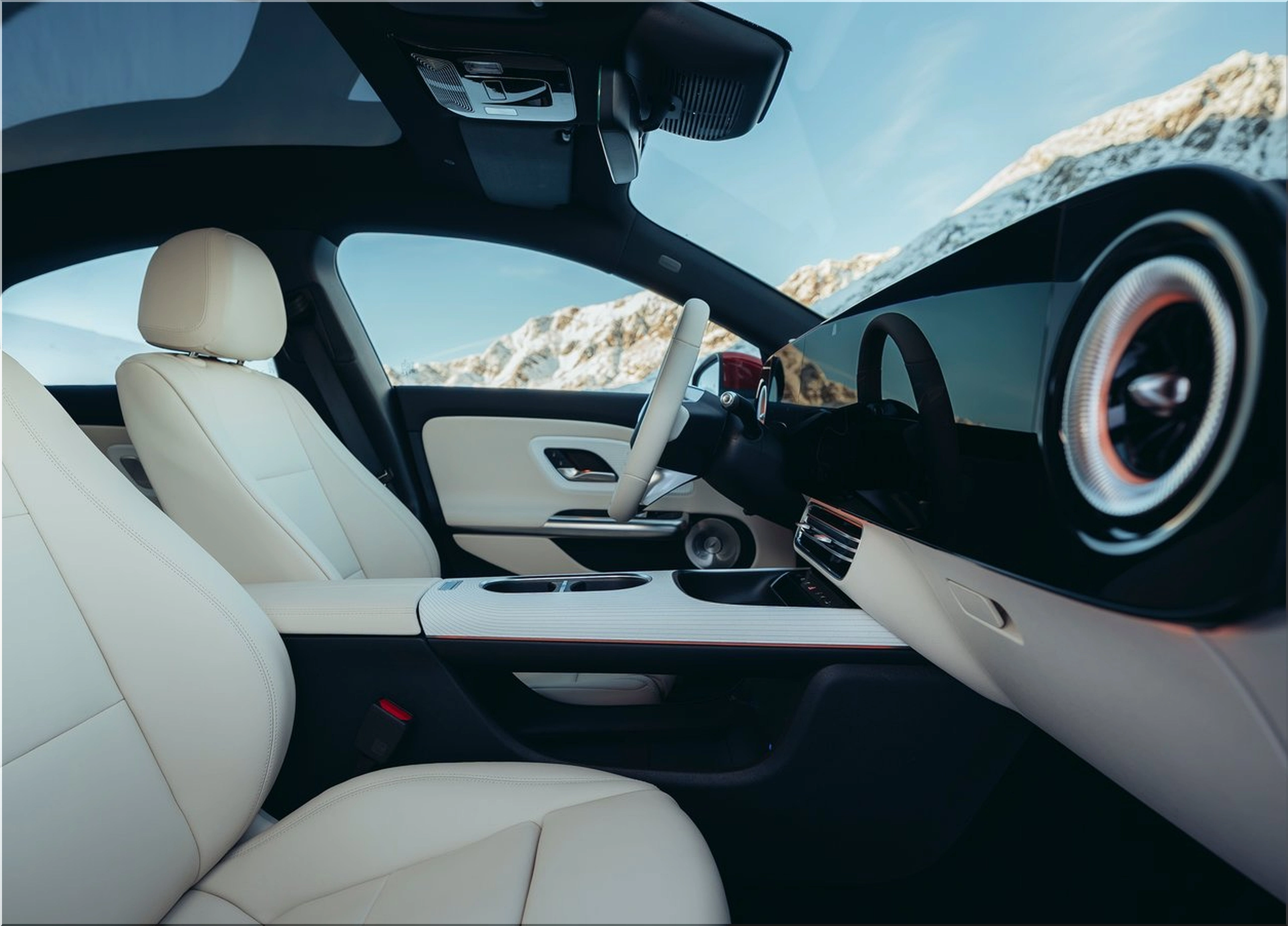
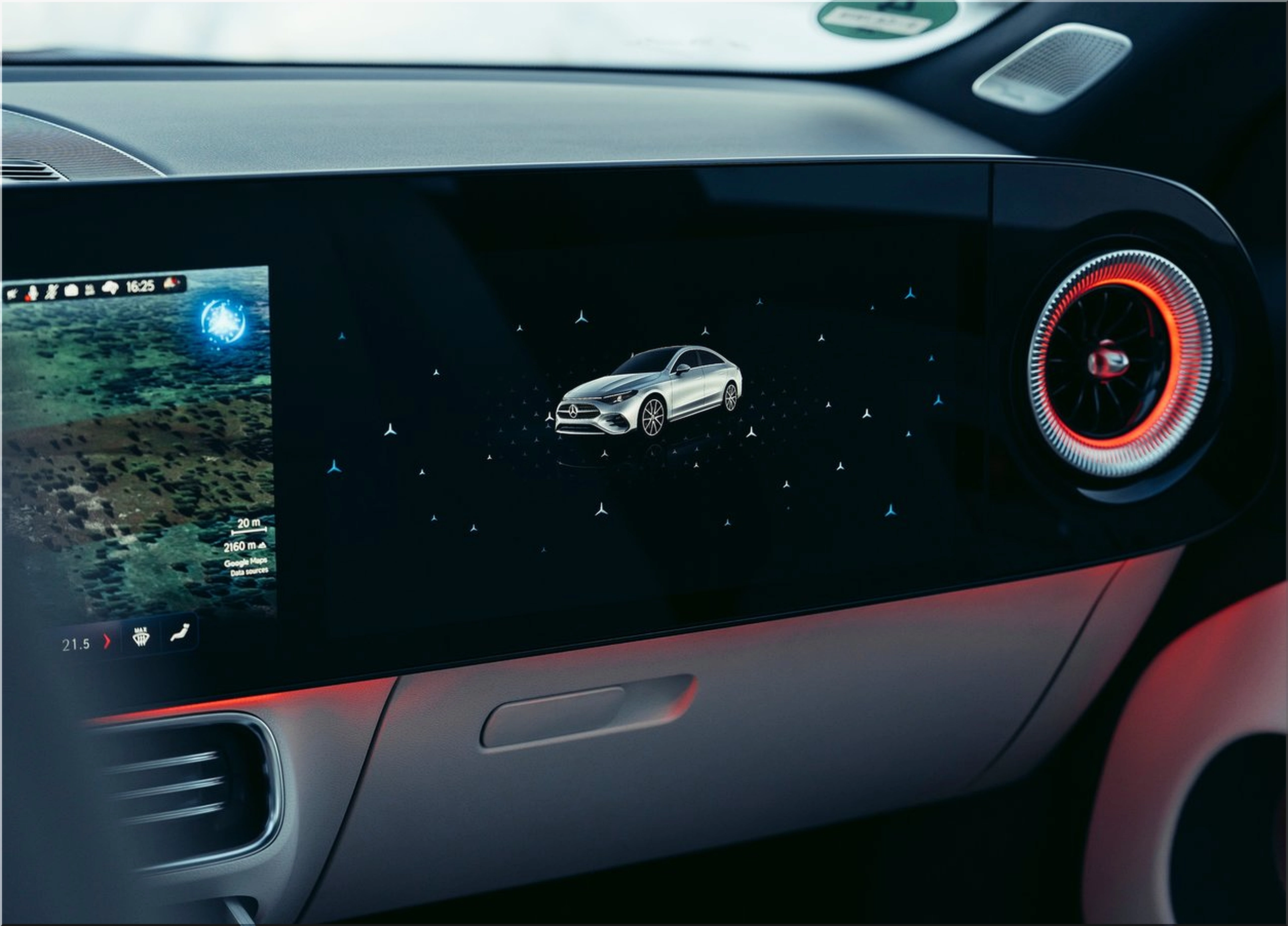
Mercedes treats software as a core value driver in the CLA Hybrid. The fourth-generation MBUX system defines much of the ownership experience and relies on high-performance processors to stay responsive over time.
Screen Layout and Hardware
The digital layout includes:
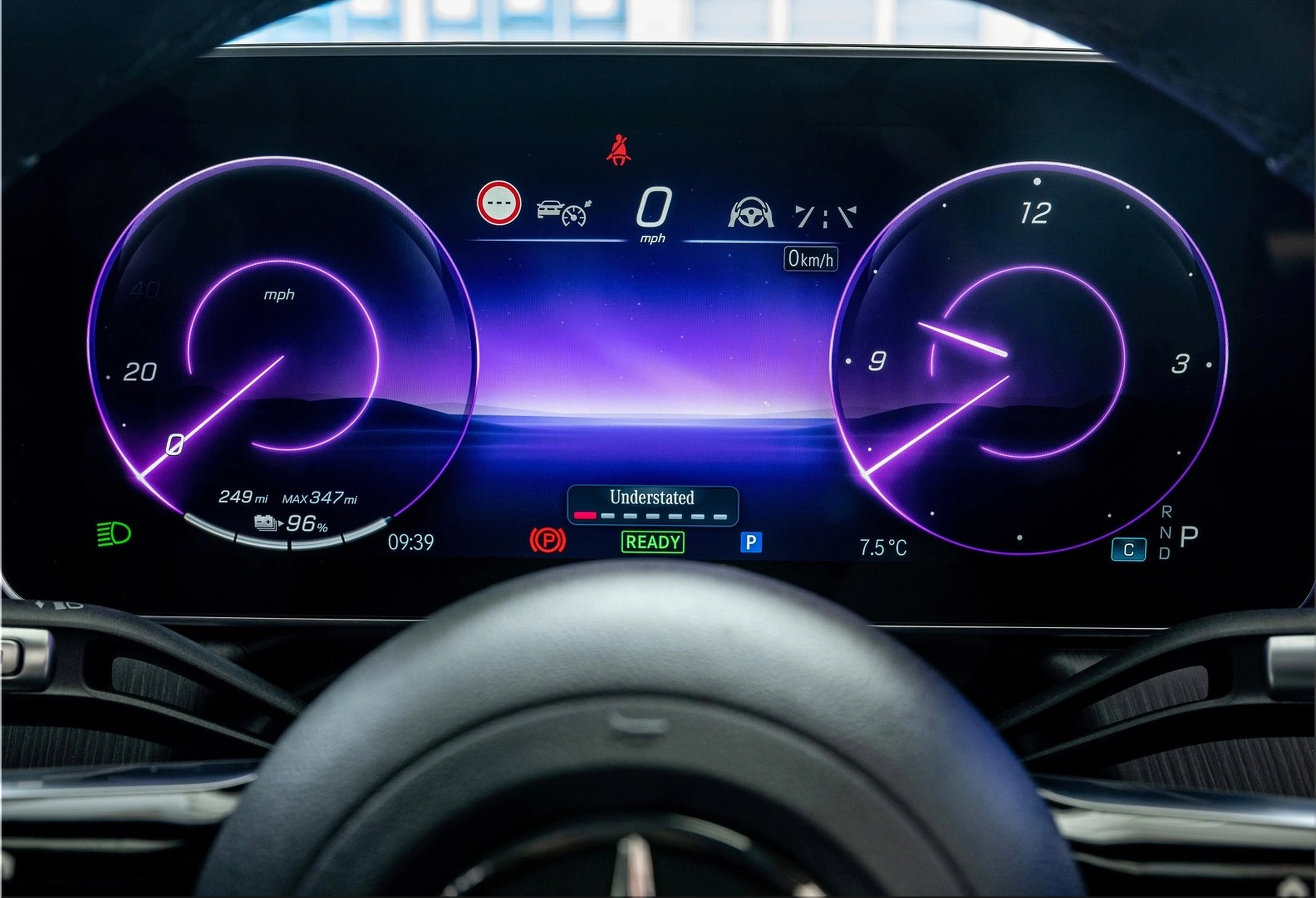
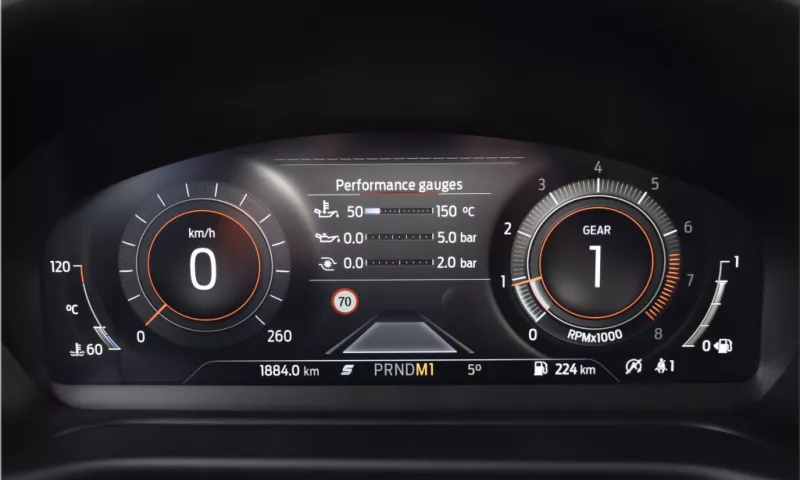
- 10.25-inch driver display
- 14-inch central touchscreen
- Optional 14-inch passenger display
All screens render real-time graphics with minimal latency. This matters for perceived quality and long-term satisfaction as vehicles age.
AI-Driven User Experience
MBUX integrates cloud-based AI tools that interpret natural speech patterns. Drivers issue commands without learning rigid phrasing. The system manages navigation, climate, and media with fewer steps.
Navigation uses Google Maps data for:
- Live traffic routing
- Lane-level guidance
- Predictive rerouting
Visual overlays show how driver assistance systems interpret the road, increasing trust and situational awareness.
Driver Assistance: Reducing Cognitive Load
The 2026 Mercedes-Benz CLA Hybrid includes a wide range of driver assistance systems designed to reduce fatigue rather than replace the driver.
Standard features typically include:
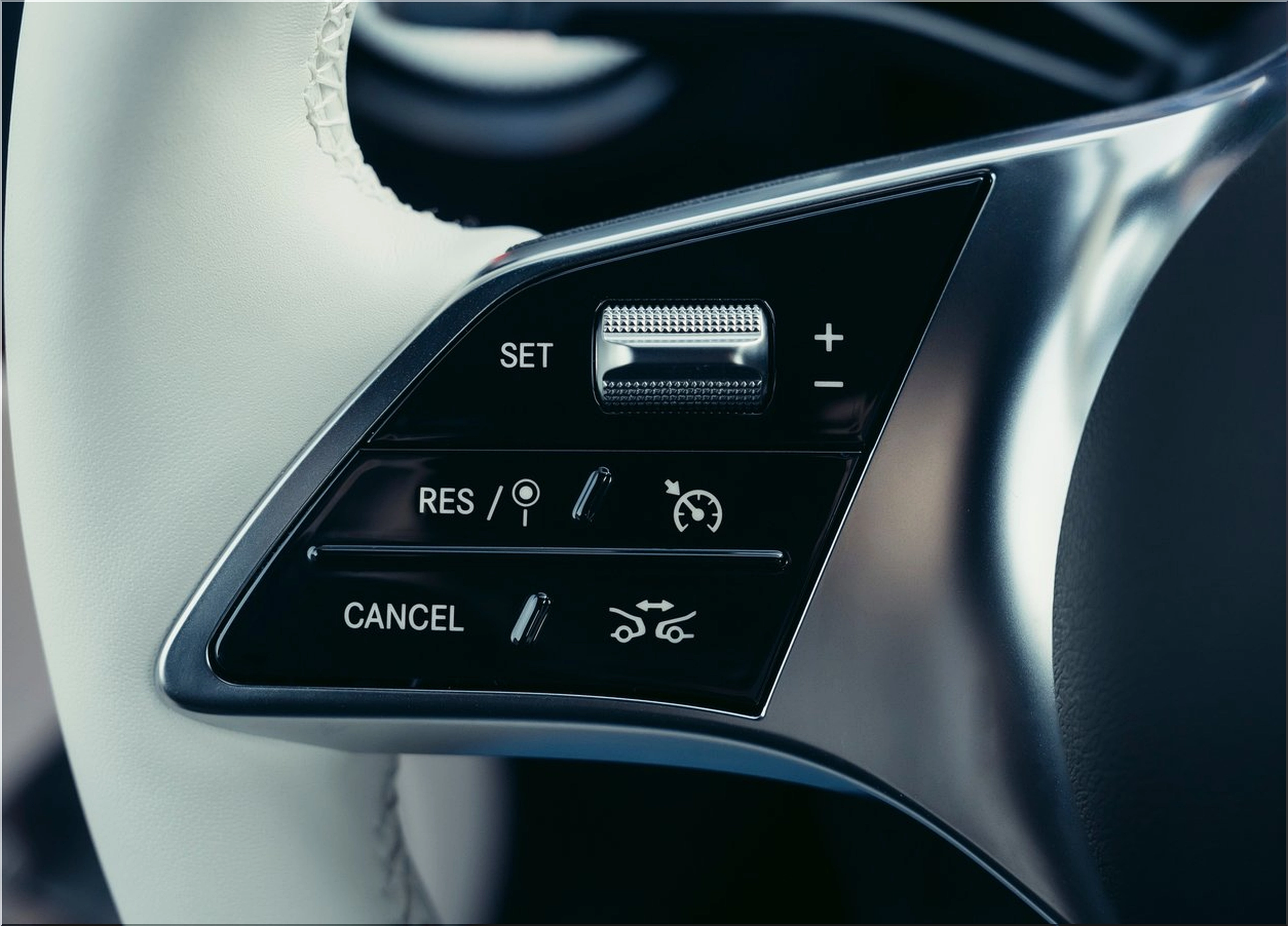
- Adaptive cruise control with distance management
- Lane Keeping Assist for highway use
- Active Brake Assist for collision mitigation
- Blind Spot Monitoring during lane changes
Optional systems allow assisted lane changes with a simple indicator input. This reduces mental effort while preserving driver authority.
Image
Cabin Comfort and Materials
Mercedes balances durability and perceived quality inside the CLA Hybrid. The focus stays on materials that withstand long ownership cycles.
Common interior elements include:
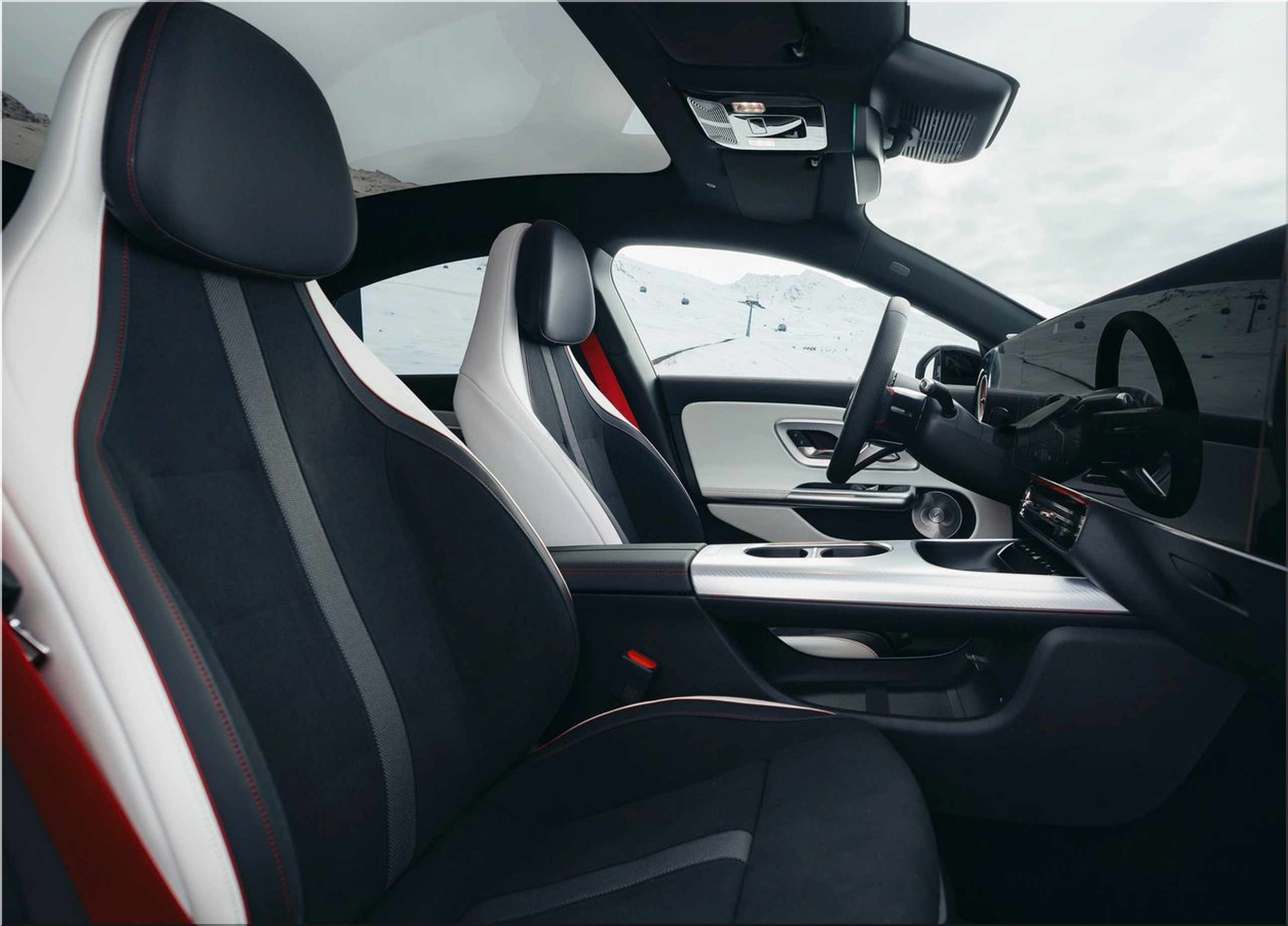
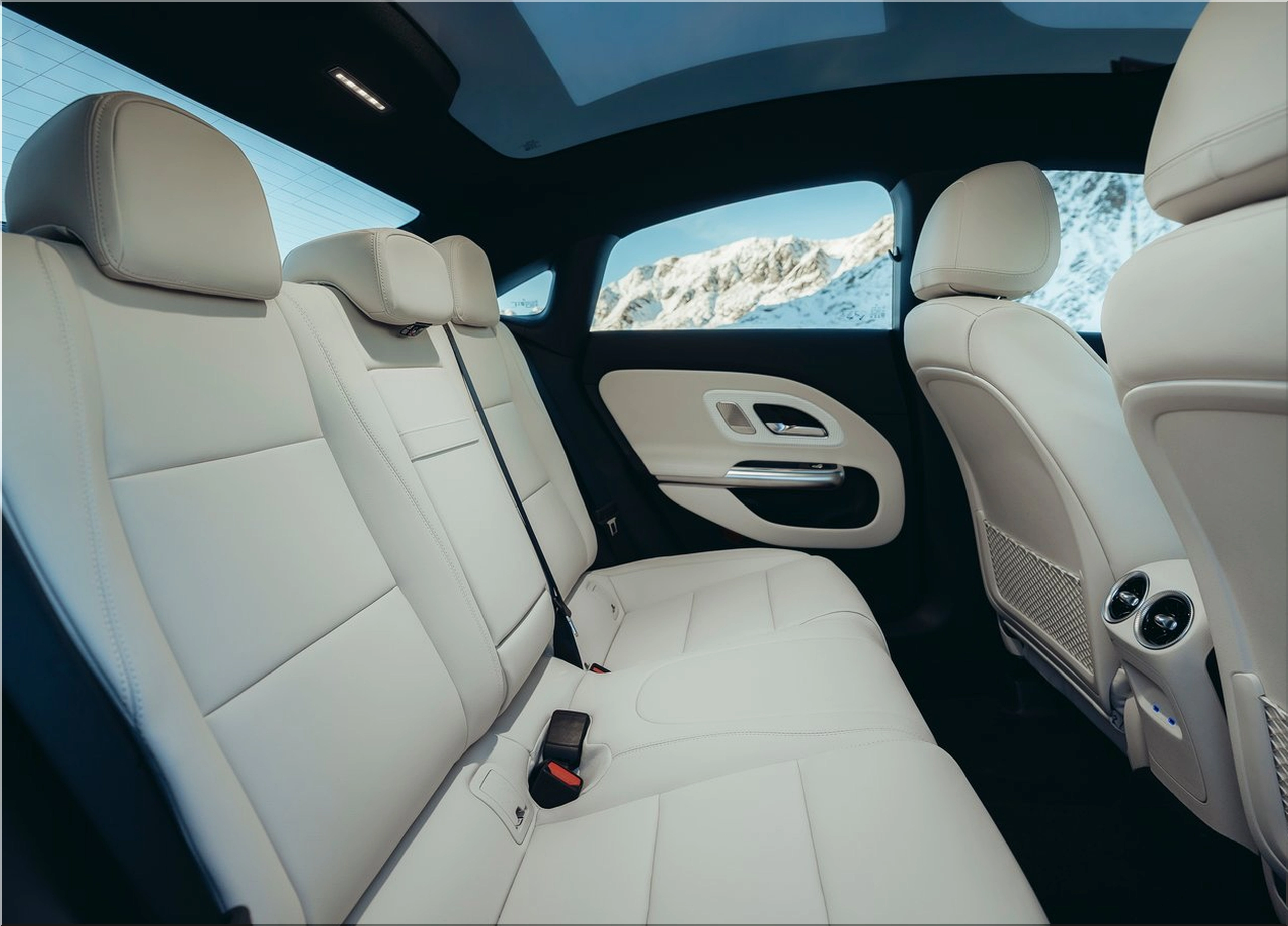
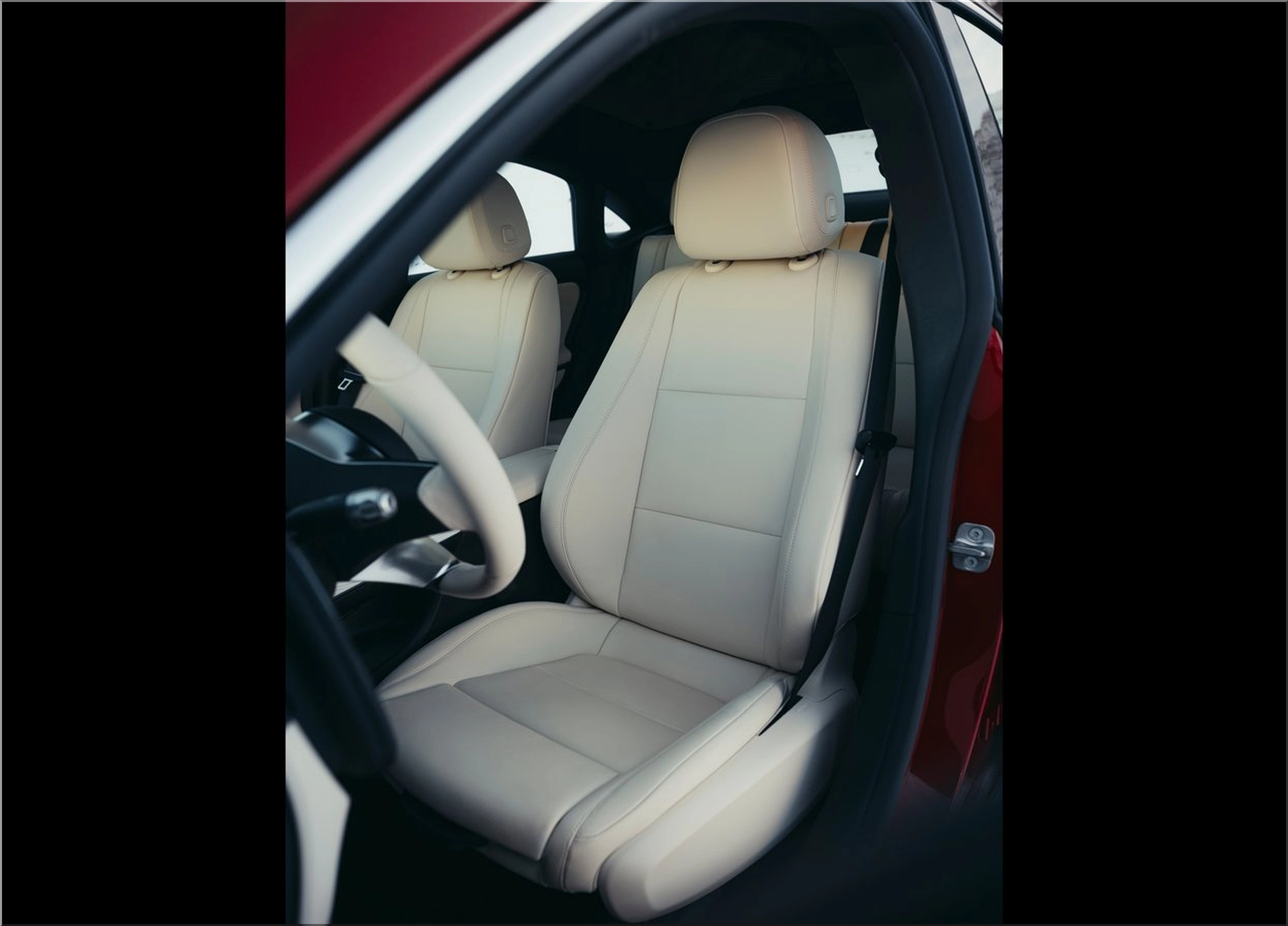
- ARTICO synthetic leather for seating surfaces
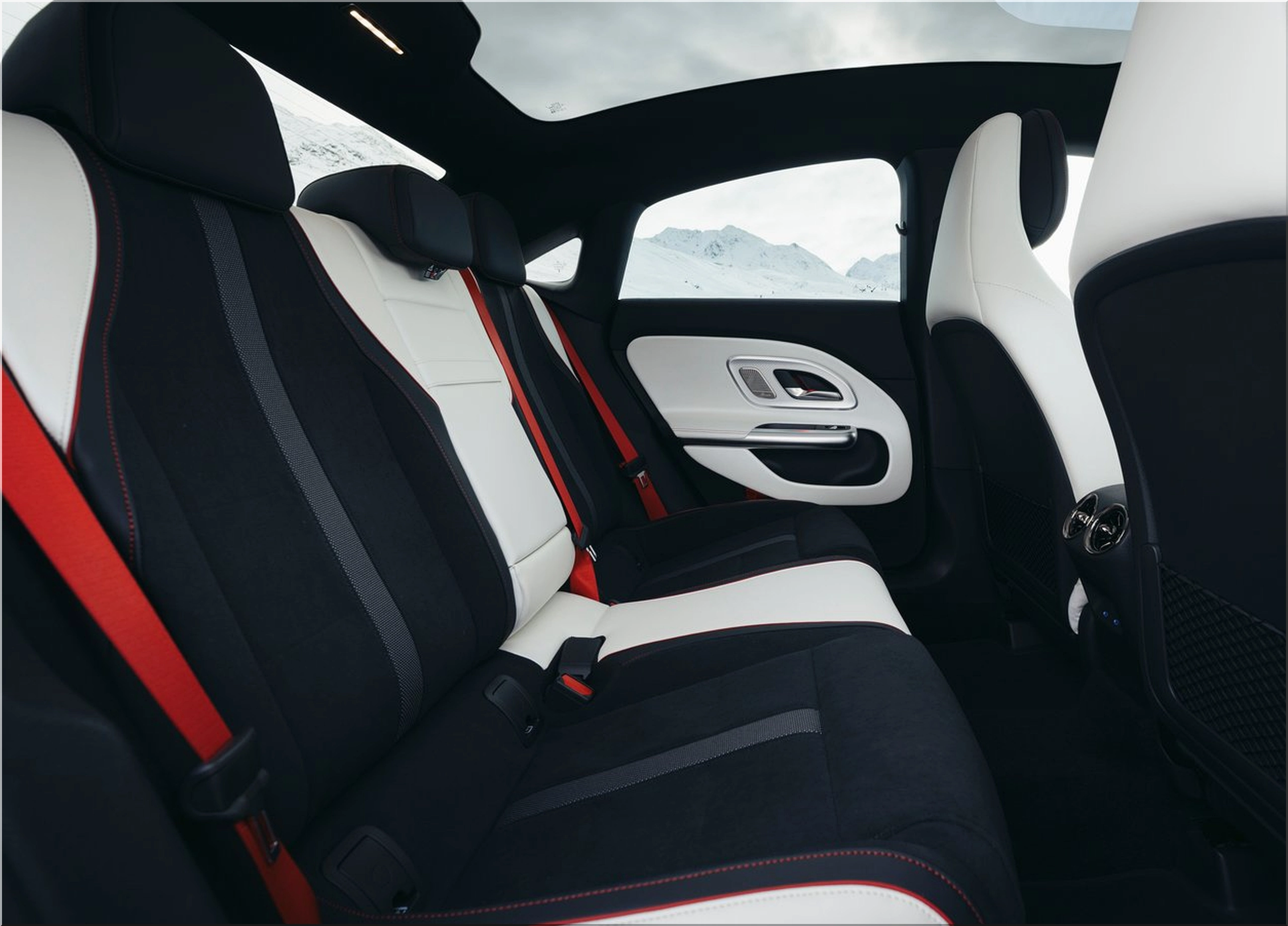
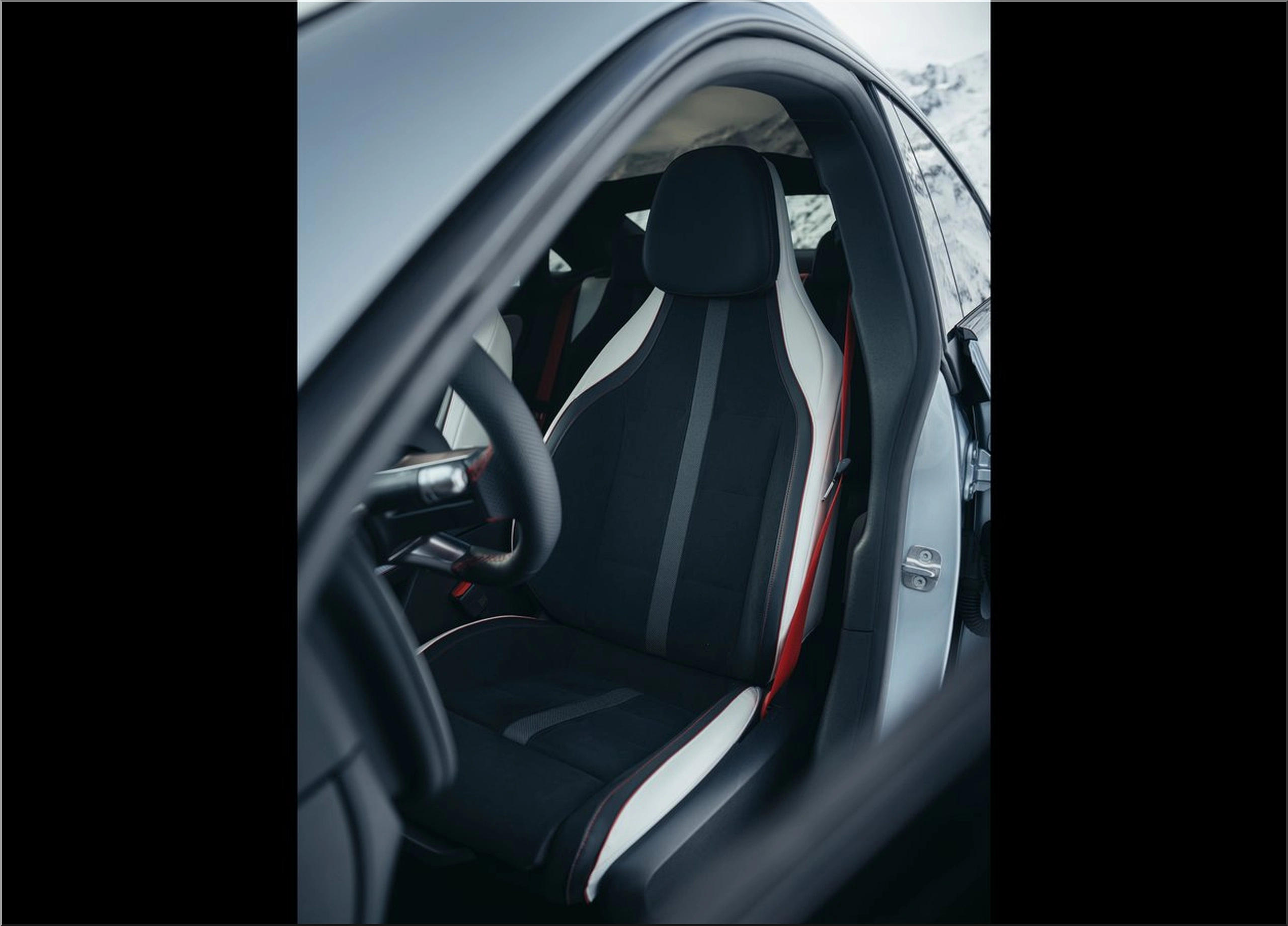
- Microfiber inserts in sport-focused trims
- Aluminum and gloss-black accents
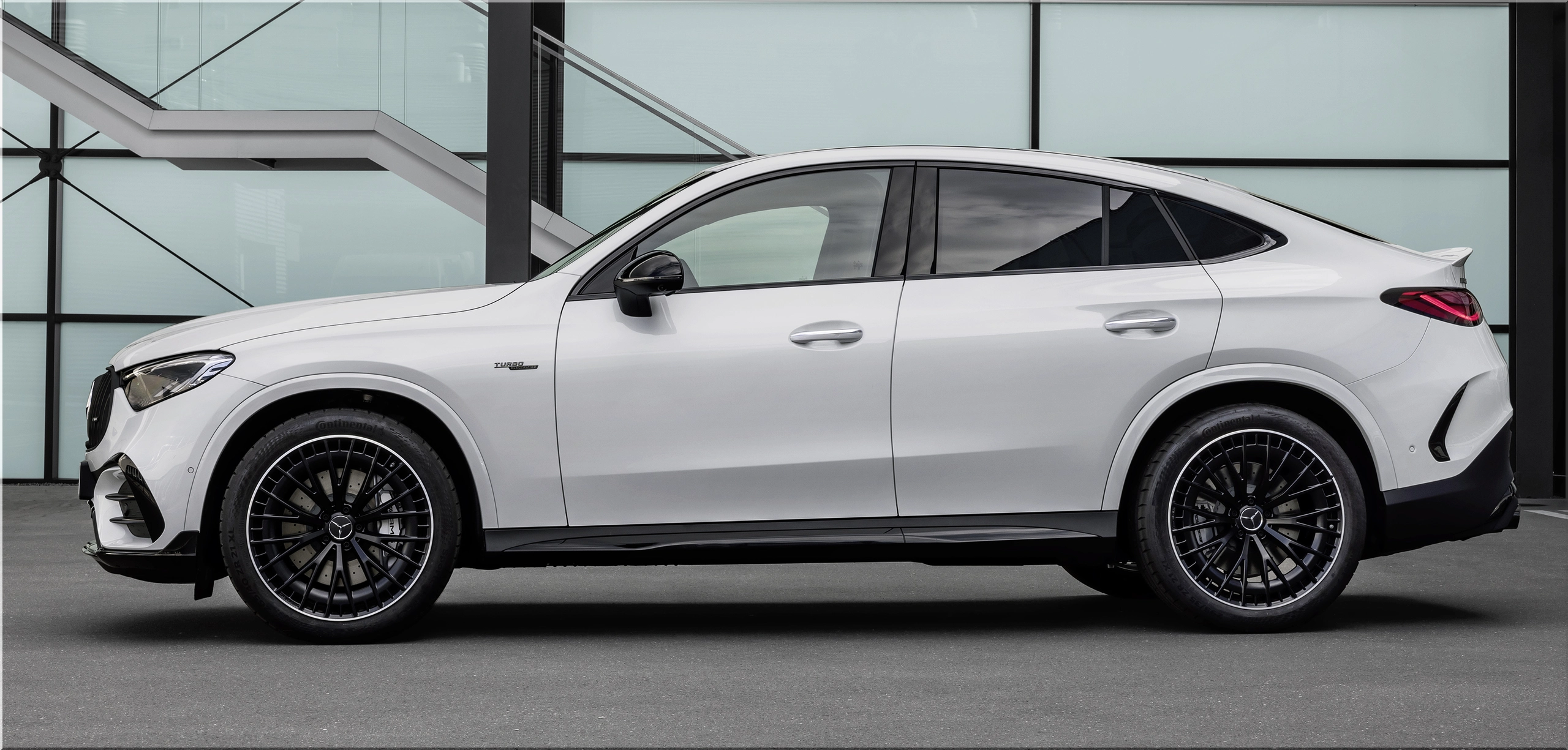
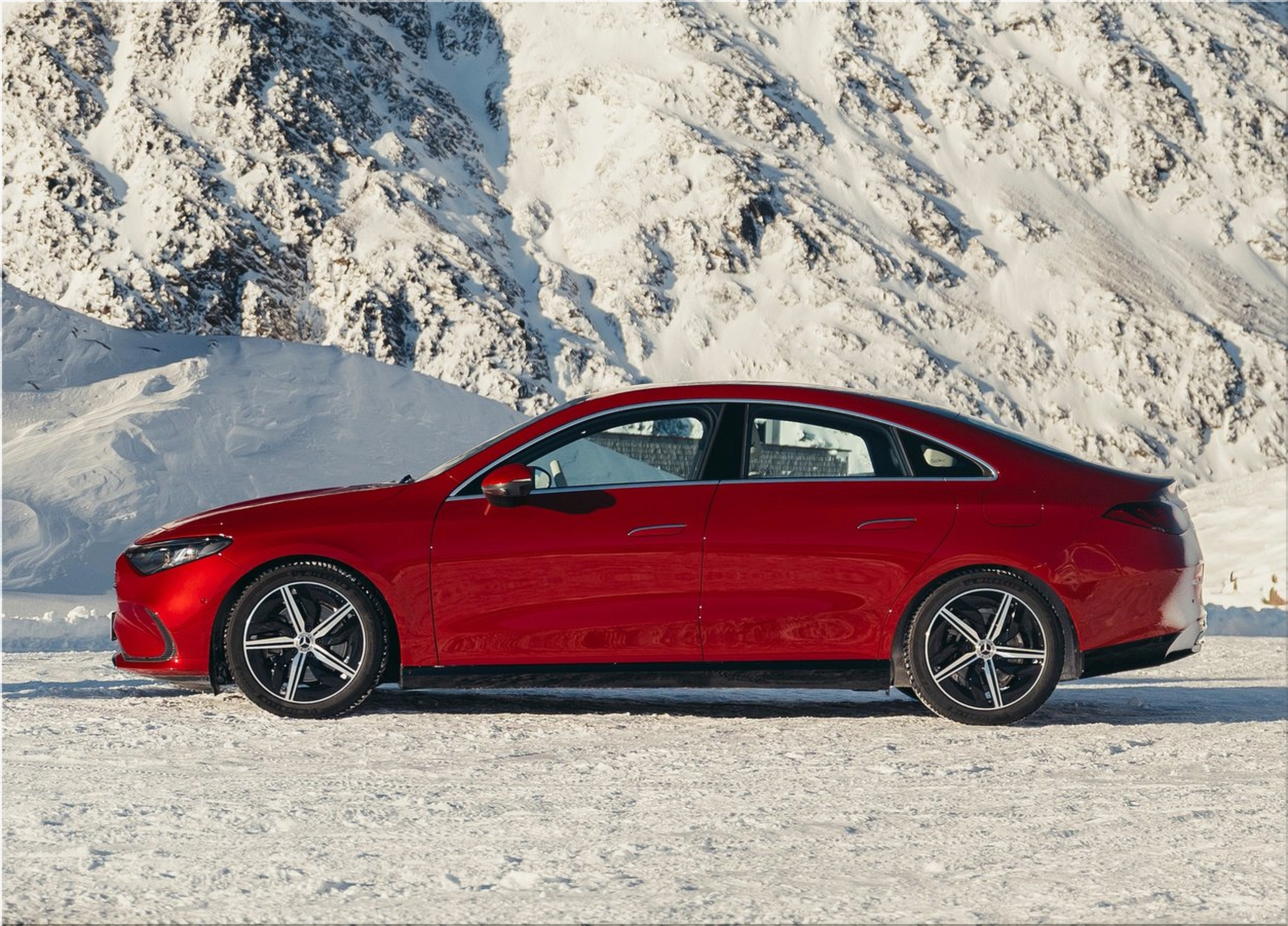
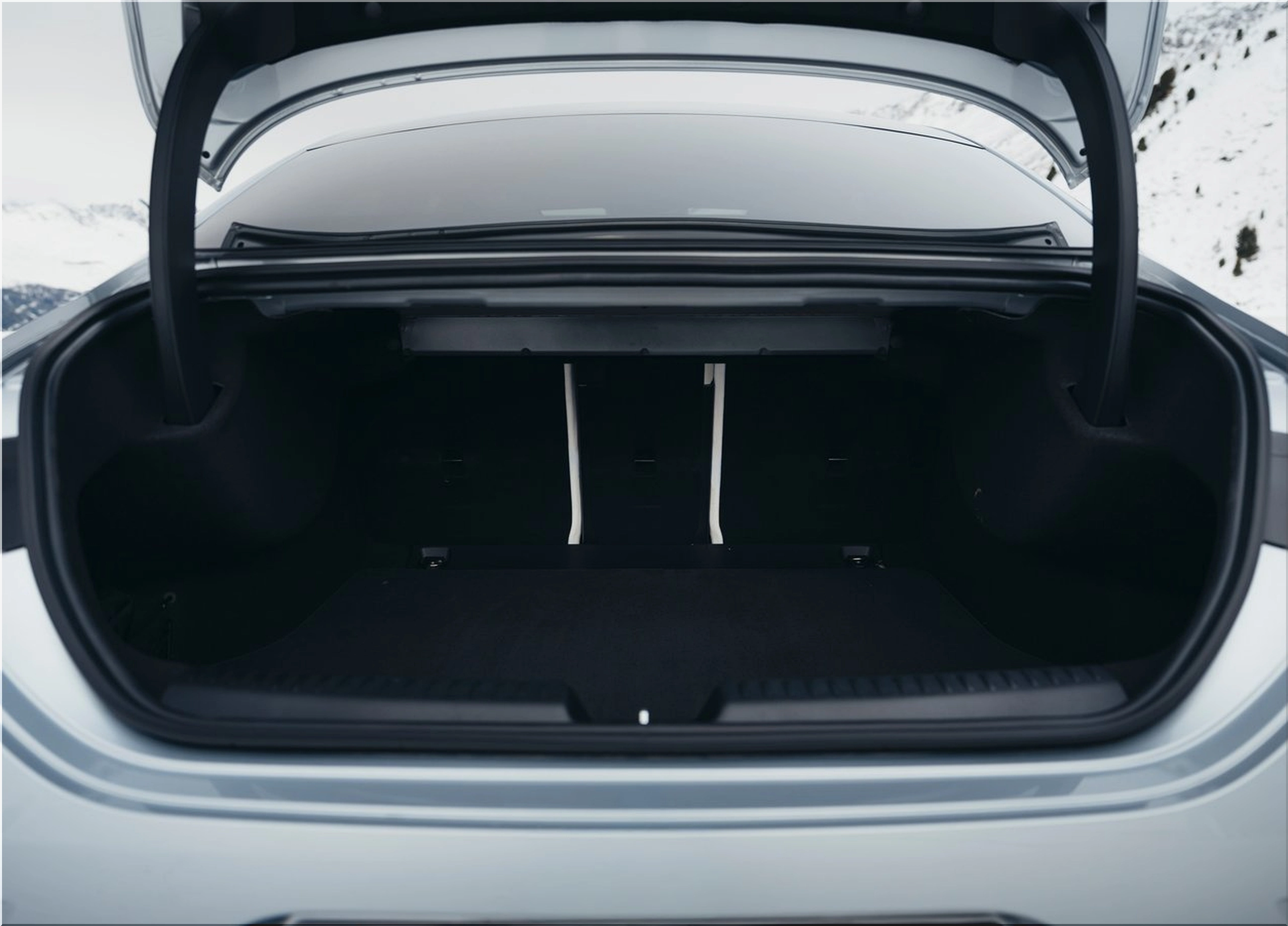
A panoramic glass roof comes standard in many markets. It increases natural light without adding mechanical complexity. Rear space remains tight due to the coupe roofline, reflecting Mercedes’ design priorities.
Customization and AMG Packages
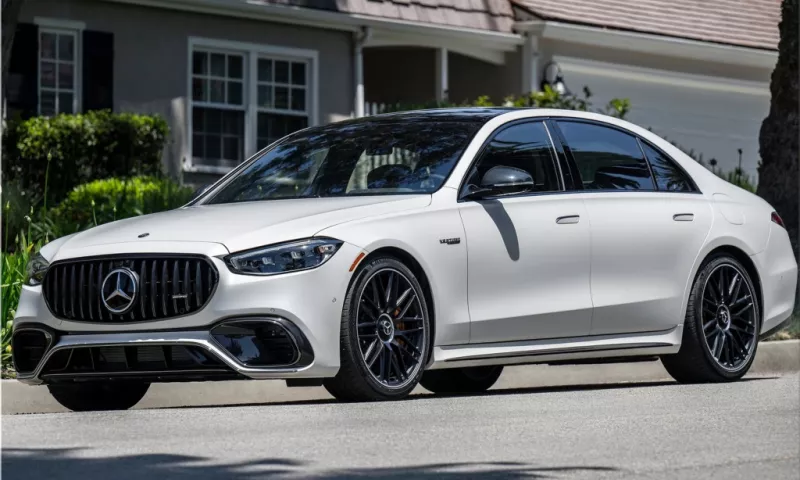
AMG Line packages continue to drive buyer demand. Mercedes expands visual customization without altering the powertrain.
Available upgrades include:
- AMG Line with sport bumpers and suspension tuning
- Night Package with black exterior trim
- AMG Line Plus with larger wheels and interior accents
These packages increase perceived performance while preserving efficiency figures.
Pricing Outlook and Ownership Costs
Mercedes has not confirmed US pricing. Market positioning suggests a starting price near $41,000 USD. Higher trims with advanced technology and AMG packages could approach $48,000 USD.
Ownership cost advantages include:
- Lower fuel spend compared to non-hybrid rivals
- Reduced brake wear through regenerative braking
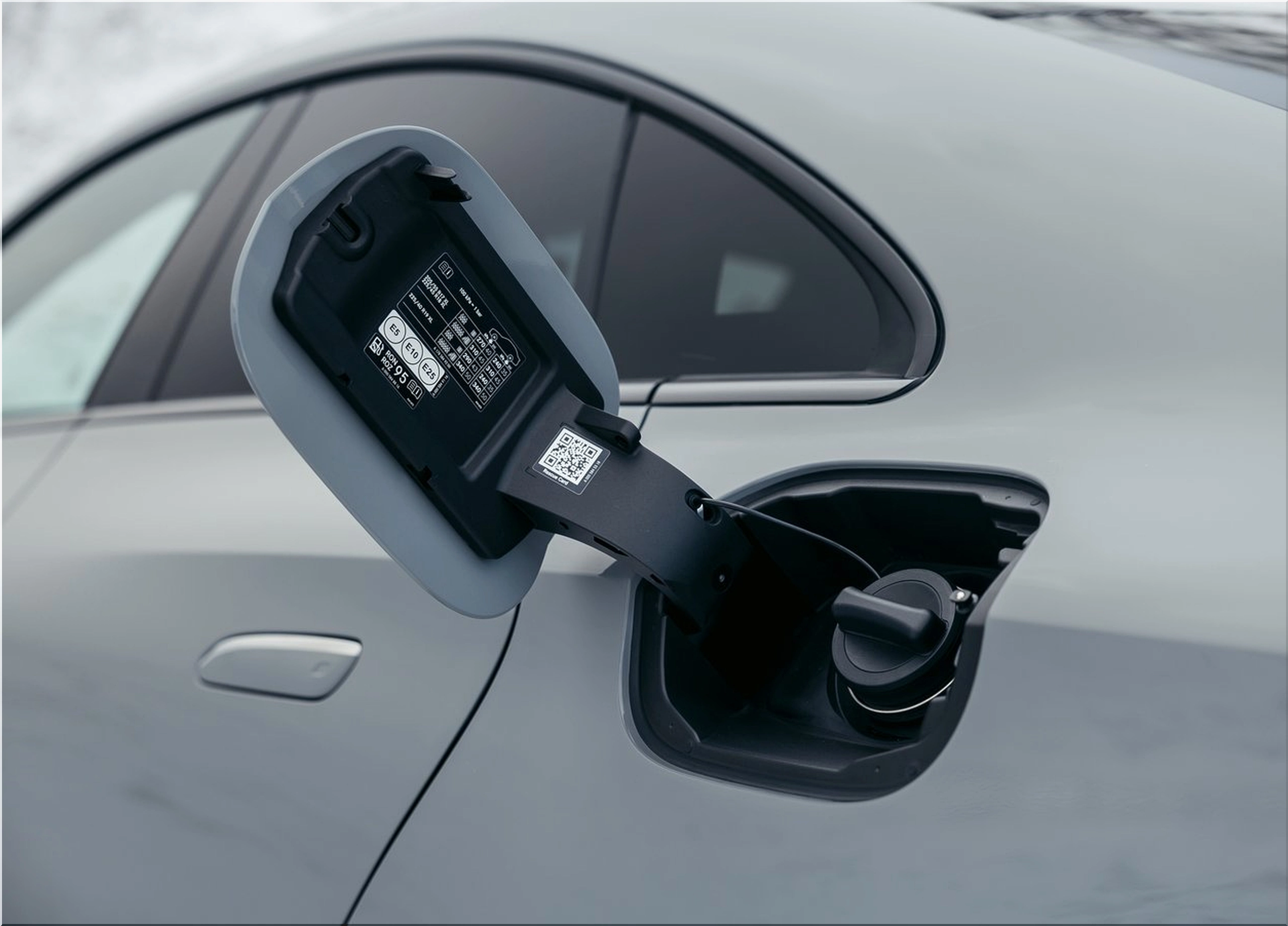
- No charging equipment or plug-in maintenance
This structure appeals to loss-averse buyers who want savings without new obligations.
Competitive Comparison: Compact Luxury Sedans
| Model | Powertrain | Estimated MPG (US) | Starting Price (USD) |
|---|---|---|---|
| Mercedes-Benz CLA Hybrid 2026 | 1.5L turbo mild hybrid | ~47 mpg | ~$47,000 |
| Audi A3 TFSI | 2.0L turbo gas | ~34 mpg | ~$40,000 |
| BMW 228i Gran Coupe | 2.0L turbo gas | ~35 mpg | ~$39,000 |
| Volvo S60 Mild Hybrid | 2.0L turbo mild hybrid | ~41 mpg | ~$42,000 |
The CLA Hybrid leads on efficiency while matching competitors on technology and brand equity.
Manufacturing Strategy and Platform Efficiency
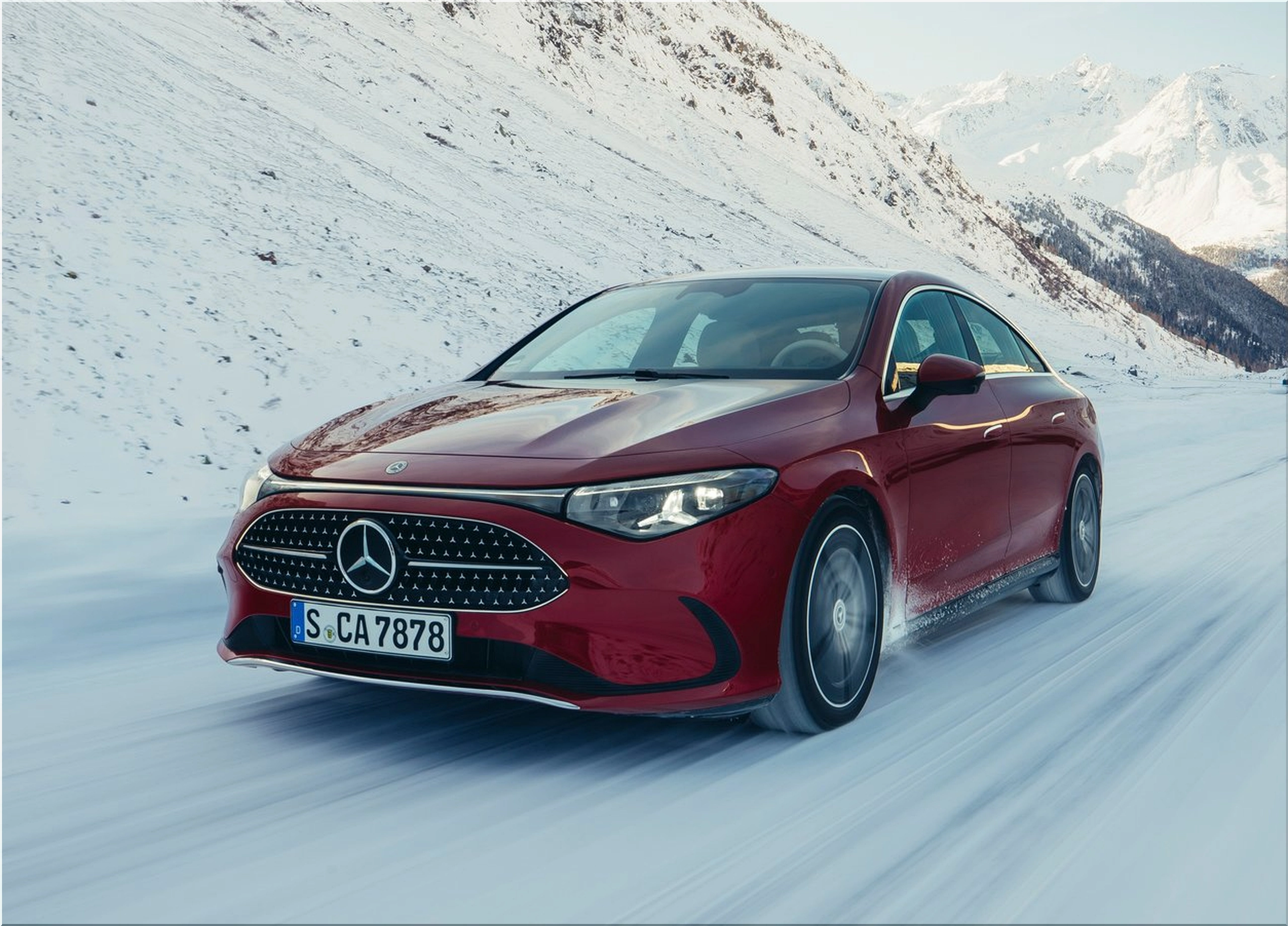
Mercedes builds the 2026 Mercedes-Benz CLA Hybrid on a modular platform that supports combustion, hybrid, and electric variants. This reduces production complexity and improves supply stability.
For buyers, this means better parts availability and more consistent software support. Platform efficiency also protects resale value as Mercedes rolls out updates across multiple models.
Software Updates and Long-Term Value Retention
The CLA Hybrid supports over-the-air updates for infotainment, navigation, and driver assistance systems. This slows the technology aging curve common in compact luxury cars.
Owners benefit from:
- Fewer dealer visits
- Gradual feature improvements
- Stronger second-owner appeal
Vehicles that feel current longer depreciate slower.
Image
Behavioral Economics Insight: Why Mild Hybrid Adoption Works
The CLA Hybrid aligns with loss aversion principles. Buyers gain fuel savings and smoother driving without perceived losses tied to charging time, range planning, or higher upfront cost.
Mercedes nudges adoption by:
- Preserving familiar refueling habits
- Automating efficiency gains
- Avoiding behavioral disruption
This balance reduces hesitation and increases purchase confidence.
Real-World Driving Experience
Drivers notice immediate differences:
- Quieter starts due to electric assist
- Smoother throttle response at low speeds
- Fewer fuel stops during weekly use
The system operates automatically. Drivers manage no modes and no charging schedules.
A mild hybrid uses a small electric motor and battery to support a gas engine. It improves efficiency and smoothness but does not drive the vehicle alone. This setup avoids charging while delivering real fuel savings.
Buyer Insight: Who Benefits Most
Urban and suburban drivers gain the most value from the CLA Hybrid. Stop-and-go traffic maximizes regenerative braking and electric assist. Highway drivers still benefit from engine-off coasting.


Strategic Impact for Mercedes-Benz
The 2026 CLA Hybrid supports Mercedes electrification goals without forcing rapid consumer change. Shared platforms, software, and design language reduce development cost and improve flexibility.
This model sets the template for future compact hybrids across the lineup.
Image
Decision Framework: Should You Wait for the CLA Hybrid?
The 2026 Mercedes-Benz CLA Hybrid fits buyers who prioritize:
- Lower operating costs without charging
- Modern infotainment that stays current
- Compact luxury with strong brand recognition
The car trades peak performance for efficiency and tech stability. For many buyers, that trade reduces risk and improves long-term ownership value.
- Add new comment
- 121 views